
Las Vegas is a city that defies conventional expectations, a dazzling oasis in the Nevada desert famous for its perpetual energy, opulent resorts, and world-class entertainment. Yet, amidst the glittering lights and round-the-clock action, one might wonder: what exactly is Las Vegas Time? Is it merely a time zone, or does it encapsulate a unique lifestyle, a rhythm distinct from anywhere else on Earth? This comprehensive guide will explore both the literal and metaphorical meanings of Las Vegas Time, offering insights for travelers, planners, and anyone captivated by this extraordinary destination.
Understanding Las Vegas’s Official Time Zone
On a purely technical level, Las Vegas adheres to the standard time zone observed by much of the western United States. Understanding this official designation is the first step in unraveling the mystery of Las Vegas Time.

Pacific Standard Time (PST) and Pacific Daylight Time (PDT)
Las Vegas operates on Pacific Time. Specifically, this means it observes Pacific Standard Time (PST) during the colder months and switches to Pacific Daylight Time (PDT) for the spring, summer, and early fall.
- Pacific Standard Time (PST): This is 8 hours behind Coordinated Universal Time (UTC) or Greenwich Mean Time (GMT). So, PST = UTC-8. This period typically runs from early November to mid-March.
- Pacific Daylight Time (PDT): During Daylight Saving Time, clocks are advanced by one hour. Therefore, PDT = UTC-7. This change occurs in mid-March and lasts until early November.
States that observe Pacific Time along with Nevada include California, Oregon, and Washington, as well as a portion of Idaho. This makes planning travel between these states relatively straightforward. However, for those traveling from other regions of the United States or internationally, understanding the time difference is crucial for seamless trip coordination. For example, when it’s 3 PM in Las Vegas (PST), it’s 4 PM in Mountain Time, 5 PM in Central Time, and 6 PM in Eastern Time.
The History and Rationale Behind Nevada’s Time
The establishment of standardized time zones across the United States in the late 19th century was a pivotal moment for transportation and commerce, particularly with the rise of transcontinental railroads. Before this, towns often set their clocks based on solar noon, leading to thousands of local times and immense confusion. In 1883, the major railroad companies in North America adopted a four-zone system, which eventually led to the official recognition of these zones by Congress with the Standard Time Act of 1918.
Nevada, being a western state, naturally falls within the geographical longitude that aligns with the Pacific Time Zone. This placement ensures that solar noon occurs roughly at 12:00 PM in the middle of the zone, providing a logical framework for daily life. While most of Arizona, Nevada’s neighbor, does not observe Daylight Saving Time (remaining on Mountain Standard Time year-round), Nevada fully participates in the annual spring forward and fall back, aligning it with California and other Pacific Coast states. This consistency is beneficial for businesses, tourism, and travel within the western region.
The Practical Implications of Las Vegas Time for Travelers
For visitors to Las Vegas, understanding the official time is more than just a trivial detail; it’s fundamental to maximizing their experience. From managing jet lag to perfectly timing reservations, a grasp of Las Vegas Time is essential for a smooth and enjoyable trip.
Navigating Time Zones from Other Regions
Travelers arriving from other parts of the United States or international destinations will inevitably encounter a time difference. This can range from a one-hour shift for those coming from Mountain Time to several hours for visitors from the East Coast or across oceans.
- Domestic Travel: Flying from New York City (Eastern Time) to Las Vegas means a three-hour time difference. If your flight departs at 9 AM EST, it will be 6 AM PST upon arrival. This can be disorienting, especially for early morning arrivals.
- International Travel: The adjustment is even more pronounced for international visitors. Travelers from London (GMT/BST) face an eight-hour difference (PST) or seven-hour difference (PDT). From Tokyo (JST), the difference can be as much as 16 hours.
Managing jet lag is key. Experts recommend adjusting your sleep schedule gradually before departure, staying hydrated during the flight, and exposing yourself to natural light upon arrival to help reset your internal clock. Embracing Las Vegas’s energy from day one can also help, as the city’s vibrant atmosphere often encourages staying awake longer.
Planning Your Itinerary: Shows, Dining, and Attractions
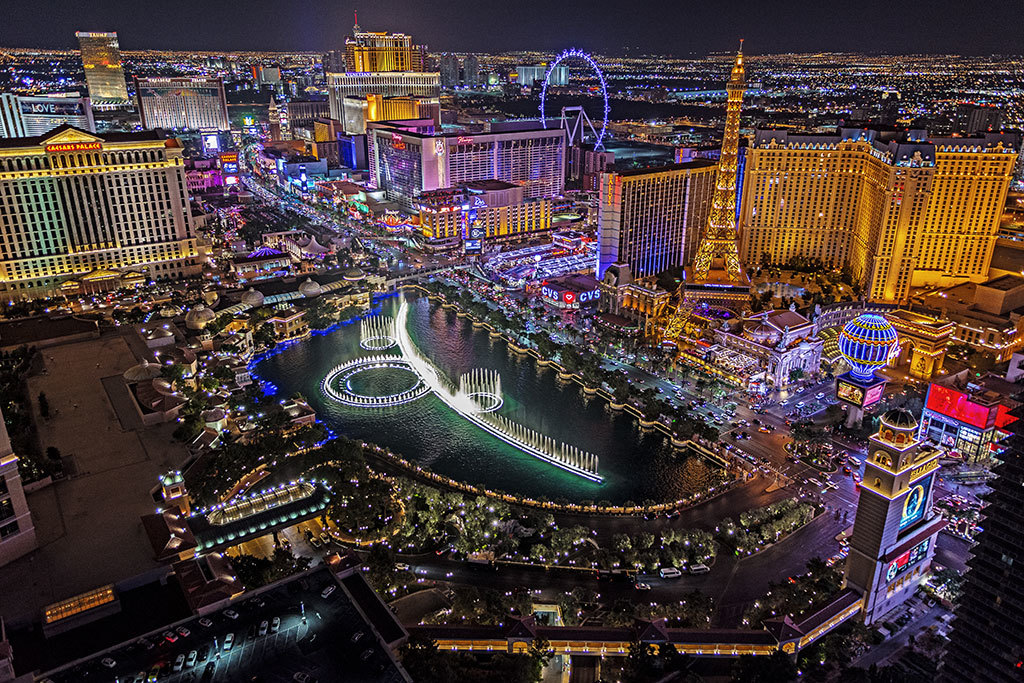
Every showtime, dinner reservation, and attraction opening hour in Las Vegas is set according to local Pacific Time. Mismatched expectations due to time zone confusion can lead to missed experiences or unexpected delays.
- Show Tickets: Popular shows like those by Cirque du Soleil or headlining residencies often have strict start times. Arriving late means missing crucial parts of the performance or, in some cases, being denied entry until an intermission. Always confirm showtimes and arrive early, especially if you plan to pick up tickets at will-call.
- Dining Reservations: Las Vegas boasts some of the world’s most sought-after restaurants. Missing a reservation due to time zone errors can mean losing a deposit or being unable to get a table at your preferred establishment. Use your phone’s automatic time zone feature to ensure it displays local time accurately.
- Attractions and Tours: Whether you’re planning a visit to the Hoover Dam, a helicopter tour of the Grand Canyon, or exploring the Neon Museum, check their operating hours in advance. Many tours depart early in the morning, and a missed alarm due to jet lag could mean missing out on a once-in-a-lifetime experience.
Hotel Check-ins and Check-outs: A Timely Consideration
Accommodation logistics in Las Vegas are also tied to local time. Standard check-in times are typically in the afternoon (e.g., 3 PM or 4 PM PST/PDT), and check-out times are usually around 11 AM or 12 PM.
- Early Arrivals: If you arrive much earlier than the standard check-in time, your room may not be ready. While many hotels like the Bellagio or Caesars Palace offer luggage storage, this could mean several hours of waiting before you can access your room. Some resorts may offer early check-in for an additional fee or to loyalty program members.
- Late Departures: Similarly, if your flight departs late in the day, you’ll need to plan for a late check-out or explore options for storing your luggage after the standard check-out time. Some hotels, such as the MGM Grand, may provide late check-out for a fee, allowing you to enjoy the city longer without the hassle of your bags. Always confirm these policies with your chosen resort or accommodation.
“Las Vegas Time” as a State of Mind
Beyond the official time zone, “Las Vegas Time” takes on a deeper, more philosophical meaning. It’s an ethos, a vibrant pulse that governs the city’s unique lifestyle and permeates every aspect of a visitor’s experience. This metaphorical interpretation of time is what truly sets Las Vegas apart.
The Perpetual Energy of The Strip
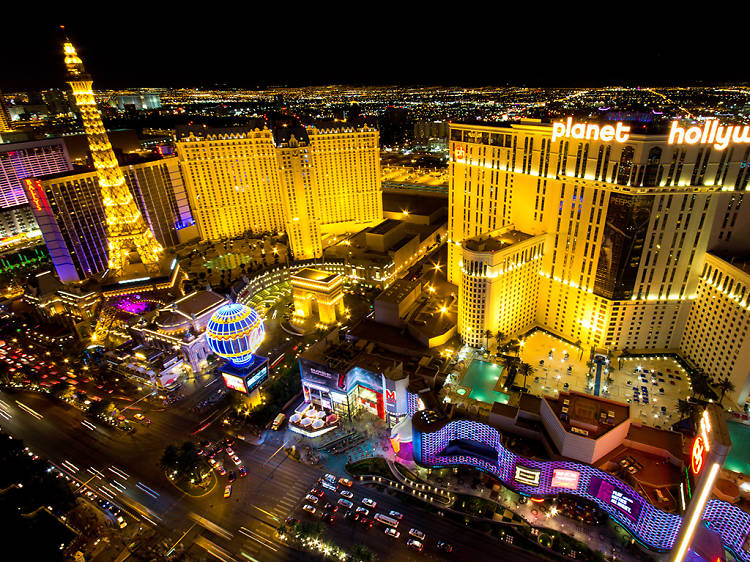
The most striking feature of Las Vegas is its seemingly endless energy. The Strip never sleeps; the casinos are open 24/7, restaurants serve food at all hours, and entertainment options abound late into the night and early morning. This perpetual motion creates an environment where the conventional boundaries of day and night often blur.
- No Windows, No Clocks: Many casinos and interior spaces in Las Vegas are designed with minimal natural light and few visible clocks. This architectural choice is deliberate, aiming to create an immersive environment where visitors lose track of time, encouraging them to stay longer and indulge in the myriad offerings.
- Day and Night Blend: It’s not uncommon to see people gambling at 3 AM, dining at a gourmet restaurant at 1 AM, or enjoying a pool party well past sunset. The city’s lighting, both artificial and natural, constantly reinvents the atmosphere, making it easy to forget whether it’s dawn or dusk. This unique characteristic contributes to the feeling that time operates differently here.
Embracing the 24/7 Lifestyle
The “24/7” nature of Las Vegas means that almost any activity you desire is available around the clock. This offers unparalleled flexibility but also requires a different approach to scheduling and self-regulation.
- Flexible Schedules: Unlike most destinations where attractions close in the evening, Las Vegas offers a diverse range of activities at any hour. This could mean a midnight massage at a luxury spa, an early morning round of golf, or a late-night stroll through the Fremont Street Experience.
- Redefining Sleep: For many, a trip to Las Vegas means embracing a different sleep pattern. Naps become strategic, and the concept of “early to bed, early to rise” often takes a backseat to experiencing everything the city has to offer. This can be exhilarating but also requires mindful pacing to avoid burnout.
- Themed Environments: Many resorts, like The Venetian Resort Las Vegas with its indoor sky and canals, create environments that are deliberately timeless, further enhancing the illusion that time is not a constraining factor. Guests can wander through these meticulously crafted worlds, feeling detached from the clock ticking outside.
Maximizing Your Experience: Time-Saving Tips for Your Las Vegas Trip
Successfully navigating both the literal and metaphorical aspects of Las Vegas Time requires a bit of strategy. By planning ahead and being mindful of the city’s unique rhythm, you can ensure a memorable and stress-free vacation.
Pre-Booking and Prioritizing
Given the immense popularity of Las Vegas and its premier attractions, pre-booking is almost always a necessity, especially if you have specific shows, restaurants, or tours in mind.
- Secure Your Spots Early: For high-demand shows, popular restaurants, and even desirable pool cabanas, make reservations weeks or even months in advance. This not only guarantees your spot but also locks in your schedule, providing a framework around which you can plan other activities. Websites like lifeoutofthebox.com can be excellent resources for researching and booking these experiences.
- Create a Flexible Itinerary: While booking ahead is important, remember that Las Vegas thrives on spontaneity. Build some free time into your schedule to allow for unexpected discoveries or simply to relax by the pool. Having a general idea of your daily plan, but remaining open to improvisation, is the sweet spot.
- Prioritize Experiences: With so much to do, it’s impossible to see everything in one trip. Decide what your top priorities are – perhaps a specific show, a culinary experience, or exploring a certain resort – and build your schedule around those. This ensures you don’t leave feeling overwhelmed or disappointed by missed opportunities.
Adapting to the Local Rhythm
Embracing the energy of Las Vegas means being open to its unique flow, which often differs from your daily routine back home.
- Hydration is Key: The Nevada desert climate, combined with the city’s non-stop pace, means dehydration can set in quickly. Drink plenty of water, especially if you’re enjoying alcoholic beverages or spending time outdoors.
- Pace Yourself: It’s tempting to try and do everything, but Las Vegas is a marathon, not a sprint. Take breaks, schedule downtime, and don’t be afraid to take a power nap. Many resorts offer luxurious spa services, which can be an excellent way to rejuvenate.
- Utilize Transportation Wisely: The Strip is longer than it looks, and walking everywhere can quickly eat into your time and energy. Use rideshares, taxis, or the Las Vegas Monorail to efficiently get between different resorts and attractions. This frees up more of your precious time for enjoyment rather than transit.
- Stay Connected (But Not Too Much): Keep your phone charged and ensure it automatically updates to Las Vegas Time. However, consider setting aside specific times to check emails or social media to truly immerse yourself in the present moment and the unique atmosphere of the city.
In conclusion, “What is Las Vegas Time?” is a multifaceted question. On one hand, it refers to the objective reality of Pacific Time (PST/PDT), a crucial detail for practical travel planning. On the other, it represents a vibrant, non-stop way of life that encourages visitors to shed their conventional understanding of time and embrace a world of endless possibilities. By understanding both interpretations, travelers can expertly navigate the city’s rhythms, ensuring a truly unforgettable experience in the Entertainment Capital of the World.
LifeOutOfTheBox is a participant in the Amazon Services LLC Associates Program, an affiliate advertising program designed to provide a means for sites to earn advertising fees by advertising and linking to Amazon.com. Amazon, the Amazon logo, AmazonSupply, and the AmazonSupply logo are trademarks of Amazon.com, Inc. or its affiliates. As an Amazon Associate we earn affiliate commissions from qualifying purchases.