
Los Angeles, the sprawling metropolis on the West Coast of the United States, is a beacon for travelers, entrepreneurs, and dream-chasers worldwide. Known for its glamorous Hollywood scene, pristine beaches, vibrant arts and culture, and diverse culinary landscape, LA truly offers an experience like no other. Whether you’re planning a luxurious getaway, a budget-friendly adventure, a family trip, or a crucial business stay, understanding the local time is paramount to a seamless and enjoyable journey.
The official time zone for Los Angeles is Pacific Time (PT). This designation, however, isn’t static throughout the year. Like many regions, Los Angeles observes Daylight Saving Time (DST), which means the clock shifts an hour forward in the spring and an hour back in the fall. For visitors arriving from different parts of the globe or even other US time zones, this seemingly simple fact can have significant implications for planning flights, booking accommodation, scheduling activities, and managing potential jet lag.
In this comprehensive guide, we’ll delve deep into the intricacies of Los Angeles’ time zone, exploring its standard and daylight saving variants, the impact on travelers and local life, and practical tips to ensure your visit to the City of Angels is perfectly timed. From navigating hotel check-ins to catching sunset views at Griffith Observatory, every aspect of your Los Angeles adventure hinges on understanding its unique temporal rhythm.

Unpacking Los Angeles’ Official Time Zone
At its core, Los Angeles operates within the Pacific Time (PT) zone, which is one of the four main time zones observed across the contiguous United States. However, this general term encompasses two distinct phases: Pacific Standard Time and Pacific Daylight Time.
Pacific Standard Time (PST): The Winter Standard
During the cooler months, generally from early November to mid-March, Los Angeles observes Pacific Standard Time (PST). This time zone is defined as being eight hours behind Coordinated Universal Time (UTC), often abbreviated as UTC-8. For example, when it’s 12:00 PM UTC, it’s 4:00 AM in Los Angeles during PST.
PST is the “default” or “standard” time for this region, aligning with the traditional solar time. It brings earlier sunsets, which can be a consideration for travelers planning evening activities or those hoping to capture golden hour photographs at scenic landmarks like the Hollywood Sign or Santa Monica Pier. For those enjoying the vibrant Los Angeles nightlife or attending concerts, the earlier darkness means the city lights sparkle sooner.
Pacific Daylight Time (PDT): Embracing the Longer Days
As spring arrives, Los Angeles transitions to Pacific Daylight Time (PDT). This change typically occurs on the second Sunday in March, when clocks “spring forward” one hour. PDT is seven hours behind Coordinated Universal Time, designated as UTC-7. So, when it’s 12:00 PM UTC, it becomes 5:00 AM in Los Angeles under PDT.
This shift remains in effect until the first Sunday in November, when clocks “fall back” one hour, returning to PST. PDT brings later sunsets and extended daylight hours, which are perfect for exploring Los Angeles’ outdoor attractions, enjoying al fresco dining, or spending more time at the beach. From leisurely strolls along Venice Beach to thrilling rides at Universal Studios Hollywood, the longer days of PDT allow visitors to maximize their itinerary and soak in more of the California sunshine.
Why the Shift Matters: Understanding Daylight Saving Time in California
The observance of Daylight Saving Time in California is primarily intended to make better use of daylight, historically for energy conservation and to provide more daylight in the evenings. While the debate around its continued relevance exists, it remains a standard practice. For travelers, knowing when this shift occurs is crucial.
Imagine booking a flight that lands in LA in early March, just before the DST change. If your return flight is scheduled for the week after, you’ll need to account for the one-hour shift. Similarly, for those planning long-term stays or business trips, understanding the seasonal shift is vital for consistent scheduling and communication. Many modern devices automatically adjust, but it’s always wise to double-check, especially for critical appointments or airport transfers. The extra hour of daylight in the evenings during PDT significantly enhances the tourism experience, allowing for more time to enjoy outdoor activities and extended hours at popular venues.
The Traveler’s Time Compass: Navigating LA from Afar
For anyone traveling to Los Angeles, particularly from a distant time zone, the local time is more than just a number on a clock; it’s a critical element that shapes every aspect of the travel experience.
Planning Your Arrival: Flights, Hotels, and Initial Adjustments
The journey begins long before you land at LAX. When booking flights, always confirm departure and arrival times in their respective local time zones. Upon arrival in Los Angeles, your body will need to adjust. Most hotels, whether luxury resorts in Beverly Hills or charming boutique hotels downtown, have standard check-in times (often 3:00 PM or 4:00 PM PT) and check-out times (usually 11:00 AM or 12:00 PM PT). Knowing the local time helps you plan your arrival at your chosen accommodation – be it an opulent suite, a cozy apartment, or a sprawling villa.
Early morning arrivals might mean a few hours to wait before check-in, which can be a good opportunity to grab a coffee, store luggage, and take a refreshing walk to acclimate to the LA air. Conversely, if you have a late departure, understanding the check-out time allows you to arrange for late check-out or luggage storage, giving you more time to explore without the burden of your bags. Pre-booking airport transfers or car rentals also needs to be perfectly aligned with your actual landing time in PT, not your departure time zone.

Maximizing Your Los Angeles Experience: Sightseeing and Activities
Los Angeles is a destination brimming with attractions, from iconic landmarks to hidden gems. Every reservation, ticketed event, or tour you plan will operate on LA time.
- Theme Parks: For places like Disneyland Resort or Universal Studios Hollywood, early arrival is key to beating the crowds. Knowing the park’s opening time in PST/PDT helps you strategize.
- Dining: Los Angeles’ food scene is legendary, with reservations often essential at popular eateries. A missed reservation due to a time zone miscalculation can be a real disappointment.
- Shows and Events: Catching a concert at the Hollywood Bowl, a play at the Pantages Theatre, or a sports game at the Crypto.com Arena all require strict adherence to local start times.
- Museums and Galleries: While some offer flexible entry, many have specific operating hours, and you’ll want to allocate enough time for your visit to The Getty Center or the Los Angeles County Museum of Art.
The period of Daylight Saving Time is particularly beneficial for sightseeing, as the extended daylight provides more opportunities for outdoor activities and better lighting for photography. Planning your itinerary around these factors will ensure you make the most of your Los Angeles adventure.
Battling Jet Lag: Essential Tips for a Smooth Transition
Jet lag can be the biggest hurdle for travelers crossing multiple time zones. Moving to PST/PDT from the East Coast or international destinations can disrupt your body’s natural circadian rhythm. Here are some tips to mitigate its effects and ensure a smooth transition into the LA lifestyle:
- Adjust Gradually: A few days before your trip, try to shift your sleep schedule by an hour or two in the direction of Los Angeles time.
- Hydrate: Drink plenty of water before, during, and after your flight to combat dehydration, which can worsen jet lag symptoms.
- Embrace Local Time: As soon as you board your flight, or definitely upon landing, set your watch and devices to LA time. Try to eat and sleep according to the local schedule, even if you’re not hungry or tired.
- Seek Sunlight: Natural light exposure helps reset your body clock. Spend time outdoors during the day, especially in the morning.
- Limit Naps: While a short power nap (20-30 minutes) can be helpful, avoid long naps during the day, as they can interfere with nighttime sleep.
- Avoid Stimulants/Depressants: Go easy on caffeine and alcohol, especially in the evening, as they can disrupt sleep patterns.
- Exercise Lightly: A gentle walk or light stretching can help reduce fatigue and improve sleep quality.
Prioritizing your wellness and proactively managing jet lag will allow you to fully immerse yourself in the vibrant energy of Los Angeles from the moment you arrive.
Beyond the Clock: Time Zone Impacts on Los Angeles Lifestyle and Business
The Los Angeles time zone isn’t just a concern for travelers; it deeply influences the daily rhythm of life, local culture, and the bustling business environment that characterizes this global city.
Local Rhythm: How Time Shapes Daily Life and Culture
The Pacific Time zone dictates the flow of everyday life for Angelenos. Mornings begin with the famous LA traffic as commuters head to work, often starting around 8:00 AM or 9:00 AM PT. The city’s entertainment industry, a cornerstone of its economy and culture, operates on precise schedules, from film set call times to broadcast schedules.
- Entertainment & Events: Movie premieres, award shows, and live performances are all scheduled according to PT. If you’re hoping to catch a local concert or a stand-up comedy show, knowing the door times and show start times is essential.
- Dining & Socializing: Dinner reservations typically peak between 7:00 PM and 9:00 PM PT, especially in popular districts like West Hollywood or Downtown LA. The later sunsets during PDT often encourage a more leisurely pace for evening activities and outdoor gatherings.
- Sports Schedules: For sports fans, understanding PST/PDT is critical for following LA’s beloved teams, whether it’s the Lakers at Crypto.com Arena or the Dodgers at Dodger Stadium. Game times are always advertised in local PT.
- Traffic Patterns: Even traffic congestion is influenced by the time zone, with peak hours typically mirroring standard work schedules. Avoiding travel during morning (7:00 AM – 10:00 AM) and evening (3:00 PM – 7:00 PM) rush hours in PT can significantly improve your travel experience.
The time zone ultimately contributes to the unique rhythm and lifestyle of Los Angeles, influencing everything from when restaurants open to the timing of community events.
Business Acumen: Bridging Time Zones for Success
Los Angeles is a global economic powerhouse, and its time zone plays a crucial role in how businesses operate, especially those with national or international connections.
- National Communication: A three-hour difference from the East Coast (Eastern Time, ET) means that an 8:00 AM meeting in Los Angeles is already 11:00 AM in New York City or Washington D.C.. This requires strategic scheduling for cross-country conference calls and video conferences.
- International Markets: The challenges multiply when dealing with international partners. For instance, London is 8 hours ahead of PST (or 7 hours ahead of PDT), Tokyo (JST) is 17 hours ahead, and Sydney is 19 hours ahead. This often means Los Angeles-based businesses have limited overlap for real-time communication with Asian and Oceanic markets.
- Global Events: Companies hosting or attending global events must consider the time zone disparities for all participants. This often involves planning virtual presentations or hybrid events with consideration for varying sleep schedules.
For professionals on business stays in Los Angeles, managing these differences is a daily task. Utilizing time zone converters and clear communication about expected response times are essential strategies for maintaining productivity and strong international relationships.
Comparing Los Angeles to the World: A Global Perspective
Understanding Los Angeles’ time zone becomes even more impactful when viewed in a global context. This perspective is vital for international travelers and for residents connecting with family and friends abroad.
US Time Zone Comparisons: East Coast vs. West Coast
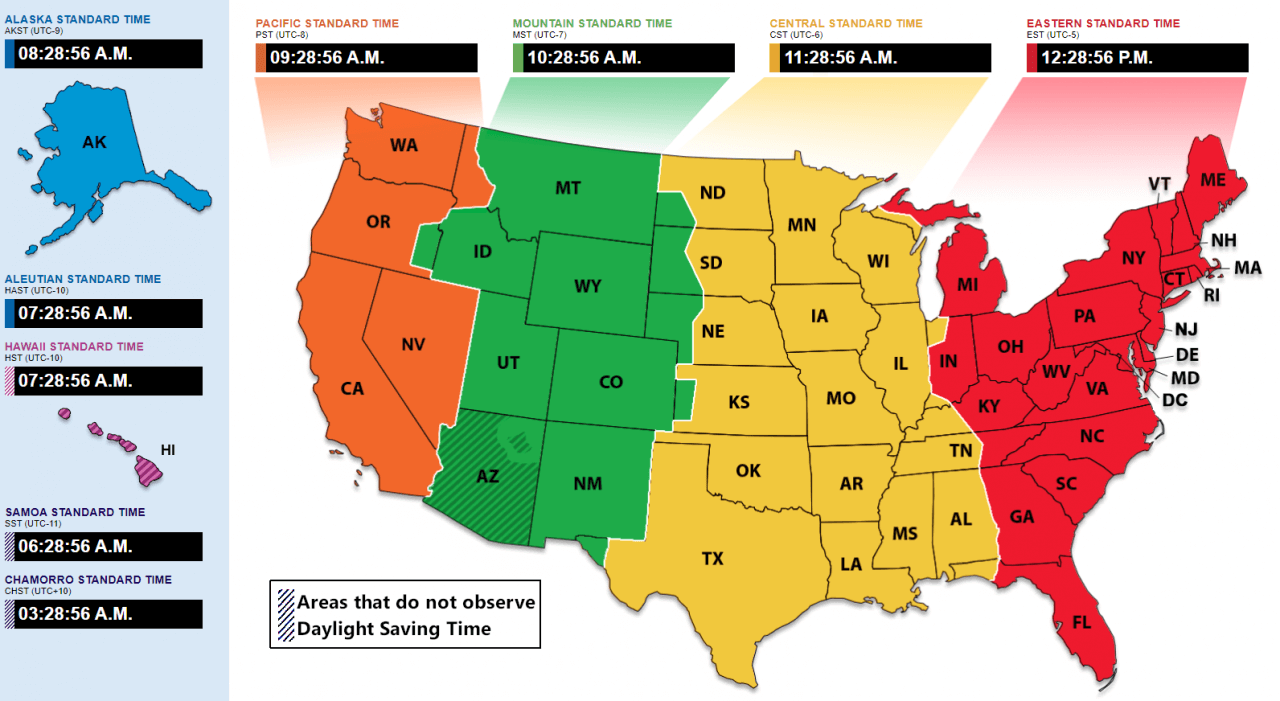
Within the contiguous United States, Los Angeles sits at the westernmost edge of the major time zones.
- Pacific Time (PT) vs. Mountain Time (MT): Denver and much of the Rocky Mountain region are one hour ahead of LA. If it’s 10:00 AM in Los Angeles, it’s 11:00 AM in Denver.
- Pacific Time (PT) vs. Central Time (CT): Chicago and the central US are two hours ahead. 10:00 AM in LA means 12:00 PM in Chicago.
- Pacific Time (PT) vs. Eastern Time (ET): The most significant difference across the contiguous US is the three-hour gap with the East Coast. When Los Angeles is waking up at 8:00 AM, New York City and Miami are already at 11:00 AM. This time difference is crucial for coordinating national events, business calls, and even simple phone calls with friends and family across the country.
International Considerations: Connecting Across Continents
For international visitors, the time difference can be substantial. Coordinated Universal Time (UTC) serves as the world’s primary time standard, against which Los Angeles is UTC-8 (PST) or UTC-7 (PDT).
- Europe: Most of Western Europe, including London (GMT) and Paris (CET), is 8 or 9 hours ahead of Los Angeles during PST, and 7 or 8 hours during PDT. This means evening in LA is already morning in Europe.
- Asia: The time difference with Asian cities like Tokyo and Shanghai is even more pronounced, with Tokyo being 17 hours ahead and Shanghai 16 hours ahead of PST. This often means communicating across an entire day.
- Australia & New Zealand: These countries are almost a full day ahead. Sydney, for example, is 19 hours ahead of PST.
These vast differences highlight the importance of careful planning for international calls, virtual meetings, and simply staying in touch with loved ones back home. A simple rule of thumb for international calls: find the few hours of overlap when both parties are awake and productive.
Seamless Travel: Practical Tips for Managing Time in LA
Mastering Los Angeles’ time zone is a key ingredient for a stress-free and enriching travel experience. Here are practical tips to help you manage your time effectively.
Pre-Trip Preparation: Research and Communication
- Check Local Time for All Bookings: Before you even leave, meticulously check all flight times, hotel reservations, tour departures, and event tickets against Los Angeles’ local time, factoring in whether it will be PST or PDT during your visit.
- Inform Contacts: If you have business meetings or are meeting friends/family in LA, ensure everyone is aware of the local time and any potential DST shifts. For those back home, give them an idea of your new time zone to manage communication expectations.
- Utilize Time Zone Converters: Online tools and apps are invaluable for quickly converting times between your home location and Los Angeles. Integrate these into your planning process.
- Set Your Devices: Adjust your phone, smartwatch, and other electronic devices to LA time before or immediately upon your departure. This psychological shift can help you adapt faster.
- Review Itinerary: Go over your daily itinerary, hour by hour, in Los Angeles local time to catch any scheduling conflicts or overlooked gaps.
On-Site Management: Staying on Schedule
- Trust Local Clocks: Once in Los Angeles, rely on local clocks and your adjusted devices. Avoid constantly calculating back to your home time zone as this can exacerbate jet lag.
- Ask if Unsure: Don’t hesitate to ask your hotel concierge, tour guide, or even a friendly local about operating hours or specific event times. It’s always better to confirm than to miss out.
- Confirm Bookings: For critical appointments or reservations, reconfirm the time the day before. This small step can prevent major headaches.
- Embrace Flexibility: While planning is crucial, Los Angeles is a city best explored with a sense of adventure. Allow for some spontaneity in your schedule, especially during PDT when the longer daylight hours invite impromptu explorations.
- Prioritize Sleep: Listen to your body and prioritize rest, especially in the first few days. A well-rested traveler is a happy and productive traveler.
By approaching your trip to Los Angeles with a clear understanding of its time zone and how it impacts everything from travel logistics to local culture, you set yourself up for an incredible and memorable experience. Whether you’re here for the sun-drenched beaches, the glitz of Hollywood, or a pivotal business venture, being on LA time is your first step to truly experiencing the City of Angels.
LifeOutOfTheBox is a participant in the Amazon Services LLC Associates Program, an affiliate advertising program designed to provide a means for sites to earn advertising fees by advertising and linking to Amazon.com. Amazon, the Amazon logo, AmazonSupply, and the AmazonSupply logo are trademarks of Amazon.com, Inc. or its affiliates. As an Amazon Associate we earn affiliate commissions from qualifying purchases.