
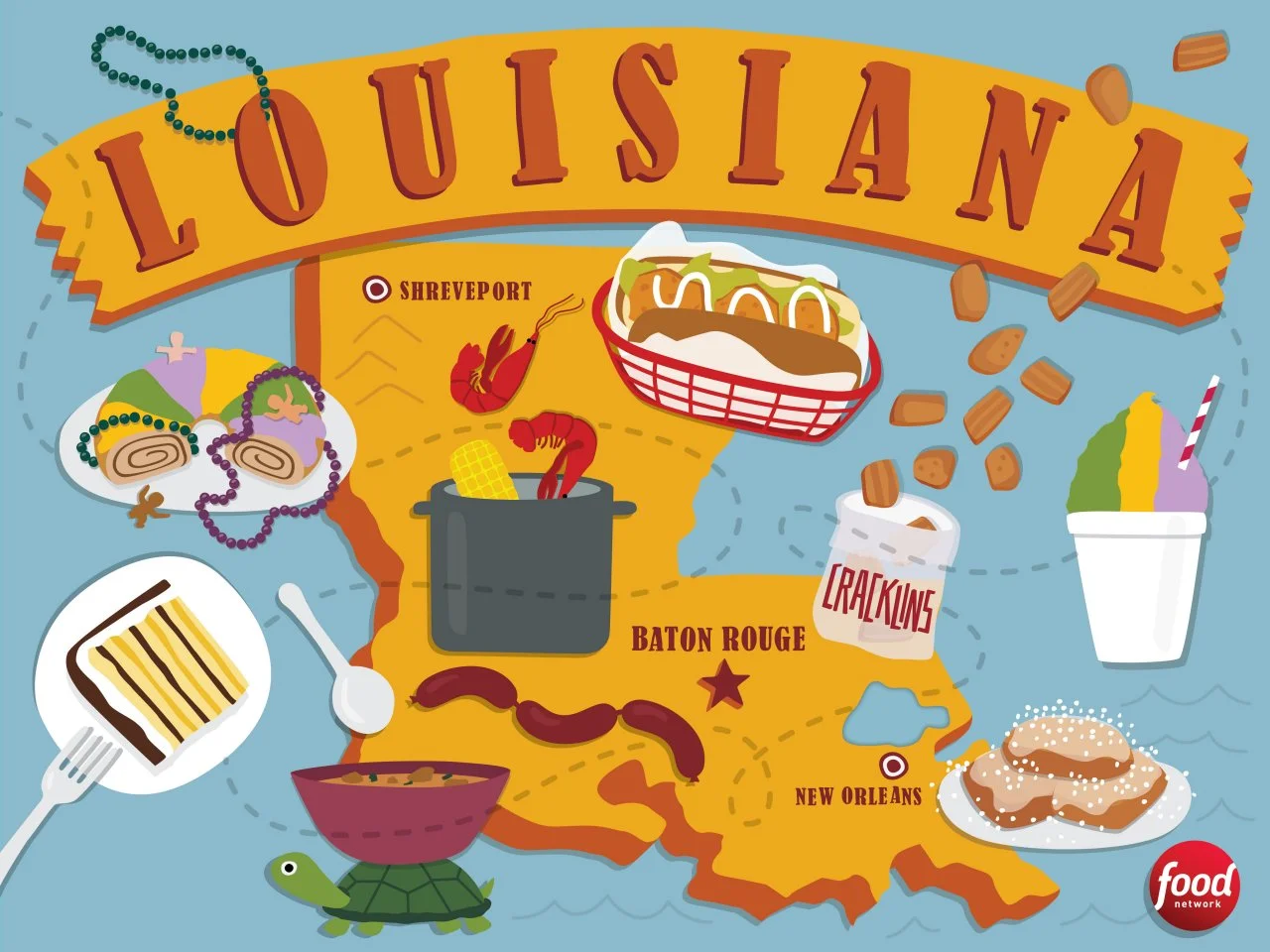
When people speak of the culinary landscape of the United States, few regions command as much reverence or possess as distinct a flavor profile as Louisiana. This is a place where food is not merely a source of sustenance; it is a cultural anchor, a history lesson served on a plate, and a communal ritual that bridges the gap between the past and the present. From the swampy bayous to the vibrant streets of New Orleans, the state offers a gastronomic journey that is as complex as the mix of cultures that founded it.
The Foundations of Creole and Cajun Cuisine
To understand the food of Louisiana, one must first distinguish between the two pillars of its kitchen: Creole and Cajun. While often used interchangeably by visitors, they represent different social, historical, and environmental origins.
The Refinement of Creole Cooking
Creole cuisine is the “city food” of New Orleans. Born from the kitchens of the wealthy, it reflects a blend of French, Spanish, African, and Caribbean influences. It is often characterized by the use of tomatoes, butter, and a more delicate, sophisticated approach to seasoning. The hallmark of a great Creole dish is the “Holy Trinity”—a base of onions, bell peppers, and celery—sautéed to provide a savory foundation for sauces and stews.
The Hearty Spirit of Cajun Traditions
Cajun cuisine is the “country food” of the Acadiana region. It is the legacy of the Acadians—French settlers who migrated from Canada to the swampy wilderness of the Gulf Coast. Out of necessity, this cuisine focused on what could be caught, hunted, or grown in the marshes. It is bolder, spicier, and traditionally lacks tomatoes. The focus here is on the roux, a slow-cooked mixture of flour and fat that serves as the backbone of gumbo and étouffée, providing a deep, nutty richness that defines the rustic flavor of the region.
Iconic Dishes That Define the State
Visitors traveling through Baton Rouge, Lafayette, or the French Quarter will find a menu of essential experiences. Each dish serves as a testament to the local geography and the agricultural bounty of the Mississippi River delta.
Gumbo and Etouffee
Gumbo is perhaps the most famous ambassador of the state. It is a thick, soup-like stew that defies strict definitions; it can be made with seafood, chicken, sausage, or even wild game. Depending on the region, it might be thickened with okra, filé powder (ground sassafras leaves), or just a dark, mahogany-colored roux. Étouffée, on the other hand, is a smothering dish. Often made with crawfish or shrimp, the seafood is “smothered” in a buttery, flavorful sauce and served over white rice. It is a dish that highlights the freshness of the local catch.
The Art of the Po-Boy and Muffuletta
The sandwich culture in Louisiana is unmatched. The Po-Boy, a staple born during the streetcar strikes of the early 20th century, consists of crisp, crusty French bread stuffed with anything from fried oysters and shrimp to roast beef with “debris” gravy. Then there is the Muffuletta, a towering creation invented at Central Grocery in New Orleans. Featuring a round, sesame-seeded loaf layered with cured meats, provolone, and a zesty olive salad, it is an essential part of any culinary itinerary.

The Crawfish Boil and Seafood Culture
One cannot discuss the food of this region without mentioning the crawfish. For the residents of the Bayou State, a crawfish boil is more than a meal—it is a social event. Typically held in the spring, these outdoor gatherings involve boiling sacks of live crawfish in massive pots filled with water, lemons, garlic, onions, potatoes, corn, and aggressive amounts of seasoning.
Fresh from the Gulf
The proximity to the Gulf of Mexico ensures that seafood is always the star of the show. Oysters are consumed in every imaginable fashion: raw on the half-shell, baked with garlic butter and parmesan (Oysters Rockefeller), or fried to perfection. Blue crabs, shrimp, and alligator—a uniquely local delicacy—also find their way into stews, appetizers, and main courses, showcasing the state’s deep connection to the water.
Sweets and the Influence of French Patisserie
After indulging in the savory, spicy, and salty elements of a Louisiana meal, the state’s dessert culture offers a sweet conclusion. The influence of France is most evident here, yet it is interpreted through a uniquely local lens.
Beignets and Pralines
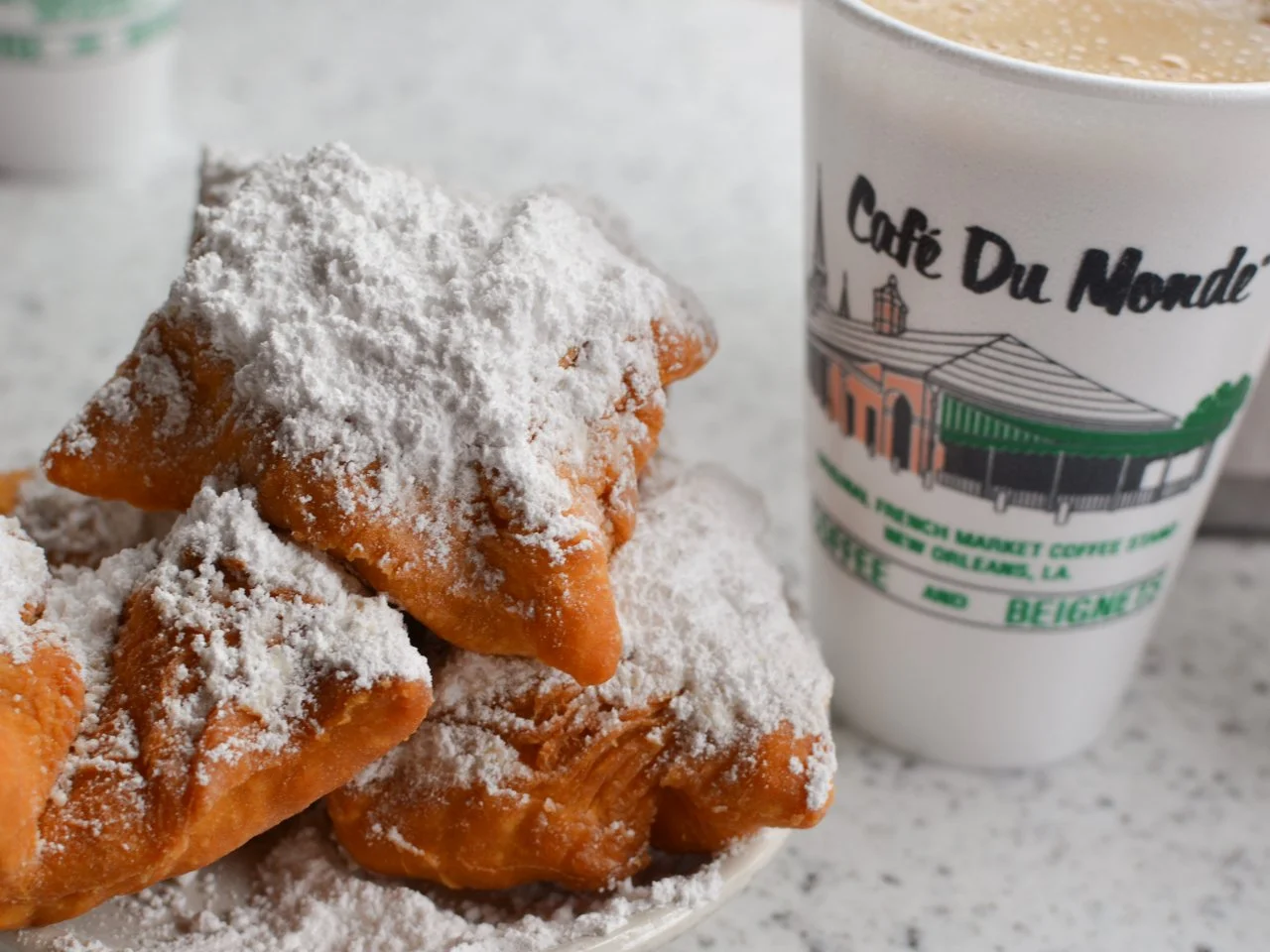
No trip to Jackson Square is complete without a stop at Cafe Du Monde for beignets. These deep-fried dough pillows, buried under a mountain of powdered sugar, are best enjoyed with a dark, chicory-infused café au lait. For those with a sweet tooth, pralines—a sugary confection made of pecans, cream, and brown sugar—are a constant presence. These treats have been refined over generations and remain a symbol of the hospitality found throughout the Deep South.
Bread Pudding and King Cake
Bread pudding is the quintessential comfort dessert, often elevated by local bakers with ingredients like bananas foster sauce, bourbon, or dark chocolate. Meanwhile, the King Cake—a colorful, ring-shaped pastry traditionally enjoyed during the Mardi Gras season—has transcended its religious origins to become a year-round celebration of local baking traditions. Whether filled with cream cheese, fruit, or pralines, it represents the festive, joyous spirit that permeates the local culinary identity.
Why Food is the Heartbeat of the Region
Ultimately, the food of Louisiana is an expression of resilience and heritage. The ability of the local population to transform simple, seasonal ingredients into world-class cuisine is a reflection of a people who celebrate life with gusto. From the high-end dining rooms of Commander’s Palace to the quiet, family-run cafes tucked away in the Atchafalaya Basin, the food culture remains grounded in the belief that a good meal is the most important part of the day.
For the traveler, exploring these dishes is the best way to understand the soul of the region. Every bite of jambalaya, every slice of King Cake, and every bowl of gumbo tells a story of survival, innovation, and an unwavering commitment to flavor. It is a culinary map that leads directly to the heart of what makes this state so singularly captivating. By embracing the flavors, techniques, and traditions of the local kitchen, visitors do more than eat; they participate in a vibrant, living history that continues to evolve with every passing season.
LifeOutOfTheBox is a participant in the Amazon Services LLC Associates Program, an affiliate advertising program designed to provide a means for sites to earn advertising fees by advertising and linking to Amazon.com. Amazon, the Amazon logo, AmazonSupply, and the AmazonSupply logo are trademarks of Amazon.com, Inc. or its affiliates. As an Amazon Associate we earn affiliate commissions from qualifying purchases.