
Louisiana, a state renowned for its vibrant culture, historical significance, and distinctive culinary scene, presents a complex economic landscape that directly impacts its workforce. Understanding the intricacies of the Louisiana minimum wage is crucial for both employers and employees navigating this unique environment. While the state itself has not enacted its own minimum wage law, it operates under a federal framework, supplemented by various state-specific regulations that can influence the effective hourly rate for many workers. This creates a dynamic where the lowest legally permissible wage is often determined by a confluence of national standards and state-level considerations.
Federal Foundation of Louisiana’s Minimum Wage
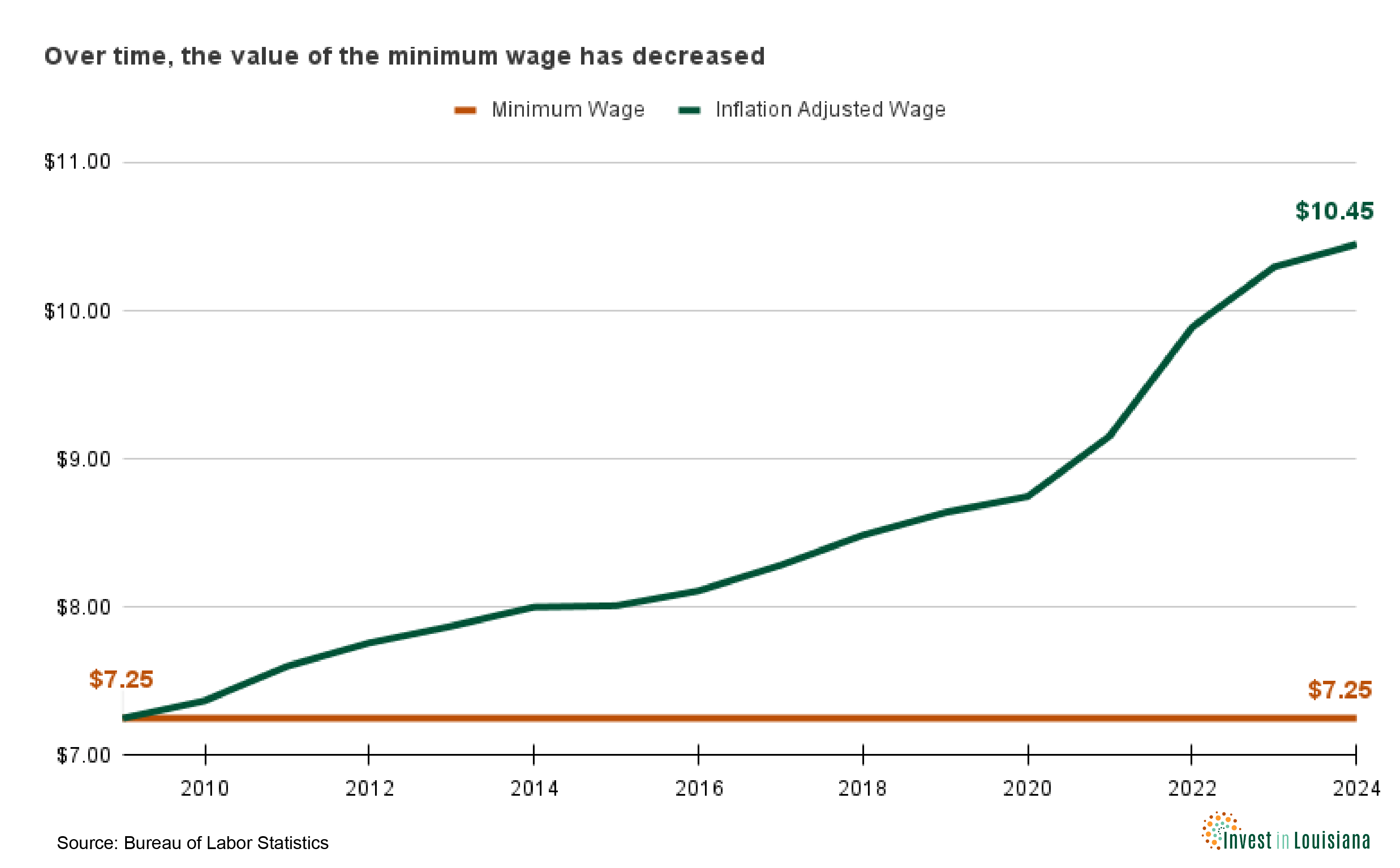
The bedrock of minimum wage law in the United States is the Fair Labor Standards Act (FLSA) of 1938. This landmark legislation established a national minimum wage that all covered, non-exempt employees are entitled to receive. For Louisiana, this means the federal minimum wage serves as the baseline. As of the latest adjustments, the federal minimum wage stands at $7.25 per hour. This rate applies to virtually all workers in Louisiana unless they fall under specific exemptions or are entitled to a higher rate due to other state or local ordinances.
The $7.25 Baseline
The $7.25 per hour federal minimum wage is a critical figure for any business operating within Louisiana. Employers are legally obligated to ensure that their non-exempt employees are paid at least this amount for all hours worked. This includes employees in a wide array of sectors, from service industries in cities like New Orleans and Baton Rouge to those in manufacturing and retail across the state. The FLSA sets forth detailed rules regarding what constitutes “hours worked,” ensuring that employees are compensated for all time spent performing duties for their employer, including training, travel between work locations, and waiting time if it’s an integral part of their job.
Exemptions Under the FLSA
It’s important to note that the FLSA includes several exemptions from the minimum wage and overtime provisions. These typically apply to individuals employed in certain executive, administrative, professional, outside sales, and computer roles, provided they meet specific salary and duty tests. Additionally, certain categories of workers, such as independent contractors, agricultural laborers in specific contexts, and some employees of small businesses, may also be exempt. Employers in Louisiana must carefully assess their employees’ roles and compensation structures to determine FLSA coverage and compliance. Misclassification of employees as independent contractors, for example, can lead to significant legal and financial penalties.
State-Specific Considerations and Nuances
While Louisiana has not established a state-specific minimum wage rate, this does not mean the federal rate is the only factor. There are various state laws and regulations that interact with or supplement the federal minimum wage, particularly concerning specific industries or employee types. Understanding these nuances is key to ensuring full compliance and fair compensation for all workers.
Tipped Employees in Louisiana

A significant area of consideration in Louisiana, as in many other states, is the minimum wage for tipped employees. The FLSA allows employers to pay a lower direct cash wage to employees who customarily and regularly receive more than $30 per month in tips. This “tip credit” provision means that employers can pay a direct cash wage as low as $2.13 per hour, provided that the employee’s tips, combined with the direct cash wage, equal at least the federal minimum wage of $7.25 per hour.
However, there are strict requirements associated with the tip credit. Employers must inform employees about this tip credit provision, and the employee’s tips must actually total at least the difference between the cash wage and the full minimum wage. If an employee does not receive enough in tips to reach the $7.25 per hour threshold, the employer is legally obligated to make up the difference. Furthermore, any mandatory service charges that are distributed to employees typically do not count as tips and must be paid as wages. This distinction is crucial for restaurants, bars, and other hospitality businesses in popular tourist destinations like New Orleans and along the Gulf Coast.
Public Contracts and Prevailing Wages
Another area where wages in Louisiana might exceed the federal minimum wage involves public works contracts. State and local government entities often require contractors on public projects to pay their workers a “prevailing wage.” This wage is determined by surveying wages paid to laborers and mechanics in the locality and is intended to ensure that workers on public projects are compensated at rates comparable to those in similar private sector jobs. While not a minimum wage in the traditional sense, it functions as a higher floor for wages on specific types of employment. Projects funded by the state government or its agencies, such as road construction or public building maintenance, would fall under these prevailing wage requirements.
Impact on Industries and the Economy
The minimum wage, even at the federal level, has a profound impact on various industries within Louisiana. Low-wage sectors, such as hospitality, retail, and food service, are most directly affected. The state’s rich tourism industry, centered around attractions like the French Quarter and the Mardi Gras celebrations, relies heavily on a workforce that often earns at or near the minimum wage.
Challenges and Opportunities for Businesses
For businesses in Louisiana, adhering to minimum wage laws involves careful payroll management and a clear understanding of labor regulations. Businesses that operate solely within the state and do not engage in interstate commerce are generally subject to the federal minimum wage. However, as mentioned, specific employment arrangements or contractual obligations can necessitate higher pay.
The debate around minimum wage often centers on its impact on employment levels and business costs. Proponents argue that a higher minimum wage can boost consumer spending, reduce poverty, and increase worker morale and productivity. Critics express concerns that it can lead to job losses, reduced hours, and increased prices for goods and services, particularly for small businesses with tight margins. In Louisiana, the economic dynamics of these sectors are closely watched, with businesses constantly adapting to wage pressures and labor market conditions.
The Role of Labor and Economic Development
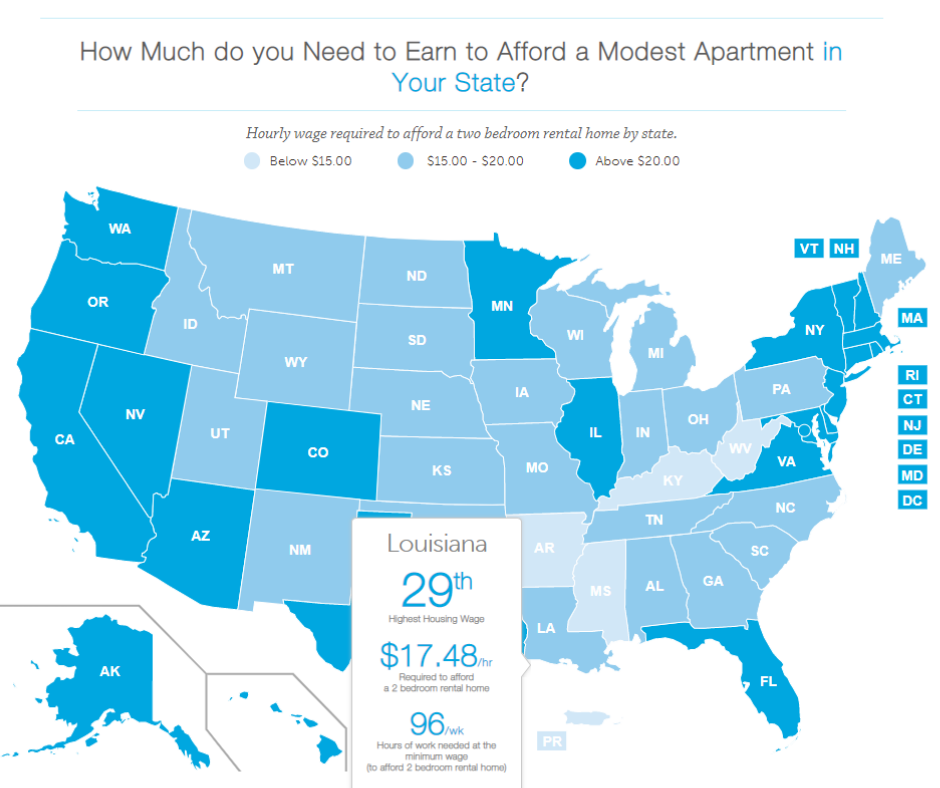
The minimum wage is a significant factor in discussions about economic development and labor standards. For many residents of Louisiana, particularly those in entry-level positions, the minimum wage represents a critical component of their household income. Efforts to improve the economic well-being of the state’s population often involve exploring ways to increase earning potential, which can include advocating for higher minimum wage standards or supporting initiatives that promote skill development and higher-paying job creation.
The lack of a state-specific minimum wage in Louisiana means that the federal rate of $7.25 per hour remains the primary legal standard for most workers. However, the complexities surrounding tipped employees and prevailing wages for public contracts highlight the layered nature of wage regulations. Employers must remain diligent in understanding all applicable laws to ensure compliance and to foster a fair and equitable working environment across the diverse economic landscape of the Pelican State. As economic conditions and labor policies evolve, staying informed about wage requirements is essential for all stakeholders.
LifeOutOfTheBox is a participant in the Amazon Services LLC Associates Program, an affiliate advertising program designed to provide a means for sites to earn advertising fees by advertising and linking to Amazon.com. Amazon, the Amazon logo, AmazonSupply, and the AmazonSupply logo are trademarks of Amazon.com, Inc. or its affiliates. As an Amazon Associate we earn affiliate commissions from qualifying purchases.