
When travelers descend upon the humid, vibrant streets of New Orleans, their senses are immediately met with a symphony of aromas. While the city is world-renowned for its gumbo, jambalaya, and étouffée, there is a specific, zesty component that defines the flavor profile of the region’s most popular finger food: the Louisiana rub. This dry seasoning blend is the backbone of the local wing and seafood culture, acting as a bridge between the fiery intensity of Cajun traditions and the aromatic complexity of Creole cuisine.
Understanding Louisiana rub requires moving beyond the simple concept of “spicy.” It is an intentional layering of herbs, heat, and acidity that transforms simple fried chicken or boiled seafood into a signature experience of Louisiana.
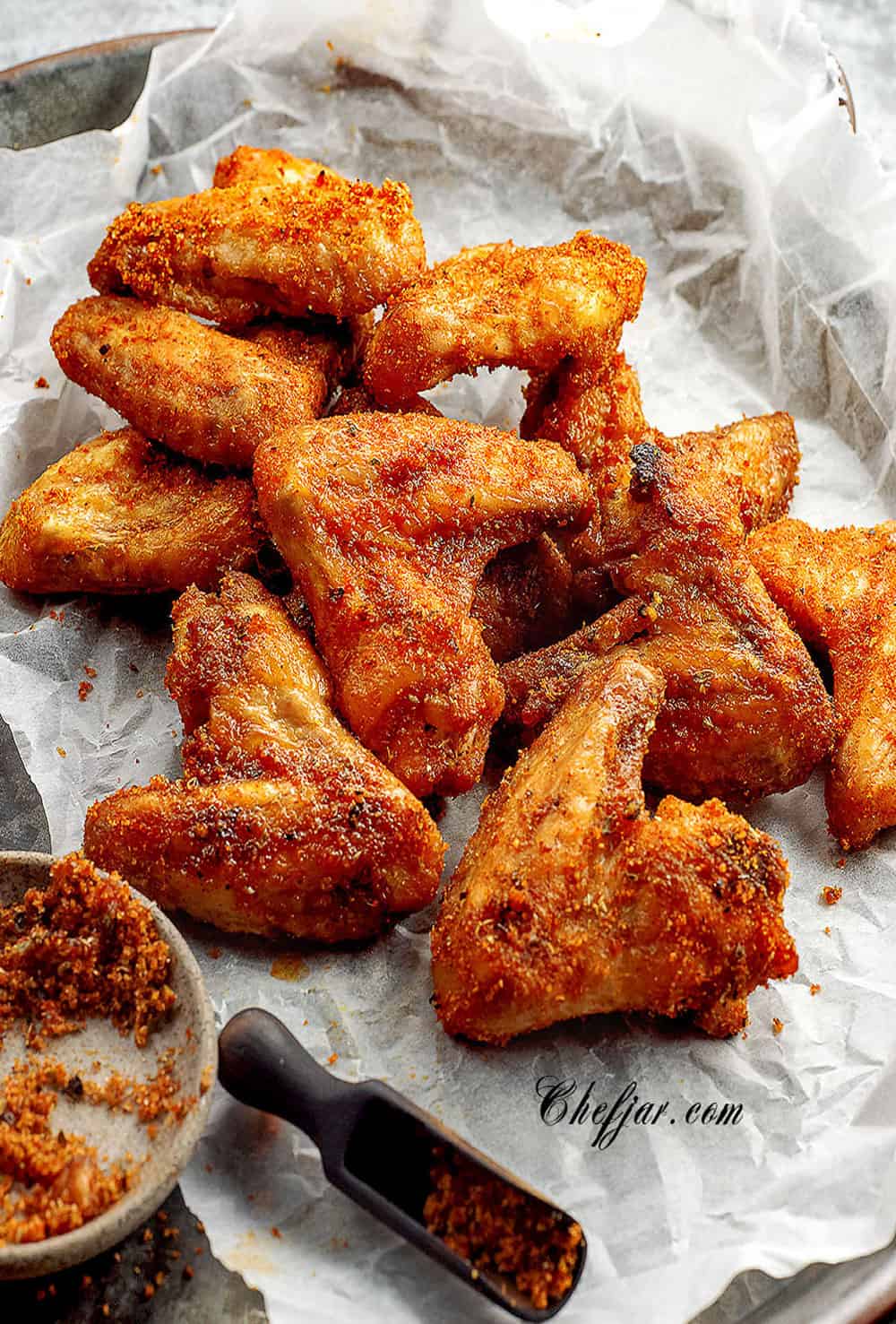
The Anatomy of a Classic Louisiana Rub
A true Louisiana rub is not merely a powder; it is a chemistry project. Unlike wet sauces, which coat the palate in sugar or vinegar-based liquid, a dry rub relies on the texture of the meat and the rendering of fats to become a flavorful crust.
The Foundation: Heat and Herb Balance
At its heart, the blend begins with a smoked paprika base, providing a deep, crimson hue and a subtle earthiness. To this, chefs add a significant amount of cayenne pepper. In the United States, the heat level in a Louisiana rub is often adjusted based on the specific neighborhood, but the inclusion of cayenne is non-negotiable. It provides that signature sharp, tingling sensation on the tongue that signals an authentic Southern preparation.
Dried oregano and thyme are the primary herbaceous notes. These botanicals bring a hint of the French and Spanish influence that defines the history of the Gulf Coast. They act as a grounding force against the aggressiveness of the pepper, ensuring the blend remains aromatic rather than just abrasive.
The Secret Weapon: Acidity and Salt
The most distinct feature of a high-quality Louisiana rub is its acidity. Many versions incorporate dehydrated lemon peel or citric acid. This mimics the squeeze of a fresh lemon that locals traditionally add to their crawfish boils or fried catfish. When the rub hits a hot piece of fried chicken, the heat activates the dehydrated citrus, creating a bright, tangy finish that cuts through the richness of the frying oil.
The Cultural Significance of Dry Seasoning in the South
To understand why this rub is so revered, one must look at the way Southern food is consumed. It is rarely about fine dining; it is about community, festivals, and the “Sunday supper.”
From Backyard Boils to Fine Dining
Louisiana rub is the unsung hero of the neighborhood crawfish boil. When a massive pot of mudbugs is drained and dumped onto a newspaper-covered table, the seasoning is what keeps guests coming back for more. In professional kitchens, the rub has been elevated, applied to artisan fried chicken that is then drizzled with a tiny amount of local honey or hot sauce, creating a sweet-and-savory dynamic that is now famous across North America.

The Influence of Creole and Cajun Heritage
There is a profound difference between Cajun and Creole cooking, and the Louisiana rub sits precisely in the middle. Cajun influences—rooted in the rustic, hearty cooking of the rural bayous—bring the heavy-handed use of garlic powder and onion powder to the rub. Creole influences—coming from the more sophisticated, urbane kitchens of French Quarter establishments—introduce a more complex blend of secret spices, often including mace, nutmeg, or white pepper. The resulting “Louisiana” style is a beautiful, democratic middle ground that satisfies both the backyard cook and the executive chef.
How to Properly Apply the Rub
The application of the rub is just as important as the recipe itself. There is a technique to ensuring the seasoning adheres correctly, and it is a method practiced by the masters of Southern cuisine.
The “Dry-to-Wet” Method
For the best results, the meat must be slightly damp before the rub is applied. This is why many restaurants in Baton Rouge or Lafayette toss their fried food in a tiny amount of melted butter or clarified fat immediately after it leaves the fryer. This step acts as a binder. Once the fat is applied, the rub is tossed over the food, allowing the spice particles to bloom in the residual heat.
Resting and Marinating
While dry rubs are often thought of as a final touch, they are at their best when given time to work. If you are preparing chicken for a home-style meal, applying the rub an hour before cooking allows the salt in the blend to draw moisture out and then re-absorb it, effectively “dry-brining” the meat. This infuses the flavor deep into the muscle fibers, rather than having it sit only on the surface skin.
Exploring the Regional Variations
If you travel from Shreveport in the north to the coastal towns of Morgan City, you will find that the Louisiana rub evolves with the geography.
- The Northern Variation: In the northern regions, there is a tendency toward a smokier flavor profile, often utilizing smoked paprika and sometimes a touch of brown sugar to counterbalance the bite of the spices.
- The Coastal Variation: Near the coast, the rub is often heavier on celery salt and dried parsley, reflecting the ingredients available in the local seafood markets.
- The Urban Variation: In the densely populated culinary hubs like New Orleans, the rub is often a guarded secret. You will frequently find versions that include toasted garlic flakes and even a hint of pulverized dried shrimp, which provides a massive dose of umami that elevates the seasoning to another level.

Why Travelers Seek Out This Flavor
For the average tourist, a Louisiana rub is more than just a seasoning; it is a souvenir. It represents the “taste” of the American South. When you eat a dish seasoned with this blend, you are tasting a history of trade routes, agricultural bounty, and the blending of cultures that has defined this corner of the world for centuries.
Whether you are eating at a roadside shack or a white-tablecloth restaurant, the consistency of this flavor profile serves as a warm welcome. It is a bold, unapologetic, and vibrant taste that perfectly reflects the spirit of the people who live there. The next time you find yourself ordering a basket of wings or a plate of fried seafood, take a moment to smell the rub. You will detect the citrus, the smoke, the heat, and the history—all packed into a simple, golden-brown crust. It is the culinary signature of a state that takes its flavor very seriously.
LifeOutOfTheBox is a participant in the Amazon Services LLC Associates Program, an affiliate advertising program designed to provide a means for sites to earn advertising fees by advertising and linking to Amazon.com. Amazon, the Amazon logo, AmazonSupply, and the AmazonSupply logo are trademarks of Amazon.com, Inc. or its affiliates. As an Amazon Associate we earn affiliate commissions from qualifying purchases.