
When planning a journey to the vibrant heart of the United States south, travelers often focus on the soulful sounds of jazz, the aroma of spicy crawfish, and the haunting beauty of moss-draped cypress trees. However, a savvy tourist knows that the logistical side of travel is just as important as the itinerary. One of the most common questions for those visiting the Pelican State is: what is Louisiana sales tax, and how does it affect the overall cost of a vacation?
Understanding the tax structure in Louisiana is not merely a matter of mathematics; it is an essential part of navigating the local culture, especially when it comes to the state’s legendary shopping and dining scenes. From the historic streets of the French Quarter to the modern corridors of the Mall of Louisiana, sales tax is a constant companion to your transactions.
Understanding the Basics of Louisiana Sales Tax for Visitors
For many international and even domestic visitors, the way sales tax is applied in the United States can be confusing. Unlike many countries where the Value Added Tax (VAT) is included in the displayed price, sales tax in Louisiana is added at the point of sale. This means the price you see on a tag in New Orleans or Baton Rouge is not the final price you will pay at the register.
How State and Local Rates Intersect
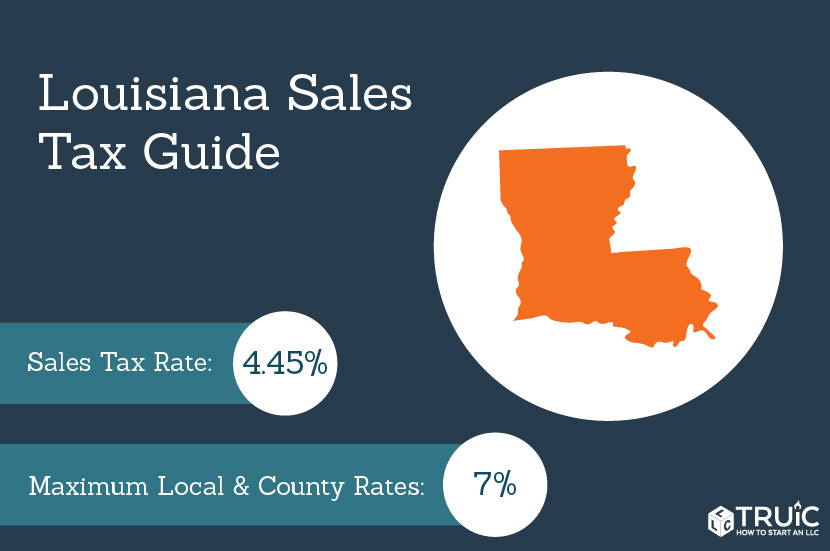
The total sales tax rate in Louisiana is a combination of a statewide rate and additional local rates. As of the current period, the state of Louisiana levies a base sales tax of 4.45%. However, visitors rarely pay just this amount. Local jurisdictions—which include parishes (the equivalent of counties) and municipalities—add their own percentages to support local infrastructure, schools, and tourism initiatives.
In popular tourist hubs like New Orleans, the combined sales tax can exceed 9%. This might seem high, but these funds often go directly into maintaining the very attractions that draw millions of people to the city, such as the Audubon Aquarium or the preservation of the historic Garden District. When you are budgeting for a shopping spree at the Lakeside Shopping Center, it is wise to factor in an approximate 10% buffer to cover these costs.
The Impact on Dining and Local Goods
Louisiana is world-renowned for its culinary offerings. Whether you are grabbing a quick po’boy in Lafayette or enjoying a fine dining experience near the Mississippi River, sales tax applies to prepared food. In certain “Economic Development Districts,” there might be an additional small percentage added to help fund specific local improvements.
For the cultural tourist, this means that the “sticker price” of a meal or a piece of local art is only the beginning. It is also important to note that while some states exempt groceries or clothing from sales tax, Louisiana generally applies tax to most tangible personal property. This includes souvenirs, apparel, and even those famous Mardi Gras beads you might purchase in Shreveport or Lake Charles.
The Louisiana Tax Free Shopping Program: A Major Perk for International Travelers
One of the most unique aspects of tourism in the state is the Louisiana Tax Free Shopping (LTFS) program. Louisiana was the first state in the United States to offer sales tax refunds to international visitors, making it a premier destination for global shoppers. This program effectively allows international tourists to get a refund on the state sales tax, and in many cases, the local sales tax as well.
Eligibility and Required Documentation
To take advantage of this benefit, you must be a foreign visitor. This is defined as someone who is not a resident of the United States and who is traveling with a valid foreign passport and a round-trip international ticket (or an electronic ticket). The process is relatively straightforward but requires a bit of diligence during your travels.
When you shop at a participating “tax-free” merchant—look for the specialized red, white, and blue LTFS sign—you must present your passport at the time of purchase. The retailer will then provide you with a specialized voucher. You must keep these vouchers along with your original receipts. Whether you are buying high-end fashion at The Outlet Collection at Riverwalk or local crafts, these documents are your ticket to a refund.
Where to Find Refund Centers in the State
Collecting your refund is the final step of the process. There are several refund centers located throughout the state for your convenience. The most common point of departure for international guests is the Louis Armstrong New Orleans International Airport, which houses a dedicated refund center.
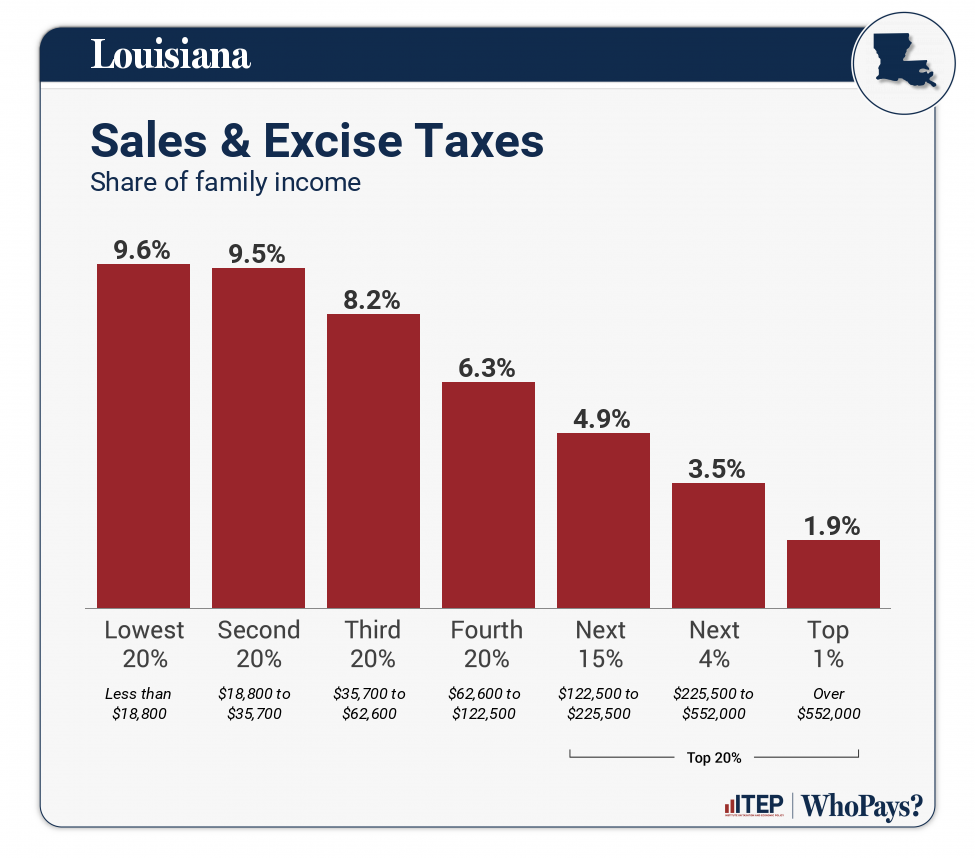
Other locations include major shopping destinations and downtown centers in cities like New Orleans and Baton Rouge. Depending on the amount of the refund, you may receive cash on the spot (for amounts under $500) or a check mailed to your home address. This program makes Louisiana an incredibly competitive destination for luxury shopping compared to other states in the United States.
Budgeting for Your Trip: Sales Tax in Major Louisiana Destinations
While the state rate is consistent, the local additions vary significantly as you travel across Louisiana. A tourist moving from the northern part of the state to the southern coast will notice subtle changes in their receipts.
Shopping in New Orleans and Baton Rouge
In New Orleans, the sales tax is generally the highest in the state due to the heavy reliance on tourism to fund city services. When you visit landmarks like Jackson Square, expect the tax on nearby gift shops and cafes to reflect this. However, the density of attractions makes the slightly higher tax worthwhile.
Baton Rouge, the state capital, offers a slightly different tax landscape. While it is a hub for government and education, it also features massive retail centers like the Mall of Louisiana. Shopping here provides a classic American mall experience with a Louisiana twist. After visiting the Louisiana State Capitol, many tourists head to the local boutiques, where the tax rate is competitive with other major Southern cities.
Festivals and Temporary Vendor Taxes
Louisiana is the festival capital of the world. From Mardi Gras to the New Orleans Jazz and Heritage Festival, there is always a celebration happening. If you are purchasing goods from temporary vendors at these events, the sales tax is still applicable.
In fact, at large-scale events, the tax is often already “rolled into” the price for the sake of speed and convenience, particularly for small items like food and drinks. However, for larger purchases like original paintings or handmade furniture found at a festival in Lafayette, you should expect the tax to be calculated at the point of sale based on the local parish rate.
Practical Tips for Navigating the Cost of Tourism in the Pelican State
To make the most of your budget, it is helpful to understand not just what the tax is, but how it interacts with other tourism-related costs. Louisiana offers incredible value, but the “hidden” costs can add up if you aren’t prepared.
Hidden Costs in Tourism Services
Beyond general sales tax, Louisiana applies specific taxes to tourism services. For example, when you book a stay at a luxury destination like the Roosevelt Hotel or a cozy bed and breakfast in the Faubourg Marigny, you will encounter an “Occupancy Tax.” This is a specialized tax on hotel rooms that varies by parish. In New Orleans, this often includes a nightly fee that supports the Ernest N Morial Convention Center.
Similarly, car rentals in the United States and specifically in Louisiana often come with various surcharges and taxes that can nearly double the base daily rate. If you are planning a road trip to see the Atchafalaya Basin, always look for the “total price including taxes and fees” when booking your vehicle.
Maximizing Your Value while Exploring Louisiana
While taxes are unavoidable, there are ways to maximize the value of your dollar. Focus on the wealth of free cultural experiences the state offers. Walking through the French Quarter, listening to street performers, or visiting the City Park in New Orleans costs nothing in sales tax.
For those focused on shopping, timing your visit to coincide with “Sales Tax Holidays” can be beneficial. Occasionally, the state of Louisiana will suspend a portion of the state sales tax for a weekend, usually focused on “Back to School” items or “Hurricane Preparedness” supplies. While these might not always align with a tourist’s needs, they can offer significant savings on certain electronics or clothing if you happen to be in town during these events.
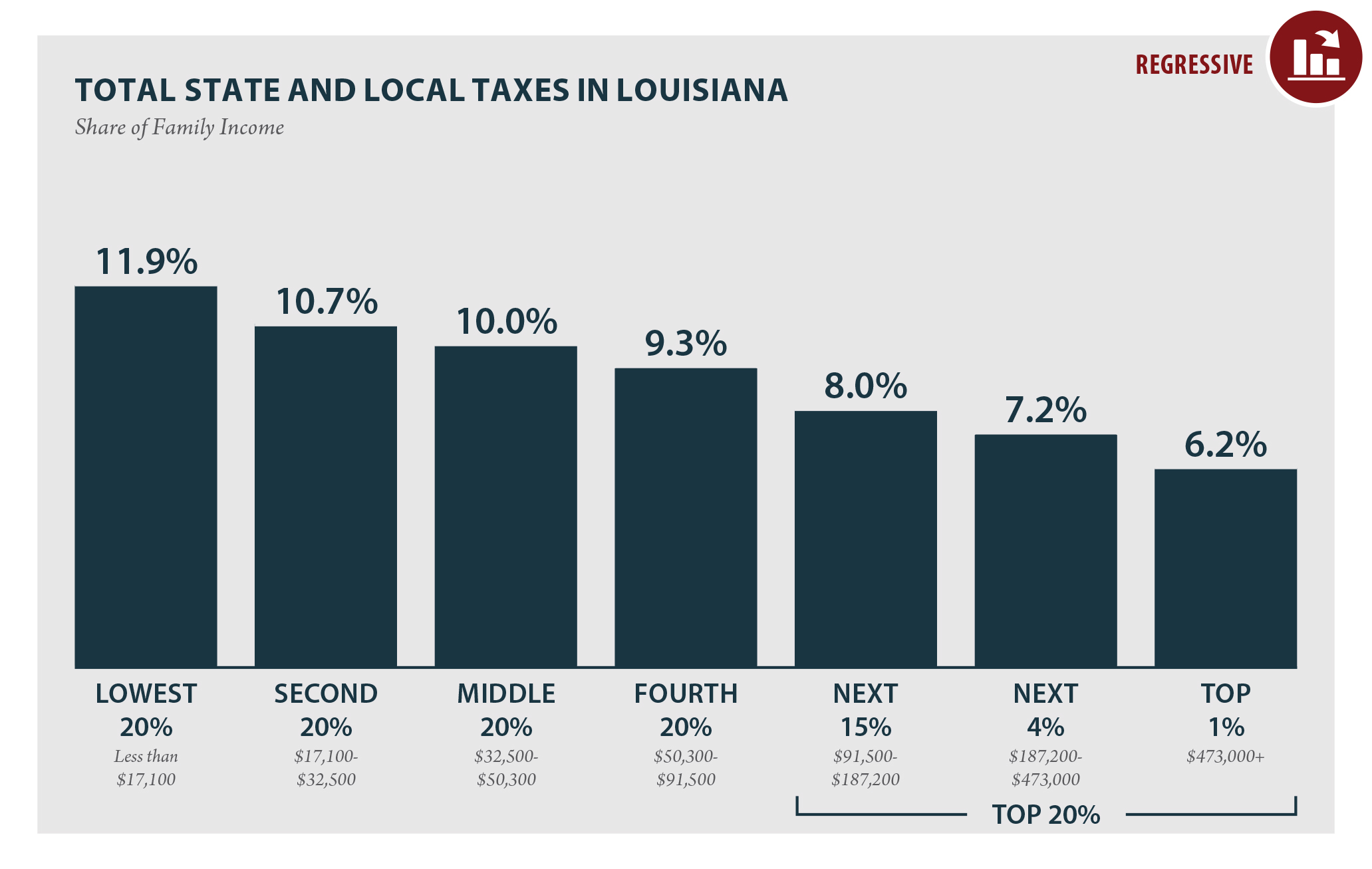
In conclusion, while the question “What is Louisiana sales tax?” might seem like a dry inquiry into fiscal policy, it is actually a gateway to understanding the economy of one of the most culturally rich states in the United States. By factoring in the 9-10% combined rate for your shopping and dining, and utilizing the Tax Free Shopping program for international visits, you can ensure that your financial planning is as smooth as a boat ride through the bayou. Whether you are exploring the neon lights of Shreveport or the historic corridors of Baton Rouge, being tax-savvy allows you to focus on what really matters: the unforgettable experiences that Louisiana provides.
LifeOutOfTheBox is a participant in the Amazon Services LLC Associates Program, an affiliate advertising program designed to provide a means for sites to earn advertising fees by advertising and linking to Amazon.com. Amazon, the Amazon logo, AmazonSupply, and the AmazonSupply logo are trademarks of Amazon.com, Inc. or its affiliates. As an Amazon Associate we earn affiliate commissions from qualifying purchases.