
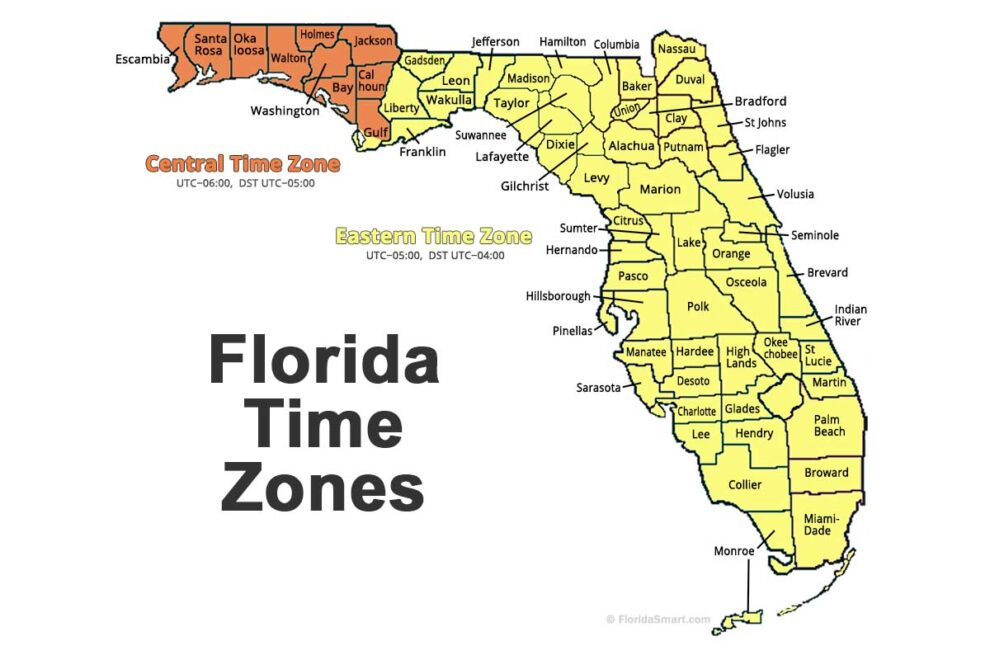
Welcome to Miami, the Magic City, a vibrant metropolis pulsating with Latin flair, art-deco glamour, and endless sunshine. Whether you’re planning a lavish getaway, a family adventure, or a business trip, understanding the local time zone is more than just a trivial detail; it’s a cornerstone for a seamless and enjoyable experience. From coordinating flights and hotel check-ins to maximizing your time exploring stunning landmarks and savoring delectable cuisine, being in sync with Miami’s clock is key. So, let’s cut to the chase: Miami operates on Eastern Standard Time (EST) for a significant portion of the year, transitioning to Eastern Daylight Time (EDT) during the warmer months. This guide will delve into the intricacies of Miami’s time zone, offering practical advice for travelers and insights into how the city’s rhythm influences its unique lifestyle and myriad attractions.
Understanding Miami’s Time Zone: EST/EDT
At its core, Miami’s time zone alignment with the East Coast of the United States positions it within a widely recognized and easily navigable system for most North American travelers. However, the biennial shift between standard and daylight saving time is where many find themselves needing clarification.
The Basics of Eastern Standard Time (EST)
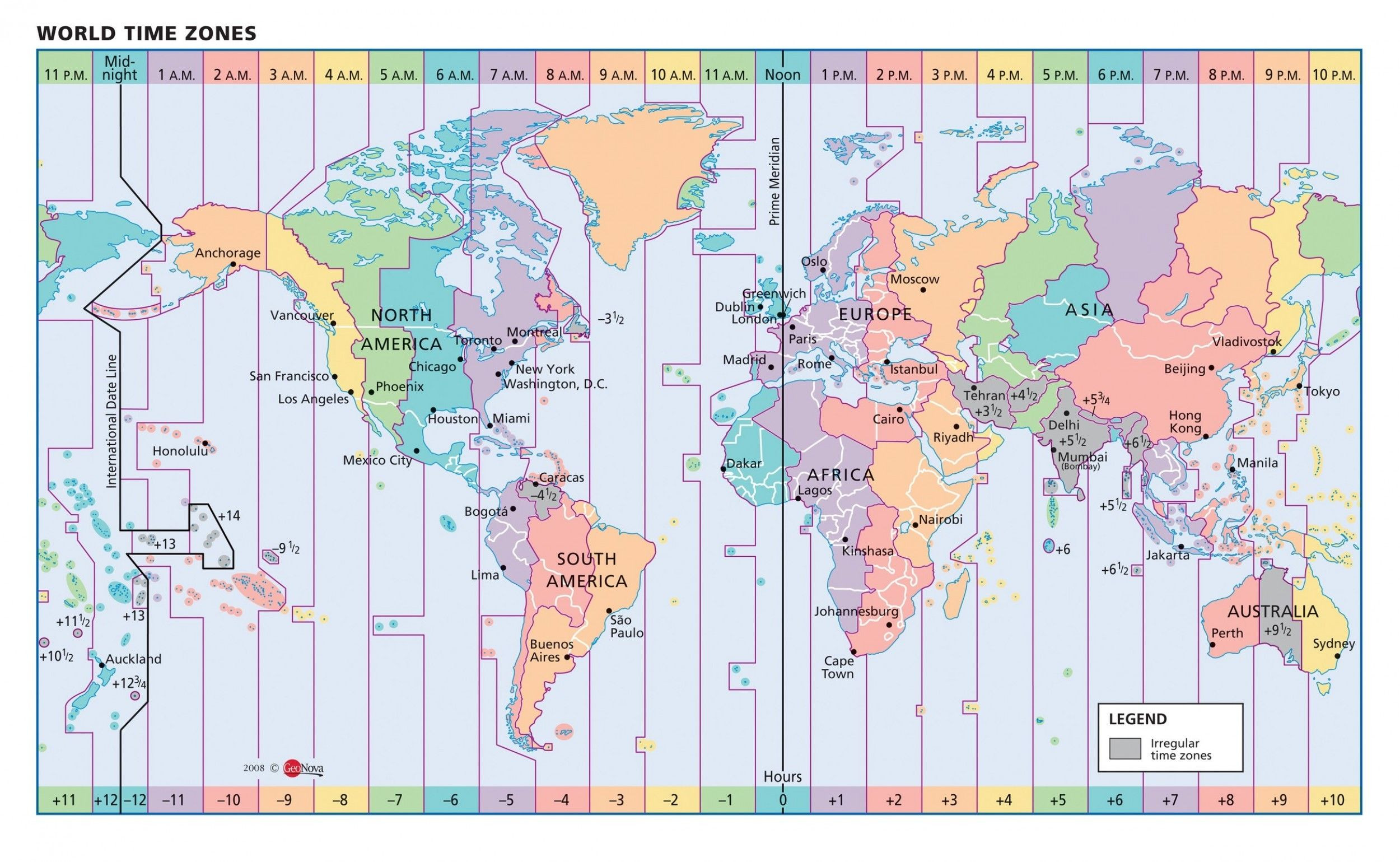
During the fall and winter months, typically from early November to mid-March, Miami observes Eastern Standard Time (EST). This time zone is defined as UTC-5, meaning it is five hours behind Coordinated Universal Time. For travelers coming from regions west of the EST zone, such as the Central, Mountain, or Pacific time zones, this will involve setting your clock forward upon arrival. For example, if it’s 10:00 AM in Los Angeles (Pacific Time), it will be 1:00 PM in Miami during EST.
The EST zone covers a vast area, including major cities like New York City, Washington D.C., and Atlanta in the United States, as well as parts of Canada and several Caribbean nations. This widespread adherence to EST simplifies communication and travel planning within this broad geographical region. For tourism and lifestyle, this period often aligns with cooler, drier weather, making it a popular time for visitors escaping harsher winters elsewhere. Business hours, restaurant openings, and attraction schedules typically align with standard daylight hours, ensuring that whether you’re attending a conference in Brickell or relaxing on South Beach, you’re operating on a consistent schedule.
Daylight Saving Time (DST) and Eastern Daylight Time (EDT)
The calendar flips, and as spring approaches, Miami, like most of the United States, observes Daylight Saving Time (DST). This annual tradition sees clocks “spring forward” by one hour, typically on the second Sunday in March. When this occurs, Miami transitions to Eastern Daylight Time (EDT), which is UTC-4. This means Miami is now only four hours behind Coordinated Universal Time. This change remains in effect until the first Sunday in November, when clocks “fall back” to EST.
The primary benefit of DST is to extend daylight into the evening hours, providing more light for outdoor activities, tourism, and leisure pursuits. For a city like Miami, known for its vibrant nightlife and outdoor lifestyle, EDT is particularly advantageous. Imagine long, sun-drenched afternoons turning into equally long, balmy evenings perfect for waterfront dining or strolling along the Art Deco Historic District. This adjustment significantly impacts the rhythm of the city, enabling later beach days, extended happy hours, and more time to enjoy everything from boat tours to outdoor festivals under natural light. For hotels and resorts, EDT often correlates with peak tourist season, as visitors flock to take advantage of the longer days and warm weather.
Why Time Zones Matter for Travelers
Understanding Miami’s time zone is paramount for any traveler. It’s not just about knowing what time it is; it’s about making the most of your journey and avoiding common travel pitfalls.
Firstly, accurate time zone knowledge is critical for flight planning and connections. Missing a connecting flight or arriving late for an international departure because of a time zone miscalculation can be a costly and stressful ordeal. When booking travel, always confirm the local arrival and departure times for each leg of your journey.
Secondly, it impacts your hotel check-in and check-out times. Arriving at your accommodation, whether a luxury suite or a budget apartment, only to find you’re hours early or late can disrupt your plans. Most hotels adhere strictly to their local check-in/check-out policies, so factoring in the time difference ensures a smooth transition into your stay.
Thirdly, reservations for dining, attractions, and tours rely heavily on local time. Imagine booking a table at a renowned South Beach restaurant or a thrilling Everglades National Park airboat tour, only to show up an hour off. These can lead to disappointment and lost opportunities, impacting your overall tourism experience.
Finally, and perhaps most importantly for your well-being, time zones play a significant role in combating jet lag. Properly understanding the time shift allows you to mentally prepare and implement strategies to adjust your body clock, ensuring you can fully immerse yourself in Miami’s exciting offerings from day one. For those traveling for business, coordinating meetings and deadlines with colleagues in different time zones is an everyday challenge that requires precise time-zone awareness.
Navigating Time Differences for Your Miami Trip
Preparation is key to a stress-free travel experience, especially when crossing time zones. Being proactive about managing the time difference will allow you to hit the ground running and fully immerse yourself in your Miami adventure.
Planning Your Arrival and Departure
The moments of arrival and departure are often the most susceptible to time zone confusion. When booking flights into Miami International Airport (MIA) or Fort Lauderdale-Hollywood International Airport (FLL), always double-check the stated arrival and departure times against the local time in Miami. Online flight schedules and confirmation emails typically display times in the local time zone of the airport, but it’s wise to confirm explicitly, especially if you have connecting flights in different time zones.
Consider the time your flight lands relative to your hotel’s check-in policy. If you arrive early in the morning after a red-eye flight, an early check-in might be appreciated, or you might need to plan for luggage storage and activities until your room is ready. Conversely, for departures, be mindful of your hotel’s check-out time. Many accommodations, from luxury resorts to boutique apartments, offer late check-out options for an additional fee, which can be invaluable if you have an evening flight and want to maximize your last day without rushing. Having a clear plan for these transitional hours ensures you make the most of your travel days.
Adjusting to Miami Time: Tips for Beating Jet Lag
Jet lag can significantly dampen your travel enthusiasm, making you feel sluggish and out of sync. However, with a few strategic adjustments, you can minimize its impact and quickly adapt to Miami’s rhythm.
- Gradual Adjustment: If possible, start adjusting your sleep schedule a few days before your trip. For eastward travel, try going to bed an hour earlier each night. For westward, an hour later.
- Stay Hydrated: Dehydration exacerbates jet lag symptoms. Drink plenty of water before, during, and after your flight, and limit caffeine and alcohol.
- Embrace Natural Light: Upon arrival, expose yourself to natural daylight, especially in the morning, to help reset your body’s internal clock. Head to Lummus Park for a morning stroll or enjoy breakfast outdoors.
- Adopt Local Time Immediately: Try to eat meals and sleep according to Miami time from the moment you land. Resist the urge to nap excessively during the day.
- Prioritize Sleep: Ensure you get adequate sleep in the days leading up to your trip. A well-rested body is better equipped to handle time changes.
By following these tips, you’ll be better prepared to enjoy Miami’s vibrant lifestyle, from its stunning beaches to its bustling nightlife, without feeling constantly tired.
Coordinating Business and Leisure Schedules
For business travelers, managing different time zones is often a routine part of the job. Miami’s EST/EDT alignment means a consistent difference with major business hubs across the United States and Canada. When scheduling meetings or calls with colleagues in other time zones, always use a world clock tool or application to avoid miscommunications. Clearly state the time zone when sending invitations (e.g., “10:00 AM EDT”).
For leisure travelers, coordinating activities with friends or family back home, or even with travel companions in Miami who might be on different schedules, requires similar attention to detail. Apps that display multiple time zones simultaneously can be incredibly helpful. This careful planning allows you to maximize your sightseeing, culinary adventures, and relaxation, ensuring that your precious vacation time is spent enjoying Miami, not untangling time discrepancies.
Miami’s Vibe Across the Clocks: Day and Night Activities
Miami is a city that never truly sleeps, offering an incredible array of activities that transform with the rising and setting of the sun. Understanding the daily rhythm of the city, influenced by its time zone, is crucial for experiencing its full spectrum of charms.
Morning Charms and Daytime Adventures
As the sun rises over the Atlantic Ocean, Miami awakens to a myriad of daytime possibilities. Mornings in Miami are often characterized by pleasant temperatures and bright sunshine, making them ideal for outdoor exploration. Head to South Beach for an invigorating swim, a jog along the shore, or a leisurely stroll through Lummus Park, admiring the pastel hues of the Art Deco Historic District.
Cultural enthusiasts can immerse themselves in art and science at institutions like the Pérez Art Museum Miami or the interactive Phillip and Patricia Frost Museum of Science. Shoppers will find retail therapy aplenty at Bayside Marketplace or the pedestrian-friendly Lincoln Road Mall. For nature lovers, a day trip to the unique ecosystem of Everglades National Park or a visit to the tranquil Fairchild Tropical Botanic Garden offers a refreshing escape. These attractions generally operate during standard daytime hours, typically from 9 AM or 10 AM until late afternoon, so planning your visits with the local time in mind ensures you have ample time to explore.

Sunset Spectacles and Evening Entertainment
As the afternoon light begins to soften, Miami transforms, offering breathtaking sunset views that set the stage for an unforgettable evening. There’s nothing quite like watching the sky ablaze with oranges and purples from a bay cruise, a waterfront restaurant, or a chic rooftop bar. Venues like Sugar at EAST, Miami offer panoramic vistas perfect for pre-dinner drinks and capturing that quintessential Miami moment.
Many restaurants begin their dinner service around 5 PM or 6 PM, with peak dining hours extending well into the evening. This is the perfect time to experience Miami’s diverse culinary scene, from fresh seafood to authentic Cuban cuisine. Happy hour specials, a staple of the Miami lifestyle, typically run from late afternoon into early evening, providing a delightful transition from day to night.
The Allure of Miami After Dark
When the sun finally dips below the horizon, Miami truly comes alive with its legendary nightlife. From the pulsating energy of South Beach nightclubs to the sophisticated lounges of Brickell, there’s an after-dark experience for every taste. Iconic clubs like LIV Miami and Story Nightclub keep the party going until the early hours of the morning, often not reaching their peak until after midnight. Live music venues, comedy clubs, and performing arts centers also offer entertainment for those seeking a more relaxed but equally vibrant evening.
Exploring neighborhoods like Little Havana at night reveals a different charm, with street music, bustling domino games, and late-night cafes serving strong Cuban coffee. This nocturnal energy is a defining characteristic of Miami’s lifestyle and is largely facilitated by the city’s comfortable evening temperatures and the longer daylight hours provided by EDT during peak season. Embracing this late-night culture means adjusting your personal schedule to Miami’s unique rhythm, perhaps with a siesta in the afternoon to stay energized for the evening ahead.
Maximizing Your Miami Experience: Time Zone Savvy Travel
To truly savor everything Miami has to offer, smart planning that takes the time zone into account is crucial. This extends beyond merely knowing the time; it involves strategic packing, accommodation choices, and embracing the local culture.
Essential Packing for All Hours
Miami’s climate is generally warm and humid, but understanding its day-to-night transitions, especially with longer evenings during EDT, can influence your packing. Versatile clothing that transitions from beach day to evening dining is key. Pack swimwear, light and breathable fabrics for daytime exploration, and slightly dressier options for Miami’s renowned restaurants and nightclubs. Don’t forget sun protection – hats, sunglasses, and high-SPF sunscreen are non-negotiables, regardless of the time of year. Comfortable walking shoes are a must for exploring districts like Wynwood or the Design District. For those planning to enjoy the late-night scene, a stylish outfit or two will blend right in. Always consider a light jacket or wrap for air-conditioned interiors or cooler evening breezes, particularly during the EST months.
Beyond clothing, travel essentials like portable power banks for your devices (ensuring you can capture every moment), universal travel adapters if you’re coming from abroad, and a reliable travel app that includes a world clock feature will prove invaluable. These small considerations contribute significantly to a hassle-free travel experience, allowing you to focus on the wonders of Miami.
Booking Accommodation with Time in Mind
Your choice of accommodation and how you book it can greatly impact your time zone adjustment and overall experience. When selecting hotels, resorts, suites, or apartments, consider their policies regarding early check-in and late check-out. Many upscale establishments, such as the Fontainebleau Miami Beach, The Setai, Miami Beach, W South Beach, or Faena Hotel Miami Beach, offer these flexibilities, which can be a lifesaver for travelers dealing with significant time differences. Confirming these options in advance, even if it incurs a small fee, can provide a comfortable buffer on your arrival or departure day.
Location is also critical. If you’re a morning person looking to hit the beach at sunrise, a hotel directly on South Beach is ideal. If your itinerary leans towards nightlife and downtown attractions, a stay in Brickell or Downtown Miami might be more practical. Booking through platforms that offer clear cancellation policies and flexible dates can also provide peace of mind if travel plans shift, especially when factoring in potential time-related delays or adjustments. Reviews from previous guests often provide insights into how accommodating staff are regarding check-in/check-out times, which can be a valuable resource for smart booking.
Leveraging Local Culture and Culinary Delights
Miami’s vibrant local culture and diverse culinary scene are deeply intertwined with its daily rhythm. Dining times, for instance, can vary significantly. While many establishments cater to typical American meal schedules, neighborhoods like Little Havana or those with strong Latin influences might see lunch served later, and dinner stretching late into the evening. Embracing this culinary clock means being open to late-night Cuban coffee or a midnight snack from a street vendor.
Cultural events and festivals, a hallmark of Miami’s tourism appeal, are always scheduled in local time. Keep an eye on local event calendars to catch a live music performance, a gallery night in Wynwood, or a dance show. Participating in these activities is not just about visiting attractions; it’s about experiencing the true pulse of the city, which often beats to its own unique, time-zone-influenced drum. By being aware of Miami’s time, you can immerse yourself fully, enjoying local traditions and flavors at their most authentic.
Beyond the Clock: Enjoying Miami to the Fullest
Ultimately, knowing “What is Miami Time Zone?” is more than just a factual inquiry; it’s the first step in planning an unforgettable journey. Miami on Eastern Standard Time (EST) or Eastern Daylight Time (EDT) is a city of dynamic contrasts and endless possibilities. From the serene sunrises over the Atlantic to the electric energy of its world-famous nightlife, every hour offers a new adventure.
By understanding the time zone, planning your logistics wisely, taking steps to mitigate jet lag, and aligning your activities with the city’s vibrant daily and nocturnal rhythms, you empower yourself to truly embrace the Miami lifestyle. Whether you’re indulging in luxury travel, exploring on a budget, enjoying a family trip, or on a crucial business stay, time is a precious commodity. Use this knowledge to your advantage, immerse yourself fully in the local culture, savor the culinary delights, explore the iconic landmarks, and create memories that will last a lifetime. So, set your watch, arrive prepared, and get ready to experience the magic of Miami – truly a city where time flies when you’re having fun.
LifeOutOfTheBox is a participant in the Amazon Services LLC Associates Program, an affiliate advertising program designed to provide a means for sites to earn advertising fees by advertising and linking to Amazon.com. Amazon, the Amazon logo, AmazonSupply, and the AmazonSupply logo are trademarks of Amazon.com, Inc. or its affiliates. As an Amazon Associate we earn affiliate commissions from qualifying purchases.