
Understanding the time zone in Miami is a fundamental piece of knowledge for anyone planning a trip to this vibrant Florida city. Whether you’re coordinating flights, booking accommodations, scheduling tours, or simply trying to connect with loved ones back home, knowing the local time is crucial for a smooth and enjoyable experience. Miami, like much of the southeastern United States, observes Eastern Standard Time (EST) during the winter months and transitions to Eastern Daylight Time (EDT) when daylight saving time is in effect. This consistent temporal framework is integral to the rhythm of the city, influencing everything from the opening hours of world-class attractions to the timing of its famed nightlife.
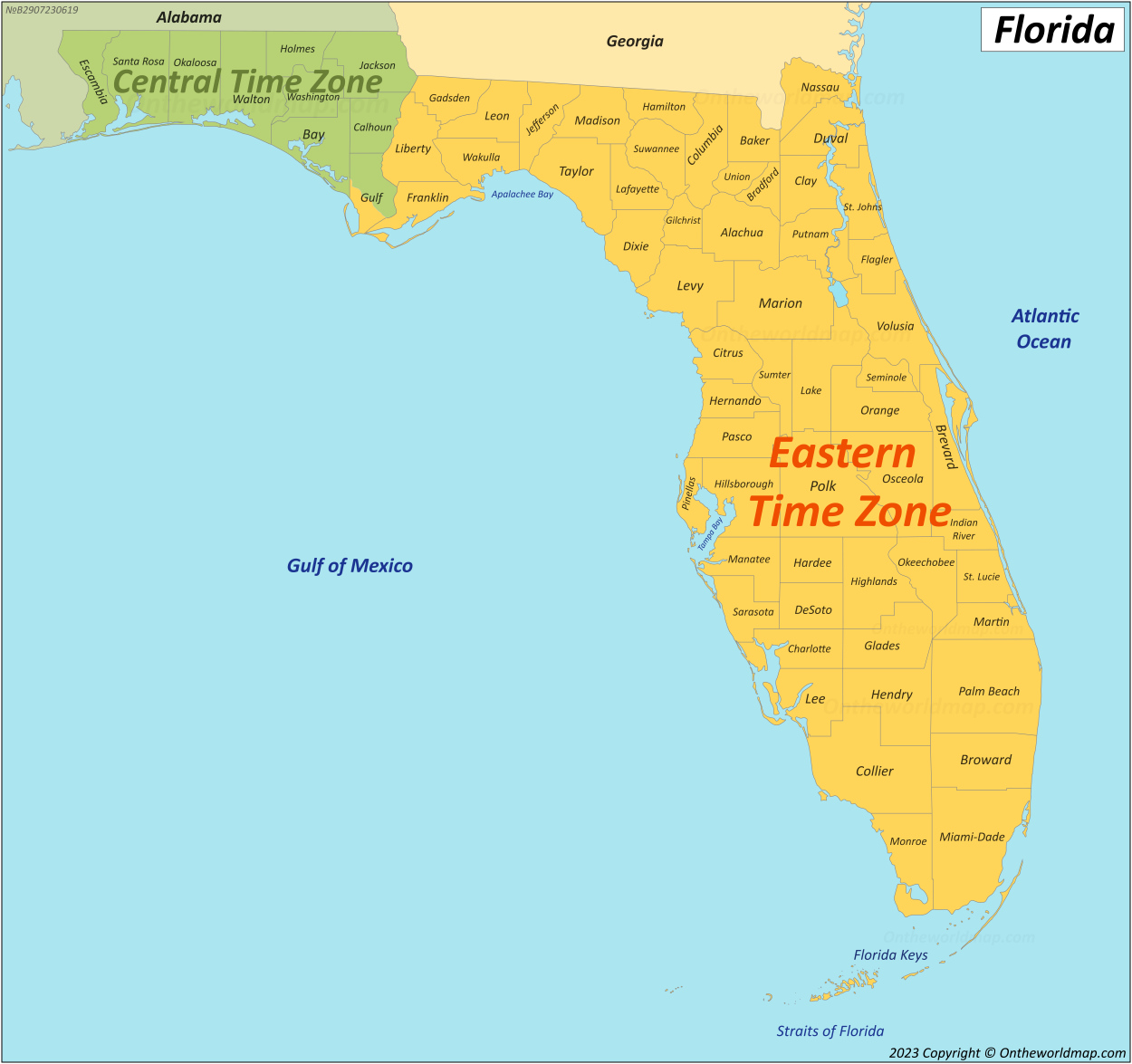
The Eastern Time Zone: A Constant in Miami’s Dynamic Landscape
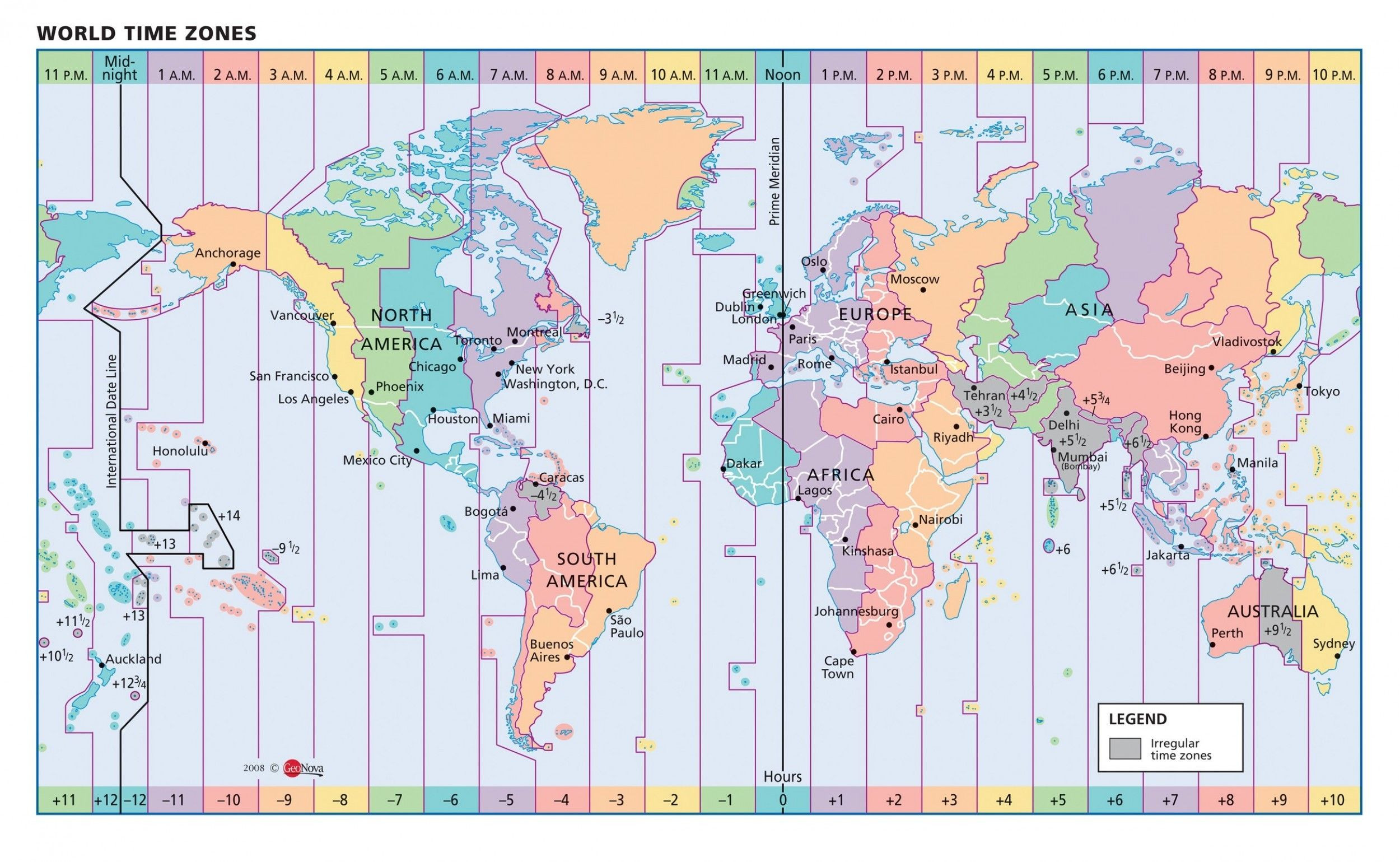
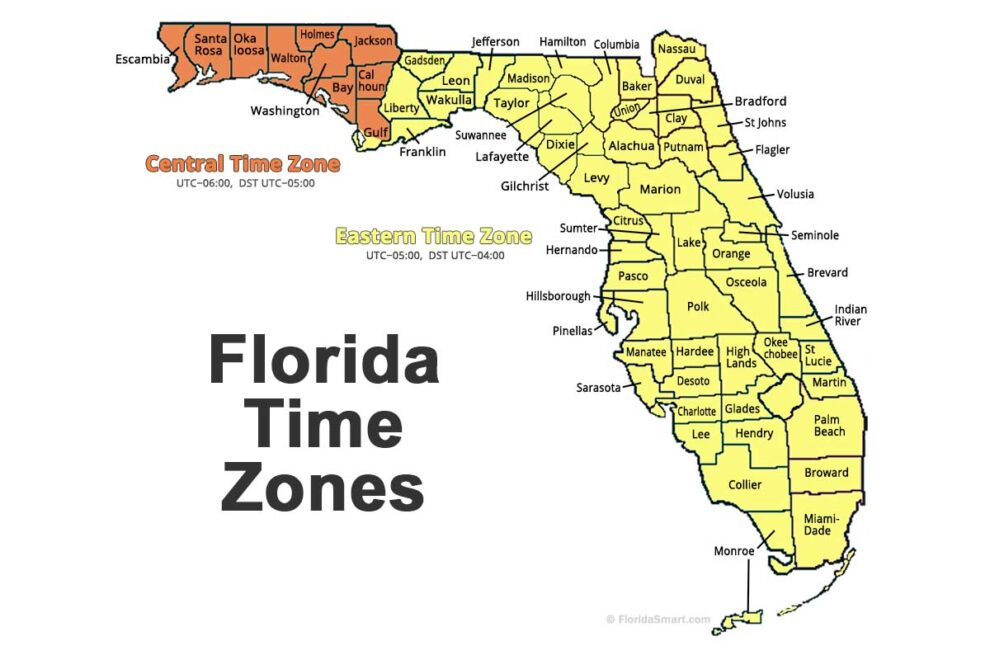
Miami’s adherence to the Eastern Time Zone places it in a broad temporal band that stretches across a significant portion of North America. This zone is defined by its offset from Coordinated Universal Time (UTC). During standard time, Miami operates on UTC-5, meaning it is five hours behind UTC. When daylight saving time commences, the clocks are advanced by one hour, and Miami shifts to EDT, which is UTC-4. This biannual shift is a widely adopted practice aimed at maximizing natural daylight and has been a feature of timekeeping in the United States for decades. For travelers, this means that when planning their arrival or departure, it’s essential to account for this time difference relative to their point of origin. For instance, a flight from Los Angeles, which observes Pacific Time, will involve a three-hour difference.
Standard Time vs. Daylight Saving Time
The distinction between Eastern Standard Time (EST) and Eastern Daylight Time (EDT) is perhaps the most significant temporal consideration for visitors.
Eastern Standard Time (EST)
From early November to mid-March, Miami observes EST. During this period, the local time is consistently UTC-5. This is often the preferred season for many tourists, as the weather is typically cooler and less humid than during the summer months. Travelers arriving during EST should remember this when setting their watches or checking their phones, as many devices automatically update to the correct local time. However, for those coordinating with individuals in other time zones that do not observe daylight saving time, understanding the fixed offset of EST is paramount.
Eastern Daylight Time (EDT)
The transition to daylight saving time typically occurs on the second Sunday in March, when clocks are moved forward by one hour. Miami then operates on EDT, which is UTC-4. This period extends through the summer and into the early autumn, usually concluding on the first Sunday in November. The purpose of EDT is to provide more usable daylight in the evenings, a feature that many appreciate for extending their enjoyment of Miami Beach or outdoor dining experiences. For international travelers, especially those from regions that do not observe daylight saving time, this can add a layer of complexity when calculating time differences. Always confirm whether EDT or EST is currently in effect when making travel plans.
Implications for Travel Planning
The time zone in Miami has tangible effects on various aspects of travel. Understanding these can help in creating a more efficient and less stressful itinerary.
Flight Scheduling and Arrivals
When booking flights to Miami International Airport (MIA) or Fort Lauderdale-Hollywood International Airport (FLL), paying close attention to the arrival time is critical. If you are flying from a time zone west of Miami, your flight might arrive on the same calendar day but at a much later local time than you might initially expect due to the time difference. Conversely, a flight from a time zone east of Miami might arrive on the same calendar day but at an earlier local time. Always verify the departure and arrival times in the local time of the airport you are flying from and to. This is usually clearly indicated on flight booking platforms.
Accommodation and Activities
Many hotels and resorts in Miami, such as the iconic Fontainebleau Miami Beach or the luxurious Faena Hotel Miami Beach, have specific check-in and check-out times that are based on the local Miami time zone. Understanding this ensures you can plan your arrival and departure from your lodging effectively. Similarly, tour operators, restaurant reservations, and the operating hours of attractions like the Vizcaya Museum & Gardens or Everglades National Park will all be aligned with Miami’s local time. For example, a sunset cruise departing at 7:00 PM means 7:00 PM local Miami time. Missing this due to a misunderstanding of the time zone can lead to disappointment.
Communication and Business
For business travelers, coordinating meetings and calls across different time zones is a constant challenge. Miami’s position within the Eastern Time Zone means it has a significant overlap with business hours in much of the eastern United States and Canada, as well as parts of Latin America. However, for those dealing with counterparts in Europe or Asia, careful planning is required to ensure that calls are scheduled during mutually convenient hours. A quick check of a world clock or a time zone converter is invaluable in these situations.
Navigating Time Differences: Tips for Travelers
To make the most of your time in Miami and avoid any temporal confusion, consider these practical tips.
Utilizing Technology
Modern technology is your greatest ally in managing time zones.
Smartphone and Smart Devices
Most smartphones, tablets, and smartwatches automatically adjust to the local time zone upon arrival in a new location, provided that the feature is enabled. It is prudent to verify this setting before your trip or immediately upon landing. Many devices can also display multiple time zones simultaneously, which is extremely useful for staying connected with home or coordinating business activities.
Online Time Zone Converters
For precise planning, especially for international communication or complex travel itineraries, online time zone converters are indispensable. Websites like TimeandDate.com or even a simple search on Google for “time zone converter” can provide accurate, up-to-the-minute information on the current time in Miami and any other location worldwide. This is particularly helpful when calculating flight durations or planning conference calls.
Pre-Trip Preparation
Proactive planning can eliminate a great deal of potential stress related to time differences.
Confirming All Timings
Before embarking on your journey, reconfirm the exact local times for all critical elements of your trip: flight departures and arrivals, hotel check-in and check-out, scheduled tours, and any pre-booked restaurant reservations. This is especially important if you are booking through third-party websites, where details might occasionally be displayed in your home time zone rather than the destination’s.
Informing Contacts
If you are traveling for business or need to be reachable by friends and family, inform them of your time zone and the expected differences. This prevents misunderstandings regarding when you will be available for calls or communications. For instance, letting colleagues know that you will be unavailable during specific afternoon hours due to early morning meetings back in your home time zone can manage expectations effectively.
Miami’s Time Zone in Context: A Global Perspective
Miami’s observance of the Eastern Time Zone is part of a larger global system of timekeeping. Understanding its place within this system offers a broader perspective.
Eastern Time Zone Neighbors
To the west, Miami’s time zone transitions to the Central Time Zone (UTC-6 during standard time, UTC-5 during daylight saving time), which covers states like Texas and Louisiana. To the east, the Atlantic Ocean separates it from time zones in Europe and Africa, which are several hours ahead. This geographical positioning influences trade, communication, and cultural exchange with various parts of the world.
Daylight Saving Time and Global Variations
The practice of daylight saving time is not universally adopted. Many countries in Europe, for example, observe their own daylight saving periods, which may not perfectly align with the United States’ schedule. This can lead to complex shifts in time differences throughout the year. For instance, when the United States moves to EDT, the time difference with countries in Europe that are also observing daylight saving time might change compared to when both regions are on standard time. Staying informed about these global variations is particularly useful for those with international business dealings or close ties abroad.
Embracing the Miami Pace: Time and the City’s Vibe
Beyond the practicalities, understanding Miami’s time zone also connects you to the city’s unique rhythm. The extended daylight hours during EDT often fuel the city’s vibrant nightlife, outdoor dining scene, and beach activities that extend well into the evening. Whether you’re enjoying the sunset from a rooftop bar in Brickell or catching a late-night show in Wynwood, the local time dictates the pulse of the city. Embracing this temporal flow, and knowing precisely when things happen, allows for a more immersive and enjoyable experience of all that Miami has to offer. From the early morning jogs along the beach to the sophisticated evening events, Miami’s time zone is an intrinsic part of its captivating allure.
LifeOutOfTheBox is a participant in the Amazon Services LLC Associates Program, an affiliate advertising program designed to provide a means for sites to earn advertising fees by advertising and linking to Amazon.com. Amazon, the Amazon logo, AmazonSupply, and the AmazonSupply logo are trademarks of Amazon.com, Inc. or its affiliates. As an Amazon Associate we earn affiliate commissions from qualifying purchases.