
California, often romanticized as the Golden State, is a land of unparalleled beauty, innovation, and diverse opportunities. From the sun-drenched beaches of Southern California to the towering redwoods of the north, and from the bustling urban landscapes of Los Angeles and San Francisco to the serene deserts and majestic mountains, it offers a lifestyle that many aspire to. However, beneath the allure of its vibrant culture and stunning landmarks lies a complex economic reality, particularly for those striving to maintain a middle-class existence. The question, “What is middle class in California?” is not easily answered by a simple income bracket; it’s a nuanced discussion intertwined with the state’s sky-high cost of living, lifestyle expectations, and the creative ways residents navigate these challenges. For those interested in travel, tourism, and finding ideal accommodation within this iconic state, understanding the economic landscape of its middle class provides essential context.

Defining the Middle Class in the Golden State
Defining “middle class” is inherently challenging, as it varies significantly by location and household size. In California, this definition is stretched even further due to the state’s notoriously high cost of living. What might be considered a comfortable middle-class income in the Midwest could barely cover rent in a major California metropolitan area. Generally, the middle class is characterized by a comfortable standard of living, encompassing homeownership (or the realistic aspiration for it), access to quality education and healthcare, and the ability to afford leisure activities and periodic travel.
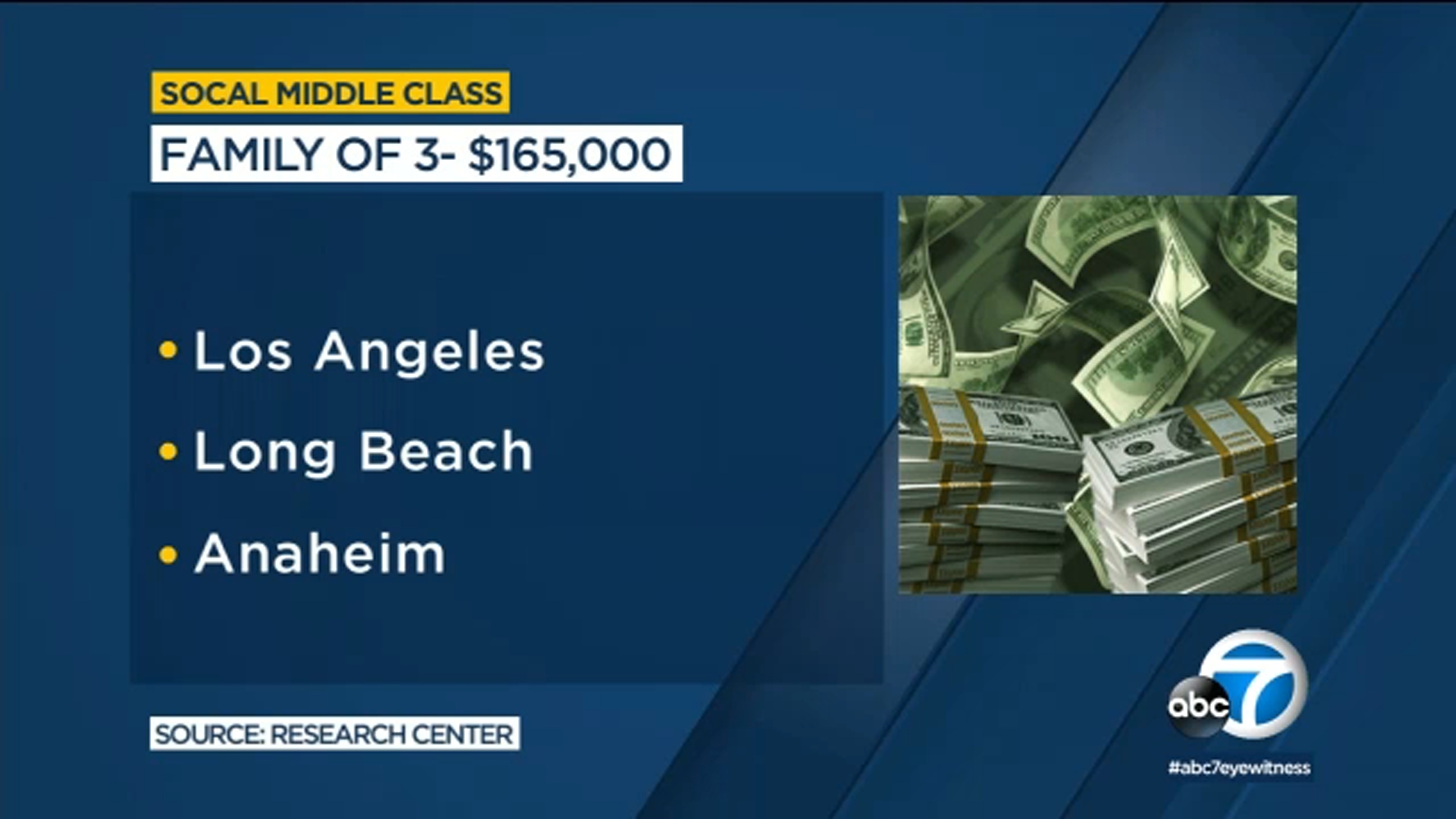
However, in California, these aspirations often come with a significantly higher price tag. The median household income in the state often sits well above the national average, yet this higher income is often offset by expenses that can be double or triple what they are elsewhere. Housing, in particular, is the elephant in the room. Whether you’re looking for a quaint suburban home in Sacramento, a modern apartment in San Jose, or a family house in Orange County, property values and rental rates frequently demand a substantial portion of a household’s income. This “cost of living crisis” extends beyond housing to everyday necessities like gasoline, groceries, and even basic services, making it a constant balancing act for middle-income earners. The lifestyle associated with being middle class elsewhere often requires a top-tier income in California. This means that for many, even with impressive salaries, achieving traditional middle-class milestones like extensive international travel or staying in luxury resorts might require meticulous financial planning and budgeting.
The Middle-Class Lifestyle: Balancing Aspirations and Reality
The allure of the California dream persists, but for the middle class, realizing it involves a constant negotiation between aspirational living and economic realities. The state offers an incredible array of lifestyle choices, from vibrant city life to serene natural retreats, world-class dining, and diverse cultural experiences. Yet, accessing these without falling into financial strain is the ongoing challenge.
Homeownership and Housing Choices
For many middle-class Californians, homeownership remains a significant goal, yet it is increasingly out of reach, especially in desirable coastal regions. Families often find themselves making tough choices: sacrificing commute time for more affordable housing inland, opting for smaller homes, or choosing to rent for longer periods. This impacts decisions about family size, long-term financial planning, and even where to enroll children in school. When considering accommodation for visits or temporary stays, middle-class residents and visitors often gravitate towards vacation apartments or budget-friendly hotels that offer better value than more luxurious options, especially for longer family trips. The dream of owning a home with a yard in a top-rated school district is still alive, but it often requires dual-income households with substantial earnings and careful saving.

Education, Healthcare, and Daily Expenses
Beyond housing, the costs of education and healthcare are substantial. While public schools are available, many middle-class families invest in supplementary tutoring or private schooling, adding another layer of financial pressure. Healthcare, even with employer-sponsored plans, can incur significant out-of-pocket expenses. Daily life—from childcare to transportation, utilities, and even a simple meal out—all contribute to the elevated cost of living. This means that discretionary spending, including budgets for travel and tourism, is often carefully scrutinized. Middle-class families become adept at finding deals, planning trips during off-peak seasons, and opting for experiences that offer high value without breaking the bank. For example, rather than a full-service resort, they might choose a well-appointed vacation rental that allows for self-catering, significantly cutting down on dining expenses.
Leisure and Travel Aspirations
Despite the financial pressures, the middle class in California still values leisure and travel. The state itself is a prime destination, offering an incredible range of experiences that cater to various budgets. Weekend getaways, exploring local landmarks, and enjoying the state’s natural beauty are common pursuits. Tourism within California often becomes the primary focus for leisure activities, allowing families to explore their own backyard without the added expense of international flights. This might include camping trips to Yosemite National Park, beach vacations along the Pacific Coast Highway, or cultural excursions to cities like San Diego and Monterey. The key is strategic planning, from booking budget-friendly hotels or vacation rentals well in advance to packing picnics and seeking out free attractions.
Navigating Travel and Leisure on a California Middle-Class Budget
For the middle-class Californian, enjoying the state’s abundant attractions and pursuing travel requires smart choices and a bit of ingenuity. The focus shifts from extravagant indulgence to valuable experiences that are both memorable and economically feasible. This often involves embracing local tourism, leveraging the diverse offerings of the state, and making savvy accommodation decisions.
Affordable California Getaways
California is rich with destinations that can be enjoyed without a luxury budget.
- National and State Parks: The vast network of national and state parks offers breathtaking natural beauty and a range of activities. Destinations like Yosemite National Park, Sequoia National Park, and Redwood National Park provide opportunities for hiking, camping, and exploring iconic landmarks at a relatively low cost. Camping or staying in cabins within these parks significantly reduces accommodation expenses compared to traditional hotels or resorts. Even day trips to popular spots like Death Valley National Park or Joshua Tree National Park offer incredible value.
- Coastal Towns and Beaches: While some coastal areas are pricey, many towns offer more budget-friendly options. Santa Cruz offers a vibrant boardwalk and beautiful beaches, with a range of affordable accommodation options. San Diego, despite its size, has numerous free attractions like Balboa Park and stunning beaches, making it a popular choice for family trips. Exploring the charming seaside villages along the Central Coast can also be a more economical alternative to pricier spots like Malibu or Laguna Beach.
- Urban Explorations on a Budget: Visiting major cities like Los Angeles or San Francisco doesn’t always require a hefty budget. Many museums offer free admission days, and exploring diverse neighborhoods, public parks, and iconic landmarks like the Golden Gate Bridge, Hollywood Walk of Fame, or the Santa Monica Pier can be done for free or very little cost. Public transportation or ridesharing can also help mitigate parking and traffic woes.
Smart Accommodation Choices
The type of accommodation chosen can significantly impact the overall cost of a trip.
- Budget Hotels and Motels: California has an extensive network of budget-friendly hotels and motels, particularly outside of prime tourist areas. Booking in advance and looking for deals during off-peak seasons can yield substantial savings.
- Vacation Rentals and Apartments: Platforms offering vacation rentals or apartments often provide more space, privacy, and the invaluable option of a kitchen. This allows families to prepare some meals, drastically cutting down on dining expenses, which are a major component of travel costs in California. For longer stays, especially, these options provide a more home-like lifestyle experience.
- Camping and RV Parks: For those who enjoy the outdoors, camping is an extremely economical way to explore California. From state park campgrounds to private RV parks, these options offer direct access to nature and a community feel.
- Hostels and Guesthouses: For solo travelers or couples, hostels in major cities and popular tourism hubs can offer very affordable accommodation without sacrificing comfort or location.
Experiencing California’s Rich Culture and Food
California’s cultural tapestry is vibrant and accessible to all income levels.
- Free Cultural Events: Many cities host free street festivals, farmers’ markets, outdoor concerts, and art walks, providing rich cultural experiences without an entry fee. Exploring the historic missions (like Mission San Juan Capistrano) or diverse neighborhoods offers deep dives into local history and contemporary life.
- Affordable Dining: While California boasts world-class fine dining, it also offers an incredible array of delicious and affordable food options. Food trucks, ethnic eateries, and local diners provide authentic flavors at a fraction of the cost. Farmers’ markets are not only great for fresh produce for self-catering but also often feature prepared foods and snacks that are budget-friendly. Exploring areas like Chinatown in San Francisco or diverse neighborhoods in Los Angeles offers a culinary tourism adventure.
- Outdoor Activities: The state’s natural beauty is its greatest asset, and much of it is free to enjoy. Hiking trails, public beaches, lakes like Lake Tahoe, and scenic drives like Highway 1 offer endless opportunities for recreation and breathtaking views. This aligns perfectly with a budget lifestyle that values experiences over material consumption.
The Future of the Middle Class in California: Adaptability and Resilience
The future of the middle class in California is undoubtedly challenging, but it is also marked by remarkable adaptability and resilience. Californians are known for their innovative spirit, which extends to how they manage their finances and lifestyle expectations. The concept of the middle class in this state is continually evolving, driven by economic shifts, technological advancements, and a persistent desire to live in one of the world’s most dynamic regions.
Many middle-class families prioritize experiences over material possessions, choosing to invest in memorable travel and quality time together rather than luxury goods. They embrace budget travel and find joy in exploring local attractions. The emphasis is on smart financial planning, making informed choices about accommodation, and leveraging the state’s natural and cultural resources that are often free or low-cost. This involves seeking out boutique hotels or unique vacation rentals that offer character and value, rather than generic chains. They might forgo a trip to Disneyland for a year to save for a longer, more immersive experience in Europe or another international destination, or choose to explore the natural wonders of California instead.
Ultimately, being middle class in California means navigating a unique economic landscape where traditional definitions are constantly recalibrated. It requires a strategic mindset, a willingness to seek value, and an appreciation for the myriad opportunities the state offers, even if they come with a higher price tag or require a different approach. For those who choose to call it home, the trade-offs are often worth it for the vibrant culture, diverse landscapes, and the unparalleled quality of life that, with careful planning and smart choices, can still be within reach. The Golden State continues to beckon, offering a rich and rewarding lifestyle for those who learn to thrive within its unique economic contours, whether they are enjoying a local staycation or embarking on a carefully planned adventure.
LifeOutOfTheBox is a participant in the Amazon Services LLC Associates Program, an affiliate advertising program designed to provide a means for sites to earn advertising fees by advertising and linking to Amazon.com. Amazon, the Amazon logo, AmazonSupply, and the AmazonSupply logo are trademarks of Amazon.com, Inc. or its affiliates. As an Amazon Associate we earn affiliate commissions from qualifying purchases.