
The concept of the “middle class” is often discussed in economic and social contexts, but its precise definition can be elusive, particularly when discussing regional variations. In the vast and diverse state of Texas, understanding middle-class income is crucial for comprehending the economic landscape, its impact on local businesses, and the affordability of various Texas experiences, from budget-friendly road trips to more luxurious stays. This exploration delves into the income brackets that define middle-class households in Texas, considering factors that influence these figures and their broader implications for residents and visitors alike.

Defining the Middle Class in the Lone Star State
Establishing a definitive income range for the middle class in Texas involves navigating various data points and methodologies. Broadly, the middle class is often characterized by households that are neither impoverished nor wealthy, possessing a level of financial stability that allows for discretionary spending beyond basic necessities. In Texas, this translates to a significant portion of the population, impacting everything from the types of restaurants people can afford in Austin to the accommodations available in San Antonio.
Income Brackets and Data Sources
Various organizations and government agencies provide data on income distributions. For Texas, these figures are often aggregated at the state or metropolitan statistical area (MSA) level. The U.S. Census Bureau is a primary source, reporting median household incomes, which serve as a benchmark. However, a strict definition of middle class usually extends beyond the median to encompass a range of incomes.
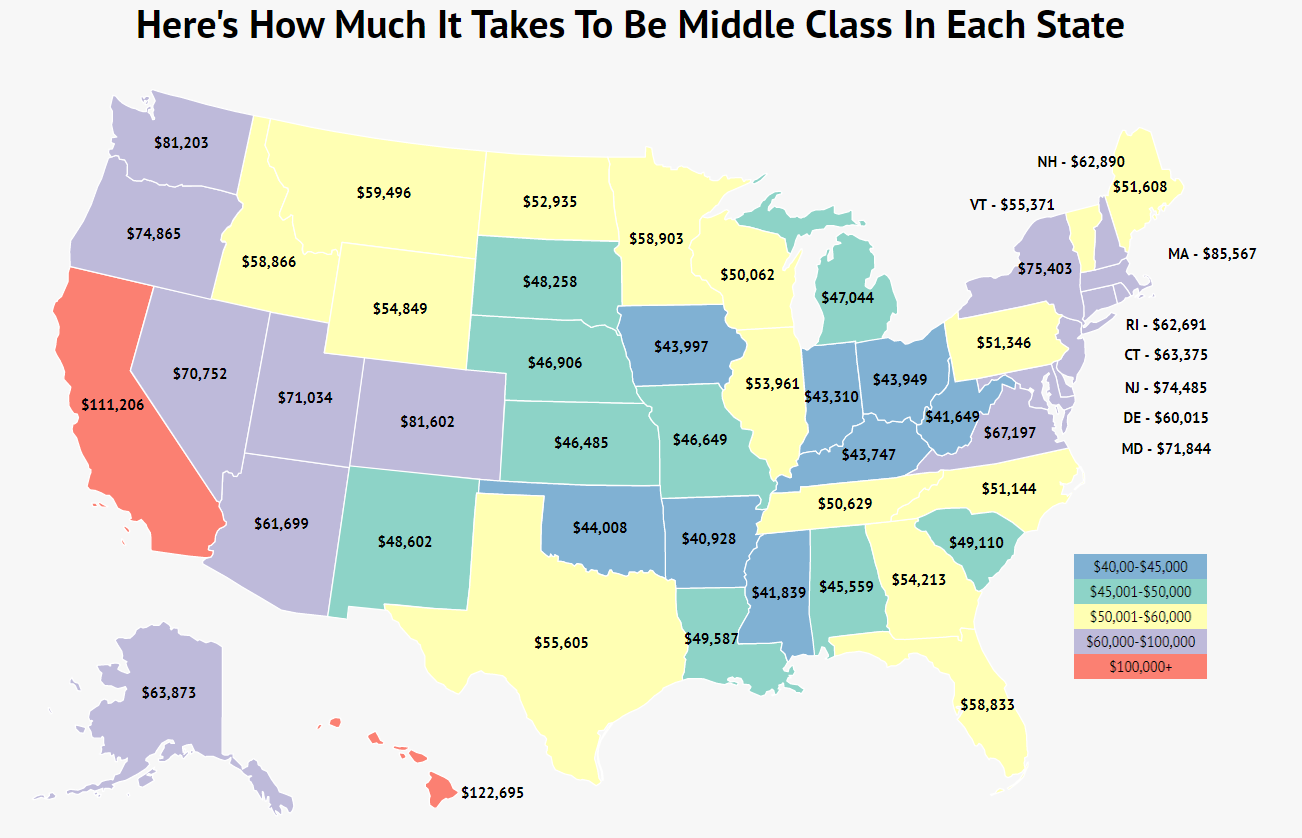
A commonly cited approach defines the middle class as households earning between two-thirds and twice the median household income. For Texas, this means considering a broad spectrum. If the state’s median household income hovers around $65,000 to $70,000 annually (figures that fluctuate with economic conditions and reporting years), then the middle-class income range could broadly span from approximately $43,000 to $140,000. This wide range reflects the diverse economic realities across Texas, from major urban centers like Houston and Dallas to more rural areas.
Factors Influencing Middle-Class Income in Texas
Several key factors contribute to the income levels that define the middle class in Texas:
- Cost of Living: This is arguably the most significant variable. While Texas is often perceived as affordable, the cost of living varies dramatically between its large cities and its smaller towns. For instance, housing in Austin is considerably more expensive than in El Paso. Therefore, a household income that might be considered comfortably middle class in one part of the state could be stretched thin in another. This impacts where families can afford to live, the types of resorts they can visit for a weekend getaway, and their ability to afford experiences in popular tourist destinations like the Texas Hill Country.
- Job Market and Industry: Texas boasts a robust and diverse economy, driven by sectors such as energy, technology, healthcare, and agriculture. The types of jobs available and the wages they command directly influence household incomes. A thriving tech sector in areas like the Research Valley can support higher incomes compared to regions with a greater reliance on lower-wage service industries. This also affects the disposable income available for travel and leisure activities.
- Household Size and Composition: Income figures are typically reported for households, and the number of individuals within a household, as well as whether it’s a single-income or dual-income household, significantly impacts its financial standing relative to the cost of living. A single individual earning $50,000 a year will have a very different lifestyle than a family of four with the same household income. This is particularly relevant when planning family trips or considering long-term stays in Texas accommodations.
- Education and Skill Level: Higher levels of education and specialized skills often correlate with higher earning potential. Texas has numerous universities and trade schools, contributing to a workforce with varying educational attainment, which in turn shapes income distribution.
Income Tiers Within the Texas Middle Class
Given the broad definition, it’s helpful to think of the middle class not as a single income point, but as a spectrum with distinct tiers. These tiers have different implications for lifestyle choices, including travel and accommodation preferences.
The Lower Middle Class
Households in the lower end of the middle-class income bracket in Texas might earn between roughly $43,000 and $70,000 annually (using the two-thirds of median income benchmark). For these families, discretionary income is more limited. Travel might involve shorter road trips to nearby attractions, camping in state parks like Big Bend Ranch State Park, or seeking out budget-friendly hotels and vacation rentals. Dining out might be a treat rather than a regular occurrence, and luxury experiences are likely out of reach. The focus is on essential needs with some room for modest recreation.
The Core Middle Class
This segment represents the heart of the middle class, with incomes potentially ranging from $70,000 to $100,000 annually. Households in this tier have more flexibility. They can afford more substantial vacations, perhaps a week-long trip to Galveston Island or a visit to the San Antonio River Walk. They might opt for mid-range resorts or comfortable hotels, and enjoy a mix of local dining and occasional splurges. This group often forms the backbone of the domestic tourism market in Texas.
The Upper Middle Class
Individuals and families in the upper middle class in Texas might earn upwards of $100,000 to $140,000 annually (up to twice the median income). This tier allows for more ambitious travel plans, including international trips or extended stays in popular destinations like the Texas Hill Country wine regions. They can afford higher-end accommodations, fine dining, and a wider array of leisure activities. This group often seeks unique experiences, whether it’s exploring the history of San Antonio, attending cultural festivals in Dallas, or enjoying outdoor adventures in West Texas.
Implications for Lifestyle and Travel in Texas
Understanding the income distribution of the middle class in Texas has direct implications for various lifestyle choices, particularly travel and tourism. The sheer size and diversity of Texas offer a wide range of experiences catering to different income levels.
Accommodation Choices
For the lower middle class, budget-friendly hotels, motels, and vacation rentals, particularly those outside major tourist hubs, are the primary choices. Camping and staying with family or friends are also common. As incomes rise into the core middle class, options expand to include mid-tier chain hotels, boutique inns, and more comfortable vacation apartments. The upper middle class can explore luxury resorts, private villas, and unique accommodations that offer premium amenities and services. The availability of short-term rental platforms like Airbnb has also provided more diverse options across all income levels.
Travel Destinations and Activities
The ability to travel and the choice of destinations are heavily influenced by income. Lower-income middle-class households might focus on day trips, weekend getaways to state parks, or visiting family within Texas. Core middle-class families can afford longer road trips to explore regions like the Texas Hill Country, visit theme parks like Six Flags Fiesta Texas, or explore historical sites in Goliad. The upper middle class has the means to venture further, perhaps to the coast for a week, explore the cultural offerings of Houston, or even take international vacations. The demand for local culture, food tours in Austin, and outdoor activities in areas like the Guadalupe River State Park is significant across these tiers, though the frequency and quality of experiences may differ.
Economic Impact on Tourism
The spending power of the Texas middle class is a vital engine for the state’s tourism industry. From small-town diners to luxury hotels in Dallas, businesses across Texas rely on this demographic for their revenue. Understanding the average income of middle-class households helps in tailoring marketing strategies, developing new attractions, and ensuring that a diverse range of price points exists to accommodate various segments of this crucial consumer group. The ability to offer experiences that are both aspirational and attainable is key to tapping into the Texas middle-class market, whether for a quick escape to the Texas coast or a more immersive exploration of the state’s rich cultural tapestry.
Navigating the Texas Landscape on a Middle-Class Budget
For those seeking to experience the best of Texas while managing a middle-class income, strategic planning is essential. The state’s vastness means that even “local” travel can involve significant mileage, impacting fuel costs and travel time.
Budget-Friendly Travel Tips
- Embrace the Road Trip: Texas is tailor-made for road trips. Planning a route that connects multiple destinations allows for a more immersive experience without the cost of airfare. Utilizing navigation apps and understanding local gas prices can help manage fuel expenses.
- Seek Out Local Gems: Beyond the major tourist attractions, Texas is dotted with charming small towns, state parks, and historical sites that offer affordable and authentic experiences. Exploring the local food scene in cities like Fort Worth or enjoying a picnic lunch in a park can significantly reduce dining costs.
- Consider Off-Season Travel: Visiting popular destinations like San Antonio or the Texas Hill Country during the shoulder seasons or off-peak times can lead to substantial savings on accommodations and attractions.
- Leverage Loyalty Programs and Discounts: For those who travel more frequently, participating in hotel loyalty programs, airline miles programs, and seeking out discount coupons for attractions can make a significant difference. Many Texas attractions offer discounts for residents, students, or seniors, which can be beneficial.
Accommodation Strategies
- Vacation Rentals vs. Hotels: For families or groups, renting a house or apartment can often be more cost-effective than booking multiple hotel rooms, especially when factoring in the ability to cook some meals. Platforms like Vrbo offer a wide range of options.
- Explore Boutique and Independent Hotels: While major chains offer consistency, exploring smaller, independent hotels or inns can sometimes provide better value and a more unique local experience.
- Consider Extended Stays: For those looking to experience a particular Texas city for an extended period, looking into extended-stay hotels or serviced apartments can be more economical than consecutive short bookings.

Conclusion: The Dynamic Nature of Middle-Class Income in Texas
The definition of middle-class income in Texas is not a static figure but a fluid concept shaped by economic forces, regional disparities, and individual household circumstances. While broad income brackets can be established, the true measure lies in the purchasing power and lifestyle choices afforded by those incomes. For residents and visitors alike, understanding these income dynamics is key to appreciating the diverse economic landscape of Texas and navigating its myriad opportunities for exploration, leisure, and memorable experiences, from the bustling streets of Dallas to the serene vistas of West Texas. The ability to enjoy the state’s offerings, whether through a budget-conscious road trip or a more luxurious retreat, is intrinsically linked to where one falls within the expansive spectrum of middle-class earnings in the Lone Star State.
LifeOutOfTheBox is a participant in the Amazon Services LLC Associates Program, an affiliate advertising program designed to provide a means for sites to earn advertising fees by advertising and linking to Amazon.com. Amazon, the Amazon logo, AmazonSupply, and the AmazonSupply logo are trademarks of Amazon.com, Inc. or its affiliates. As an Amazon Associate we earn affiliate commissions from qualifying purchases.