
California, the Golden State, beckons millions of travelers each year with its diverse landscapes, iconic landmarks, and vibrant culture. From the sun-drenched beaches of San Diego to the towering redwoods of Northern California, and from the bustling urban sprawl of Los Angeles to the tech-savvy hub of San Francisco, there’s an experience for every type of traveler. However, what often goes unnoticed by those planning their Californian adventures is the state’s unique economic landscape, particularly its minimum wage policies. Understanding “What is Minimum Wage California?” is not just a matter of economic policy; it’s a crucial insight into the cost of your dream vacation, the quality of your hospitality experience, and the very lifestyle of those who make your travels possible.

California consistently sets one of the highest minimum wages in the United States. This commitment to a living wage for its residents has far-reaching implications, subtly influencing everything from the price of your hotel room and the cost of a meal out to the overall vibe of the tourist destinations you visit. For travelers, whether you’re embarking on a luxurious escape or a budget-friendly road trip, grasping these economic nuances can empower you to plan more effectively, appreciate the value you receive, and even engage more thoughtfully with the local communities that thrive on tourism. This article delves into the specifics of California’s minimum wage, exploring how it shapes the travel, tourism, accommodation, and lifestyle sectors across this magnificent state.
Navigating the Golden State: Understanding California’s Minimum Wage Landscape
California’s approach to minimum wage is layered, encompassing both a statewide standard and a patchwork of local ordinances that often mandate even higher rates. This complexity is vital for anyone looking to understand the true cost of living and visiting in the Golden State.
The Statewide Standard: Overview and Evolution
The state of California has been a trailblazer in advocating for higher minimum wages. As of January 1, 2024, the statewide minimum wage for all employers, regardless of size, reached $16.00 per hour. This figure represents a significant increase over the years, reflecting a conscious effort by the state legislature to improve the economic well-being of its workforce. For instance, just a few years prior, the minimum wage was considerably lower, steadily climbing through annual increments. These regular adjustments are typically tied to inflation or pre-determined schedules, ensuring that the minimum wage attempts to keep pace with the rising cost of living, which is particularly acute in California.
This robust minimum wage directly impacts a vast segment of the workforce, including many individuals employed in the hospitality and tourism sectors. From the front desk staff at a boutique hotel in Napa Valley to the ride operators at Disneyland Park, and from the cleaning crews at a luxury resort in Palm Springs to the baristas at a café in Santa Monica, these employees benefit from a baseline income that aims to provide a more stable foundation for their livelihoods. For travelers, this means that the services they receive are often supported by a workforce earning a more competitive wage, which can contribute to higher morale and, consequently, better service quality.
Beyond the State Line: Local Ordinances and Their Impact
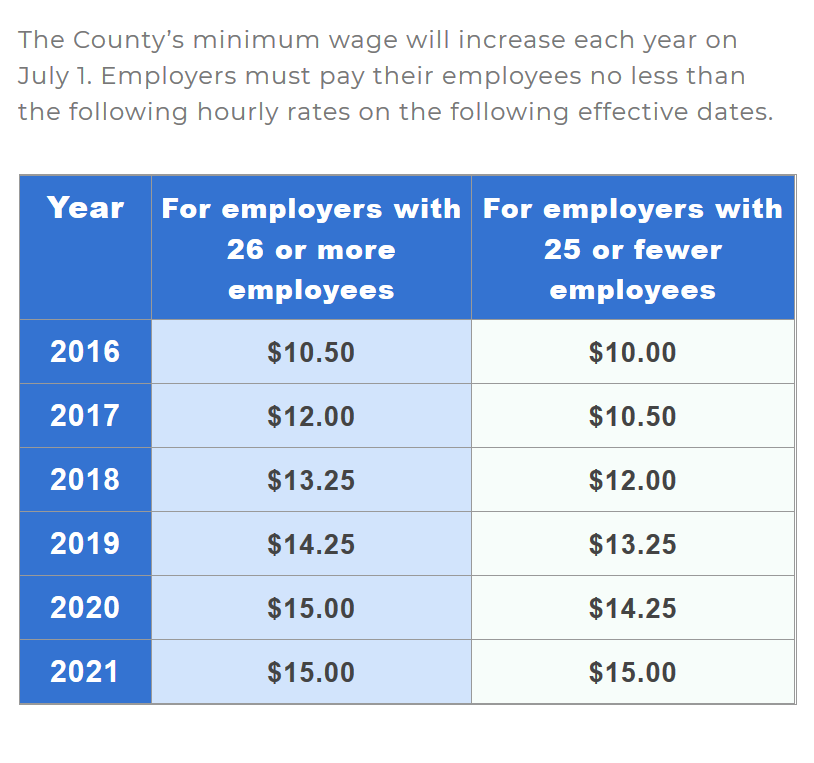
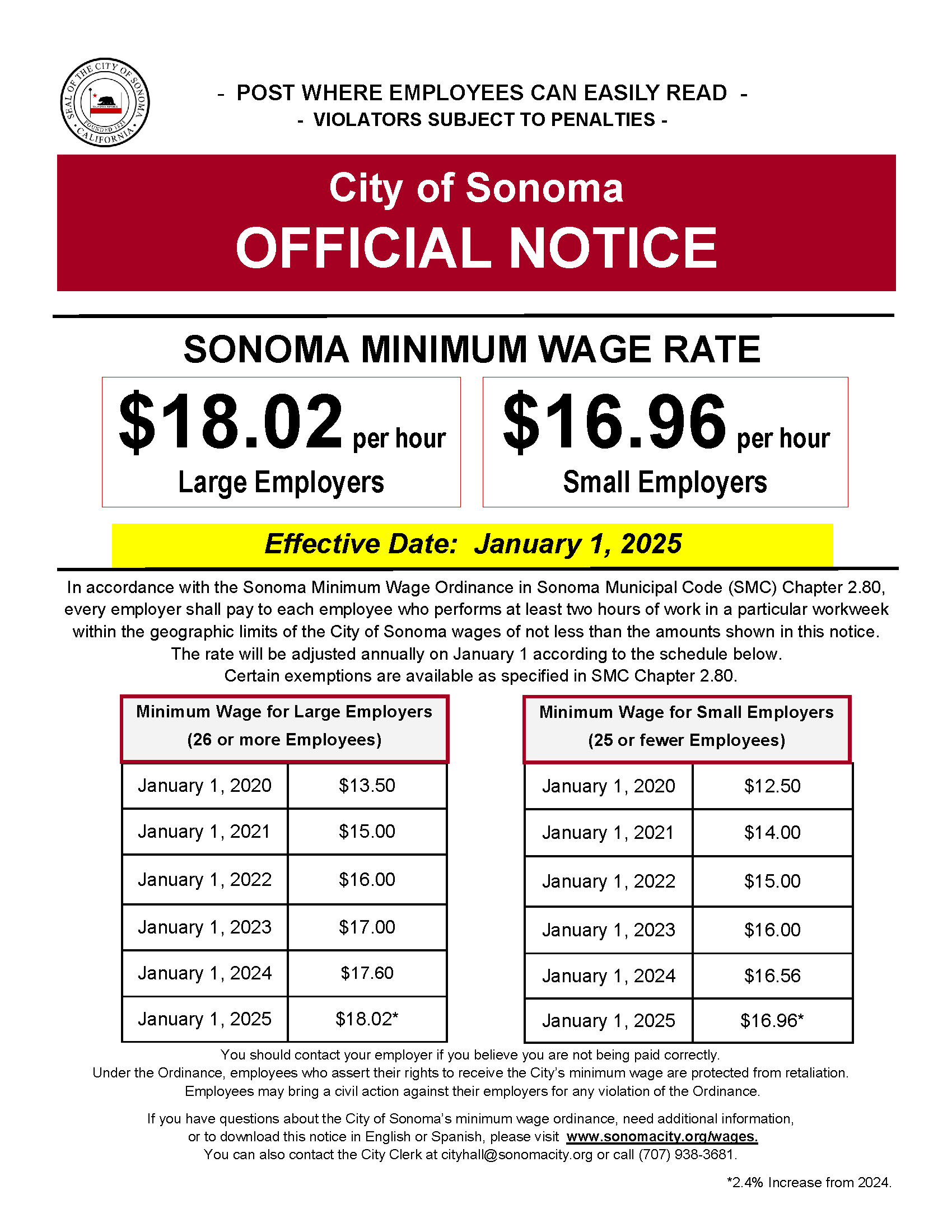
Adding another layer of complexity, many cities and counties across California have enacted their own minimum wage ordinances that surpass the statewide rate. This decentralized approach means that the actual minimum wage can vary significantly depending on your specific destination within the state. Prominent examples include:
- San Francisco: Consistently one of the highest in the nation, San Francisco’s minimum wage often hovers significantly above the state minimum, reflecting the exorbitant cost of living in the Bay Area. This directly impacts the price of everything from a clam chowder bowl on Fisherman’s Wharf to a night at a historic hotel near Union Square.
- Los Angeles: The City of Angels also maintains its own higher minimum wage, influencing prices across its vast metropolitan area, from the street food vendors in Downtown LA to the staff at the Beverly Wilshire Hotel. The county of Los Angeles often follows suit, extending these higher wages to unincorporated areas.
- Oakland: Across the bay from San Francisco, Oakland also implements a local minimum wage higher than the state standard, affecting the vibrant culinary scene and various hospitality businesses throughout the city.
- San Jose: As a major hub in Silicon Valley, San Jose also features a higher minimum wage, impacting the cost of business travel and accommodation in this technology-rich region.
For travelers, this patchwork of local wages translates into a nuanced cost of travel. A cup of coffee might cost slightly more in San Francisco than in a smaller, inland city, not solely due to brand perception but also because the labor costs are genuinely higher. This understanding can help travelers budget more accurately and appreciate the economic realities that shape prices in different parts of California.
The Cost of Sunshine: Minimum Wage’s Influence on California Tourism and Accommodation
The higher minimum wage in California undeniably contributes to a higher cost of doing business, particularly in labor-intensive industries like tourism and hospitality. This economic reality inevitably translates into the prices tourists encounter when planning their visits.
Hotel Stays and Hospitality Services
Accommodation is often the most significant expense for travelers, and California’s minimum wage plays a considerable role in shaping hotel rates. Whether you’re eyeing a luxurious suite overlooking the Pacific Ocean, a cozy boutique hotel in Carmel-by-the-Sea, or a budget-friendly motel for a road trip, the labor costs associated with staffing these establishments are built into the room rates.
Consider the diverse range of accommodation options. A stay at a grand establishment like the Hotel del Coronado in San Diego or the Ritz-Carlton, Laguna Niguel will reflect not only the prime location and amenities but also the cost of employing a large, skilled staff, from concierges and housekeepers to valets and spa therapists, all of whom are subject to California’s competitive wages. Even more affordable options like chain hotels or independent motels still need to account for these labor costs, meaning that California generally won’t offer the rock-bottom prices found in regions with lower minimum wages.
Beyond room rates, travelers will also notice the impact on resort fees, service charges, and even the customary tipping practices. While tipping is standard across the United States, the underlying wage means that service staff aren’t as solely reliant on tips for their basic income, though gratuities are always appreciated for exceptional service. For those considering long-term stays or apartment rentals through platforms like Airbnb, cleaning fees and other service charges also reflect the cost of labor in the local market.
Dining Out in California
California is a culinary paradise, boasting everything from world-class fine dining to innovative food trucks and farm-to-table eateries. The state’s minimum wage directly affects the price of your gastronomic adventures. Restaurants are highly labor-intensive, relying on chefs, cooks, servers, dishwashers, and host staff. When these employees earn a higher minimum wage, it impacts the menu prices.
For instance, enjoying a meal at a Michelin-starred restaurant in Yountville or a trendy bistro in West Hollywood will naturally come with a premium, part of which covers the wages of highly skilled culinary teams. But even casual dining establishments, local cafes, and fast-food chains must factor in these costs. While a burger might seem expensive compared to other states, understanding the local wage structure provides context. Some restaurants, particularly in cities with very high minimum wages, have experimented with service charges or “living wage surcharges” on bills to transparently cover increased labor costs, rather than simply raising menu prices across the board. This ensures that the local food culture, from authentic Mexican cuisine in San Ysidro to fresh seafood on the Central Coast, remains vibrant and staffed by fairly compensated workers.
Attractions and Experiences
California is home to some of the world’s most iconic attractions, drawing families, thrill-seekers, and culture enthusiasts alike. Theme parks like Disneyland Resort in Anaheim and Universal Studios Hollywood in Los Angeles employ thousands of staff, from ride operators and entertainers to security personnel and retail associates. The cost of their tickets reflects, in part, the high labor costs associated with maintaining such vast operations in a high-wage state.
Similarly, visiting world-renowned museums like The Getty Center or the California Academy of Sciences, exploring historical landmarks like Alcatraz Island, or taking guided tours through Yosemite National Park all involve various levels of staffing. Park rangers, tour guides, gift shop employees, and maintenance staff all contribute to your experience, and their wages are factored into the entry fees and tour prices. Even activities like renting a surfboard in Malibu or going whale watching off the coast of Monterey will reflect the local cost of labor. For travelers, this means budgeting appropriately for activities, recognizing that the price often underpins a commitment to fair worker compensation.
Lifestyle and Livelihoods: The Human Element of California’s Minimum Wage
Beyond the immediate financial implications for tourists, California’s minimum wage policies have a profound impact on the lifestyle and livelihoods of the people who call the Golden State home, particularly those working in the crucial hospitality and tourism sectors.
Working in the Golden State’s Hospitality Sector
For many, a job in hospitality—whether at a hotel, restaurant, or tourist attraction—is an entry point into the workforce or a career path. In California, the higher minimum wage offers a distinct advantage to these workers compared to their counterparts in lower-wage states. It provides a more substantial base income, which can help mitigate some of the challenges posed by California’s notoriously high cost of living. This means employees can potentially afford better housing, access better healthcare, and enjoy a higher quality of life, even in entry-level positions.
However, the reality is still complex. While California boasts a high minimum wage, its major metropolitan areas like San Francisco, Los Angeles, and San Jose also have some of the highest housing costs in the world. Even with a $16+ an hour wage, affording rent in these cities can be a significant challenge, often requiring multiple jobs or long commutes from more affordable outlying areas. This constant tension between high wages and high living costs defines the daily lives of many hospitality workers, from those cleaning rooms at the Waldorf Astoria Beverly Hills to the seasonal staff at Lake Tahoe resorts.
Affordability for Residents and Its Impact on Service
The struggle for affordability, even with higher wages, can have ripple effects on the tourism industry. Businesses in popular tourist destinations often face challenges in recruiting and retaining staff due to the high cost of living for their employees. This can lead to staffing shortages, particularly during peak seasons, which might, in turn, impact service quality or wait times. For example, a restaurant in Santa Barbara might find it difficult to hire enough servers if potential employees cannot afford to live within a reasonable commuting distance.
Conversely, a more secure and fairly compensated workforce can lead to greater job satisfaction, reduced turnover, and a more dedicated and experienced staff. When employees feel valued and are able to meet their basic needs, they are often more engaged, professional, and genuinely hospitable. This ultimately enhances the visitor experience, creating a positive cycle where fair wages contribute to better service, which in turn benefits the tourism economy. For example, a knowledgeable and happy guide at the Golden Gate Bridge or a attentive concierge at a Hyatt Regency hotel can significantly elevate a traveler’s perception of their trip.
Sustainable Tourism and Fair Wages
For the conscious traveler, understanding California’s minimum wage context fosters a deeper appreciation for sustainable tourism. Choosing businesses that clearly value their employees and adhere to, or exceed, local wage standards means supporting a local economy that strives for fairness. This isn’t just about ethical consumption; it’s about investing in the long-term health and vibrancy of the communities you visit.
When you stay at a hotel that provides good benefits and pays above the minimum wage, or dine at a restaurant that prioritizes employee well-being, you are contributing to a system that allows local residents to thrive. This type of responsible tourism helps ensure that the beautiful destinations of California—from the cultural richness of Hollywood to the natural splendor of Big Sur—remain welcoming, well-maintained, and staffed by a contented and skilled workforce for generations of travelers to come.
Planning Your California Adventure: Budgeting for a High-Wage Destination
Embarking on a journey through California requires thoughtful planning, especially concerning your budget. Recognizing that you’re visiting a state with a high minimum wage will help you manage expectations and make informed choices to maximize your experience without breaking the bank.
Smart Travel Strategies for Every Lifestyle
Whether you’re a luxury traveler or a budget explorer, there are strategies to make your California trip more financially manageable.
-
For the Budget Traveler:
- Travel during the Off-Season: Visiting during the shoulder seasons (spring or fall) or even winter (for non-ski destinations) can significantly reduce costs for flights and accommodation.
- Consider Alternative Accommodation: While hotels can be pricey, exploring options like hostels, guesthouses, or even camping in one of California’s stunning state or national parks can offer significant savings. Websites like Booking.com or Expedia can help compare prices across different accommodation types, but remember that even the most basic rooms in major cities will reflect labor costs.
- Self-Catering and Local Markets: Utilize kitchenettes in your accommodation to prepare some meals, especially breakfast and snacks. Exploring local farmers’ markets for fresh produce and artisan goods can also be a cost-effective and culturally rich experience.
- Public Transportation: In cities like San Francisco and Los Angeles, extensive public transport networks can save you money on rental cars and parking. A BART ride from San Francisco International Airport to Downtown San Francisco is far cheaper than a taxi or ride-share.
- Free Attractions: California boasts countless free attractions, from hiking trails in Griffith Park and strolling along Venice Beach to exploring historic neighborhoods or visiting many art galleries that offer free admission on certain days.
-
For the Luxury Traveler:
- Value for Investment: While prices might be higher, luxury experiences in California often come with exceptional service, top-tier amenities, and unparalleled attention to detail, reflecting the investment in highly skilled and well-compensated staff. A stay at a world-renowned property like the Resort at Pelican Hill in Newport Coast offers an experience crafted by a dedicated team.
- Exclusive Experiences: Higher wages enable specialized services, such as personal chefs, private tours of wineries in Sonoma, or concierge services that truly elevate a trip.
- Focus on Local, High-Quality: Indulge in unique, locally sourced dining experiences, knowing that the premium reflects not just ingredient quality but also fair compensation for the culinary artists and service staff.
Understanding Value and Hidden Gems
The higher minimum wage in California can sometimes mean that less-frequented areas might offer more “bang for your buck” while still providing an authentic California experience. Exploring smaller towns along the coast or venturing into the less touristy parts of the Central Valley could reveal charming accommodations and eateries at more accessible price points. These areas still adhere to the statewide minimum wage but might have a lower overall cost of living, which can translate into slightly more competitive pricing for goods and services.
Ultimately, understanding what minimum wage California entails is more than just a dry economic fact. It’s a lens through which travelers can better appreciate the intricate web of factors that shape their travel experiences. It allows for smarter budgeting, a deeper appreciation for the service professionals who make trips memorable, and an informed choice to support sustainable and ethical tourism practices throughout the Golden State. So, as you plan your next adventure to California, remember that every dollar spent contributes to a unique economic ecosystem that balances incredible experiences with a commitment to its workforce.
LifeOutOfTheBox is a participant in the Amazon Services LLC Associates Program, an affiliate advertising program designed to provide a means for sites to earn advertising fees by advertising and linking to Amazon.com. Amazon, the Amazon logo, AmazonSupply, and the AmazonSupply logo are trademarks of Amazon.com, Inc. or its affiliates. As an Amazon Associate we earn affiliate commissions from qualifying purchases.