
Understanding the economic landscape of any major city is crucial for residents, businesses, and even visitors planning their travel experiences. In a vibrant metropolis like Chicago, the minimum wage isn’t just a number; it’s a foundational element that shapes daily life, influences consumer spending, impacts the cost of doing business, and ultimately helps define the lifestyle of those who call the city home or choose to explore its many attractions. For budget-conscious travelers, grasping Chicago’s minimum wage can provide valuable context for managing expenses and appreciating the local economy.
Chicago, as a hub of culture, commerce, and tourism, sets its own minimum wage standards, often exceeding federal and state levels. This localized approach reflects the city’s commitment to ensuring a living wage for its workforce while grappling with the higher cost of living inherent in a large urban environment. This article delves into the specifics of Chicago’s minimum wage, exploring its implications across various aspects of urban lifestyle, from financial planning for residents to strategic considerations for businesses and practical tips for travelers. By understanding this key economic indicator, one can gain deeper insights into the pulse of this dynamic city.
Understanding Chicago’s Minimum Wage Landscape
Chicago’s minimum wage policy is designed to address the unique economic pressures faced by its residents and workers. Unlike a one-size-fits-all federal or state mandate, the city has implemented a tiered system that accounts for different business sizes and labor structures, particularly concerning tipped employees. This nuanced approach aims to balance the needs of the workforce with the operational realities of businesses, from bustling downtown eateries to neighborhood shops.
Current Rates and Recent Changes
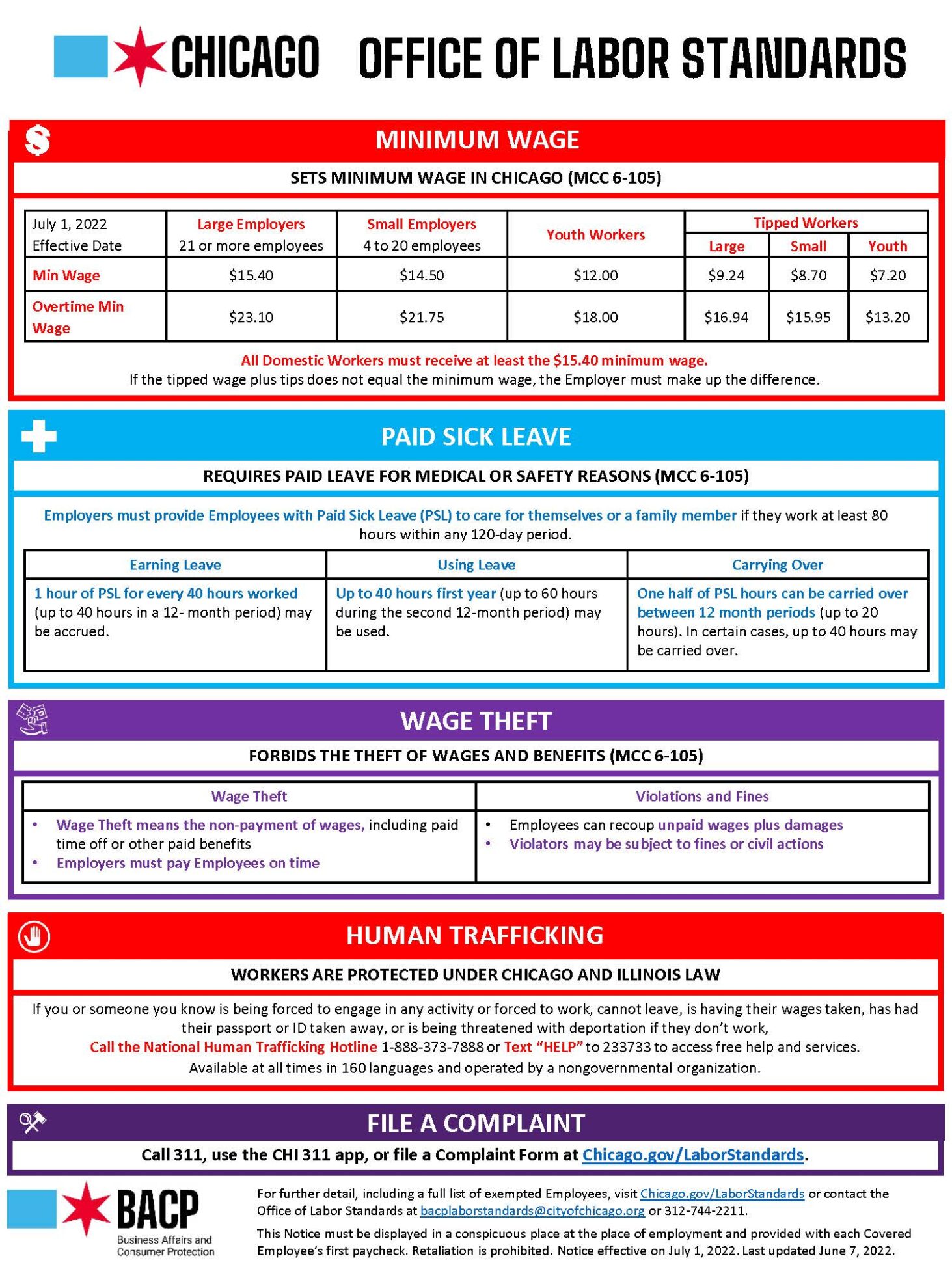
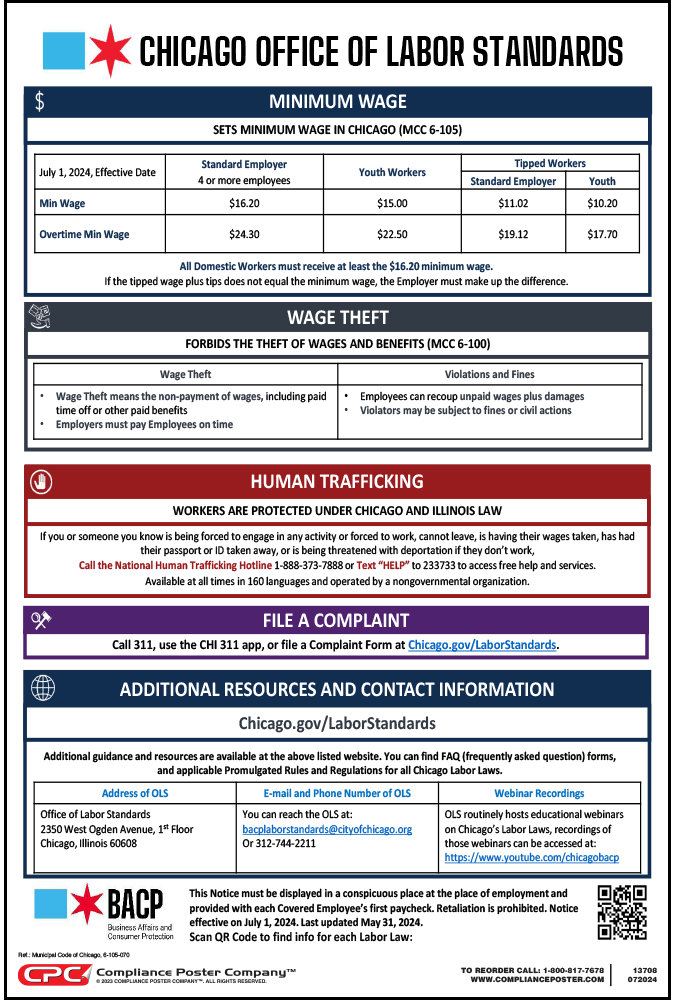
The minimum wage in Chicago has seen progressive increases over the past decade, moving towards a goal of a higher living wage. As of July 1, 2023, the minimum wage for most employers in Chicago is $15.80 per hour. This rate applies to employers with 21 or more employees. For smaller employers, those with 4 to 20 employees, the minimum wage is set at $15.00 per hour. These figures are subject to annual adjustments based on the Consumer Price Index (CPI), ensuring that the wage keeps pace, to some extent, with inflation and the rising cost of living.
These annual adjustments typically occur on July 1st of each year, following a review of economic data. The city’s Department of Business Affairs and Consumer Protection (BACP) plays a crucial role in monitoring compliance and communicating these changes to the public and business community. Staying informed about these rates is essential for both employees calculating their earnings and businesses managing their payroll.
Tiered System for Different Employers
The distinction between large and small employers is a notable feature of Chicago’s minimum wage ordinance. This tiered system acknowledges that larger corporations often have greater financial capacity to absorb wage increases compared to smaller, independently owned businesses that might operate on tighter margins. This pragmatic approach aims to prevent undue strain on small businesses, which are vital contributors to Chicago’s local economy and neighborhood character.
Furthermore, Chicago also has specific provisions for tipped employees. While the standard minimum wage applies, employers of tipped workers (those who regularly receive more than $20 per month in tips) are allowed to pay a lower hourly cash wage, provided that the employee’s tips, combined with their cash wage, meet or exceed the city’s full minimum wage. As of July 1, 2023, the minimum cash wage for tipped employees is $9.48 per hour for large employers and $9.00 per hour for small employers. However, Chicago has committed to phasing out the subminimum wage for tipped workers by 2028, a move that will significantly alter the compensation structure for thousands of service industry professionals. This gradual elimination aims to provide greater financial stability for workers in sectors like hospitality and food service, which are integral to Chicago’s vibrant lifestyle.
Impact on the Local Economy and Workforce
The minimum wage in Chicago is more than just a regulatory figure; it’s a powerful lever that influences the city’s economic vitality and the daily lives of its diverse workforce. Its setting and evolution have profound implications for purchasing power, labor market dynamics, and the overall cost of living, shaping the lifestyle choices available to residents.
Cost of Living Considerations in Chicago
Chicago is known for its incredible cultural offerings, world-class dining, and stunning architecture, but it also carries a significant cost of living. Housing, transportation, groceries, and utilities are generally higher than the national average. A robust minimum wage is seen as essential to allow low-wage workers to afford basic necessities and participate meaningfully in the city’s economy. Without a competitive minimum wage, the disparity between income and expenses could lead to increased financial strain, affecting everything from housing stability to access to healthcare and educational opportunities.
For instance, affording rent in popular neighborhoods like Lincoln Park or Wicker Park on a minimum wage income alone can be challenging. Many minimum wage earners often rely on multiple jobs, shared housing, or public assistance to make ends meet. The city’s efforts to increase the minimum wage are, in part, an acknowledgment of these realities, aiming to provide a safety net and a pathway to a more sustainable lifestyle for its working population. The ongoing debate around minimum wage often centers on this delicate balance: providing a decent standard of living for workers versus potential impacts on business profitability and consumer prices.
Challenges and Opportunities for Low-Wage Workers
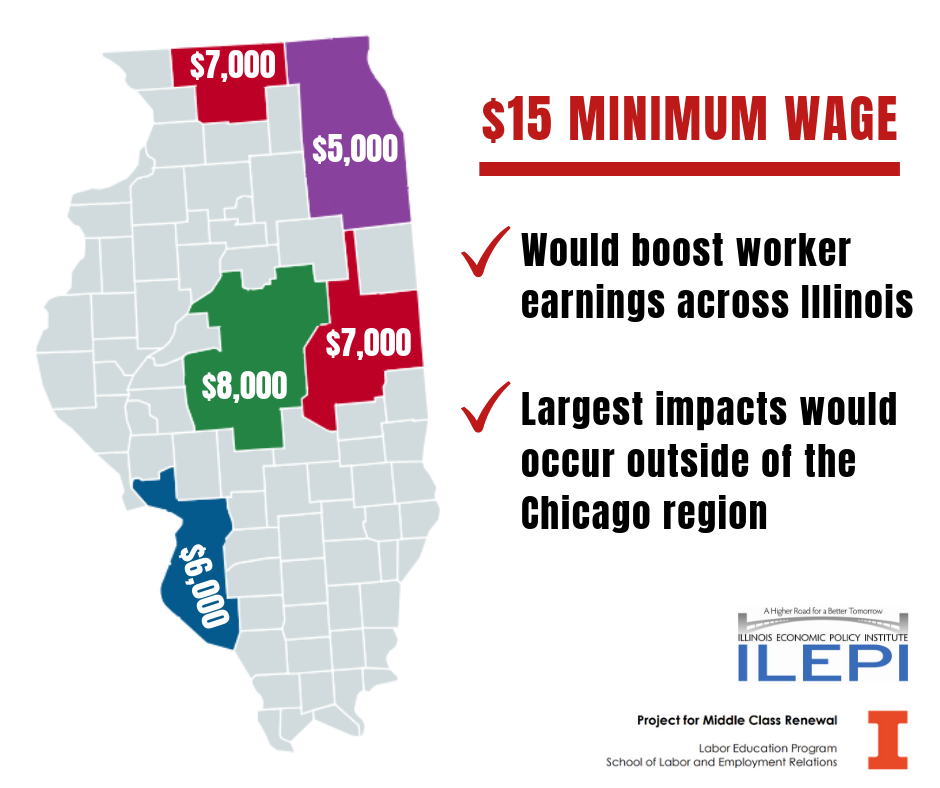
For low-wage workers in Chicago, the minimum wage represents both a challenge and an opportunity. The challenge lies in still navigating the high cost of living, even with increased wages. While a higher minimum wage improves their purchasing power, it doesn’t entirely erase the financial pressures in an expensive city. Workers may still struggle with student loan debt, healthcare costs, and saving for the future.
However, the opportunities are significant. A higher minimum wage can lead to improved morale, reduced turnover, and increased productivity among employees. It can also provide opportunities for workers to save for education or skill training, enabling upward mobility. For many, it means the ability to afford small luxuries or experiences that contribute to a richer lifestyle, whether it’s dining out occasionally, visiting a museum, or participating in community events. The phase-out of the subminimum wage for tipped workers, in particular, is poised to offer greater financial predictability and stability, empowering these workers with more consistent take-home pay, reducing their reliance on the often-fluctuating nature of tips. This shift could significantly enhance their quality of life and financial planning capabilities.
Navigating Chicago on a Budget: A Traveler’s Perspective
For visitors, especially those exploring Chicago with a focus on budget-friendly experiences, understanding the local minimum wage indirectly offers insights into the city’s pricing structures and service culture. It helps travelers set realistic expectations for costs related to dining, services, and local attractions, enhancing their overall lifestyle experience in the city.
Dining and Entertainment on a Minimum Wage Budget
Chicago’s culinary scene is world-renowned, but dining out can quickly deplete a travel budget. Knowing that service industry workers earn a relatively high minimum wage (especially with the upcoming changes for tipped workers) can influence tipping habits, recognizing that staff are generally compensated more fairly than in areas with lower minimum wages. This can also mean that menu prices in some establishments might subtly reflect these labor costs.
However, Chicago is also a haven for affordable eats. From famous deep-dish pizza joints like Lou Malnati’s to casual hot dog stands and diverse ethnic eateries in neighborhoods like Pilsen or Uptown, there are countless options to enjoy delicious food without breaking the bank. Travelers on a budget can embrace the local lifestyle by seeking out these more accessible dining experiences. Free entertainment options abound, too, such as strolling through Millennium Park to see the Cloud Gate sculpture (the “Bean”), exploring the Lincoln Park Zoo, or enjoying the city’s public art. Understanding the minimum wage helps travelers appreciate the value of labor behind the services they enjoy and plan their discretionary spending accordingly.
Accommodation and Transportation Strategies
Accommodation is often the largest expense for travelers. While Chicago boasts numerous luxury hotels, budget-conscious visitors can find hostels, guesthouses, or more affordable hotels further from the immediate downtown core. The minimum wage indirectly impacts the cost of cleaning staff and other hotel services, which can contribute to overall room rates. Researching neighborhoods like River North or Streeterville for deals, or opting for Airbnb-style rentals in slightly less central but well-connected areas, are popular strategies.
Chicago’s public transportation system, the CTA, is extensive and affordable, making it an excellent option for budget travel. A Ventra card provides easy access to buses and trains, allowing travelers to reach most attractions without needing expensive taxis or ride-shares. Understanding that city services and public transport are supported by a local economy where workers earn a decent wage gives a broader perspective on the value and efficiency of these urban amenities. For those on a tight budget, the focus shifts to maximizing free or low-cost activities and utilizing the city’s infrastructure effectively, aligning with a more local and immersive lifestyle experience.
Entrepreneurial Insights: Operating a Business in Chicago
For entrepreneurs and businesses considering establishing or expanding operations in Chicago, the minimum wage is a critical factor in strategic planning and financial forecasting. It shapes labor costs, influences pricing strategies, and plays a significant role in attracting and retaining talent, directly impacting the viability and growth of enterprises within the city’s unique economic ecosystem.
Wage Compliance for Small Businesses
Operating a small business in Chicago requires diligent attention to the city’s minimum wage laws. The tiered system, with different rates for small (4-20 employees) and large (21+ employees) businesses, necessitates careful employee counting and classification. For many local enterprises, particularly those in the hospitality, retail, and service sectors, payroll is a substantial operating expense. Compliance means not only paying the correct hourly rate but also understanding overtime rules, proper record-keeping, and the gradual phase-out of the tipped wage credit.
Failing to comply can result in significant penalties, back pay, and damage to a business’s reputation. Therefore, small business owners must stay informed about annual wage updates and often consult with legal or HR professionals to ensure adherence. This focus on ethical labor practices is part of the lifestyle of doing business responsibly in a progressive city like Chicago, contributing to a more equitable local economy.
Attracting and Retaining Talent
In a competitive job market like Chicago’s, offering competitive wages is paramount for attracting and retaining skilled and motivated employees. While the minimum wage sets a floor, many businesses find they need to pay above this threshold to stand out, especially for positions requiring specific skills or experience. A higher minimum wage contributes to a more stable workforce, reducing turnover and the associated costs of recruitment and training. Employees who feel fairly compensated are generally more engaged and productive.
For businesses, especially those that pride themselves on being community-focused or progressive, paying a living wage beyond the minimum can also be a point of pride and a marketing advantage. It aligns with a socially conscious business lifestyle, appealing to both employees and customers who value ethical labor practices. Understanding the minimum wage context helps businesses not just meet legal requirements, but strategically position themselves as desirable employers within Chicago’s dynamic labor landscape, fostering a positive work environment and contributing to the city’s overall prosperity.
LifeOutOfTheBox is a participant in the Amazon Services LLC Associates Program, an affiliate advertising program designed to provide a means for sites to earn advertising fees by advertising and linking to Amazon.com. Amazon, the Amazon logo, AmazonSupply, and the AmazonSupply logo are trademarks of Amazon.com, Inc. or its affiliates. As an Amazon Associate we earn affiliate commissions from qualifying purchases.