
Understanding the economic landscape of a destination is a critical component of successful budget travel planning. For those eyeing the Sunshine State, whether for a brief vacation, an extended stay, or even considering a seasonal work opportunity, knowing “What Is Minimum Wage Florida?” is more than just a trivial fact; it’s a foundational element for budgeting and managing expectations for an affordable lifestyle experience. Florida’s minimum wage impacts everything from the cost of local services to the viability of living comfortably on a budget, directly influencing decisions for lifestyle travelers.
Understanding Florida’s Minimum Wage Landscape
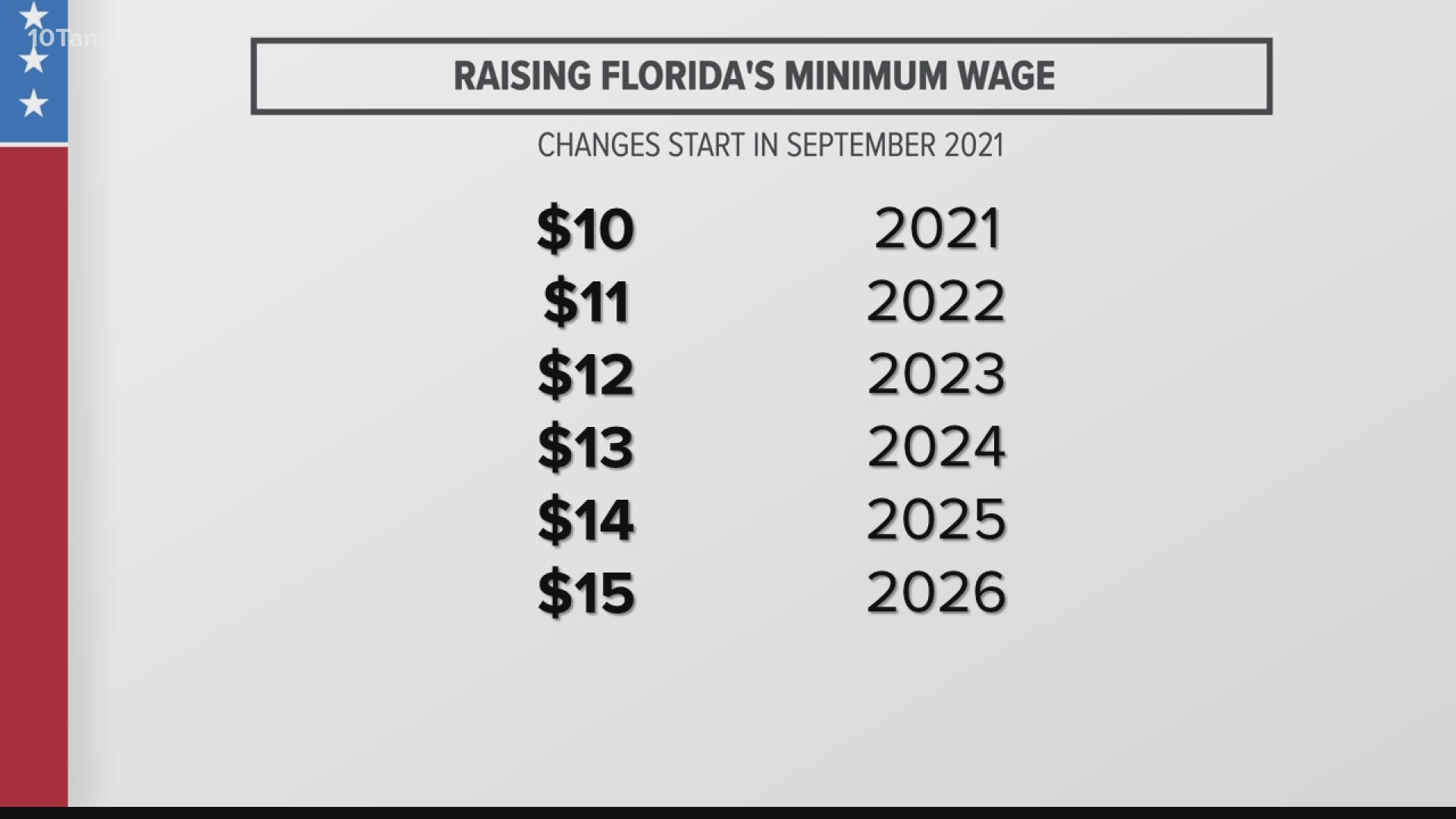
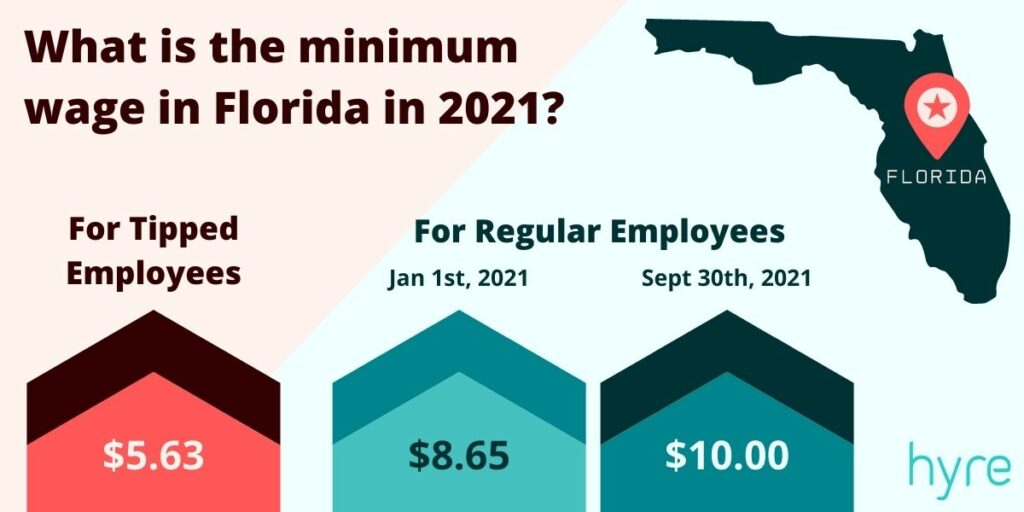
Florida has embarked on a structured path to gradually increase its minimum wage, a trajectory that significantly affects the cost of goods and services, and by extension, the budget required for travelers. Historically, the state’s minimum wage was subject to annual adjustments based on inflation. However, a significant shift occurred with the passage of Amendment 2 in November 2020, which mandated a progressive increase of the minimum wage to $15 per hour by September 30, 2026. This means that each year, on September 30th, the minimum wage sees an increase. For context, as of September 30, 2023, Florida’s minimum wage rose to $12.00 per hour. Tipped employees also have a minimum cash wage that is lower, with employers able to take a tip credit, provided the total hourly earnings meet or exceed the state’s full minimum wage. This structured increase provides predictability for businesses and, importantly, for travelers and potential temporary residents assessing their financial needs.
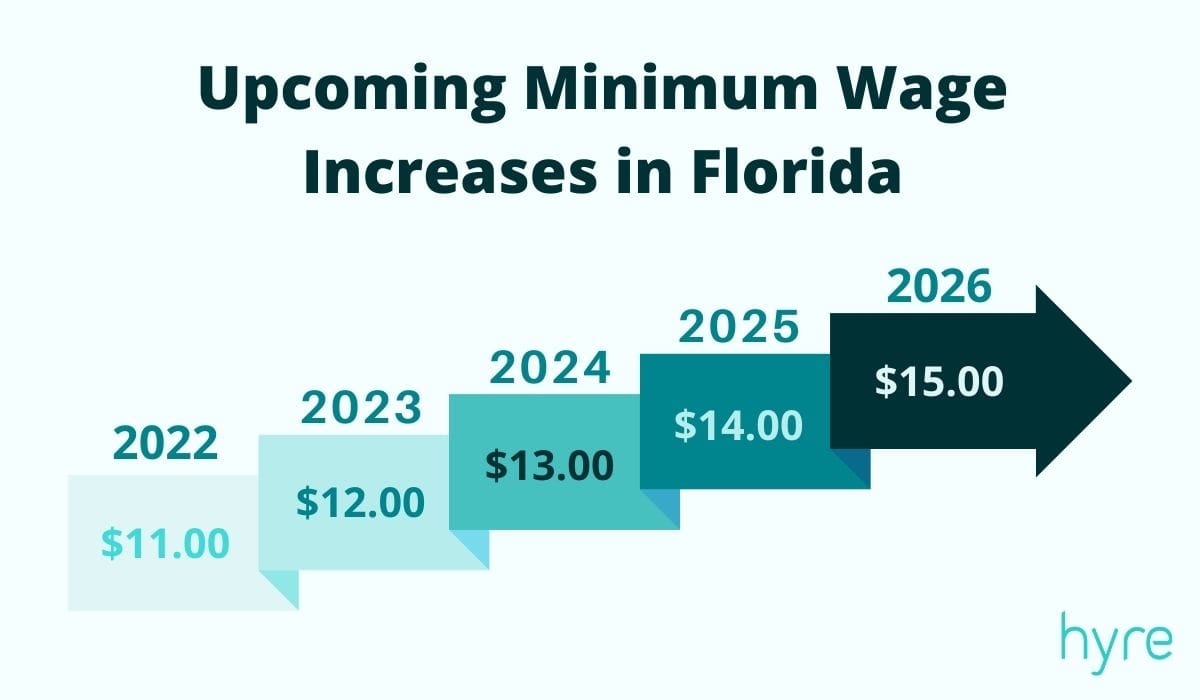
This statewide mandate means that whether you are in the bustling metropolises of Miami or Orlando, or the serene shores of Key West, the base wage for entry-level employment and the underlying cost structure for many services will reflect these figures. While the federal minimum wage exists, Florida’s higher state minimum wage takes precedence, offering a better baseline for workers and impacting the local economy more directly. This gradual rise directly influences the cost of living and the pricing of various consumer goods and services, which are critical considerations for budget-conscious lifestyle travelers aiming to maximize their Florida experience without overspending.
Impact on Daily Expenses for Budget Travelers
The minimum wage, while seemingly a figure primarily for residents, subtly shapes the economic environment that travelers encounter. For those pursuing a lifestyle of budget travel, understanding its ripple effects on daily expenses is paramount.
Food Costs
The cost of labor plays a significant role in the pricing of food, whether it’s dining out or purchasing groceries. As Florida’s minimum wage increases, so too does the operational cost for restaurants, cafes, and grocery stores. Budget travelers might find that eating out at even casual eateries, particularly in high-tourism areas like South Beach or near theme parks, demands a larger portion of their daily budget. This necessitates a strategic approach: prioritizing local diners over upscale restaurants, taking advantage of happy hour specials, or, most effectively, utilizing grocery stores for meal preparation. Supermarkets like Publix, Winn-Dixie, or Aldi can become a budget traveler’s best friend, allowing for significant savings compared to frequent restaurant visits.
Transportation
While minimum wage doesn’t directly dictate gas prices or public transport fares, it does influence the operational costs of ride-sharing services and local bus networks, which can indirectly lead to adjustments in pricing. In sprawling cities like Orlando and Tampa, where attractions are often spread out, reliable and affordable transportation is essential. Budget travelers should research public transport options—which are generally more developed in urban cores—or consider carpooling if traveling in groups. Rental cars can be economical for exploring vast regions or multiple destinations but come with the added costs of fuel, parking, and insurance. The affordability of these services is tangentially linked to the labor costs in the service sector.
Activities & Entertainment
Florida is synonymous with world-class attractions such as Walt Disney World Resort, Universal Studios Florida, and the Kennedy Space Center Visitor Complex. These venues, and many others, employ a vast workforce, many of whom earn minimum wage or slightly above. Increases in the minimum wage can contribute to the overall operational costs, potentially reflecting in ticket prices, food and beverage within the parks, and souvenir costs. For budget travelers, this underscores the importance of seeking out free or low-cost alternatives. Florida’s natural beauty—its pristine beaches, numerous state parks, and scenic trails—offers abundant opportunities for enjoyment that are often free or require only a modest entrance fee. Exploring historic districts like St. Augustine or vibrant street art scenes can also provide rich cultural experiences without breaking the bank.
Budgeting Strategies for an Affordable Florida Experience
Navigating Florida on a budget requires foresight and smart choices, especially when considering the state’s economic baseline. Effective strategies can significantly stretch your travel funds, allowing for a richer, more extended experience.
Meal Planning and Culinary Savings
Beyond grocery shopping, savvy meal planning involves leveraging local farmers’ markets for fresh produce and artisan goods, which can often be more cost-effective and provide a taste of local culture. Look for lunch specials, early bird dinners, or happy hour menus, which offer restaurant-quality food at reduced prices. Many eateries in popular tourist zones offer “kids eat free” promotions or bundled family meals that can represent substantial savings. Utilizing portable coolers for snacks and drinks when heading to the beach or theme parks can also dramatically cut down on impulse purchases at higher tourist prices.
Smart Transportation Choices
For short distances, walking and cycling are not only free but also offer a unique way to experience local neighborhoods and uncover hidden gems. In cities with robust public transit, such as Miami’s Metromover or Orlando’s Lynx system, purchasing multi-day passes can be highly economical. For longer journeys between cities, intercity bus services or Amtrak often present more affordable alternatives to flights or extensive car rentals. Ride-sharing apps can be convenient but should be used strategically for specific routes or times when public transport isn’t feasible, always checking surge pricing.
Engaging in Free and Low-Cost Activities
Florida’s allure often lies in its natural splendor and vibrant community events. Miles of public beaches, from the Gulf Coast to the Atlantic, offer free access to sun, sand, and surf. State parks, like the Everglades National Park or Bahia Honda State Park, provide incredible opportunities for hiking, kayaking, and wildlife viewing for a minimal entry fee. Many cities host free cultural festivals, outdoor concerts, and art walks throughout the year. Checking local tourism boards and community calendars before your trip can reveal a wealth of budget-friendly activities.
Accommodation Alternatives
Beyond traditional hotels, budget-conscious travelers can explore a variety of lodging options. Hostels, particularly in vibrant areas, offer dorm beds or private rooms at a fraction of hotel costs, often including communal kitchens that further aid in budget management. Vacation rentals through platforms like Airbnb or VRBO can be excellent for groups or longer stays, providing kitchen facilities and more living space. Consider staying slightly outside the main tourist hubs; areas just a short drive from major attractions often offer significantly lower rates for similar quality accommodations. Traveling during the shoulder seasons (spring or fall) can also lead to substantial savings on lodging and flights, as demand is lower than during peak winter or summer.
The Broader Economic Picture for Lifestyle Travelers
For those contemplating an extended stay, digital nomad experience, or seasonal work in Florida, understanding the broader economic picture relative to the minimum wage is vital. It’s not just about what you earn, but what that earning power can actually buy you in the local economy.
Cost of Living vs. Minimum Wage
While Florida’s minimum wage is on a rising trend, the cost of living in many of its desirable areas, particularly major cities like Miami, Orlando, Tampa, or Naples, remains substantial. Housing, whether rent or mortgage, is a primary driver of expense. Utilities, transportation, and even groceries can be pricier in urban centers. This disparity means that earning only the minimum wage, even for a single individual, can be challenging without careful budgeting and potentially multiple income streams. Lifestyle travelers considering long-term stints must realistically assess whether their expected income aligns with the local cost of living in their chosen region.
Job Opportunities for Travelers
Florida’s robust tourism and hospitality sectors offer numerous entry-level job opportunities for travelers seeking to work while exploring. Positions in theme parks (Walt Disney World Resort, Busch Gardens Tampa Bay), hotels, resorts, restaurants, and retail establishments frequently pay at or near the state’s minimum wage. While these roles can provide valuable income and a unique cultural immersion, it’s crucial to understand that living solely on minimum wage in a popular tourist destination requires stringent financial discipline. Many seasonal workers opt for shared accommodation or employer-provided housing to manage costs effectively.
Regional Variations in Cost of Living
Despite a statewide minimum wage, the actual purchasing power of that wage varies significantly across Florida’s diverse regions. Metropolitan areas like Miami and Fort Lauderdale are known for their high cost of living, particularly housing. In contrast, smaller cities or more rural parts of the state might offer a more affordable existence. For digital nomads or those considering an extended stay, researching specific locales beyond just the big names can reveal more budget-friendly options that still provide access to Florida’s lifestyle. This regional variability is a key factor in determining where one can stretch their budget furthest while enjoying the state’s offerings.
Maximizing Your Florida Lifestyle on a Budget
Living the Florida dream doesn’t have to equate to a high expenditure. By being strategic and embracing certain aspects of the travel lifestyle, you can enjoy all that the state has to offer without compromising your financial goals.
Seasonal Considerations
Timing your visit can significantly impact your budget. Florida’s peak tourist seasons typically run from late fall through early spring, especially during holidays and school breaks. During these periods, demand for flights, accommodations, and even popular attractions drives prices up. Conversely, visiting during the summer or late spring (often referred to as the shoulder seasons) can yield substantial savings. While the summer heat and humidity are more intense, and afternoon thunderstorms are common, the reduced crowds and lower prices on hotels and certain activities can make it an attractive option for budget travelers.
Local Deals and Discounts
Always be on the lookout for local deals. Many Florida attractions, restaurants, and tours offer discounts for specific groups (students, seniors, military personnel) or through online coupon sites and local deal aggregators. Purchasing city passes or multi-attraction tickets can also provide significant savings if you plan to visit several paid venues. For those considering a longer stay, joining local loyalty programs for grocery stores or cafes can accumulate savings over time. Even simply asking locals for recommendations can lead to discovering hidden gems that are both authentic and affordable.
Embracing the Local Culture Affordably
To truly experience Florida without overspending, immerse yourself in the local culture beyond the main tourist traps. Attend free outdoor concerts in public parks, explore historic downtown areas, or spend a day at a lesser-known beach. Farmers’ markets offer not just affordable fresh produce but also a vibrant community atmosphere. Engage with local residents; they often have the best insights into free events, affordable eateries, and unique experiences that won’t strain your wallet. Florida’s diverse cultural tapestry, from its Latin influences in Miami to its historic Spanish roots in St. Augustine, offers countless opportunities for rich, low-cost exploration. By being mindful of the minimum wage’s economic influence and employing smart budgeting strategies, a fulfilling and affordable Florida lifestyle experience is well within reach for the savvy traveler.
LifeOutOfTheBox is a participant in the Amazon Services LLC Associates Program, an affiliate advertising program designed to provide a means for sites to earn advertising fees by advertising and linking to Amazon.com. Amazon, the Amazon logo, AmazonSupply, and the AmazonSupply logo are trademarks of Amazon.com, Inc. or its affiliates. As an Amazon Associate we earn affiliate commissions from qualifying purchases.