
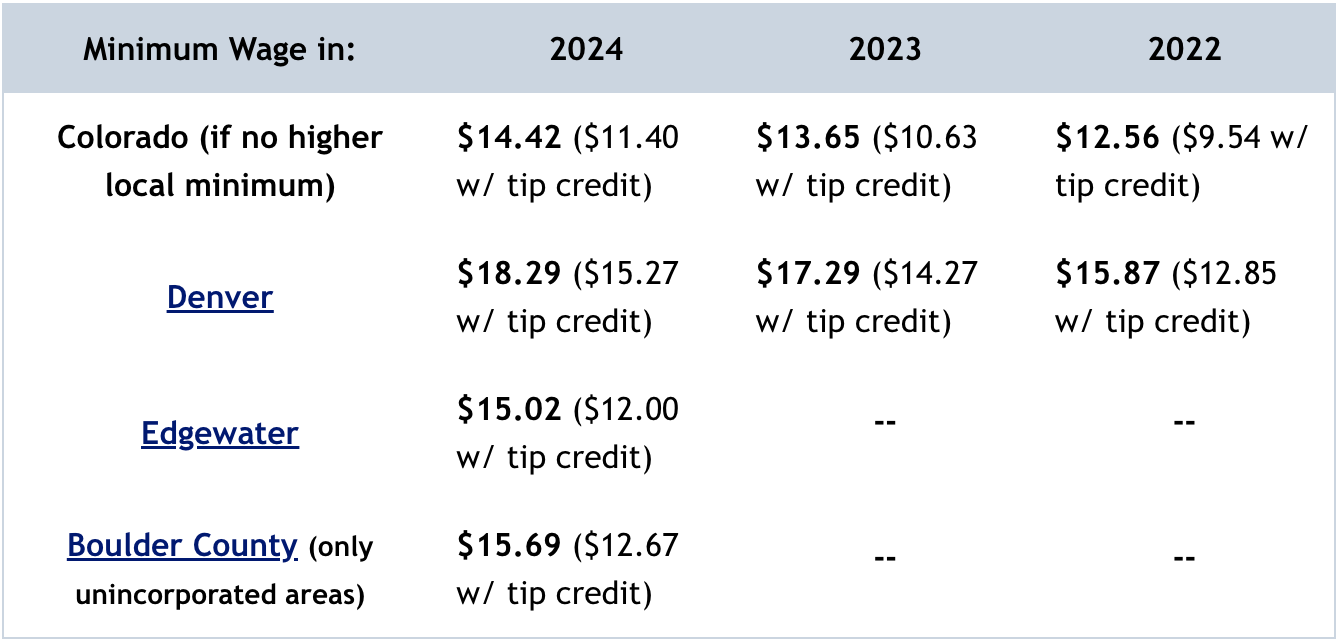
The minimum wage in Colorado is a dynamic figure, directly impacting the livelihoods of a significant portion of the state’s workforce and influencing the economic landscape for businesses. As of January 1, 2024, the state’s minimum wage stands at $13.65 per hour. This figure represents an increase from the previous year, reflecting adjustments for inflation and the ongoing commitment to ensure a basic standard of living for workers across the Centennial State. Understanding the nuances of this wage, its history, and its implications is crucial for residents, employers, and anyone considering economic engagement within Colorado.
Understanding Colorado’s Minimum Wage Structure
Colorado has a state-level minimum wage that applies to most employees. However, there are specific exceptions and considerations that shape its practical application. The state’s approach is generally set by statute and is adjusted annually to account for changes in the cost of living, primarily through the Consumer Price Index.
The General Minimum Wage
The $13.65 per hour rate is the baseline for most hourly employees in Colorado. This rate applies across various industries, from retail and hospitality to service sectors and administrative roles. It is designed to provide a foundational income level, ensuring that full-time work can support basic needs.
Tipped Employees
A significant distinction in Colorado’s minimum wage law concerns tipped employees. For individuals who customarily and regularly receive more than $30 per month in tips, the cash wage employers are required to pay is $10.50 per hour. The combined cash wage and tips must at least equal the standard minimum wage of $13.65 per hour. If an employee’s tips combined with the cash wage do not reach $13.65, the employer must make up the difference. This dual system aims to acknowledge the supplementary income tips can provide while still ensuring a guaranteed minimum earning. It’s important for both employers and employees to understand this distinction to ensure compliance and fair compensation.
Exclusions and Exceptions
While the general minimum wage and the tipped employee wage cover a vast majority of workers, certain categories of employees are excluded by state or federal law. These typically include:
- Independent Contractors: Individuals who are classified as independent contractors rather than employees are not subject to minimum wage laws. The classification of an individual as an employee or independent contractor is based on specific legal tests that consider the degree of control the hiring party has over the work.
- Agricultural Labor: Some agricultural workers may have different wage regulations, often governed by specific agricultural labor laws.
- Certain Learners and Trainees: In some limited circumstances, employers may be permitted to pay a sub-minimum wage to learners or trainees under strict conditions and with proper authorization.
- Executive, Administrative, and Professional Employees: Employees who meet specific salary thresholds and perform certain exempt duties are typically exempt from minimum wage requirements under both state and federal laws.
It is crucial for businesses to accurately classify their workers and adhere to the relevant wage regulations for each category to avoid legal penalties.
The Impact of Minimum Wage on Colorado’s Economy and Lifestyle
The minimum wage in Colorado plays a pivotal role in shaping the state’s economy and influencing the daily lives of its residents. Its effects ripple through various sectors, from local businesses to the broader cost of living.
Economic Implications for Businesses
For businesses, particularly small and medium-sized enterprises, changes in the minimum wage can represent a significant operational cost. Increased labor expenses can lead to adjustments in pricing, hiring practices, and investment in automation or efficiency improvements. However, proponents argue that a higher minimum wage can also stimulate the economy by increasing consumer spending power among low-wage workers. This can lead to higher demand for goods and services, potentially benefiting businesses in the long run. The debate often centers on finding a balance between ensuring worker well-being and maintaining business competitiveness.
Impact on Cost of Living and Lifestyle

Colorado has experienced a notable increase in its cost of living, particularly in areas like housing and transportation. For individuals earning minimum wage, this presents a constant challenge in meeting basic needs. The minimum wage adjustments are intended to help close this gap, allowing workers to better afford essentials. For many, this translates into improved housing security, better access to healthcare, and the ability to participate more fully in the state’s vibrant cultural and recreational offerings. However, in rapidly appreciating markets like Denver or Boulder, even the current minimum wage can make affording a comfortable lifestyle a struggle for many individuals and families.
Tourism and Service Industry Considerations
The tourism and hospitality sectors are significant employers in Colorado, known for its stunning natural beauty and popular ski resorts like those in Aspen and Vail. These industries often employ a substantial number of individuals at or near minimum wage. Changes in minimum wage directly affect the operational costs for hotels, restaurants, and tour operators. Businesses in popular tourist destinations must carefully consider how wage adjustments influence their pricing strategies for accommodations, dining, and activities, while also ensuring fair compensation for the staff who provide essential services to visitors. This delicate balance is key to maintaining Colorado’s appeal as a premier travel destination.
Navigating Minimum Wage: A Guide for Employees and Employers
For both individuals earning the minimum wage and the businesses that employ them, understanding the regulations and best practices is paramount. This knowledge fosters compliance, promotes fair labor practices, and contributes to a healthier economic environment.
Employee Rights and Responsibilities
Employees in Colorado have the right to be paid at least the state minimum wage for all hours worked, with specific rules applying to tipped employees. They are entitled to receive pay stubs that accurately reflect their hours worked, rate of pay, and deductions. Employers are prohibited from retaliating against employees who inquire about or assert their rights regarding minimum wage. If an employee believes they are not being paid correctly, they can file a wage claim with the Colorado Department of Labor and Employment.
Key responsibilities for employees include:
- Accurately recording all hours worked.
- Understanding their pay structure, especially if they are a tipped employee.
- Familiarizing themselves with their rights under state and federal labor laws.
Employer Compliance and Best Practices
For employers, adherence to minimum wage laws is not just a legal obligation but also a cornerstone of ethical business practice. Non-compliance can result in significant penalties, including back wages, fines, and legal fees.
Essential compliance measures for employers include:
- Accurate Record Keeping: Maintaining detailed records of employee hours, wages paid, and tips received is critical.
- Proper Classification: Ensuring that all workers are correctly classified as employees or independent contractors.
- Awareness of Updates: Staying informed about annual minimum wage adjustments and any changes in legislation.
- Clear Communication: Communicating pay rates and policies clearly to all employees.
- Training for Managers: Equipping managers with the knowledge to correctly implement wage policies and handle employee inquiries.
Resources for Further Information
The Colorado Department of Labor and Employment is the primary resource for detailed information on minimum wage laws, including specific regulations, forms, and contact information for wage disputes. Federal labor laws, such as the Fair Labor Standards Act (FLSA), also play a role, and employers must comply with whichever law provides the greater benefit to the employee. Staying informed through official channels ensures that both employees and employers can navigate the complexities of minimum wage in Colorado effectively.

The Future of Minimum Wage in Colorado
The conversation around minimum wage is ongoing, reflecting evolving economic conditions and societal expectations. In Colorado, discussions about potential increases, the impact of inflation, and the alignment with the cost of living are recurrent themes. As the state continues to grow and attract new residents and businesses, the minimum wage will undoubtedly remain a significant point of consideration for policymakers, economists, and the broader community. Future adjustments will likely continue to be tied to metrics such as inflation, aiming to strike a balance between supporting workers and fostering a robust economic environment for all. The goal is to ensure that Colorado remains a place where hard work can lead to a sustainable and prosperous life.
LifeOutOfTheBox is a participant in the Amazon Services LLC Associates Program, an affiliate advertising program designed to provide a means for sites to earn advertising fees by advertising and linking to Amazon.com. Amazon, the Amazon logo, AmazonSupply, and the AmazonSupply logo are trademarks of Amazon.com, Inc. or its affiliates. As an Amazon Associate we earn affiliate commissions from qualifying purchases.