
California, a state synonymous with innovation, diverse landscapes, and a vibrant lifestyle, is also at the forefront of progressive labor policies. For anyone planning a trip, considering a move, or simply interested in the economic dynamics of the Golden State, understanding the current minimum wage is crucial. It’s not just a number; it’s a foundational element that shapes everything from the cost of your morning coffee to the price of a night at a luxury resort, influencing the broader travel, tourism, and accommodation landscape across the state.
As of January 1, 2024, the statewide minimum wage in California stands at $16.00 per hour for all employers, regardless of size. This significant figure reflects the state’s commitment to providing its workforce with a living wage, particularly in an economy known for its high cost of living. However, this is just the baseline. The true picture of minimum wage in California is far more nuanced, with many cities and counties setting their own higher standards, directly impacting the budgeting strategies of travelers and the operational costs of businesses in the hospitality sector.

This article delves into the specifics of California’s minimum wage, exploring its regional variations, and critically, its profound impact on the travel experience, accommodation choices, and the general lifestyle you can expect when visiting or residing in this iconic state. Whether you’re a budget-conscious backpacker, a luxury seeker, or someone curious about the economic pulse of a major tourist destination, understanding these wage policies will provide invaluable insight.
Understanding California’s Minimum Wage Landscape
The complexity of California’s minimum wage structure goes beyond a single statewide figure. It’s a dynamic system designed to address the varying economic realities across its vast and diverse regions.
The Statewide Standard and Its Evolution
The $16.00 per hour statewide minimum wage, effective from the start of 2024, applies uniformly across California for all employers. This figure represents the culmination of a multi-year effort to gradually increase the minimum wage, which began with legislation passed nearly a decade ago. This predictable annual increase has allowed businesses to adjust and has provided workers with greater financial stability.
Historically, California’s minimum wage has steadily climbed, often surpassing federal standards and demonstrating a commitment to supporting its labor force. This progressive approach is particularly relevant for the tourism industry, where many roles, from hotel housekeepers to restaurant servers and attraction staff, often start at or near the minimum wage. For travelers, this means that while labor costs are higher for businesses, it also contributes to a generally more stable and professional workforce dedicated to providing quality service, impacting the overall travel experience.
Local Ordinances and Higher Wages in Tourist Hotspots
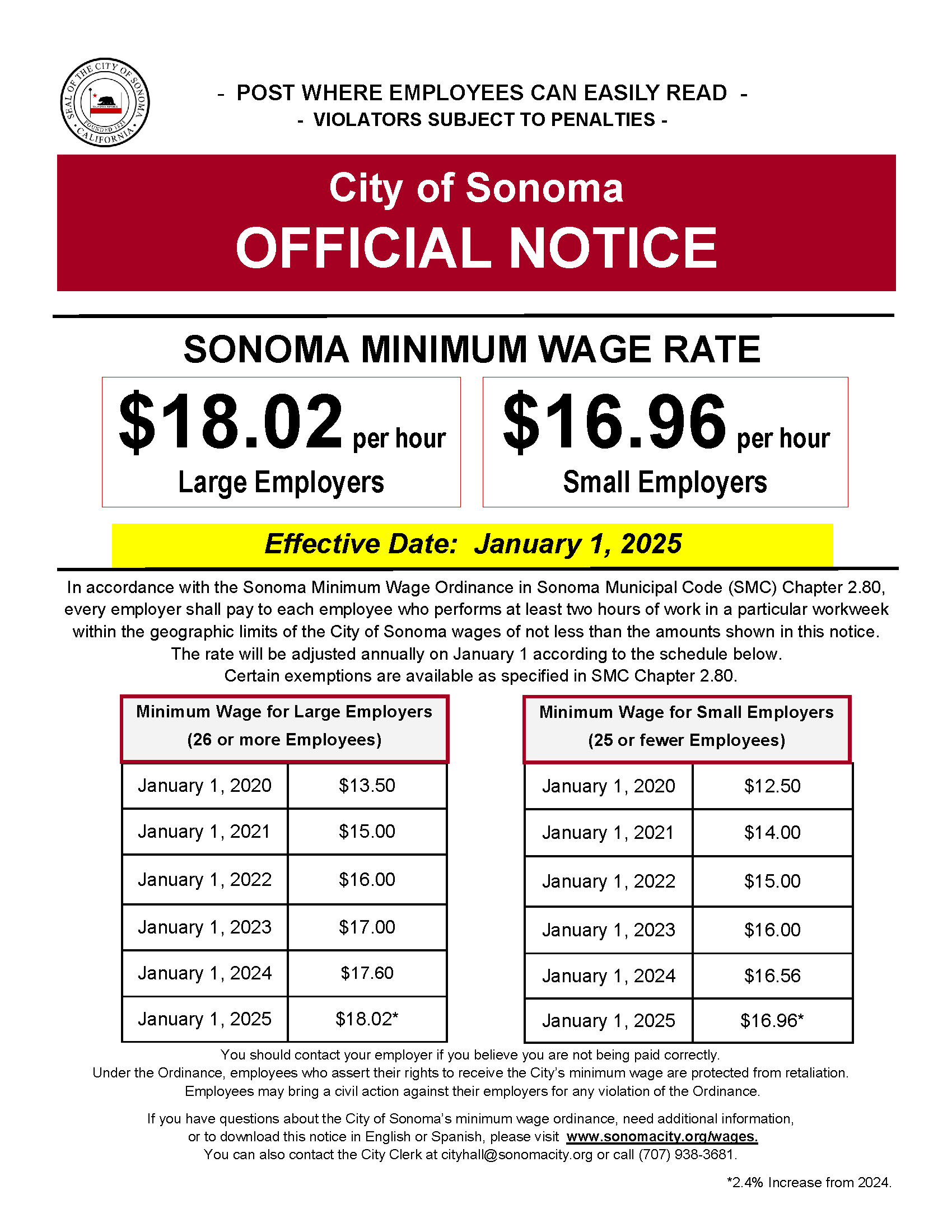
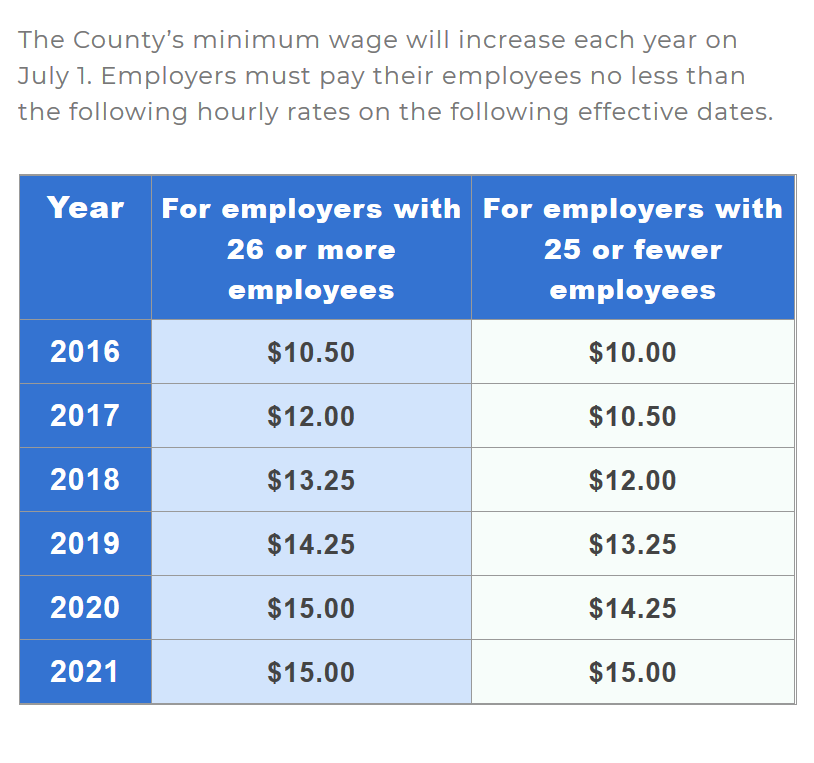
One of the most distinctive aspects of California’s wage policy is the prevalence of local minimum wage ordinances that often exceed the state minimum. Popular tourist destinations and major metropolitan areas frequently have the highest local minimum wages, reflecting their elevated cost of living. This is where the landscape becomes particularly intricate for visitors and those looking to work in these areas.
For example, cities like San Francisco have long been leaders in setting their own minimum wage standards, often adjusting them annually based on the Consumer Price Index. As of July 1, 2024, San Francisco’s minimum wage is set to rise to $18.07 per hour. Similarly, Santa Monica, a picturesque coastal city popular for its beaches and pier, will see its minimum wage increase to $17.27 per hour on the same date.
Other major cities with notable minimum wages include Los Angeles City ($16.90 per hour, effective July 1, 2024), San Diego ($16.85 per hour, effective January 1, 2024), and Oakland ($16.90 per hour, effective January 1, 2024). Even smaller, affluent communities like Emeryville and Berkeley boast significantly higher rates, reaching $19.00 and $18.67 per hour respectively by July 1, 2024. These figures are crucial for understanding the true cost of accommodation, dining, and activities in these popular urban centers. Higher labor costs inevitably translate to higher prices for consumers, a critical consideration for travelers budgeting their trips.
Specialized Wage Requirements: The Fast Food Worker Minimum Wage
Adding another layer of specificity, California recently introduced a groundbreaking minimum wage specifically for fast-food workers. Effective April 1, 2024, the minimum wage for employees of fast-food chains with more than 60 locations nationwide rose to $20.00 per hour. This legislation, known as AB 1228, significantly impacts a highly visible sector of the service industry.
This targeted increase is particularly relevant for tourists, as fast-food establishments are often a convenient and sometimes budget-friendly option for meals. While the intent is to improve the living standards of fast-food workers, the immediate effect can be seen in menu prices. Visitors will likely notice that a quick meal in California, especially in popular urban and tourist areas, might cost more than in other states. This specific wage hike underscores California’s commitment to ensuring fair compensation even in entry-level service roles, further shaping the economic landscape for both residents and visitors.
Minimum Wage and the California Travel Experience
The minimum wage isn’t merely a legislative detail; it’s a fundamental economic factor that directly influences every aspect of a California journey, from where you stay to what you eat and the overall vibe of your visit.
Impact on the Hospitality and Tourism Sector
For an industry built on service, the minimum wage plays an outsized role in the hospitality and tourism sector. Hotels, restaurants, theme parks like Disneyland Resort and Universal Studios Hollywood, and countless other attractions rely heavily on a labor force that often earns at or near minimum wage.
Higher Labor Costs, Higher Prices: The direct consequence of a higher minimum wage is increased labor costs for businesses. This, in turn, often leads to higher prices for consumers. You might notice that hotel rooms, restaurant meals, and even tickets to attractions in California are generally more expensive than in states with lower minimum wages. For instance, a stay in a San Francisco hotel or dining at a trendy Los Angeles eatery will undoubtedly reflect these elevated operational costs.
Quality of Service and Workforce Stability: While higher prices can be a consideration for travelers, the upside often comes in the form of improved service quality and a more stable, motivated workforce. Employees earning a living wage are more likely to stay in their jobs, develop expertise, and provide a higher level of service. This can translate into a more pleasant and efficient travel experience, from attentive hotel staff to knowledgeable tour guides and friendly restaurant servers. The impact on lifestyle for those working in the industry is profound, leading to a more engaged and dedicated service sector, which ultimately benefits the visitor.
Economic Ripple Effects: The higher wages in the tourism sector also have broader economic benefits. Employees, with more disposable income, contribute to the local economy by spending on goods and services, supporting other local businesses. This creates a more robust economic environment that can, in turn, fund better public services and infrastructure, indirectly enhancing the overall appeal and functionality of tourist destinations.
Budgeting for Your California Adventure
Understanding California’s minimum wage is essential for effective travel budgeting. The state’s economic landscape necessitates a more thoughtful approach to expenses compared to many other destinations.
Adjusting Expectations for High-Cost Areas: If your itinerary includes major metropolitan areas and iconic destinations like San Francisco, Los Angeles, San Diego, Santa Monica, Napa Valley, or the areas around Lake Tahoe, prepare for higher costs. Accommodation, dining, and even transportation will generally be more expensive. This is a direct consequence of the higher cost of living and the local minimum wage ordinances in these areas.
Tips for Budget Travelers:
- Explore Beyond the Major Cities: While the iconic cities are a must-see, venturing into smaller towns or less-trafficked regions can offer significant savings. Consider the Central Valley, mountain communities near Yosemite National Park, or coastal towns south of Big Sur for more affordable options.
- Self-Catering and Local Markets: Utilize accommodations with kitchenettes or explore local grocery stores and farmers’ markets for meals. This can significantly reduce dining expenses, especially with the higher fast-food wages.
- Public Transportation: In cities like San Francisco and Los Angeles, opting for public transport can save on rental car costs and parking fees, which are often exorbitant.
- Free Attractions: California is rich with natural beauty and free attractions. Hiking trails, beaches, scenic drives like Highway 1, and historical landmarks such as the Golden Gate Bridge offer world-class experiences without an entry fee.
Luxury Travel Considerations: For those indulging in luxury travel, the higher minimum wage contributes to the premium experience. Exceptional service at five-star hotels, gourmet dining experiences, and personalized tours are often delivered by a well-compensated and highly professional staff. While the cost is higher, the expectation of superior service and an elevated lifestyle experience is often met.
The Local Lifestyle and Tourism’s Interplay
The minimum wage policies in California foster a specific kind of lifestyle, both for its residents and for the tourists who visit. A living wage helps sustain local communities, allowing workers in essential service roles to afford to live in the areas where they work. This contributes to a more diverse and vibrant local culture, which in turn enhances the tourism experience.
Sustainable Tourism: California’s approach to wages aligns with principles of sustainable tourism. By ensuring workers can earn a decent living, the state aims to keep the economic benefits of tourism circulating within local communities, rather than having wealth extracted by external entities. This means a more authentic and resilient local culture for visitors to experience, from unique local eateries to artisan shops and community events. For example, exploring neighborhoods in Hollywood or Beverly Hills gives a glimpse into the local economy sustained by these policies.
Community Engagement: Higher wages can lead to a more engaged and stable community, reducing turnover in critical service roles. This stability allows for the development of deeper local knowledge and a stronger sense of pride among workers, which visitors often pick up on. It creates an environment where people are more invested in their jobs and their communities, enriching the overall travel lifestyle.
Navigating California’s Diverse Regions: Wage Implications
California’s vast geographical and economic diversity means that the impact of the minimum wage varies significantly from one region to another. Understanding these regional disparities is key to planning any trip or considering any long-term stay.
Urban Centers vs. Rural Escapes
The most striking contrast in wage implications is between California’s bustling urban centers and its serene rural escapes.
High-Wage Urban Hubs: Cities like San Francisco, Los Angeles, San Jose, Oakland, and Santa Monica are characterized by some of the highest local minimum wages in the state. This translates directly into higher costs for virtually everything:
- Accommodation: Hotels, apartments, and villas in these areas command premium prices. Even budget accommodation options will be considerably more expensive than in less urbanized regions. For example, booking a stay near famous landmarks such as the Golden Gate Bridge or Hollywood will naturally incur higher costs.
- Dining: Restaurants, from casual diners to fine dining establishments, pass on higher labor costs through menu prices. The specific fast-food minimum wage further solidifies this trend.
- Activities and Entertainment: Entry fees for attractions, tours, and entertainment venues often reflect the underlying high operational costs, including wages.
These urban centers are typically the first stop for many travelers, drawn by iconic landmarks, cultural experiences, and vibrant nightlife. However, visitors should be prepared for the financial implications of these high-wage environments.
More Affordable Rural and Inland Regions: In stark contrast, regions like the Central Valley, parts of inland Southern California away from the coast, or the mountain communities around Yosemite National Park or Lake Tahoe typically adhere to the statewide minimum wage or slightly higher, but rarely reach the peaks of the major cities.
- Accommodation: You can often find more affordable hotels, guesthouses, and vacation rentals in cities like Sacramento, Fresno, or towns along the Gold Rush trail.
- Dining: Restaurants and local eateries will generally offer more budget-friendly options, as their labor costs are lower.
- Experiences: While some specialized tours might still be pricey, many natural attractions and outdoor activities, from exploring vineyards in Napa Valley (though this can also be pricey) to hiking in state parks near Santa Barbara or Monterey, offer fantastic value. Even renowned coastal drives like Big Sur are free to enjoy, with costs mainly arising from accommodation and dining in specific towns like Carmel-by-the-Sea.
This regional disparity provides an opportunity for travelers to tailor their trip to their budget and preferred lifestyle. A hybrid approach, combining a few days in a high-wage city with a longer stay in a more affordable region, can offer a comprehensive and balanced California experience.
Sector-Specific Wage Considerations
Beyond geographical differences, some sectors have specific wage dynamics that influence the overall cost and experience of travel.
Hospitality and Retail: These sectors are most directly impacted by both statewide and local minimum wages. From the staff at a Palm Springs resort to the retail workers on Long Beach’s shores, their wages are set by these policies. This affects the pricing of goods in tourist shops, the cost of services at spas, and the overall operational expenses of hotels, which are then reflected in consumer prices.
Leisure and Entertainment: Theme parks, museums, and other entertainment venues also employ a large number of staff at minimum wage levels. This contributes to the price of admission and the cost of food and merchandise within these venues. For example, the experience at Disneyland Resort in Anaheim or Universal Studios Hollywood in Los Angeles is shaped not just by the attractions themselves, but also by the labor costs involved in running such massive operations.
Understanding these sector-specific nuances helps travelers appreciate the economic realities underpinning their vacation expenses and the lifestyle choices available to them. It highlights that the seemingly simple question of “What is minimum wage in California currently?” opens up a broader discussion about the state’s economic philosophy, its impact on daily life, and the unique flavor of its tourism offerings.
In conclusion, California’s current minimum wage, starting at $16.00 per hour statewide with significant local variations and specific industry rates, is a critical piece of the puzzle for anyone looking to travel, live, or do business in the state. It shapes the cost of accommodation, the price of dining, the quality of service, and ultimately, the lifestyle and travel experience you can expect. By understanding these dynamics, visitors can better plan their budgets, appreciate the efforts of the local workforce, and immerse themselves more fully in the rich and diverse experiences that California has to offer.