
The economic landscape of any city is significantly shaped by its minimum wage policies. For Colorado Springs, a growing metropolitan area known for its stunning natural beauty and burgeoning tech and defense industries, understanding the minimum wage is crucial for residents, businesses, and visitors alike. This vital piece of information impacts everything from the cost of daily living to the overall economic health and attractiveness of the region for both transient travelers and those considering a more permanent stay. While the topic of minimum wage might seem purely economic, its implications ripple outwards, influencing the affordability of local experiences, the viability of certain tourism-dependent businesses, and ultimately, the quality of life for everyone in Colorado Springs.
Understanding Colorado’s Minimum Wage Structure
Colorado’s minimum wage is not a static figure. It is subject to annual adjustments, typically tied to inflation, ensuring that its purchasing power is maintained over time. This dynamic approach means that what was true for the minimum wage last year may not be true this year. For businesses operating in Colorado Springs, staying abreast of these changes is not just a matter of compliance but also of responsible financial planning. For individuals considering a visit or even relocating, knowing the minimum wage can provide valuable insight into the local cost of living and potential earning opportunities.
The State Mandate and Local Impact
Colorado operates under a state-mandated minimum wage. Unlike some states that allow municipalities to set their own minimum wage rates, Colorado’s minimum wage law preempts local governments from establishing rates higher than the state’s. This means that the minimum wage in Colorado Springs is the same as the minimum wage across the entire state of Colorado, regardless of the city’s specific economic conditions or cost of living. This uniformity simplifies matters for businesses operating in multiple locations within the state but can also mean that the state minimum wage may not perfectly reflect the unique economic realities of different areas, such as a rapidly growing city like Colorado Springs with its distinct housing market and consumer prices.
Annual Adjustments and Inflation
The minimum wage in Colorado is adjusted annually on January 1st. These adjustments are typically based on the Consumer Price Index (CPI), a measure of inflation. The goal of these adjustments is to ensure that the minimum wage keeps pace with the rising cost of goods and services. For instance, if inflation increases by 3%, the minimum wage would likely see a corresponding increase to help workers maintain their standard of living. This mechanism is particularly important in areas where the cost of living might be higher than the state average, as is often the case in popular tourist destinations and growing urban centers like Colorado Springs.
Minimum Wage in Colorado Springs: The Current Rate and Its Implications
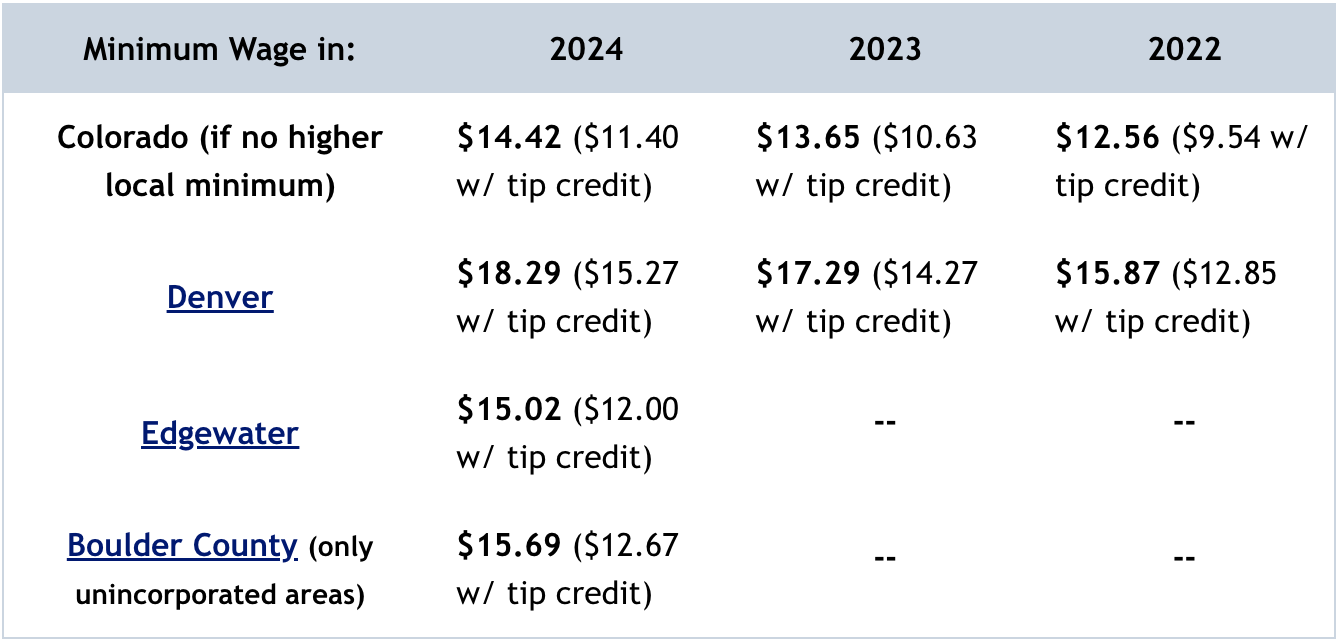
As of January 1, 2024, the minimum wage in Colorado and therefore in Colorado Springs stands at $14.42 per hour. This rate applies to most employees, with a few exceptions. Understanding this figure is fundamental for anyone engaging with the local economy.
Tipped Employees
A key distinction in minimum wage law concerns tipped employees. In Colorado, employers can pay tipped employees a lower minimum cash wage, provided that the tips they receive bring their total earnings up to at least the standard minimum wage. As of January 1, 2024, this minimum cash wage for tipped employees is $13.65 per hour. The rationale behind this is that tips are intended to supplement, not replace, the basic wage. Employers must ensure that tipped employees reach the full minimum wage of $14.42 per hour; if tips are insufficient, the employer is obligated to make up the difference. This policy has significant implications for service industry workers in Colorado Springs, a city with a vibrant restaurant and hospitality scene that caters to both locals and the many tourists visiting attractions like Garden of the Gods and Pikes Peak.
Exceptions to the Rule
While the $14.42 per hour rate is the general standard, there are specific exceptions. These typically include:
- Minors: Employees under 18 years of age may be paid a minimum wage of $12.26 per hour, provided they do not work more than 20 hours per week when school is in session. This allows younger individuals to gain work experience without posing an undue burden on employers.
- Agricultural Workers: Different minimum wage rules may apply to those working in agriculture, often reflecting the seasonal nature of the industry and specific labor practices.
- Certain Non-Profit Organizations: Some non-profit organizations might have specific exemptions or alternative wage structures under certain federal programs.
- Independent Contractors: Individuals classified as independent contractors are not covered by minimum wage laws, as they are considered self-employed. However, the classification of a worker as an employee versus an independent contractor is subject to strict legal tests.
For businesses in Colorado Springs, accurately classifying employees and applying the correct wage rates is paramount to avoid legal repercussions.
The Economic Ripple Effect on Colorado Springs
The minimum wage, while a seemingly straightforward number, has profound and far-reaching economic consequences for a city like Colorado Springs. These effects are felt across various sectors, influencing the cost of tourism, the affordability of everyday life for residents, and the overall business environment.

Impact on Tourism and Hospitality
Colorado Springs is a significant tourist destination, drawing visitors for its natural wonders, outdoor activities, and military heritage. The hospitality sector, including hotels, restaurants, and recreational facilities, is a major employer. An increase in the minimum wage directly affects the labor costs for these businesses.
- Increased Operating Costs: For hotels like The Broadmoor or smaller boutique inns, restaurants, and tour operators, higher labor costs can lead to increased prices for goods and services. This could translate to slightly higher hotel room rates, more expensive meals, or increased costs for guided tours, potentially impacting the budget-traveler segment of tourism.
- Potential for Price Adjustments: Businesses may absorb some of the increased costs, reduce profit margins, or pass them on to consumers. The latter can make Colorado Springs appear less affordable to potential visitors, especially those accustomed to lower price points in other destinations.
- Shift in Consumer Spending: Conversely, a higher minimum wage can put more disposable income into the hands of lower-wage workers. These individuals, who are often local residents, may then spend more on dining, entertainment, and local attractions within Colorado Springs, creating a positive feedback loop for the local economy. This increased local spending can help offset any potential decrease in tourist spending due to higher prices.
Affordability for Residents
Beyond tourism, the minimum wage is a critical factor in the daily lives of Colorado Springs residents.
- Cost of Living: With a minimum wage of $14.42 per hour, a full-time worker earns approximately $29,996.80 annually before taxes. While this provides a baseline, the cost of living in Colorado Springs, particularly housing, utilities, and transportation, can present challenges for individuals and families earning at this level. Understanding this wage relative to the cost of essential goods and services is key to assessing the financial well-being of a significant portion of the population.
- Access to Local Experiences: The affordability of local attractions, recreational activities, and cultural events in Colorado Springs is directly linked to the disposable income of its residents. When wages keep pace with the cost of living, more people can afford to enjoy the amenities their city offers, fostering a more vibrant and engaged community. This, in turn, can enhance the experience for tourists who often interact with locals.
Business Competitiveness
For businesses in Colorado Springs, the minimum wage is a significant operational consideration.
- Labor Market Dynamics: A higher minimum wage can influence hiring decisions, employee retention, and the overall competitiveness of businesses in the labor market. Some businesses may invest more in automation or training to increase productivity. Others might find it challenging to remain profitable if their business model relies heavily on low-wage labor.
- Attracting and Retaining Talent: While a higher minimum wage can make jobs more attractive, businesses also compete on factors like benefits, work environment, and opportunities for advancement. In a city with a growing economy like Colorado Springs, which attracts talent in sectors like aerospace and technology, the minimum wage for entry-level positions is one piece of a larger puzzle for employers.
Navigating Colorado Springs with Minimum Wage Considerations
For visitors and potential residents of Colorado Springs, understanding the minimum wage offers valuable context for budgeting and planning.
Budgeting for Your Visit
When planning a trip to Colorado Springs, factor in that prices for goods and services might reflect the state’s minimum wage, especially in the service industry.
- Dining Out: Restaurant prices in Colorado Springs will be influenced by labor costs. While you can find a range of dining options, from casual eateries to fine dining establishments like those at The Broadmoor, consider this when setting your dining budget.
- Activities and Attractions: Entrance fees for attractions like the Cheyenne Mountain Zoo or guided tours may also be influenced by labor costs. However, the natural beauty of areas like Garden of the Gods is free to access, offering a budget-friendly way to experience the city’s splendor.
- Transportation: While public transportation options exist in Colorado Springs, car rentals or rideshare services will also have associated costs that are indirectly linked to labor.

Considering a Longer Stay
For those contemplating a move to Colorado Springs, the minimum wage, combined with the local job market and cost of living, is a crucial factor.
- Job Opportunities: Researching employment opportunities in sectors that align with your skills is essential. The city has a diverse economy, with strengths in defense, aerospace, technology, and tourism.
- Housing Market: Colorado Springs has experienced significant growth, impacting its housing market. Understanding rental rates and home prices in relation to potential earnings, including the minimum wage for entry-level positions, is vital for financial planning.
- Community Resources: Familiarize yourself with community resources, such as local non-profits and government assistance programs, that might be available to support individuals and families navigating the economic landscape.
In conclusion, the minimum wage in Colorado Springs, set at the state level of $14.42 per hour (as of January 1, 2024), is a fundamental economic indicator. It shapes the operational costs for businesses, influences the affordability of daily life for residents, and impacts the overall cost of visiting this beautiful Colorado city. By understanding this figure and its nuances, individuals can better navigate the economic realities of Colorado Springs, whether they are here for a brief visit or considering it as a long-term home.
LifeOutOfTheBox is a participant in the Amazon Services LLC Associates Program, an affiliate advertising program designed to provide a means for sites to earn advertising fees by advertising and linking to Amazon.com. Amazon, the Amazon logo, AmazonSupply, and the AmazonSupply logo are trademarks of Amazon.com, Inc. or its affiliates. As an Amazon Associate we earn affiliate commissions from qualifying purchases.