
Connecticut, a state renowned for its charming New England allure, rich history, and vibrant cultural scene, often beckons travelers with its picturesque coastlines, quaint towns, and sophisticated urban centers. From the bustling streets of Hartford to the historic charm of New Haven, and the maritime heritage of Mystic, this diverse state offers an array of experiences for every type of visitor. Yet, beneath the surface of scenic drives and captivating landmarks, lies an economic reality that significantly influences the very fabric of its tourism and hospitality sector: the minimum wage. Understanding what the minimum wage in Connecticut entails, and its broader implications, is not just a matter for local workers or businesses; it’s a crucial insight for anyone looking to travel, stay, or invest in the state’s vibrant lifestyle.

For tourists planning their next getaway, the minimum wage might seem like an abstract concept, far removed from the excitement of booking a boutique hotel in Greenwich or savoring fresh seafood by the shore. However, this fundamental economic policy has profound ripple effects. It influences the cost of a cup of coffee, the price of a dinner out, the quality of service at a resort, and even the overall economic health of the communities travelers visit. A robust minimum wage can contribute to a higher quality of life for service industry workers, which in turn can foster better service and a more welcoming atmosphere for guests. Conversely, it can also impact operational costs for businesses, potentially affecting pricing for accommodation, activities, and dining.
This article delves into the specifics of Connecticut’s minimum wage, exploring its current status, historical trajectory, and most importantly, its multifaceted impact on the state’s thriving travel, hospitality, and lifestyle sectors. By understanding these dynamics, both prospective visitors and those considering a longer-term stay can gain a more comprehensive perspective on what makes Connecticut tick, ensuring a more informed and enriching experience.
The Current Landscape of Connecticut’s Minimum Wage
Connecticut has long been at the forefront of states advocating for a higher minimum wage, recognizing its role in economic stability and worker well-being. Unlike the federal minimum wage, which has remained static for over a decade, Connecticut has proactively implemented a series of increases, positioning itself among states with some of the highest base wages in the nation. As of June 1, 2024, the minimum hourly wage in Connecticut stands at $15.69. This figure is a testament to the state’s commitment to ensuring that workers earn a living wage, even as economic conditions fluctuate.
The journey to this current rate has been a deliberate and incremental one, designed to allow businesses time to adapt and integrate the changes into their operational models. This phased approach aims to mitigate sudden economic shocks, particularly for small and medium-sized enterprises (SMEs) that form the backbone of local economies, including many establishments critical to the tourism sector like local eateries, souvenir shops, and bed and breakfasts.
The significance of this minimum wage extends beyond mere compliance; it reflects a broader socio-economic philosophy within Connecticut. Policymakers believe that a higher minimum wage not only improves the purchasing power of workers but also stimulates local economies. When employees earn more, they are more likely to spend within their communities, supporting local businesses, which in turn helps to create a virtuous cycle of economic activity. For visitors, this can translate into a more vibrant and economically stable environment, where local businesses thrive and offer unique experiences.
Understanding the Incremental Increases
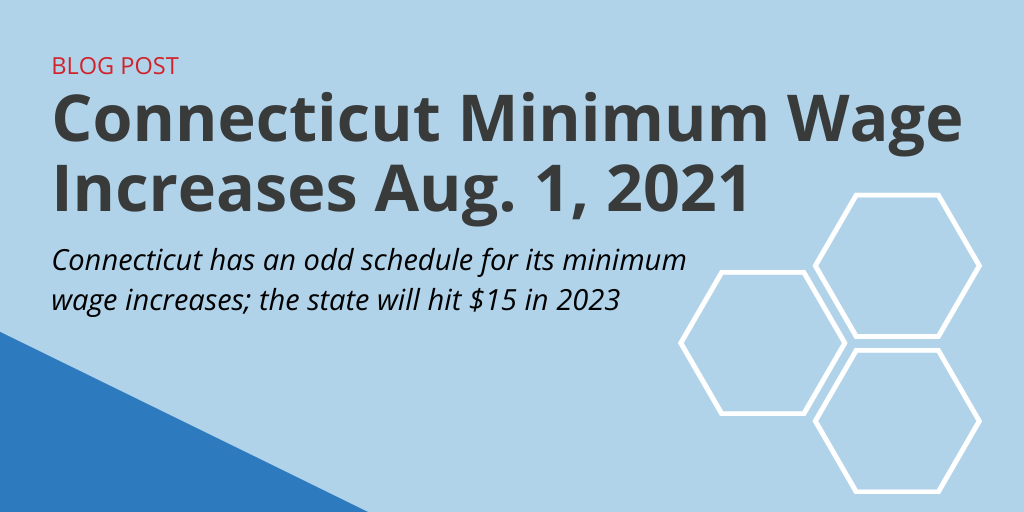
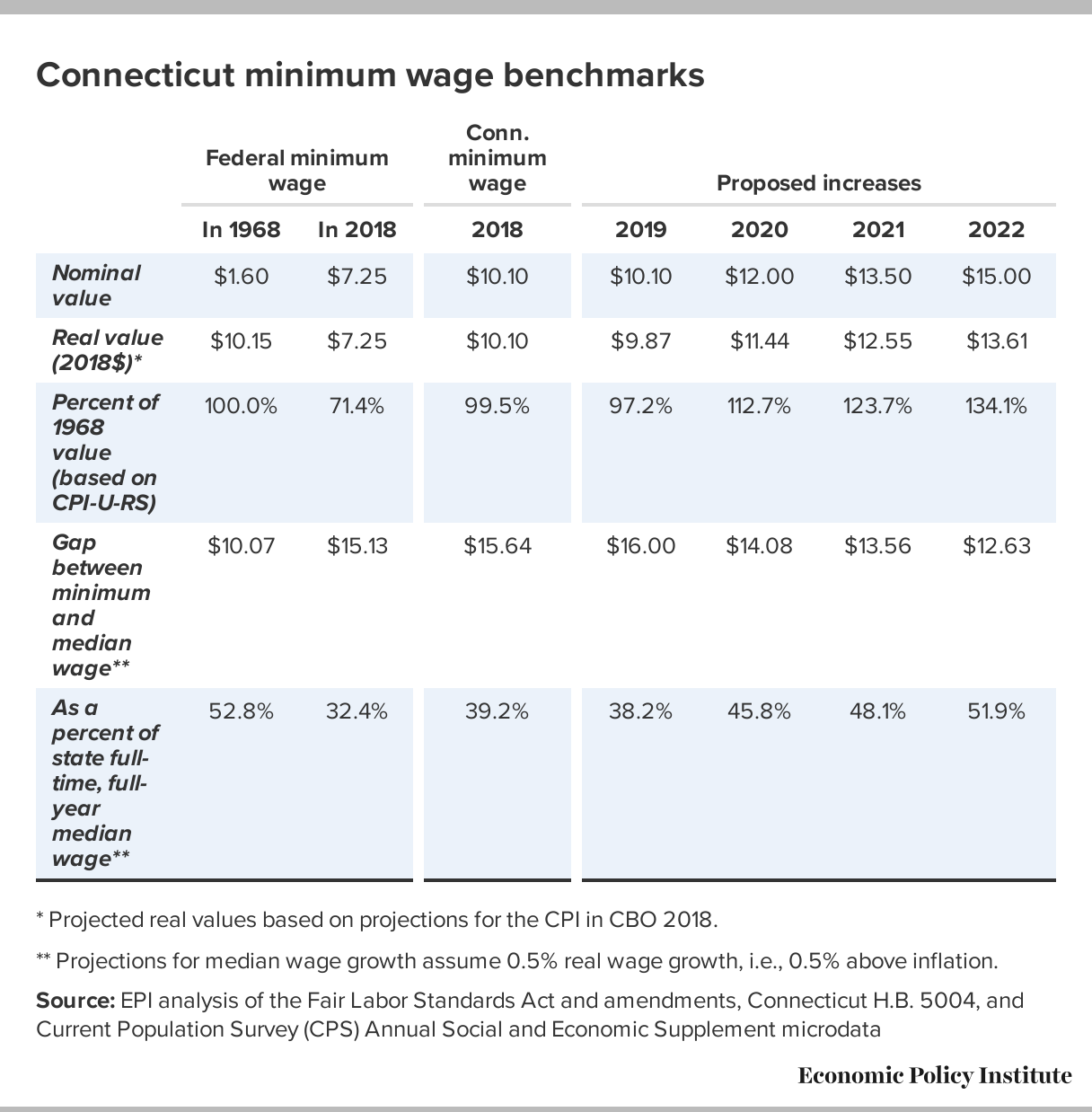
Connecticut’s path to its current minimum wage was laid out by Public Act 19-4, signed into law in 2019. This legislation established a clear and predictable schedule for increases, allowing businesses, including those in the tourism and hospitality industries, to plan effectively. The act mandated several annual increments, ultimately leading to the goal of a $15 per hour minimum wage, with subsequent adjustments tied to the federal Employment Cost Index, a measure of inflation.
- October 1, 2019: Increased from $10.10 to $11.00
- September 1, 2020: Increased to $12.00
- August 1, 2021: Increased to $13.00
- July 1, 2022: Increased to $14.00
- June 1, 2023: Increased to $15.00
- June 1, 2024: Increased to $15.69 (adjusted based on the federal Employment Cost Index)
This structured approach demonstrates a thoughtful consideration for the economic ecosystem of the state. It recognizes that abrupt changes can be challenging for businesses, particularly those operating on thin margins, such as many family-owned hotels or local restaurants. By providing a clear roadmap, the state enabled businesses to adjust their budgets, staffing levels, and pricing strategies over time, fostering greater stability in the job market and ensuring continued quality of service for travelers.
Exemptions and Special Cases
While the $15.69 minimum wage applies to most employees in Connecticut, there are specific exemptions and special provisions that travelers and business owners in the hospitality sector should be aware of. These exceptions are often designed to address unique employment circumstances or to support particular demographics.
One of the most notable special cases involves tipped employees. In Connecticut, the minimum hourly cash wage for waiters, waitresses, and bartenders is lower than the standard minimum wage, as their income is supplemented by tips. As of June 1, 2024, the minimum cash wage for wait staff is $6.38 per hour, and for bartenders, it is $8.23 per hour. Employers are required to ensure that when these cash wages are combined with tips, the employee’s total earnings meet or exceed the standard minimum wage of $15.69 per hour. If the tips do not bring the total earnings up to the minimum wage, the employer must make up the difference. This “tip credit” system is common in the hospitality industry across many states and plays a significant role in the economics of restaurants, cafes, and bars frequented by tourists.
Additionally, there are provisions for learners or beginners, certain student workers, and employees with disabilities who may, under specific circumstances and with appropriate permits, be paid less than the standard minimum wage. These provisions are typically narrowly defined and require specific authorization to ensure they are not exploited. For travelers, understanding these nuances can provide context for the pricing and service structures they encounter in various establishments across Connecticut. For instance, a small, independent coffee shop might operate on a different wage model than a large chain restaurant, impacting both its pricing and its staff’s earning potential.
Economic Ripple Effects on Connecticut’s Tourism and Hospitality Sector
The minimum wage in Connecticut is not just a policy; it’s an economic lever with far-reaching consequences, particularly for the state’s vibrant tourism and hospitality sector. This sector, which includes everything from world-class hotels and resorts to charming bed and breakfasts, diverse restaurants, tour operators, and cultural attractions, relies heavily on a dedicated workforce. Changes in labor costs inevitably send ripples through these businesses, affecting everything from operational strategies to pricing for consumers.
For travelers, these ripple effects are both direct and indirect. Directly, they might observe changes in the pricing of services or goods. Indirectly, they might experience the impact on the quality of service, the availability of staff, or the general ambiance of the places they visit. A healthy, fairly compensated workforce often translates into a more motivated and professional service industry, which greatly enhances the visitor experience.
Impact on Service Industry Wages and Staffing
The most immediate impact of a higher minimum wage is felt by employees in the service sector. Workers in hotels, restaurants, retail shops at tourist attractions, tour guiding services, and transportation all see an increase in their base pay. This can lead to several positive outcomes for the tourism industry. Higher wages can help attract and retain talent in often demanding jobs, reducing employee turnover and fostering a more experienced and skilled workforce. When hotel staff, restaurant servers, or museum guides feel valued and are adequately compensated, their morale improves, leading to better customer service and a more positive interaction for visitors. Imagine staying at a luxury hotel where the front desk staff are constantly changing due to low pay; the inconsistency would surely detract from the experience.
However, businesses must also adjust to increased labor costs. For some smaller establishments, like a quaint boutique inn in Litchfield or a seasonal seafood shack along the Long Island Sound, absorbing these costs can be challenging. They might need to adjust their pricing, optimize staffing schedules, or invest in technology to improve efficiency. For example, a restaurant might implement online ordering systems or contactless payment to streamline operations, allowing staff to focus more on direct customer interaction. Large hotel chains or resorts like Mohegan Sun or Foxwoods Resort Casino, with their larger economies of scale, may be better positioned to absorb these increases, potentially maintaining competitive pricing while still providing attractive wages. The goal for businesses is to find a balance where they can afford to pay their staff fairly while remaining competitive and appealing to tourists.
Affordability for Travelers and Tourists
The relationship between minimum wage and tourist affordability is complex. On one hand, increased labor costs can lead to higher prices for goods and services in the tourism sector. A hotel room might cost slightly more, a meal at a restaurant could see a marginal price increase, or admission fees to certain attractions might go up. For budget-conscious travelers, these cumulative increases could influence their spending decisions or even their choice of destination. For example, visitors might opt for budget accommodation or explore more free attractions if dining and activity costs rise significantly.
On the other hand, a higher minimum wage can contribute to a stronger local economy, which can benefit tourists indirectly. When local residents have more disposable income, they support local businesses, creating a more vibrant and diverse marketplace. This can mean more unique shops, better-maintained public spaces, and a wider array of dining options – all enhancing the overall travel experience. A bustling local economy, fueled by fair wages, often translates into a more authentic and enjoyable atmosphere for visitors, providing a richer cultural immersion than they might find in areas with depressed wages and struggling local enterprises. For instance, the thriving arts and culinary scene in places like New Haven, home to Yale University, benefits from both local spending and tourist dollars, creating a dynamic environment that draws more visitors.
Supporting Local Businesses and Sustainable Tourism
Connecticut’s commitment to a higher minimum wage also aligns with principles of sustainable tourism and supporting local businesses. When small businesses, which are often the heart of local tourism, can pay their employees a living wage, it helps them to compete with larger corporations for talent and fosters a more loyal, skilled workforce. This stability is vital for maintaining the unique character and quality of service that independent operators provide. Think of the specialized staff at a local winery in the Connecticut Wine Trail or the knowledgeable guides at the Mystic Seaport Museum; their expertise and dedication are invaluable to the visitor experience.
Sustainable tourism emphasizes not only environmental protection but also social and economic equity. By ensuring fair compensation for workers, Connecticut is promoting a more equitable tourism model. This approach ensures that the benefits of tourism are shared more broadly within the community, rather than being concentrated at the top. Travelers who prioritize ethical consumption and community support might find Connecticut’s approach particularly appealing. By choosing to spend their money in establishments that pay fair wages, visitors indirectly contribute to the well-being of the local population and the long-term sustainability of the state’s tourism infrastructure. This conscious travel choice adds another layer of meaning to their journey, making their experiences feel more impactful and responsible.
Navigating Connecticut as a Traveler: Budgeting and Lifestyle Considerations
For anyone planning a trip to Connecticut, from a weekend escape to a more extended exploration of its diverse regions, understanding the economic landscape, including the minimum wage, is key to effective budgeting and a fulfilling travel experience. While the state offers a range of options from luxury accommodations to more budget-friendly stays, general costs can be influenced by local wage policies. Travelers considering a move for work or long-term stay will find these insights even more pertinent.
The notion of “lifestyle” within travel extends beyond just personal preferences for comfort or adventure; it also encompasses the economic realities that shape the daily lives of residents and, by extension, the services and experiences available to visitors. Connecticut’s relatively high minimum wage contributes to a higher overall cost of living compared to some other states, a factor that subtly weaves its way into the fabric of tourist spending.
Cost of Living vs. Tourist Spending
Connecticut is known for its picturesque landscapes and high quality of life, which often comes with a higher cost of living. This directly impacts the prices of goods and services that tourists consume. Groceries, local transportation, retail items, and particularly dining out, might be pricier than what visitors from states with lower minimum wages are accustomed to. For instance, a casual lunch at a diner in Stamford or a souvenir from a shop in Essex could reflect the higher labor costs embedded in their operations.
However, tourist spending is not solely dictated by the cost of living for locals. Many attractions, especially state-run landmarks like Gillette Castle State Park or natural wonders like the Thimble Islands, often have fixed admission fees that are designed to be accessible. Furthermore, the sheer variety of experiences means that travelers can always find options to fit their budget. Exploring the historical sites of Old Saybrook, hiking the trails of Kent, or enjoying a free concert in New Haven are all ways to enjoy Connecticut without breaking the bank. The key is thoughtful planning and an awareness that the baseline cost for certain services will be influenced by the state’s wage structure.
Choosing Accommodation and Experiences
When it comes to accommodation, Connecticut offers a spectrum from luxurious waterfront resorts to cozy bed and breakfasts, and practical chain hotels. The minimum wage can indirectly influence the pricing across all these categories. High-end hotels with extensive service staff might factor these costs into their rates, maintaining a premium experience. Mid-range and budget accommodations, in turn, might focus on efficiency and slightly leaner staffing models to keep prices competitive. Travelers should research and compare options, perhaps using accommodation booking platforms that allow for filtering by price, amenities, and location, keeping in mind that highly-rated services often come with fair wage structures.
For experiences, visitors can embrace the “local” lifestyle. Instead of always opting for full-service, sit-down restaurants, exploring local food trucks or farmers’ markets can offer delicious and more affordable alternatives. Engaging with community events, exploring state parks, or taking a scenic drive along the Connecticut River are often inexpensive ways to soak in the state’s beauty and culture. Activities like visiting the Essex Steam Train or browsing the antique shops in Woodbury offer unique experiences that contribute to the local economy while providing lasting memories. Understanding that these prices support local livelihoods can add a layer of appreciation to every purchase, transforming a simple transaction into an act of support for the community.
Beyond the Wage: The Broader Lifestyle and Economic Impact in Connecticut
The minimum wage in Connecticut is more than just a number on a pay stub; it’s a reflection of the state’s broader socio-economic philosophy and has deep implications for the quality of life enjoyed by its residents and the overall appeal of the state as a destination. For those who travel through Connecticut, whether on a short vacation or considering a longer-term stay, these less obvious impacts contribute significantly to the overall perception and experience of the state. It frames the lifestyle available to its workforce and the environment tourists encounter.
A higher minimum wage is often correlated with stronger consumer spending, particularly among lower and middle-income households. This economic stimulus can foster thriving local economies, which are inherently more interesting and appealing to visitors. Vibrant main streets, diverse independent shops, and a rich culinary scene are often indicators of a community where residents have disposable income and actively participate in their local economy. For tourists, this means more authentic experiences, a wider variety of unique products, and a sense of genuine local character that chain stores and struggling economies simply cannot replicate.
Quality of Life for Local Workers
One of the most profound, albeit indirect, impacts of Connecticut’s minimum wage policy on the tourism experience is its effect on the quality of life for local workers. When employees, particularly those in the demanding service and hospitality sectors, earn a living wage, they experience reduced financial stress. This improved financial stability can lead to better health outcomes, increased educational opportunities, and greater overall satisfaction.
A workforce that feels valued and secure is more likely to be engaged, motivated, and provide excellent service. This directly translates into a more pleasant and welcoming experience for tourists. Imagine interacting with hotel staff who are not overburdened by financial worries, or dining in a restaurant where servers genuinely enjoy their work because they are fairly compensated. This positive morale enhances the atmosphere, making interactions more pleasant and memorable. In a destination like Connecticut, where a significant portion of its charm comes from its people and their dedication to service, the quality of life for workers is a cornerstone of the overall visitor experience. It also contributes to a more stable and cohesive community, which is inherently attractive to both visitors and potential new residents.
Connecticut’s Appeal as a Destination: Balancing Cost, Quality, and Local Economy
Ultimately, Connecticut’s approach to minimum wage plays a critical role in shaping its identity and appeal as a travel destination. It represents a conscious decision to balance economic competitiveness with social responsibility. While a higher minimum wage might translate into slightly higher operational costs for businesses and potentially higher prices for some goods and services, it also underpins a commitment to a high quality of life for its residents and a robust local economy.
For the discerning traveler, Connecticut offers a compelling proposition: a destination where the beauty of its landscapes, the richness of its history, and the vibrancy of its culture are supported by an economy that values its workers. This commitment to fair wages can be seen as an investment in the state’s human capital, which is its most valuable asset in the service-oriented tourism industry. It suggests that when you spend money in Connecticut, you are not just purchasing a service or a product, but also contributing to a sustainable local economy where people can thrive.
This balance between cost and quality, influenced by wage policies, contributes to Connecticut’s unique lifestyle brand. It caters to those who appreciate authentic experiences, support local communities, and value destinations that invest in their people. Whether enjoying the scenic beauty of the Falkner Island Lighthouse or exploring the shops in Westport, understanding the underlying economic policies like the minimum wage adds a layer of depth to the travel experience, allowing visitors to connect more profoundly with the place and its people.
Conclusion
The minimum wage in Connecticut, currently set at $15.69 per hour, is far more than a simple labor statistic; it is a foundational element influencing the state’s economic health, the vitality of its service industries, and ultimately, the quality of the visitor experience. From shaping the operational strategies of hotels and restaurants to impacting the overall cost of tourism and supporting local livelihoods, its effects are woven into the very fabric of Connecticut’s appeal.
For travelers, understanding this policy provides valuable context for budgeting, choosing accommodation, and appreciating the local lifestyle. It highlights Connecticut’s commitment to a balanced economy where worker well-being is prioritized, which often translates into a more engaged workforce and a higher standard of service. For businesses within the travel and hospitality sectors, it underscores the need for strategic planning to ensure competitiveness while adhering to progressive labor standards.
As Connecticut continues to evolve, its minimum wage policy will remain a dynamic factor in its economic narrative, influencing everything from the charm of its small towns to the sophistication of its urban centers. For anyone looking to explore, invest in, or simply enjoy the unique character of Connecticut, recognizing the importance of this economic benchmark offers a richer, more informed perspective on this captivating New England state. It transforms a simple trip into an appreciation for a destination that strives for both prosperity and equity.
LifeOutOfTheBox is a participant in the Amazon Services LLC Associates Program, an affiliate advertising program designed to provide a means for sites to earn advertising fees by advertising and linking to Amazon.com. Amazon, the Amazon logo, AmazonSupply, and the AmazonSupply logo are trademarks of Amazon.com, Inc. or its affiliates. As an Amazon Associate we earn affiliate commissions from qualifying purchases.