
Understanding the minimum wage applicable to waitresses in Florida is crucial for both employees seeking fair compensation and employers aiming for legal compliance within the state’s vibrant hospitality sector. The Sunshine State’s wage laws are subject to federal guidelines and state-specific adjustments, creating a nuanced landscape for service industry professionals. This article delves into the intricacies of minimum wage in Florida for waitstaff, exploring the different wage structures and relevant factors that influence take-home pay.
Understanding Florida’s Minimum Wage Structure
Florida distinguishes between a standard minimum wage and a tipped minimum wage, a common practice in states with a significant number of service industry jobs, particularly in popular tourist destinations like Orlando and Miami. This dual approach acknowledges the supplemental income that waitresses often receive through tips.
The Standard Minimum Wage
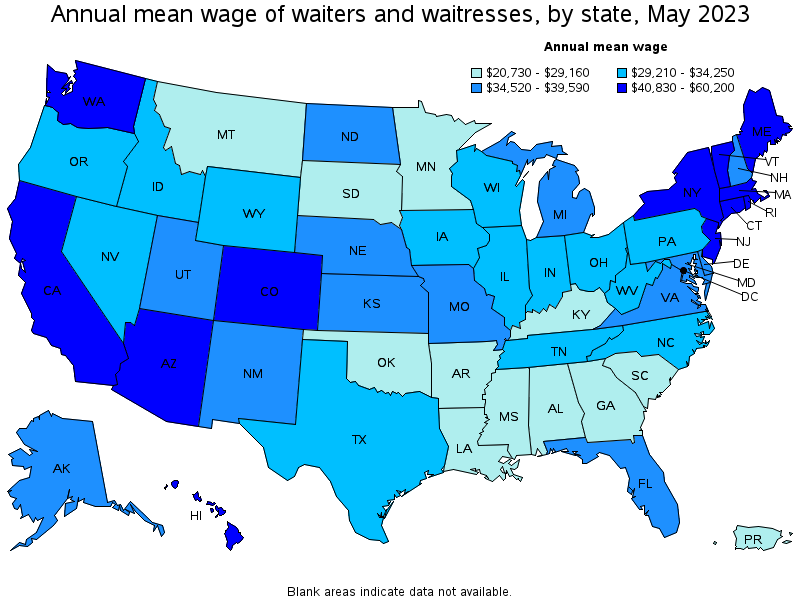
The standard minimum wage in Florida applies to employees who do not customarily and regularly receive more than $30 per month in tips. As of January 1, 2024, this rate is $13.00 per hour. This means that any employee, including a waitress who does not meet the criteria for the tipped minimum wage, is entitled to at least $13.00 for every hour worked. This standard wage is periodically reviewed and adjusted by the state legislature to reflect economic conditions and the cost of living.
The Tipped Minimum Wage
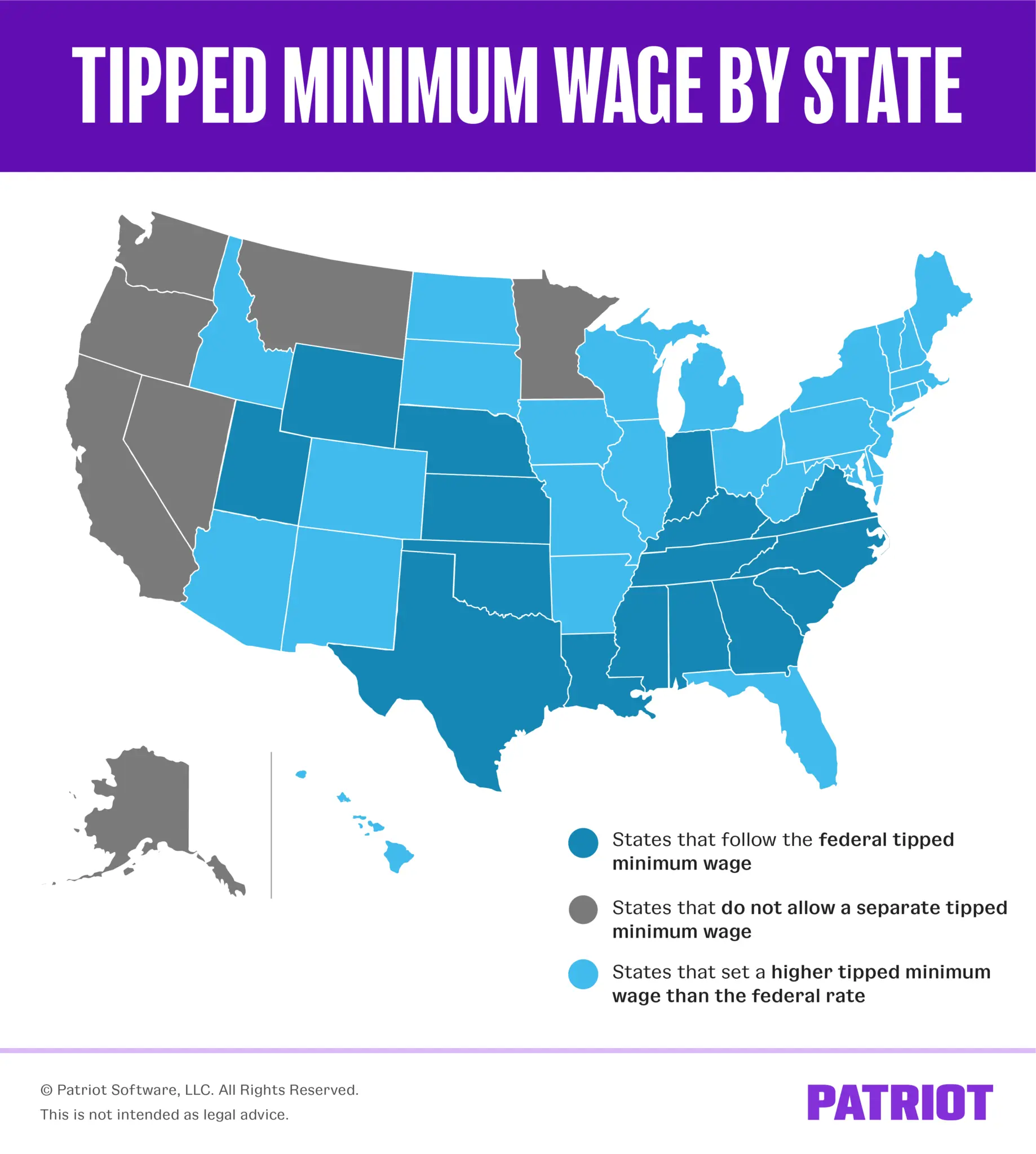
For waitstaff who do customarily and regularly receive tips, Florida operates under a tipped minimum wage. This rate is lower than the standard minimum wage, with the expectation that tips will bring the total hourly earnings up to at least the standard minimum wage.
As of January 1, 2024, the tipped minimum wage in Florida is $8.98 per hour. This rate applies specifically to employees who earn more than $30 per month in tips. The employer is legally obligated to ensure that the employee’s total earnings, including wages and tips, meet or exceed the standard minimum wage for all hours worked. If an employee’s tips, plus their tipped wage, do not reach the standard minimum wage of $13.00 per hour, the employer must make up the difference.
The Tip Credit System
The tipped minimum wage in Florida functions under a tip credit system. This means that employers can use a portion of an employee’s tips to satisfy their minimum wage obligations. The difference between the standard minimum wage ($13.00) and the tipped minimum wage ($8.98) is $4.02 per hour. This $4.02 is the “tip credit” that an employer can legally apply. For every hour worked by a tipped employee, the employer is credited with $4.02, reducing their direct wage payout to $8.98, with the understanding that tips will supplement this amount.
Key Considerations for Tipped Employees
It is imperative for waitresses in Florida to understand how this system works to ensure they are being paid fairly.
- Regular Tip Earnings: The tipped wage is only permissible if the employee regularly and customarily receives more than $30 per month in tips. If tips are infrequent or below this threshold, the employee must be paid the standard minimum wage.
- Total Earnings Guarantee: The crucial point is the total hourly earnings. Regardless of the tipped wage paid by the employer, a waitress must earn at least the standard minimum wage ($13.00 per hour as of 2024) for every hour worked. If tips are insufficient to reach this amount, the employer is responsible for paying the difference.
- Tip Pooling: Many restaurants implement tip pooling or tip sharing arrangements, where waitstaff collectively pool their tips and distribute them among themselves and sometimes other service staff (like bussers or bartenders). While these arrangements are common, they have specific legal requirements. Generally, employers cannot participate in tip pools, and tips from customers intended for servers should not be used to pay management or kitchen staff, unless specific conditions are met. The enforceability and fairness of tip pooling can be complex and are governed by federal and state labor laws.
- Record Keeping: Employers are required to keep accurate records of hours worked and wages paid, including tips reported by employees. Employees should also maintain their own records of tips received to ensure accurate reporting and to verify their earnings.
Federal vs. State Minimum Wage Laws
The minimum wage in Florida is influenced by both federal and state laws. The Fair Labor Standards Act (FLSA) establishes a federal minimum wage, which currently stands at $7.25 per hour. However, states are permitted to enact their own minimum wage laws that are higher than the federal minimum.
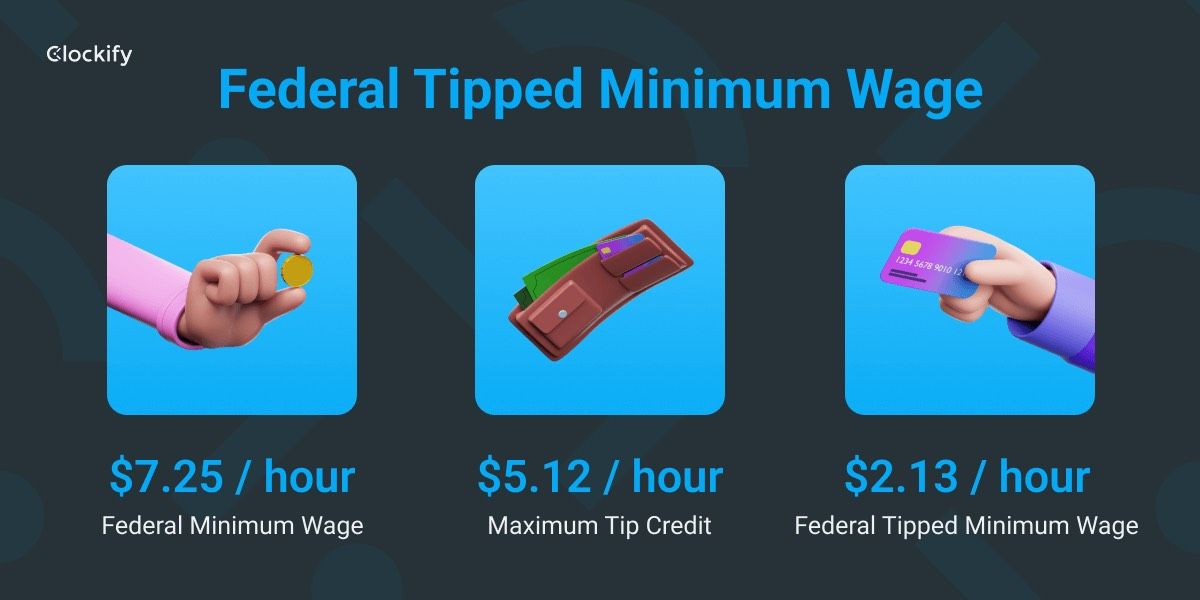
When federal and state minimum wage laws differ, the higher of the two applies. In Florida, the state minimum wage rates ($13.00 for standard and $8.98 for tipped employees as of 2024) are significantly higher than the federal minimum wage, meaning that Florida’s rates take precedence for most employees working within the state. This is a critical aspect for anyone employed in the service industry in Florida, as it ensures a higher baseline earning potential compared to states that adhere strictly to the federal rate.
Impact of Federal Laws
While Florida sets its own minimum wage, certain federal labor protections still apply. The FLSA mandates that employers keep records of wages and hours, prohibit child labor, and establish overtime pay for non-exempt employees working more than 40 hours a week. Even with the state’s higher minimum wage, these federal provisions remain in effect. For waitresses, this means that in addition to their base wage and tips, they may also be entitled to overtime pay if they work more than 40 hours in a workweek, depending on their specific job duties and classification as an exempt or non-exempt employee.
Future Adjustments and Economic Factors
Minimum wage rates, especially in states like Florida that are popular for tourism and have a dynamic economy, are not static. They are subject to legislative action and, in some cases, voter initiatives.
Scheduled Increases
Florida has a history of gradually increasing its minimum wage through voter-approved amendments. For example, an amendment passed in 2020 scheduled annual increases to the state’s minimum wage, which has led to the current rates observed in 2024. These increases are often tied to inflation and the cost of living, aiming to ensure that the minimum wage keeps pace with economic changes. Future increases are anticipated, and it’s advisable for both employers and employees to stay informed about upcoming legislative changes.
Economic Impact and Industry Considerations
The minimum wage debate often involves discussions about its economic impact. Proponents argue that higher minimum wages boost consumer spending, reduce poverty, and decrease income inequality. Opponents express concerns about potential job losses, increased operating costs for businesses, and inflationary pressures.
In the context of the hospitality industry in Florida, which relies heavily on a large service workforce, changes in minimum wage can have significant effects. Restaurants and other hospitality businesses must carefully manage their labor costs. For waitresses, this translates into a continuously evolving landscape of earning potential, directly influenced by state-mandated wage floors and their ability to earn tips. Destinations like Tampa, Jacksonville, and the theme park areas surrounding Orlando see particularly high volumes of tourists, which can influence the tipping culture and, consequently, the overall earnings of waitstaff.
Ensuring Fair Compensation and Employee Rights
For waitresses in Florida, understanding their rights regarding minimum wage and tips is paramount. The state’s labor laws are designed to protect workers, and knowledge of these laws empowers employees to seek fair compensation.
Where to Find Official Information
The most reliable source for current and future minimum wage rates in Florida is the Florida Department of Economic Opportunity (DEO), now part of the Florida Department of Commerce. Their official website typically provides up-to-date information on wage laws, including effective dates for any changes. Additionally, the U.S. Department of Labor’s Wage and Hour Division offers resources on federal labor standards.
Employee Recourse and Reporting Violations
If a waitress believes they are not being paid the minimum wage correctly, or if their employer is not adhering to tip credit regulations, they have recourse. Employees can file a wage complaint with the U.S. Department of Labor or the Florida Department of Commerce. These agencies investigate complaints and can take action against employers found to be in violation of labor laws. Seeking legal advice from an employment attorney specializing in wage and hour disputes can also be beneficial in complex situations.
The service industry in Florida, from fine dining establishments in Miami to casual eateries near the beaches of Clearwater, is a significant part of the state’s economy. Ensuring that waitresses receive their rightful minimum wage, supplemented by fair tip distribution, is essential for maintaining a healthy and equitable work environment within this dynamic sector.
LifeOutOfTheBox is a participant in the Amazon Services LLC Associates Program, an affiliate advertising program designed to provide a means for sites to earn advertising fees by advertising and linking to Amazon.com. Amazon, the Amazon logo, AmazonSupply, and the AmazonSupply logo are trademarks of Amazon.com, Inc. or its affiliates. As an Amazon Associate we earn affiliate commissions from qualifying purchases.