
Florida, the Sunshine State, is a magnet for travelers seeking everything from sun-kissed beaches and vibrant nightlife to world-class theme parks and serene natural landscapes. It’s a place where dreams of retirement often take root, and where annual vacations become cherished memories. But beneath the veneer of endless sunshine and leisure, there’s a crucial economic backbone that supports this thriving ecosystem: its workforce. Understanding the minimum wage in Florida is not just a matter for economists or local residents; it offers a profound insight into the state’s lifestyle, the cost of travel, and the experiences one can expect, whether as a tourist or a potential long-term visitor.
The minimum wage directly impacts the lives of countless individuals who work in the hospitality, retail, and service industries – sectors that are the very lifeblood of Florida’s economy. From the friendly face checking you into your Miami Beach resort, to the energetic crew maintaining the rides at Walt Disney World Resort in Orlando, and the dedicated staff serving fresh seafood in Key West, these individuals play a pivotal role in shaping the visitor experience. For those planning a trip, understanding the local wage structure can inform budgeting decisions, from choosing accommodation to estimating dining expenses. For residents, it’s a critical factor in daily living, influencing everything from housing affordability to the ability to enjoy local attractions. This article delves into the specifics of Florida’s minimum wage, exploring its historical trajectory, future outlook, and its multifaceted impact on the state’s dynamic tourism and lifestyle landscape.
Understanding Florida’s Minimum Wage Landscape
Florida’s minimum wage structure is unique, largely shaped by a constitutional amendment that voters approved, reflecting a statewide commitment to increasing workers’ pay. This commitment has had, and will continue to have, significant implications for the state’s economy, particularly its dominant tourism and hospitality sectors.
The Current Minimum Wage Rate
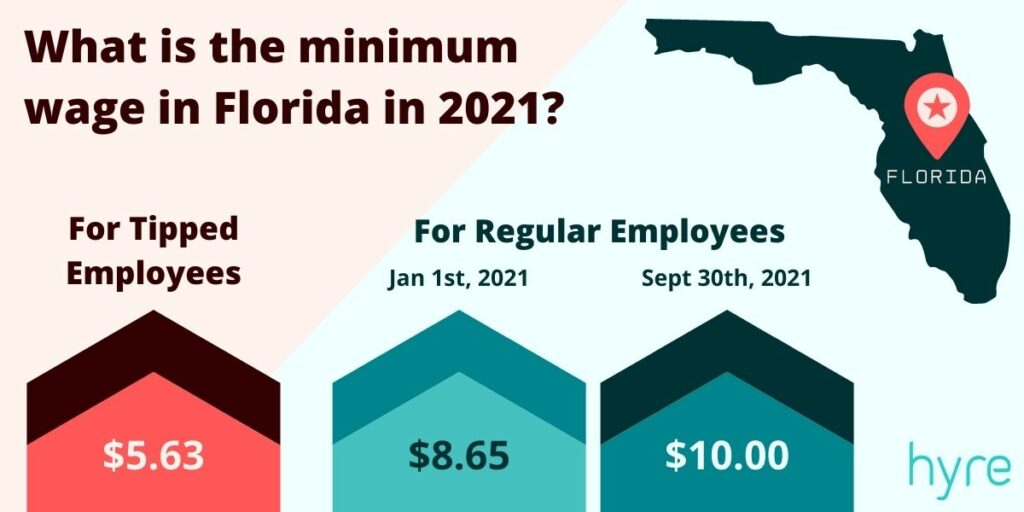
As of September 30, 2023, the minimum wage in Florida stands at $12.00 per hour. This rate applies to most employees across the state. This is a significant increase from previous years and is part of a planned, incremental rise. For anyone considering working in Florida or analyzing the state’s economic landscape, this figure is a crucial starting point. It dictates the baseline earning potential for many entry-level positions and sets a standard for wage negotiations across various industries. When planning a budget trip or a long-term stay, understanding this fundamental wage can help in estimating local service costs, which are directly influenced by labor expenses.
A Look Back: Historical Context and Future Projections
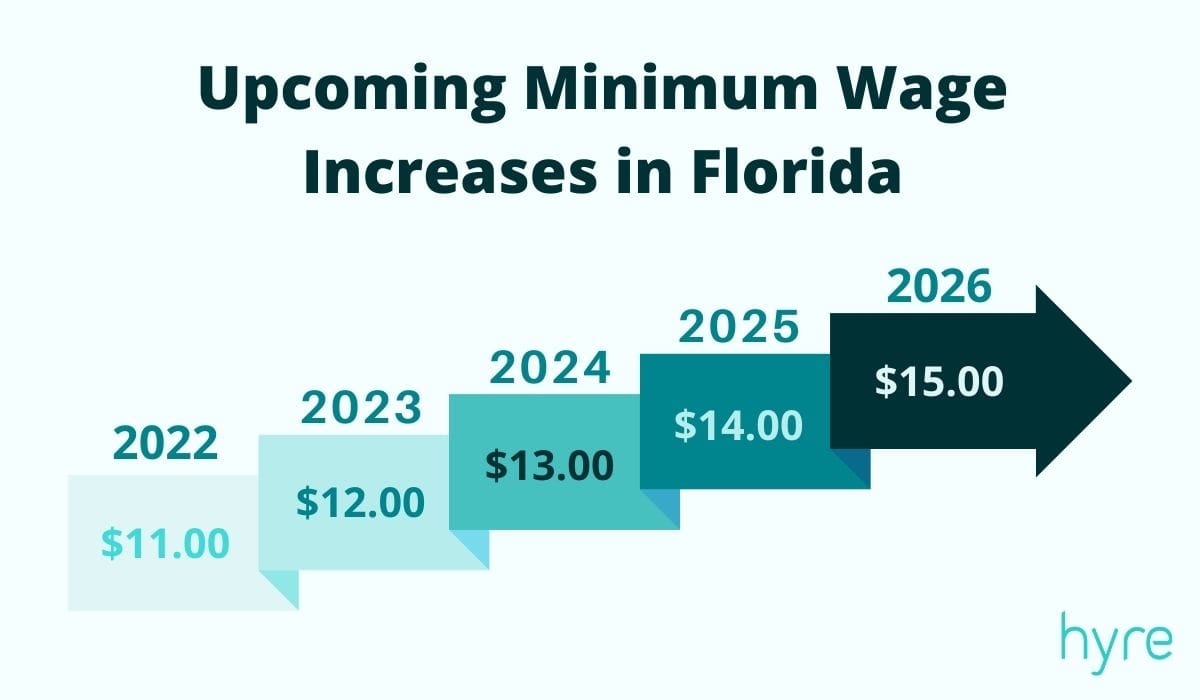
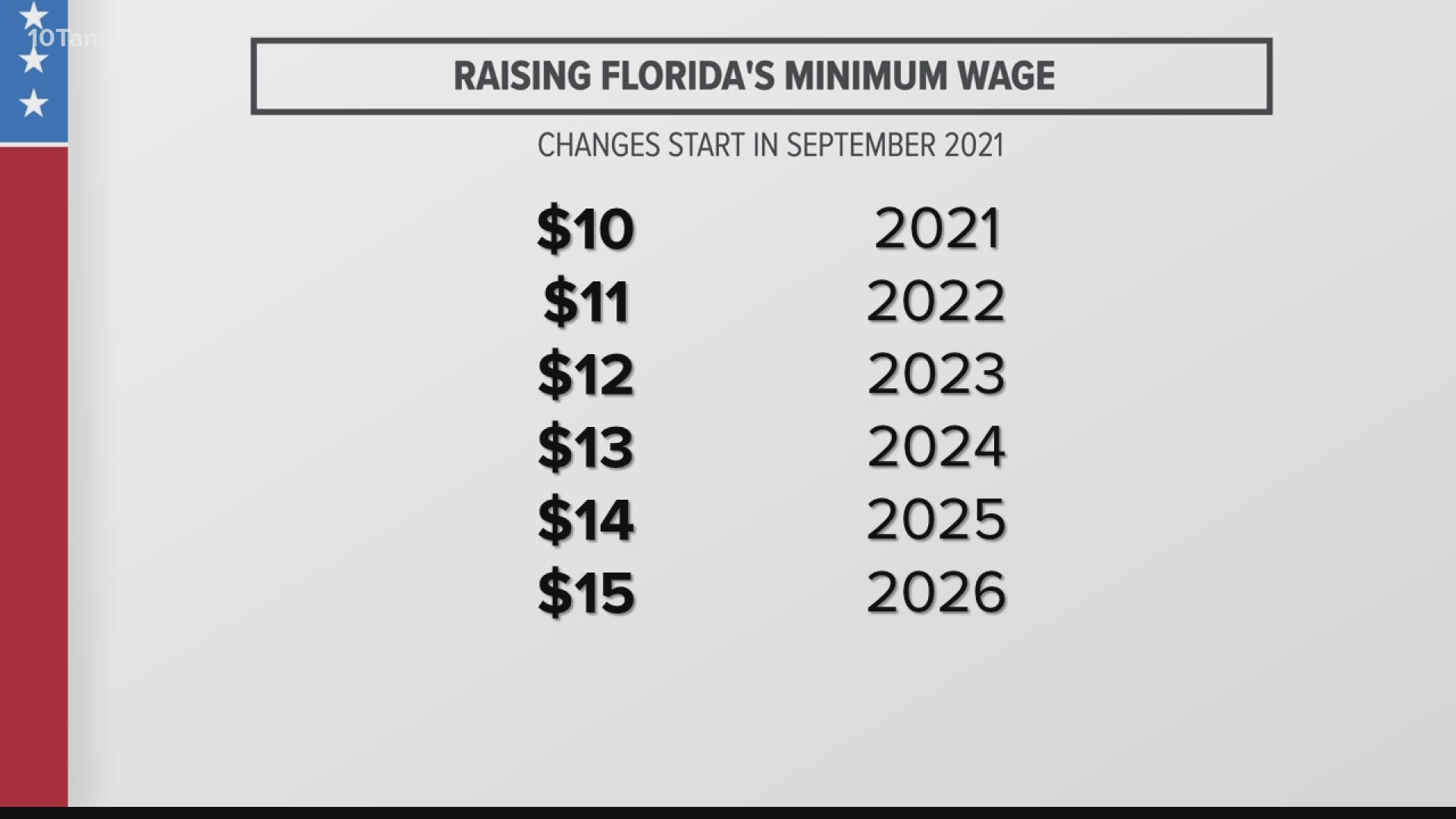
The journey to the current minimum wage began with Amendment 2, passed by Florida voters in November 2020. This amendment mandated a gradual increase in the state’s minimum wage, setting a clear path towards a $15.00 per hour rate. The increases occur annually on September 30th. Following the current $12.00 rate, the schedule is as follows:
- September 30, 2024: Increases to $13.00 per hour
- September 30, 2025: Increases to $14.00 per hour
- September 30, 2026: Increases to $15.00 per hour
After reaching $15.00 per hour in 2026, subsequent increases will be adjusted annually for inflation, ensuring that the minimum wage maintains its purchasing power over time. This predictable schedule provides businesses with time to adjust their operational models and allows workers to anticipate future earnings. For visitors, it hints at potential gradual increases in service costs over the coming years, something to consider for future travel planning.
Differentiating Tipped and Non-Tipped Employees
A critical distinction in Florida’s minimum wage law concerns tipped employees, particularly prevalent in the hospitality industry. For employees who customarily and regularly receive tips, the employer is allowed to take a “tip credit” against the standard minimum wage. As of September 30, 2023, the direct cash wage an employer must pay tipped employees is $8.98 per hour. This is $3.02 less than the standard minimum wage, with the expectation that tips will bridge this gap, bringing the employee’s total compensation up to at least $12.00 per hour.
This system places a greater reliance on customer gratuities for many service workers in restaurants, bars, and certain hotel positions. For tourists, understanding this distinction is vital. It underscores the importance of tipping appropriately to ensure that the dedicated service staff, from your waiter in South Beach to your concierge at the Hyatt Regency Orlando, receive fair compensation. It also highlights why service charges might appear on bills in some establishments, especially in high-traffic tourist areas.
The Impact of Minimum Wage on Florida’s Tourism and Hospitality Sector
The vibrant tourism and hospitality sector is the cornerstone of Florida’s economy, attracting millions of visitors annually to its diverse attractions. Changes in the minimum wage ripple through this industry, affecting everyone from the frontline staff to the pricing of a luxury suite.
For Hospitality Workers: Income and Lifestyles
For many hospitality workers in Florida, the minimum wage is their primary income. The rising wage floor means an improved standard of living for many, impacting their ability to afford housing, transportation, and daily necessities in a state known for its growing cost of living. A higher minimum wage can provide workers with more disposable income, which, in turn, can be spent on local goods and services, including enjoying some of Florida’s own attractions on their days off. This contributes to the local economy and fosters a sense of community pride.
For instance, an increase in pay might allow a hotel housekeeper in Tampa to save for a weekend family trip to Busch Gardens Tampa Bay or afford a slightly better apartment closer to their workplace. It can also reduce the need for multiple jobs, leading to a better work-life balance, which contributes to higher morale and potentially better service for tourists. This aligns with the concept of a sustainable lifestyle, even within a budget travel framework for residents exploring their own state.
For Tourists: Costs and Experiences
Tourists visiting Florida might observe the impact of minimum wage increases in several ways. Primarily, it can influence the cost of various services. Hotels, restaurants, theme parks, and other tourist attractions often need to adjust their pricing to absorb increased labor costs. This might manifest as slightly higher room rates, increased menu prices, or adjusted admission fees. For example, staying at a boutique hotel in St. Augustine might reflect these wage adjustments in its nightly rate.
However, the impact isn’t solely on cost. A fairly compensated workforce can lead to higher job satisfaction, which often translates into better service. Happier, more motivated employees in Orlando’s vast entertainment complexes or along the Gulf Coast‘s charming eateries can enhance a visitor’s experience, making interactions more pleasant and memorable. While a slight increase in price might be observed, the potential for improved service quality and a more contented local workforce can be a worthwhile trade-off for an enhanced overall travel experience.
Business Perspectives: Hotels and Attractions
From the perspective of businesses, particularly large entities like Walt Disney World Resort or the smaller, independently owned hotels and restaurants across Florida, navigating minimum wage increases requires strategic planning. Large corporations often have more resources to absorb these changes through economies of scale or by slightly adjusting product and service prices. They might also invest in technology to improve efficiency. For instance, a major Orlando attraction might streamline ticketing or food service operations.
Smaller businesses, such as a family-run guesthouse in Key West or a seafood shack on Siesta Key Beach, face a greater challenge. They may need to be more innovative with their staffing, operational efficiency, and pricing strategies. Some might choose to differentiate themselves through unique experiences or exceptional service to justify slightly higher prices. Others might explore different accommodation models, such as offering more long-term stays or focusing on off-peak seasons. These adaptations ensure the longevity of diverse businesses, which in turn preserves the rich tapestry of local culture and offerings that make Florida such an appealing destination for all types of travelers.
Budgeting for a Florida Getaway: Navigating Costs Amidst Wage Changes
Planning a trip to Florida involves careful consideration of expenses, and understanding the state’s minimum wage helps frame the economic context of your journey. While the rising minimum wage aims to improve the quality of life for residents, it also subtly influences the overall cost of a vacation.
Planning Your Accommodation: From Budget to Luxury
Accommodation is often the largest expense for any trip. In Florida, the cost of lodging can vary dramatically depending on the location, time of year, and level of luxury. The minimum wage indirectly affects these prices by influencing labor costs for hotel staff, maintenance crews, and administrative personnel.
- Budget-Friendly Options: For travelers on a tight budget, options like hostels, basic motels, or guesthouses found slightly off the main tourist strips can be excellent choices. These establishments might operate with leaner staffing or offer fewer amenities, helping to keep their prices lower. Platforms like Airbnb also provide opportunities for more affordable apartment or villa rentals, sometimes allowing for self-catering to save on dining. In cities like Jacksonville or Tallahassee, you might find better value than in premium tourist hubs.
- Mid-Range Choices: Many chain hotels and resorts offer a comfortable balance of amenities and price. Brands under umbrellas like Marriott Bonvoy or Hilton typically provide consistent quality. When considering these, remember that the cost of services (like daily room cleaning or valet) is influenced by the local wage rates.
- Luxury Stays: High-end resorts like The Breakers Palm Beach or boutique hotels like Hotel Zamora in St. Pete Beach offer unparalleled service and amenities. The superior level of personalized attention here means a higher staffing ratio, and thus, a greater impact from minimum wage increases. While the proportional increase on a luxury bill might seem small, it’s factored into the premium pricing. Comparing prices and booking in advance, especially during peak seasons, remains key to securing the best rates regardless of your budget.
Dining and Activities: Making the Most of Your Money
Food and activities are significant components of any Florida trip. The minimum wage directly impacts labor costs for restaurant staff, tour guides, and attraction employees, which can influence menu prices and ticket costs.
- Dining Smart: Eating out in Florida can range from inexpensive fast food to gourmet experiences. For budget travelers, exploring local markets, food trucks, and casual diners in areas like Daytona Beach can provide authentic flavors without breaking the bank. Self-catering in accommodations with kitchenettes is another effective cost-saving strategy. Remember the distinction for tipped employees; factor in a generous tip for good service to ensure staff are fairly compensated.
- Experiencing Attractions: Florida boasts an incredible array of attractions, from the thrill rides of Universal Studios Florida to the natural wonders of Everglades National Park and the historical sites of St. Augustine. Entrance fees for major theme parks are substantial, reflecting not only operational costs but also the wages of thousands of employees. Look for package deals, multi-day passes, or visit during off-peak seasons to potentially save money. Many natural landmarks and beaches along the Atlantic Coast or Gulf Coast offer free or low-cost access, providing incredible value. Exploring local culture through free festivals or public art installations is another way to enrich your experience without heavy expenditure.
The Role of Location: City vs. Coastal vs. Inland
The cost of living and, consequently, the cost of travel services, varies significantly across different regions of Florida. Major metropolitan areas and popular coastal destinations generally have higher wages and, therefore, higher prices.
- High-Cost Areas: Cities like Miami, Orlando, and Key West often see higher overall costs for everything from food to lodging. The demand in these tourist hotspots allows businesses to charge premium prices, which can more easily absorb increased labor costs.
- Mid-Range Areas: Tampa, St. Petersburg, or Fort Lauderdale offer a slightly more moderate price point while still providing access to fantastic attractions and tourism experiences.
- Lower-Cost Areas: Inland cities or less-trafficked coastal towns might offer better value. Exploring places like Gainesville or the panhandle region can reveal hidden gems at more affordable prices. These areas might also have slightly lower local wage expectations, impacting the pricing structure of local businesses. When planning your itinerary, consider balancing time in high-cost areas with exploring more budget-friendly regions to optimize your travel spending. Visiting destinations like the Kennedy Space Center Visitor Complex offers a unique experience that can be built into a diverse itinerary that balances costs.
Beyond the Paycheck: Quality of Life and Travel in Florida
While the numerical value of Florida’s minimum wage is a crucial economic indicator, its true significance extends far beyond mere figures. It shapes the quality of life for millions of residents and, by extension, profoundly influences the travel and lifestyle experience for visitors. Understanding this broader context fosters a more informed and empathetic perspective when exploring the Sunshine State.
Living Wage vs. Minimum Wage: A Traveler’s Perspective on Local Life
It’s important to distinguish between a minimum wage and a living wage. The minimum wage is the legally mandated lowest hourly rate an employer can pay. A living wage, however, is an estimated amount of income required for an individual or family to afford basic necessities and maintain a decent standard of living in a particular area. In many parts of Florida, particularly in highly desirable areas like Miami, Orlando, and Key West, the cost of living, especially for housing, can significantly exceed what the minimum wage can comfortably support.
As a traveler, being aware of this disparity offers valuable insight. It helps explain why some prices for goods and services in tourist-heavy zones might seem high, as businesses strive to offer competitive wages or cope with higher operational costs. It also encourages responsible tourism. By choosing to support local businesses, tipping generously for good service, and engaging respectfully with the local community, visitors contribute positively to the economic well-being of the people who make their Florida experience possible. Understanding the economic realities faced by residents helps to bridge the gap between the visitor’s perception of a vacation paradise and the everyday lives of those who live and work there.
Exploring Florida on a Budget: Tips for All Income Levels
Regardless of your own income level, planning a trip to Florida with budget consciousness in mind is a smart approach. The increasing minimum wage underscores the evolving economic landscape, and these tips remain timeless for maximizing value.
- Off-Season Travel: Visiting during the shoulder seasons (spring or fall) or even the summer (despite the heat) often yields lower prices for accommodations, flights, and fewer crowds at major attractions.
- Utilize Public Transport or Ride-Sharing: In large cities like Miami or Orlando, relying on public transportation or ride-sharing apps can save on rental car costs and parking fees, which can be substantial.
- Free and Low-Cost Activities: Florida is abundant with natural beauty. Spend days at its renowned beaches, explore state parks, or visit free museums and art galleries. Many cities offer free walking tours that delve into local history and culture. Picnicking in beautiful parks instead of dining out for every meal can also significantly cut costs.
- Look for Deals and Discounts: Always check for online deals, coupon books, or package deals for theme parks and tours. Many hotels and resorts offer promotions, especially during slower periods. Joining loyalty programs can also lead to savings.
- Cook Your Own Meals: Opting for accommodations with kitchenettes allows you to buy groceries and prepare some of your own meals, which can lead to substantial savings compared to eating out for every meal. This is particularly useful for longer stays or family trips.
The minimum wage in Florida is more than just a number; it’s a dynamic force shaping the state’s economy, influencing everything from the daily lives of its dedicated workforce to the cost and quality of the unforgettable travel experiences it offers. By understanding its current state, historical context, and future trajectory, both residents and visitors can gain a deeper appreciation for the economic landscape that underpins the Sunshine State’s enduring appeal. Whether you’re planning a luxurious escape or a budget travel adventure, being aware of these factors allows for more informed decisions and a more enriching overall experience in one of the world’s most beloved destinations.
LifeOutOfTheBox is a participant in the Amazon Services LLC Associates Program, an affiliate advertising program designed to provide a means for sites to earn advertising fees by advertising and linking to Amazon.com. Amazon, the Amazon logo, AmazonSupply, and the AmazonSupply logo are trademarks of Amazon.com, Inc. or its affiliates. As an Amazon Associate we earn affiliate commissions from qualifying purchases.