
Hawaii, a jewel of the Pacific, conjures images of pristine beaches, lush landscapes, and vibrant culture. It’s a dream destination for travelers worldwide, offering unique experiences from surfing in Waikiki to exploring the volcanic wonders of the Big Island. However, behind the postcard-perfect scenery lies an economic reality that impacts everyone, from local residents to the thousands of workers who fuel the state’s massive tourism industry. A crucial element of this reality is the minimum wage. Understanding what the minimum wage is in Hawaii, how it compares to the notoriously high cost of living, and its broader implications is essential, not just for those considering working in paradise, but also for conscious travelers seeking to understand the local economy they are visiting. For anyone planning a trip, considering a move, or simply interested in the socio-economic fabric of this unique state, delving into Hawaii’s minimum wage provides invaluable insight into the daily lives of those who call this tropical haven home. It sheds light on everything from the price of a cup of coffee to the cost of a hotel room, reflecting the delicate balance between maintaining a thriving tourism industry and ensuring a sustainable lifestyle for its residents.
Understanding Hawaii’s Minimum Wage Landscape
The discussion around minimum wage is never simple, particularly in a state as economically distinct as Hawaii. The state has long grappled with the challenge of balancing economic growth with the well-being of its workforce, especially given its isolated geography and dependence on imports. Recent years have seen significant legislative efforts to address the rising cost of living by incrementally increasing the minimum wage.
Current Rates and Future Projections
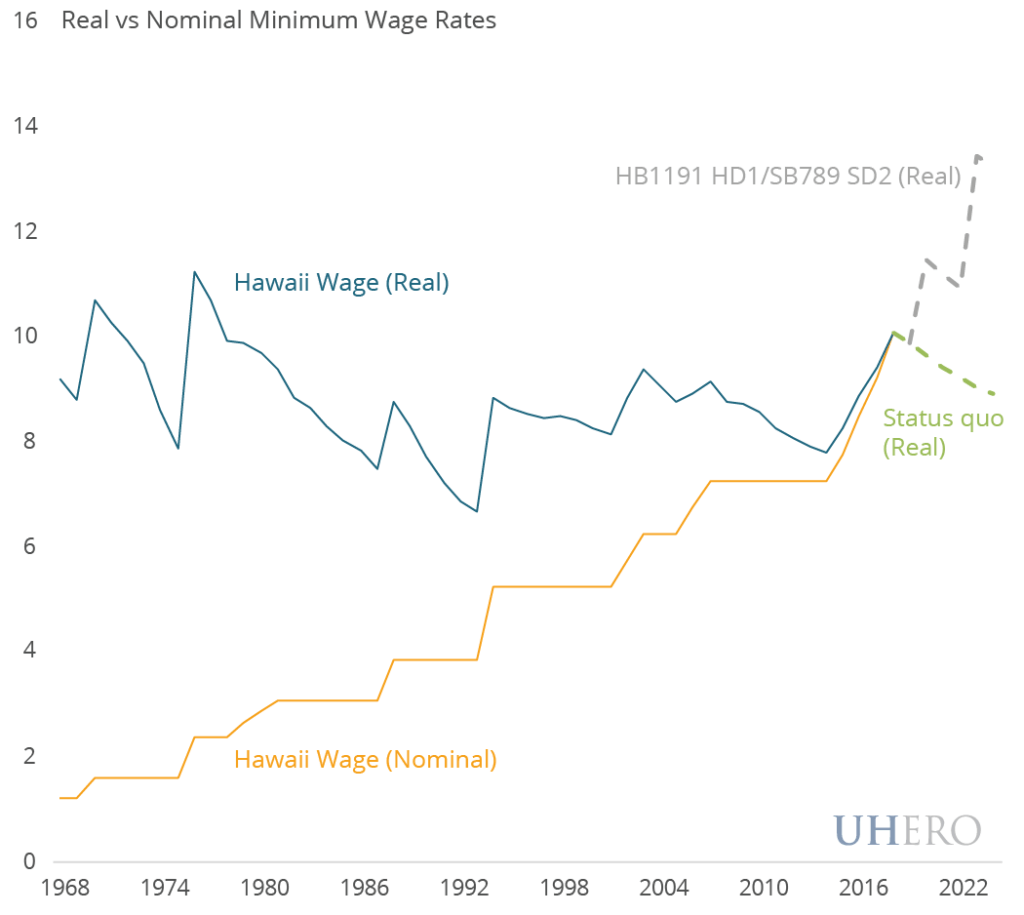
As of recent legislative changes, the minimum wage in Hawaii has been on a structured path of increase. Prior to recent adjustments, it hovered around a rate that many argued was insufficient to cover basic living expenses. However, lawmakers recognized the pressing need for change. For instance, the minimum wage saw an increase to $12.00 per hour effective October 1, 2022. This wasn’t a one-time adjustment but the first step in a multi-year plan. The law stipulates further increases: to $14.00 per hour on January 1, 2024, followed by $16.00 per hour on January 1, 2026, and finally reaching $18.00 per hour on January 1, 2028.
These scheduled increases represent a significant commitment by the state to improve the financial standing of its lowest-paid workers. They are designed to provide a more predictable economic environment for both employees and businesses, allowing them to plan for future financial realities. While these figures might seem robust compared to many mainland U.S. states, their real purchasing power must always be considered in the context of Hawaii’s exceptional cost of living. There are generally no local minimum wages that supersede the state rate, meaning these figures apply uniformly across all islands, from the bustling streets of Honolulu on Oahu to the more rural areas of Kauai or Molokai.

Historical Context of Wage Increases
Hawaii’s journey to its current minimum wage structure is marked by decades of debate, advocacy, and legislative action. Historically, minimum wage increases often lagged behind the rapid escalation of living costs, leading to periods where many working residents struggled despite being employed full-time. The unique challenges of an island economy—where almost everything from food to construction materials must be imported—have always placed upward pressure on prices.
The recent series of increases is a culmination of years of advocacy by labor unions, community organizations, and concerned citizens who highlighted the growing disparity between wages and the cost of essential goods and services. Past increases were often smaller and less frequent, typically rising by a dollar or two over several years. The current structured, multi-year increase plan, culminating in $18.00 per hour by 2028, reflects a more aggressive and sustained effort to create a living wage for a significant portion of the Hawaiian workforce. This historical perspective underscores the long-standing economic pressures faced by residents and the ongoing efforts to address them through policy. It also serves as a reminder that the path to economic equity is a continuous one, shaped by social needs and legislative responsiveness.
The High Cost of Paradise: Minimum Wage vs. Living Expenses
While the prospect of living or working in Hawaii can be incredibly alluring, the reality of its cost of living is often a stark awakening. Despite recent increases in the minimum wage, the financial challenges remain significant. Hawaii consistently ranks among the most expensive places to live in the United States, a factor that deeply impacts how far a minimum wage income can stretch for residents and even influences the budgeting of long-term visitors or digital nomads considering an extended stay.
Accommodation and Housing Challenges
Perhaps the most significant financial hurdle in Hawaii is housing. Whether renting an apartment in Honolulu or seeking a modest home on Maui, prices are extraordinarily high. The median rent for a one-bedroom apartment can easily exceed $2,000, and often much more in prime tourist areas or major cities. For someone earning the current minimum wage of $12.00 per hour, even working a full 40-hour week would only generate around $1,920 before taxes per month. This means that a substantial, if not entire, portion of a minimum wage earner’s income could be consumed by housing alone, leaving little to no funds for other necessities.
This severe housing crunch leads to various lifestyle challenges, from multiple roommates sharing small spaces to long commutes from more affordable, often rural, areas. The scarcity of land, strict zoning laws, and high demand from both residents and investors contribute to this inflated market. For those in the tourism sector, securing affordable accommodation is a constant struggle, often necessitating sacrifices in other areas of their budget. This also impacts the “Accommodation” aspect for visitors, as hotels, resorts like the Grand Hyatt Kauai Resort & Spa, and vacation rentals are correspondingly expensive, reflecting the high operating costs for businesses, including wages and property expenses.
Daily Essentials: Food, Transportation, and Utilities
Beyond housing, almost every other daily essential costs significantly more in Hawaii than on the mainland. This is primarily due to the state’s remote location and heavy reliance on imported goods. A trip to the grocery store will quickly reveal higher prices for everything from milk and eggs to fresh produce. Gasoline prices are consistently among the highest in the nation, making transportation costly, especially for those who commute long distances. Utilities, including electricity, which often relies on imported fossil fuels, also come with a hefty price tag.
For a minimum wage earner, budgeting for food, transportation, healthcare, and utilities becomes a meticulous balancing act. Many residents resort to multiple jobs, extended family living arrangements, or government assistance programs to make ends meet. The “Lifestyle” of many Hawaiian residents is often one of frugality, far removed from the luxury travel experiences that the islands are famous for. Understanding these economic realities can help visitors appreciate the resilience of the local community and perhaps encourage them to support local businesses that employ residents, thereby contributing directly to the local economy.
The Impact on Local Lifestyle and Well-being
The disparity between minimum wage and living expenses creates profound impacts on the local lifestyle and overall well-being. It can lead to increased stress, limited access to recreational activities, and difficulties in achieving long-term financial stability. For families, the challenges are amplified, affecting access to quality education and childcare. The dream of living in paradise can become an exhausting struggle for those on the lower end of the income spectrum.
This economic pressure also influences local culture and community dynamics. Many young Hawaiians are forced to leave the islands in search of more affordable opportunities, contributing to a brain drain and an erosion of local talent. The minimum wage, therefore, isn’t just a number; it’s a critical factor in determining who can afford to stay and contribute to the vibrant Hawaiian culture. For tourists, recognizing these underlying struggles can enrich their travel experience, moving beyond superficial enjoyment to a deeper understanding and appreciation of the complexities of Hawaiian life. It highlights the importance of responsible tourism and supporting initiatives that uplift local communities.
Minimum Wage and the Hawaiian Tourism & Hospitality Sector
The tourism and hospitality sector is the lifeblood of Hawaii’s economy, directly employing a significant portion of the workforce. From hotel staff and restaurant servers to tour guides and retail associates, countless individuals rely on this industry for their livelihoods. Consequently, changes in the minimum wage have a profound and direct impact on both the businesses that form the backbone of “Travel” and “Hotels” in Hawaii, and the employees who deliver the “Experiences” that draw millions to the islands each year.
Effects on Businesses: Hotels, Resorts, and Attractions
For businesses in the hospitality sector, including luxury resorts like the Four Seasons Resort Maui at Wailea and iconic attractions like Pearl Harbor, increased minimum wages translate directly into higher operating costs. Labor is often one of the largest expenses for service-oriented industries. As wages rise, businesses face decisions regarding pricing, staffing levels, and investment in automation. Some may choose to absorb the costs, reducing profit margins, while others may pass them on to consumers through higher prices for hotel rooms, tours, and meals.
This can create a delicate balancing act. While higher wages can lead to a more motivated and stable workforce, potentially reducing turnover and improving service quality, they can also put pressure on businesses, particularly smaller, independently owned establishments. Some might argue that increased labor costs could make Hawaii an even more expensive destination, potentially deterring some budget-conscious tourists. However, others contend that a fairer wage contributes to a healthier local economy, which ultimately benefits the entire ecosystem, including the tourism industry itself, by fostering a more stable and engaged community.
Employee Perspectives in the Service Industry
For employees working in hotels, restaurants, and various tourist attractions, the minimum wage increases are a welcome, though often still insufficient, step towards a more sustainable living. Many workers in the service industry juggle multiple jobs or work extensive hours to make ends meet. Even with the scheduled increases, reaching $18.00 per hour by 2028, the high cost of living means that achieving true financial comfort remains a distant goal for many.
These wage increases represent not just more money in their pockets, but also a degree of respect and recognition for their hard work. A more livable wage can improve morale, reduce stress, and allow workers to participate more fully in the community they serve. It can also help retain talent within the state, preventing skilled workers from moving elsewhere for better economic opportunities. For instance, housekeepers at The Royal Hawaiian or servers in a bustling Maui restaurant will find a slight alleviation of financial pressure, which can translate into an even better experience for tourists through improved service and a more positive atmosphere.
Navigating Tipping Culture in Hawaii
Understanding Hawaii’s minimum wage also provides crucial context for visitors when it comes to tipping. While the minimum wage is increasing, many service industry professionals still heavily rely on tips to supplement their income and make a living. The traditional tipping etiquette prevalent in the mainland U.S. generally applies in Hawaii, with 15-20% being the standard for good service at restaurants, bars, and for services like taxi rides or guided tours.
Conscious travelers often seek to understand and respect local customs, and recognizing the economic realities faced by service workers is part of responsible “Tourism.” While some may argue that higher minimum wages should reduce the reliance on tipping, the reality is that the cost of living in Hawaii is so exceptionally high that even at $18.00 an hour, many workers will still find tips essential. Therefore, travelers should continue to budget for generous tips, not just as a gesture of appreciation for excellent service, but also as a direct contribution to the livelihood of the individuals who enhance their Hawaiian “Experiences.”
Planning Your Trip: Financial Considerations and Ethical Tourism
For travelers eyeing a Hawaiian getaway, understanding the local economic landscape, particularly regarding the minimum wage, is more than just an academic exercise. It influences your budgeting, helps you appreciate the local struggle, and guides you towards more ethical and impactful travel choices. Given Hawaii’s status as a premium destination, smart planning is key to enjoying its wonders without financial surprises or contributing inadvertently to local economic strain.
Budgeting for a Hawaiian Getaway
Hawaii is renowned for being an expensive destination, and minimum wage discussions reinforce why. Accommodation, from a beachfront suite in Lahaina to a cozy guesthouse in Kona, often commands high prices, reflecting operational costs and property values. Dining out, activities, and transportation are also pricier than in many other destinations. Knowing that local wages are still playing catch-up to these costs helps explain why things are so expensive and emphasizes the importance of budgeting.
When planning your “Travel” and “Accommodation,” factor in higher costs for everything. Consider seeking out “Budget Travel” options, such as staying in apartments or villas with kitchens to save on food, utilizing public transportation where available, or exploring free natural “Attractions” like hiking Diamond Head or swimming at Hanauma Bay. Remember that the prices you pay for a luau or a surfing lesson contribute to the wages of the people delivering these services. Understanding the local economic environment helps you set realistic expectations and plan a trip that aligns with your financial capabilities while still appreciating the value of the services you receive.
Supporting Local Economy and Sustainable Travel
Ethical tourism goes beyond simply enjoying the scenery; it involves understanding and respecting the local community and contributing positively to its well-being. When you choose to support local businesses – whether it’s a family-run restaurant, a small boutique selling locally made crafts, or a tour operator employing local guides – you are directly injecting money into the Hawaiian economy and helping to create stable jobs at wages that support residents. This is particularly crucial in a place where the cost of living is so high, and many rely on the tourism dollar.
Opting for “Local Culture” experiences that directly benefit residents, staying in locally owned “Hotels,” or choosing “Accommodation” that employs local staff, all contribute to a more sustainable model of “Tourism.” It’s about being a mindful visitor who recognizes that the paradise they enjoy is also home to people facing unique economic challenges. By making conscious choices, you can ensure that your visit leaves a positive impact, fostering an environment where both visitors and residents can thrive. Supporting local farmers’ markets, engaging with “Hawaiian culture” responsibly, and being generous with tipping are all ways to be a part of the solution, ensuring that the magic of Hawaii remains accessible and sustainable for everyone.
Conclusion
The minimum wage in Hawaii is more than just a figure; it’s a critical component of the state’s economic landscape, deeply intertwined with its identity as a global tourism hotspot and home to a unique culture. From the legislative efforts to incrementally raise wages to the daily struggles faced by residents navigating an exceptionally high cost of living, the discussion around minimum wage illuminates the delicate balance Hawaii must strike. For travelers, understanding these dynamics offers a deeper appreciation for the resilience of the local population and encourages more responsible and ethical engagement with the islands. By being mindful of the economic realities, budgeting wisely, and consciously supporting local businesses and communities, visitors can contribute to a more sustainable “Lifestyle” for everyone in this treasured Pacific paradise. As Hawaii continues to evolve, the journey towards a living wage remains a central theme in its pursuit of economic equity and enduring aloha for all.
LifeOutOfTheBox is a participant in the Amazon Services LLC Associates Program, an affiliate advertising program designed to provide a means for sites to earn advertising fees by advertising and linking to Amazon.com. Amazon, the Amazon logo, AmazonSupply, and the AmazonSupply logo are trademarks of Amazon.com, Inc. or its affiliates. As an Amazon Associate we earn affiliate commissions from qualifying purchases.