
Nestled in the heart of the Pacific Northwest, Idaho is a state renowned for its breathtaking natural beauty, from the rugged peaks of the Rocky Mountains to the serene shores of Lake Coeur d’Alene. It’s a land of adventure, attracting visitors with its pristine wilderness, vibrant cities like Boise, and world-class resorts such as Sun Valley. For anyone planning to travel, work, or live in this magnificent state, understanding the economic landscape, particularly the minimum wage, is crucial. This foundational economic factor not only impacts the livelihoods of residents and seasonal workers but also subtly influences the cost of tourism, the quality of services, and the overall lifestyle experience in Idaho.
The concept of minimum wage is often a focal point in economic discussions, reflecting a baseline standard for compensation that aims to ensure a living wage while balancing the operational costs for businesses. In a state like Idaho, where tourism and hospitality play a significant role in the economy, the minimum wage takes on an added layer of importance. It affects everything from the wages of hotel staff and tour guides to the pricing of meals at local eateries and the affordability of booking accommodations. For travelers, understanding this economic backdrop can offer insights into the value they receive, while for those considering employment in the state, it’s a direct determinant of potential earnings.
This article delves into the specifics of Idaho’s minimum wage, exploring its current status, the regulations that govern it, and its broader implications across the state’s vital tourism, accommodation, and lifestyle sectors. By dissecting this key economic indicator, we aim to provide a comprehensive picture for visitors, prospective residents, and businesses alike, helping to navigate the unique economic tapestry of the Gem State.
Unpacking Idaho’s Minimum Wage Framework
To truly understand the economic currents flowing through Idaho, one must first grasp the specifics of its minimum wage policy. Unlike some states that establish their own rates, Idaho adheres directly to the federal standard. This adherence has profound implications for both employers and employees across various industries, particularly those within the service-oriented sectors that cater to the state’s burgeoning tourism industry.
The Federal Standard and Idaho’s Adherence
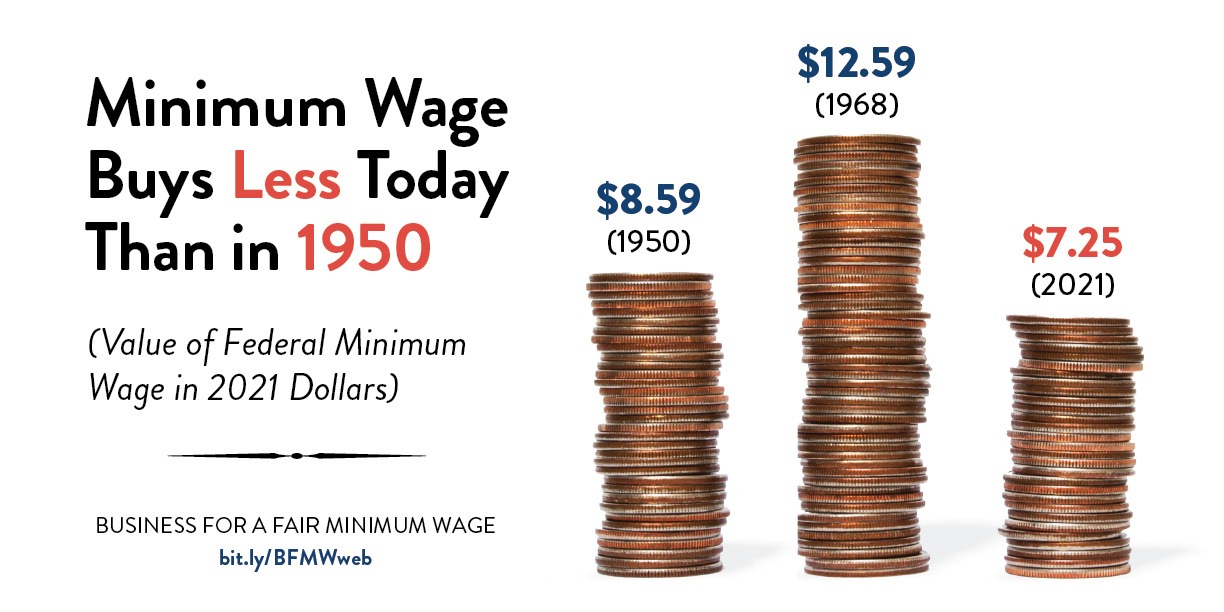
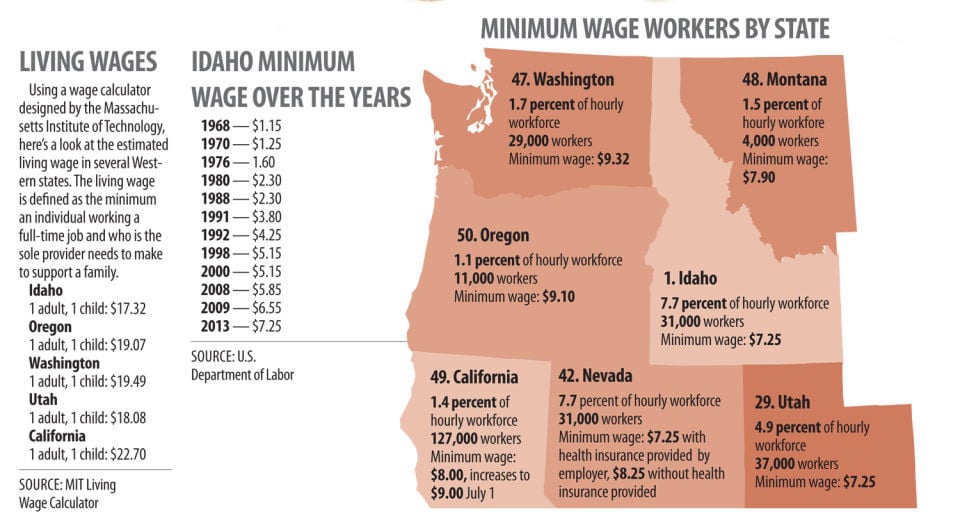
As of the current standing, the state of Idaho does not have a state-specific minimum wage law that supersedes the federal rate. This means that employers in Idaho are generally required to pay their non-exempt employees no less than the Federal Minimum Wage, which has been set at $7.25 per hour since July 24, 2009. This figure, while a standard across much of the United States, has been a subject of ongoing debate regarding its sufficiency to support a comfortable standard of living in the modern economic climate.
For businesses, particularly those operating within the highly competitive tourism and hospitality sectors, this fixed rate provides a clear baseline for labor costs. However, it also means that Idaho businesses compete for talent against states with higher minimum wages, potentially influencing labor availability and retention, especially in tourist hotspots where the cost of living might be higher. This is a critical consideration for hotels, resorts, and local attractions striving to maintain high service standards.
Exemptions and Special Wage Provisions
While the $7.25 per hour rate serves as the general rule, there are several important exemptions and special provisions that apply under both federal and, consequently, Idaho labor laws. These provisions are particularly relevant to certain segments of the workforce, including those often found in the travel and tourism industry:
- Tipped Employees: Employees who regularly receive more than $30 per month in tips may be paid a lower direct cash wage, provided their tips, when combined with the direct wage, meet or exceed the federal minimum wage. The federal minimum cash wage for tipped employees is currently $2.13 per hour. This “tip credit” system is commonplace in restaurants, bars, and other service establishments frequented by tourists. Understanding this is crucial for both employees relying on tips and customers deciding how much to tip.
- Youth Minimum Wage: Employers may pay a sub-minimum wage of $4.25 per hour to employees under 20 years of age during their first 90 consecutive calendar days of employment. This provision is often utilized by businesses, including hotels and resorts, during peak tourist seasons to hire younger, less experienced staff for entry-level positions.
- Full-time Students: Certain employers, such as retail and service establishments, farms, and institutions of higher education, can apply for certificates from the Department of Labor to pay full-time students at 85% of the minimum wage for up to 20 hours per week during school sessions.
- Disabled Workers: Individuals with disabilities, whose earning capacity is impaired, may be paid less than the minimum wage under special certificates issued by the Department of Labor.
These exceptions demonstrate the nuanced nature of minimum wage regulations, impacting various roles within Idaho’s diverse economy, from seasonal workers at Yellowstone National Park gateways to service staff in Boise’s downtown hotels.
The Ripple Effect on Idaho’s Tourism and Hospitality Sector
The minimum wage, while seemingly a simple numerical figure, sends ripples throughout Idaho’s vibrant tourism and hospitality sector. It’s a foundational element that influences everything from the quality of service travelers experience to the operational strategies of hotels, resorts, and local attractions. For a state that prides itself on its welcoming spirit and stunning natural attractions, understanding these connections is vital.
Service Quality and Workforce Dynamics
The compensation structure, particularly the minimum wage, has a direct bearing on the attractiveness of jobs within the hospitality industry. When wages are perceived as low, businesses often face challenges in attracting and retaining skilled, motivated employees. This can lead to higher staff turnover, increased training costs, and, critically, a potential decline in service quality. For travelers expecting exceptional experiences at Idaho’s numerous hotels, luxury resorts in Sun Valley, or guided tours through the Sawtooth National Recreation Area, the caliber of staff can make or break their trip.
Businesses striving to offer superior service often find themselves paying above the minimum wage to secure top talent. This investment in human capital typically translates into more knowledgeable guides, more attentive hotel staff, and overall better customer experiences. Conversely, establishments that stick rigidly to the minimum wage might struggle to differentiate themselves, relying on the state’s inherent charm rather than exceptional service. This dynamic is a constant balancing act for owners of boutique hotels, bed and breakfasts, and family-run restaurants across the state.
Accommodation and Travel Costs: A Closer Look
The cost of labor is a significant component of operational expenses for any business, and the accommodation sector is no exception. While a lower minimum wage might theoretically allow hotels and resorts to keep their labor costs down, the reality is more complex. Businesses often factor in competitive wages, benefits, and the cost of living in tourist-heavy areas like Coeur d’Alene or near the Grand Teton National Park gateway, when setting room rates.
For travelers, this means that while direct labor costs tied to minimum wage might be lower in Idaho compared to states with higher minimums, other factors such as property values, amenities, and market demand heavily influence booking prices. Luxury accommodations will always command higher rates due to their offerings, but even budget hotels must cover their operating expenses, including staff wages.
The interaction between minimum wage and accommodation costs also extends to the types of lodging available. The economic realities may encourage the proliferation of more budget-friendly options, or conversely, push existing establishments to streamline operations to remain profitable. Long-term stays and apartment rentals might become more appealing options for those seeking extended visits or working seasonally, influenced by the overall economic conditions that wages reflect.
Impact on Local Businesses and Tourist Offerings
Idaho’s charm often lies in its vibrant local culture, unique food scene, and small, independent businesses. These establishments, from craft breweries in Boise to artisan shops in Twin Falls, are often more sensitive to wage policies. For these smaller enterprises, even a seemingly modest minimum wage can represent a substantial portion of their operating budget.
The ability of these businesses to thrive directly impacts the richness and diversity of experiences available to tourists. A healthy local economy, supported by fair wages, allows these businesses to invest in their products, services, and staff, contributing to a more authentic and enjoyable visitor experience. Conversely, economic pressures can limit their growth or even lead to closures, diminishing the unique flavor that draws many to Idaho. The wage structure thus subtly shapes the very fabric of Idaho’s tourism offerings, affecting everything from guided fishing trips on the Snake River to culinary tours in Boise.
Budgeting for Your Idaho Adventure: Minimum Wage Considerations for Travelers
For travelers embarking on an Idaho adventure, understanding the state’s minimum wage framework isn’t just an academic exercise; it’s a practical tool for budgeting and planning. While the state’s natural beauty often comes free or at a low cost (think hiking, scenic drives, or visiting Shoshone Falls), the expenses associated with accommodation, dining, and guided experiences are intrinsically linked to the underlying economic structure, including labor costs.
Navigating Idaho on a Budget: Affordable Experiences
Idaho offers a plethora of activities that cater to every budget. Given the state’s adherence to the federal minimum wage, some service-related costs (like dining out or guided tours) might be perceived as relatively lower than in states with significantly higher minimum wages. However, it’s essential to factor in the culture of tipping, especially for tipped employees who rely on gratuities to reach a living wage. Responsible travelers often consider tipping a vital part of supporting the local service industry, which effectively raises the “cost” of certain experiences.
Budget travelers can lean into Idaho’s strengths: its incredible outdoor recreation. Camping in state or national parks, exploring vast wilderness areas like Hell’s Canyon, or simply enjoying the free access to many natural landmarks provides rich experiences without breaking the bank. Choosing self-catering accommodation options, picnicking, and utilizing public transport where available can also significantly reduce daily expenditures. The economic environment influenced by the minimum wage means that while wages for some might be lower, the overall cost of living and, by extension, the cost of services, isn’t necessarily dramatically cheaper across the board compared to other parts of America, especially in popular tourist destinations.

Choosing Your Accommodation Wisely
Accommodation is often the largest single expense for travelers, and the minimum wage plays an indirect role in its pricing. Hotels and resorts, irrespective of the wage they pay their staff, still operate within a broader market influenced by property values, maintenance, and demand. However, a state with a lower minimum wage might, in theory, allow for slightly more competitive pricing in some entry-level service sectors within the hotel industry.
- Luxury vs. Budget: High-end resorts and hotels, such as those found in Sun Valley or Coeur d’Alene, inherently have higher operational costs, including often paying above minimum wage to attract top-tier talent. Their pricing reflects premium services, amenities, and locations. Budget hotels, motels, and hostels, on the other hand, might more closely reflect the baseline labor costs, offering more affordable options.
- Alternative Accommodations: For those seeking to minimize costs or enjoy a unique experience, consider options like vacation rentals (apartments, villas), guesthouses, or even long-term stay accommodations if your trip is extended. These often provide more flexibility and can be more cost-effective than traditional hotels, particularly for families or groups. The wages paid to local cleaning and maintenance staff for these properties still tie back to the state’s economic baseline.
- Booking and Reviews: Always check reviews and compare prices. Websites specializing in accommodation bookings can offer insights into value for money. Understanding that a seemingly low-cost hotel might have staff earning minimum wage can sometimes correlate with varied service quality, though this is not universally true.
Dining and Local Experiences
Idaho’s culinary scene, particularly in cities like Boise, is burgeoning with farm-to-table restaurants, craft breweries, and diverse eateries. The pricing in these establishments is influenced by many factors, including the cost of ingredients, rent, and labor. While a lower minimum wage might enable some restaurants to keep menu prices competitive, the quality of ingredients, skill of chefs, and overall ambiance often dictate the final cost.
Travelers should budget for dining, considering that full-service restaurants will typically have higher prices due to the staff (servers, cooks, bussers) whose wages are part of the operational overhead. Supporting local businesses, including those that might pay their employees above minimum wage to attract quality staff, often enriches the travel experience by providing authentic local flavors and excellent service. Tipping, as mentioned, is an important cultural practice in the United States and should be factored into dining budgets when dining out.
Lifestyle and Economic Realities for Idaho’s Workforce
Beyond its implications for travelers and businesses, the minimum wage in Idaho fundamentally shapes the lifestyle and economic realities for its resident workforce. From the ability to afford housing to career prospects in key industries, the $7.25 federal minimum wage dictates a baseline that many workers must navigate, particularly those in entry-level positions within the very sectors that welcome visitors.
Cost of Living vs. Minimum Wage in Idaho
One of the most significant challenges for individuals earning the minimum wage in Idaho is bridging the gap between their earnings and the cost of living. While Idaho might be perceived as having a lower cost of living than coastal states, rapidly growing areas like Boise, Coeur d’Alene, and resort towns such as Sun Valley have seen housing costs, in particular, escalate significantly. Basic necessities such as rent, utilities, food, and transportation can quickly consume a minimum wage earner’s entire income, leaving little for savings or discretionary spending.
This economic reality often necessitates multiple jobs, longer working hours, or reliance on social assistance for many low-wage workers. It also impacts the overall quality of life, potentially limiting access to healthy food, educational opportunities, and leisure activities that are so often promoted to tourists. For those considering a move to Idaho, particularly for seasonal work in tourism, a thorough understanding of local living costs versus potential earnings is crucial.
Attracting and Retaining Talent in the Hospitality Industry
The hospitality and tourism industry in Idaho relies heavily on a dedicated workforce to staff hotels, operate attractions, guide tours, and serve in restaurants. The prevailing minimum wage often presents a dilemma for employers: while adhering to the federal minimum is legally compliant, it may not be sufficient to attract and retain the best talent, especially during peak seasons when demand for labor is high.
Many businesses recognize this challenge and choose to pay above the minimum wage, or offer competitive benefits, to ensure they have a stable and skilled workforce. This is particularly true for establishments that pride themselves on exceptional service and seek to foster a positive work environment. However, smaller businesses or those operating on thin margins might struggle to offer more than the baseline. This can lead to high turnover, a reliance on seasonal workers (who often come to Idaho for the experience as much as the pay), and a constant need for training new staff, which ultimately affects the consistency of service quality for visitors.
The Broader Economic Landscape
The minimum wage is just one piece of Idaho’s broader economic puzzle. The state’s economy is diversified, with strong sectors in agriculture, manufacturing, and technology, alongside its growing tourism industry. However, the economic prosperity enjoyed by some sectors doesn’t always trickle down evenly to all wage levels. Discussions around raising the minimum wage in Idaho are ongoing, often balancing the perceived benefits for workers against potential impacts on small businesses and overall economic competitiveness.
For residents, the minimum wage directly influences household budgets, consumer spending, and ultimately, the vitality of local communities. For those interested in the lifestyle aspects of [Idaho](https://lifeoutofthebox.com/idaho]—whether it’s the cost of luxury travel, budget travel, family trips, or business stays—the underlying economic realities reflected in wage policies are an undeniable factor in shaping the overall experience of this remarkable state.
In conclusion, the minimum wage in Idaho, set at the federal rate of $7.25 per hour, is far more than just a number. It’s a foundational economic metric that influences the state’s tourism landscape, the operational strategies of its hotels and accommodation providers, the quality of its service industries, and the daily lives of its hardworking residents. For travelers, understanding this context can enrich their appreciation of the local economy and guide their budgeting decisions. For businesses, it’s a critical factor in workforce management and service delivery. And for Idaho’s citizens, it’s a daily reality that shapes their standard of living and their connection to the vibrant Gem State. As Idaho continues to grow as a destination for travel and a place to call home, the conversation around minimum wage will undoubtedly remain a crucial element in defining its future.
LifeOutOfTheBox is a participant in the Amazon Services LLC Associates Program, an affiliate advertising program designed to provide a means for sites to earn advertising fees by advertising and linking to Amazon.com. Amazon, the Amazon logo, AmazonSupply, and the AmazonSupply logo are trademarks of Amazon.com, Inc. or its affiliates. As an Amazon Associate we earn affiliate commissions from qualifying purchases.