
For many, Kansas conjures images of vast prairies, golden wheat fields, and a quintessential slice of Americana. As a state rich in history, natural beauty, and a burgeoning cultural scene, it’s becoming an increasingly attractive destination for travelers seeking authentic experiences, as well as for individuals considering a change of pace or a more affordable lifestyle. Whether you’re planning a trip to explore the Flint Hills, immersing yourself in the vibrant arts scene of Lawrence, or contemplating a longer stay, understanding the economic landscape – particularly the minimum wage – offers valuable insights. This knowledge isn’t just for locals; it impacts everything from the cost of your accommodation and dining experiences to the overall affordability of enjoying Kansas’s diverse attractions and local culture. For travelers, it sheds light on the economic realities facing the hospitality staff who enhance their journeys, while for those considering relocation, it’s a fundamental piece of the cost-of-living puzzle.
Understanding Kansas’s Minimum Wage Landscape
Delving into the specifics of minimum wage in Kansas requires an understanding of both federal and state regulations. Unlike some states that have enacted their own higher minimum wage rates, Kansas largely defers to the federal standard. This adherence has significant implications for workers, businesses, and the broader economy, which in turn subtly influences the travel and tourism sector.
The Current Federal and State Minimum Wage
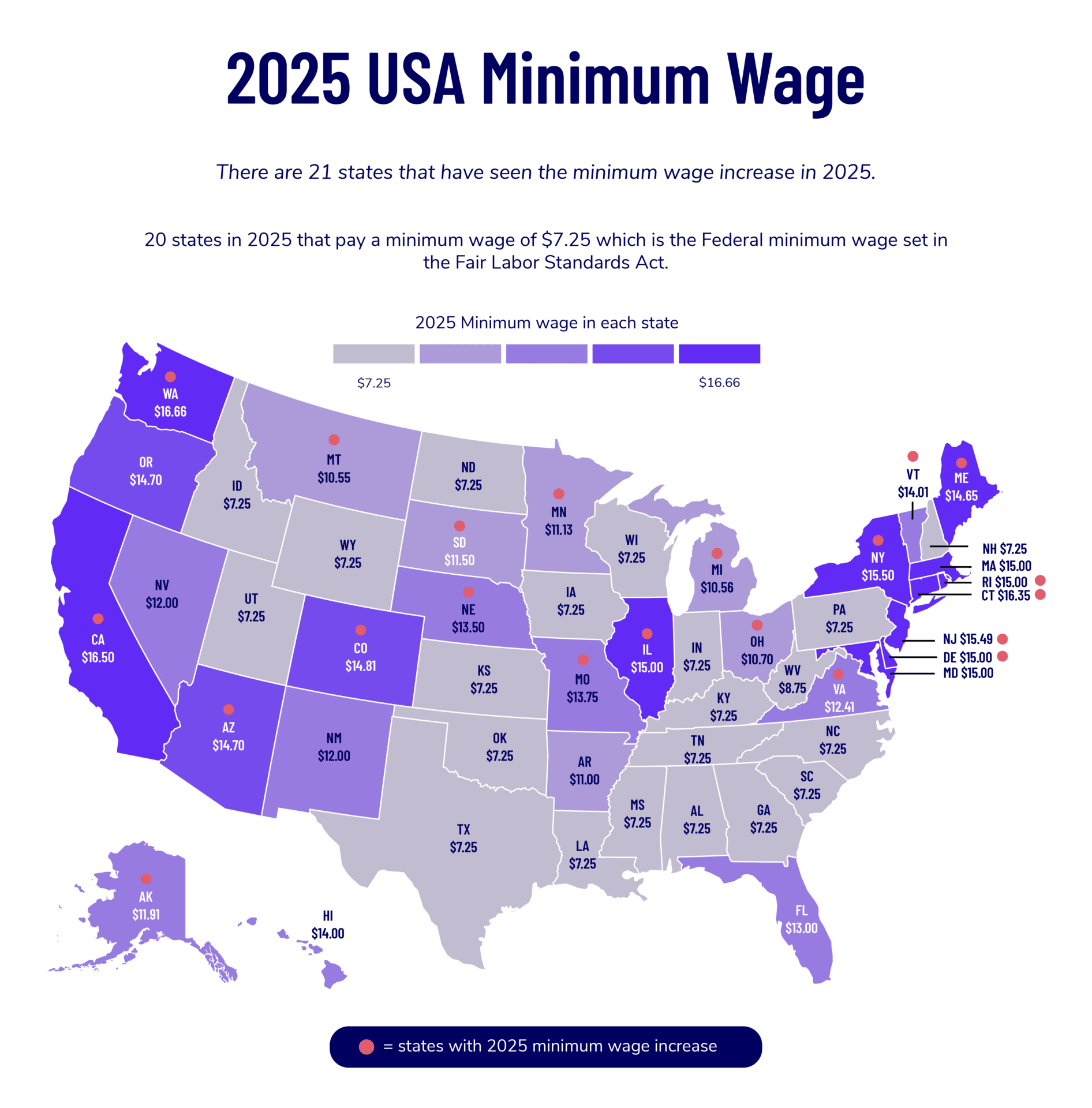
As of the current standing, the state of Kansas primarily abides by the federal minimum wage set by the United States government. This rate has been $7.25 per hour since July 24, 2009. While individual cities or counties within Kansas have the authority to establish their own higher local minimum wages, historically, most have not chosen to do so, preferring to align with the statewide and federal standard. This means that for the vast majority of non-exempt employees across the state, $7.25 per hour is the baseline income they can expect. This figure serves as a crucial benchmark for anyone evaluating the cost of living, the viability of certain job opportunities, or the general economic climate of the region. For travelers, understanding this standard helps contextualize the pricing of services and goods, offering a glimpse into the local economic ecosystem that underpins their travel experiences.

Exemptions and Special Considerations
It’s important to note that the minimum wage standard, while broad, does come with certain exemptions and special considerations that can affect specific groups of workers. The most common of these relates to tipped employees. Under federal law, employers of tipped employees are allowed to pay a lower direct cash wage – currently $2.13 per hour – as long as the employees’ tips bring their total hourly earnings up to at least the federal minimum wage of $7.25. If tips do not cover the difference, the employer is legally obligated to make up the shortfall. This is particularly relevant for those working in the hospitality industry, such as restaurant servers, bartenders, and hotel staff, whose income relies heavily on customer gratuities.
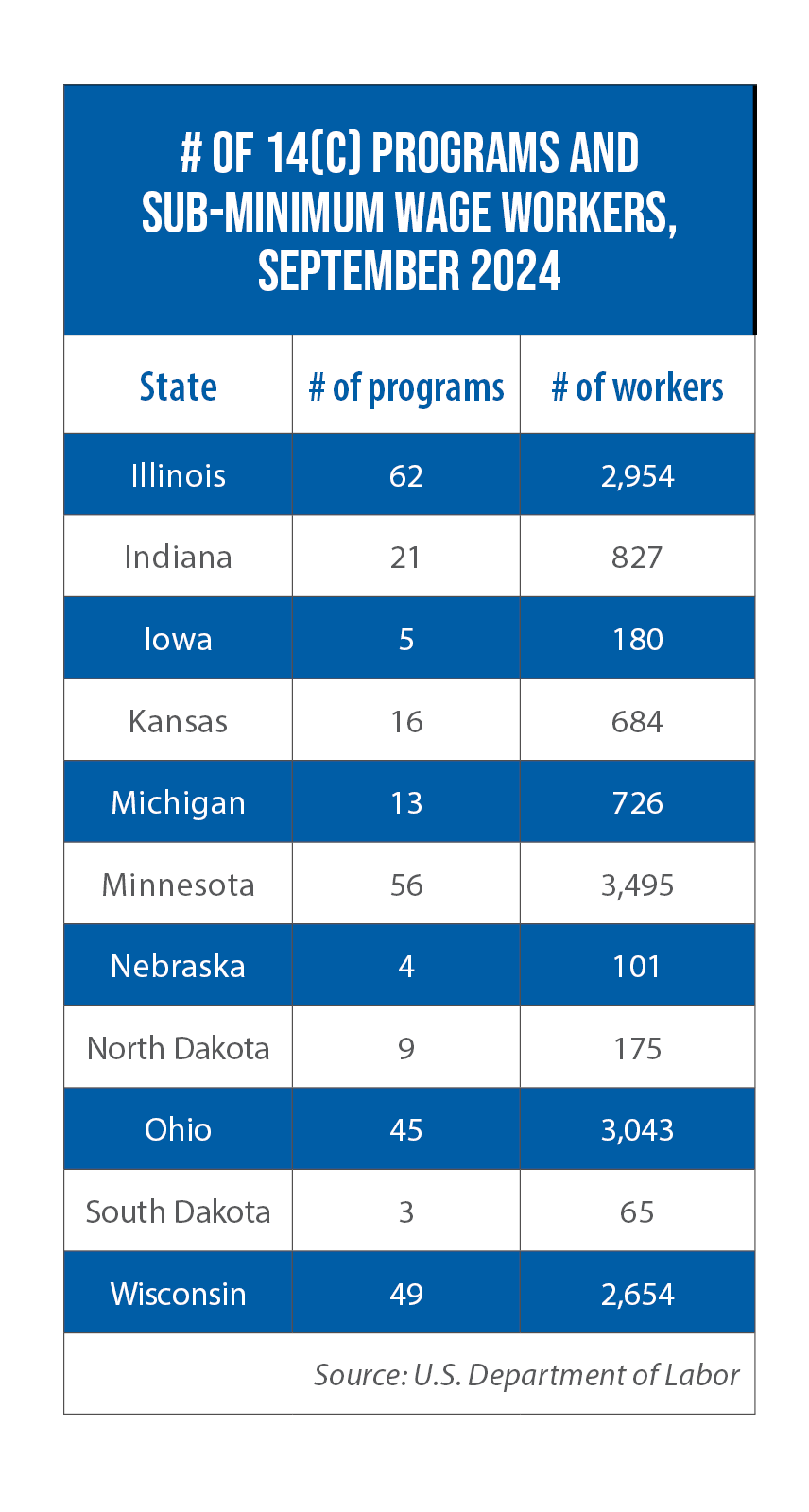
Other exemptions can apply to certain student workers, individuals with disabilities under specific programs, and some agricultural workers. Additionally, federal and state laws have provisions for youth minimum wage, allowing employers to pay workers under 20 years of age a training wage of $4.25 per hour for the first 90 consecutive calendar days of employment. These nuances are vital for a comprehensive understanding of the wage landscape in Kansas and highlight the varied income potential for different segments of the workforce, including those who directly interact with tourists.
Historical Context and Recent Discussions
The $7.25 per hour federal minimum wage has remained unchanged for over a decade, making it one of the longest periods without an increase since the federal minimum wage was established. This static rate in the face of rising costs of living has fueled ongoing national and state-level debates about wage fairness, economic stability, and the ability of minimum wage earners to support themselves and their families. While Kansas has not adopted a higher state minimum wage, there have been discussions and proposals in the legislature over the years to do so. These debates reflect broader concerns about attracting and retaining a skilled workforce, the impact on small businesses, and the overall economic health of the state. For the tourism sector, these discussions are particularly pertinent, as they touch upon the livelihoods of many front-line service workers and the perceived value of labor within the state’s economy. Understanding this historical context helps appreciate the economic environment that shapes the experiences of both residents and visitors in the Sunflower State.
The Cost of Living in Kansas: A Traveler’s Perspective
For many travelers, especially those venturing outside major coastal cities, Kansas is often perceived as an affordable destination. While this is largely true, understanding how the state’s minimum wage influences the cost of living provides a deeper appreciation of what your travel budget can achieve and the economic realities faced by locals. From accommodation to dining and activities, the pricing structure is intrinsically linked to the underlying wage framework.
Accommodation and Lodging
When it comes to accommodation, Kansas generally offers more budget-friendly options compared to popular tourist hubs. In major cities like Wichita or Kansas City (specifically the Kansas side), you can find a wide range of hotels, from international chains to boutique establishments, often at competitive prices. A standard hotel room in Topeka or Lawrence might cost significantly less than a comparable room in, say, New York City or Los Angeles. For budget-conscious travelers, hostels are less common, but guesthouses, motels, and Airbnb rentals offer viable alternatives. The relatively lower labor costs, partly influenced by the minimum wage, can translate into more affordable rates for lodging services.
For longer stays or for digital nomads considering a temporary residence, the cost of long-term rentals is also notably lower than the national average. A one-bedroom apartment in Wichita or Topeka can be secured for a fraction of the price found in larger metropolitan areas. This affordability makes Kansas an attractive option for those looking to stretch their travel budget or experiment with a different lifestyle without breaking the bank.
Dining and Local Cuisine
The culinary scene in Kansas is surprisingly diverse, ranging from classic Midwest comfort food and renowned barbecue to upscale farm-to-table restaurants. The minimum wage environment plays a role in the pricing of these dining experiences. Generally, you’ll find that restaurant meals, especially at casual eateries and diners, are more affordable than in regions with higher labor costs. A hearty breakfast, a satisfying lunch, or a casual dinner can often be enjoyed without a significant impact on your daily budget.
For travelers looking to experience local flavors affordably, exploring local farmers’ markets for fresh produce, visiting smaller, family-run establishments, or opting for lunch specials can offer significant savings. The cost of groceries is also relatively low, which benefits travelers staying in accommodations with kitchen facilities. While tipping remains customary, the overall lower base price for food and service helps keep dining expenses manageable, allowing visitors to savor more of Kansas’s unique culinary offerings.
Transportation and Activities
Getting around Kansas largely depends on your chosen destination. In major cities like Kansas City or Wichita, public transportation systems exist but are generally less comprehensive than in global metropolises. For exploring the vast landscapes and numerous smaller towns, a rental car is often the most practical and efficient option. The cost of gas in Kansas is typically at or below the national average, further contributing to the state’s affordability for road-trippers.
When it comes to activities and attractions, Kansas offers a wealth of options for various budgets. Many natural attractions, such as the Tallgrass Prairie National Preserve near Strong City or numerous state parks like Cedar Bluff State Park and Lake Perry State Park, offer free or low-cost entry. Museums like the Wichita Art Museum, the Boot Hill Museum in Dodge City, or the Sternberg Museum of Natural History in Hays often have reasonable admission fees, with some even offering free days or discounted rates. The relative affordability of labor costs helps maintain these accessible prices, making it easier for travelers to immerse themselves in the state’s history, art, and natural wonders without overspending.
Lifestyle and Tourism: What Minimum Wage Means for Kansas’s Workforce and Visitors
The minimum wage rate in Kansas is more than just a number; it’s a foundational element that shapes the local economy, influences the lifestyle of residents, and subtly impacts the experience of every visitor. From the service quality in hotels and restaurants to the viability of budget travel, the wage structure has far-reaching implications.
Impact on Hospitality and Service Industries
The hospitality and service industries are particularly sensitive to minimum wage policies, as a significant portion of their workforce earns at or near this rate. In Kansas, where the minimum wage aligns with the federal standard of $7.25 per hour (or $2.13 for tipped employees), businesses operate with a specific cost structure. This can translate into more competitive pricing for hotel rooms, meals, and other services, benefiting travelers looking for value. However, it also means that many individuals working as hotel housekeepers, restaurant staff, retail associates, and tour guides are striving to build a livelihood on these wages.
The quality of service, while influenced by training and management, can also be indirectly affected by wage levels. A workforce earning a living wage often exhibits higher morale and lower turnover, which can lead to better customer service. For travelers, this means that while prices might be attractive, understanding the economic realities of the local workforce can foster a deeper appreciation for the service received. It also highlights opportunities to support local economies, perhaps through generous tipping where appropriate, to acknowledge the hard work of those who make travel experiences enjoyable.
Budget Travel in the Sunflower State
Kansas truly shines as a destination for budget-conscious travelers. The generally lower cost of living, influenced by the minimum wage and other economic factors, means your travel dollar can stretch considerably further here than in many other parts of the United States. This affordability extends beyond just the basics of accommodation and food.
- Free Attractions: The state boasts numerous free attractions, from wandering through the expansive Tallgrass Prairie National Preserve, where buffalo roam, to exploring the Brown v. Board of Education National Historic Site in Topeka. Many local parks, scenic drives through the Flint Hills, and charming downtown areas in towns like Abilene or Emporia offer rich experiences without an entry fee.
- Affordable Activities: Cultural events, local festivals, and community gatherings often have low or no admission costs. Visiting a farmers’ market, enjoying a picnic in a state park, or simply taking a leisurely stroll through a historic district are all ways to immerse yourself in the local culture without significant expense.
- Road Trip Friendly: With competitive gas prices and vast, open roads, Kansas is an ideal state for a road trip. The distances between attractions are manageable, and the scenery is captivating, making it an enjoyable and economical way to explore.
By embracing the state’s natural beauty and community-focused attractions, budget travelers can craft rich and memorable itineraries that resonate with the spirit of Kansas.
For Digital Nomads and Relocators
For digital nomads, remote workers, or individuals considering a lifestyle change, Kansas presents an intriguing proposition. The relatively low cost of living, significantly influenced by the minimum wage and overall economic structure, means that income can go a lot further here. Even if an individual’s remote income is moderate, it can afford a comfortable lifestyle, potentially allowing for more savings, investment, or personal travel within the region.
- Affordable Housing: As mentioned, rental costs are significantly lower than in many other parts of the United States. This means a larger, more comfortable living space is often within reach.
- Lower Everyday Expenses: Groceries, utilities, and local services are generally more affordable, contributing to a lower overall monthly expenditure.
- Quality of Life: Many Kansas communities offer a slower pace of life, strong community ties, and access to nature, which can be highly appealing. Cities like Lawrence and Manhattan offer vibrant university towns with cultural amenities, while Wichita and Kansas City provide urban advantages without the exorbitant costs of larger metropolises.
While the minimum wage itself might not be the direct income source for most digital nomads, its impact on the general cost of living creates an environment where their earnings, regardless of the amount, hold greater purchasing power. This makes Kansas a compelling option for those seeking a high quality of life on a reasonable budget.
Beyond the Basics: Exploring Kansas on a Budget
Understanding the minimum wage framework not only informs your perception of local economics but also empowers you to explore Kansas more strategically. The state is brimming with experiences that cater to a range of budgets, proving that an enriching trip doesn’t require lavish spending.
Iconic Landmarks and Attractions That Won’t Break the Bank
Kansas is home to a surprising array of iconic landmarks and attractions, many of which are either free or offer excellent value for their admission price. These sites provide deep dives into history, culture, and nature, making them perfect for budget-conscious adventurers.
- Tallgrass Prairie National Preserve: Located in the heart of the Flint Hills, this preserve is dedicated to protecting a remnant of the once-vast tallgrass prairie ecosystem. Admission is free, offering visitors the chance to hike, explore historic ranch buildings, and spot bison roaming freely. It’s an unforgettable natural experience.
- Brown v. Board of Education National Historic Site: In Topeka, this powerful site commemorates the landmark Supreme Court case that declared state-sponsored segregation in public schools unconstitutional. Entry is free, offering a crucial historical and educational experience.
- Boot Hill Museum (Dodge City): While it has an admission fee, the Boot Hill Museum offers an immersive journey into the Old West history of Dodge City. It’s a comprehensive experience for the price, making it a worthwhile stop.
- Cosmosphere (Hutchinson): A world-renowned space museum and STEM education center, the Cosmosphere in Hutchinson offers various ticket options, from museum-only access to packages including IMAX and planetarium shows. While not free, its extensive collection, including a Blackbird SR-71 and Apollo 13 artifacts, provides incredible value for its cost. Near the Cosmosphere is also Strataca, an underground salt museum that offers a unique subterranean adventure.
These examples illustrate that experiencing the best of Kansas doesn’t always equate to high expenses.
Experiencing Local Culture Affordably
Beyond specific landmarks, Kansas offers countless ways to dive into its local culture without straining your wallet.
- Farmers’ Markets and Local Shops: Visiting local farmers’ markets in cities like Lawrence or Manhattan is a fantastic way to experience local life, taste fresh produce, and find unique artisanal goods. Browsing local shops and art galleries in charming downtown areas often provides entertainment without the pressure to spend.
- Community Events and Festivals: Throughout the year, Kansas towns host a variety of community events, from county fairs and music festivals to art walks and food truck rallies. Many of these events are free to attend, offering a vibrant glimpse into local traditions and hospitality.
- Outdoor Recreation: Embracing the outdoors is one of the most affordable and rewarding ways to experience Kansas. Hiking, birdwatching at the Konza Prairie Biological Station, fishing in one of the state’s numerous lakes, or simply enjoying a picnic in a scenic park are all low-cost activities that connect you with the state’s natural beauty.
By strategically planning your itinerary and leveraging the state’s inherent affordability, you can enjoy a deeply immersive and culturally rich Kansas experience.
In conclusion, the minimum wage in Kansas, predominantly set at the federal rate of $7.25 per hour, underpins an economic landscape that significantly influences the cost of living for residents and the affordability of travel for visitors. This economic reality contributes to Kansas being a highly accessible and budget-friendly destination for those seeking genuine Midwest charm, rich history, and stunning natural beauty. Whether you’re planning a short vacation, considering a longer stay as a digital nomad, or simply curious about the economic fabric of this American heartland, understanding the minimum wage provides a valuable lens through which to appreciate the journey and the lives of the people who call Kansas home. The Sunflower State offers an abundance of experiences that cater to every budget, proving that a memorable adventure doesn’t always come with a hefty price tag.
LifeOutOfTheBox is a participant in the Amazon Services LLC Associates Program, an affiliate advertising program designed to provide a means for sites to earn advertising fees by advertising and linking to Amazon.com. Amazon, the Amazon logo, AmazonSupply, and the AmazonSupply logo are trademarks of Amazon.com, Inc. or its affiliates. As an Amazon Associate we earn affiliate commissions from qualifying purchases.