
The landscape of economic considerations for any traveler or visitor to a region is intrinsically linked to the cost of living and, consequently, the prevailing wage rates. While exploring the vibrant culture and attractions of a state, understanding its minimum wage provides a crucial insight into the economic realities faced by its residents. This, in turn, can influence budgeting, expectations for services, and the overall affordability of a visit. In the context of Oklahoma, the minimum wage for 2024 plays a significant role in shaping the visitor experience, particularly when considering local services, dining, and various activities.

Understanding Minimum Wage and Its Impact on Tourism
Minimum wage is the lowest remuneration that employers are legally permitted to pay their workers. It’s a fundamental aspect of labor law, designed to protect workers from exploitation and ensure a basic standard of living. For a tourist destination like Oklahoma, the minimum wage has several indirect but important implications.
Economic Indicators for Travelers
The minimum wage is a key economic indicator that can inform travelers about the general cost of labor in a region. A higher minimum wage often correlates with a higher cost of goods and services, including accommodation, dining, and local transportation. Conversely, a lower minimum wage might suggest more affordable options. While it’s not a direct price determinant for tourist activities, it offers a background understanding of the economic environment. For instance, when planning a trip to Oklahoma City or Tulsa, knowing the minimum wage can help set realistic expectations for the prices one might encounter at local eateries or for services provided by hourly workers.
Impact on Service Industries
The tourism sector heavily relies on service industries, from hospitality staff in hotels and resorts to servers in restaurants and guides for local tours. The minimum wage directly affects the operational costs for businesses in these sectors. Employers must adhere to the legally mandated wage, which can influence their pricing strategies. For a traveler, this might translate into slightly higher prices for certain services if businesses are factoring in increased labor costs. However, it also signifies a commitment to ensuring fair compensation for those working within the industry, contributing to a more equitable local economy.
Local Culture and Consumer Spending
The minimum wage can also indirectly influence local culture and consumer spending habits. When residents have a higher disposable income due to fair wages, they are more likely to engage in local leisure activities, dine out, and support local businesses. This creates a more vibrant and dynamic local economy, which benefits tourists by offering a wider array of authentic experiences and opportunities to interact with the community. A strong local spending base can lead to the proliferation of unique restaurants, shops, and entertainment venues, enriching the overall travel experience.
Oklahoma’s Minimum Wage: The 2024 Landscape
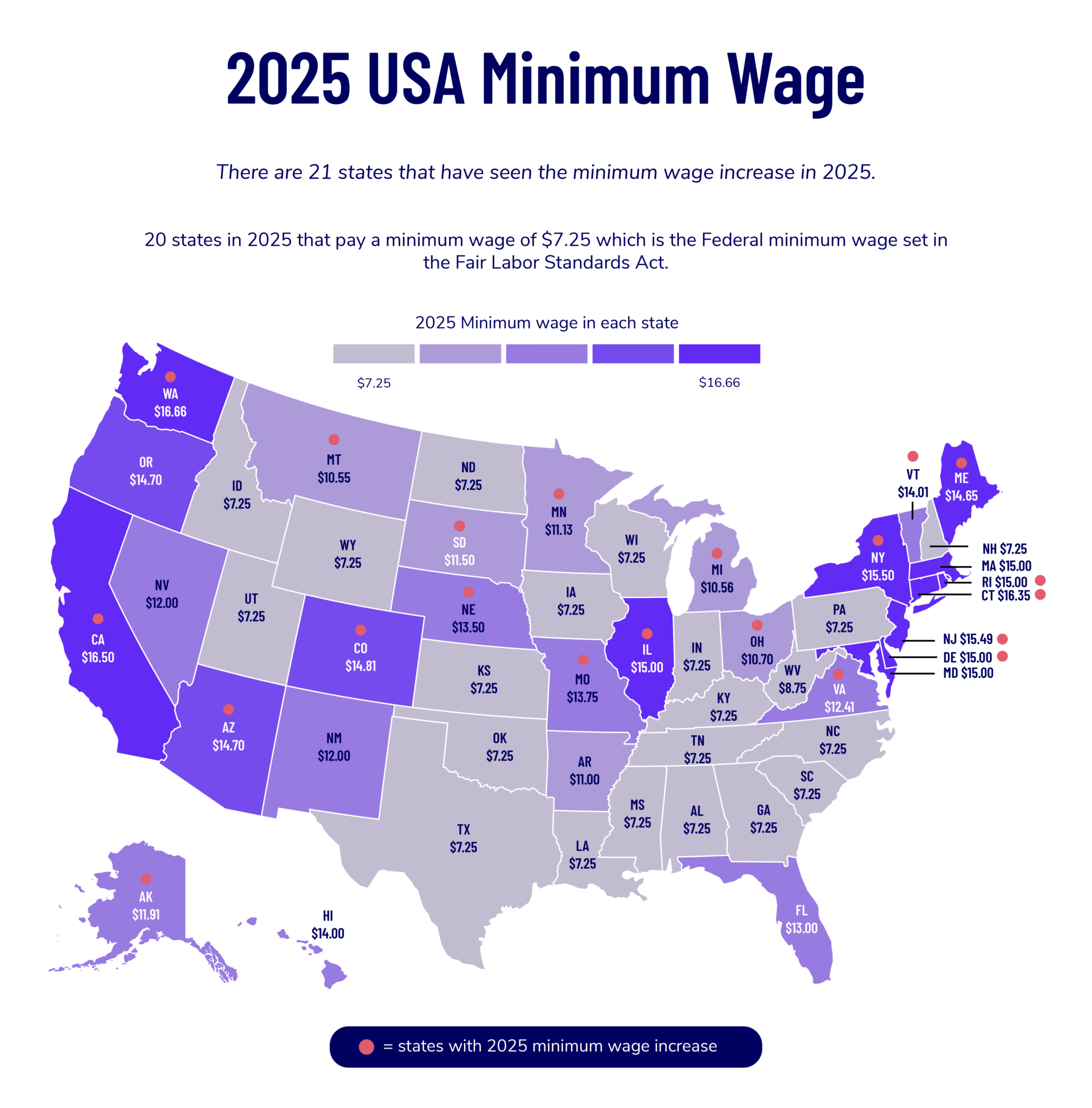
As of the current understanding for 2024, Oklahoma has not seen a state-mandated increase in its minimum wage. This means the prevailing rate remains anchored to the federal minimum wage, which has been a subject of ongoing discussion and debate across the nation.
The Federal Minimum Wage Connection
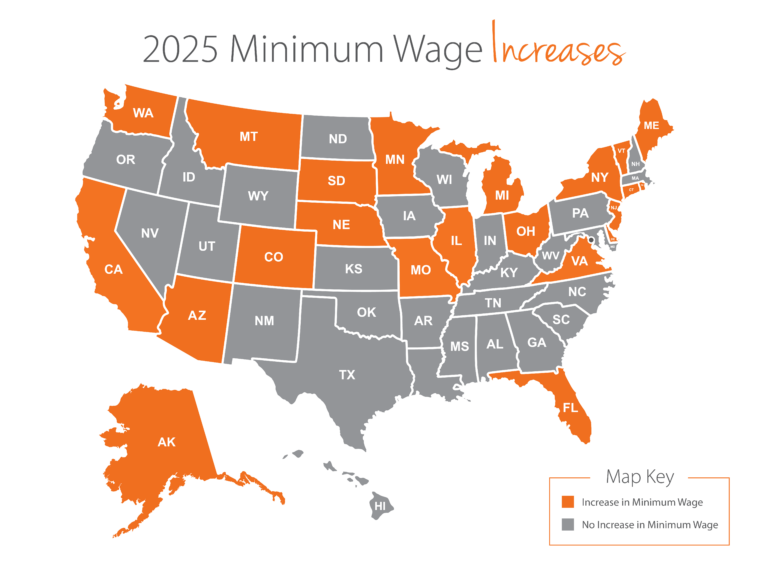
The federal minimum wage in the United States stands at $7.25 per hour. States can set their own minimum wage, but it must be at least equal to the federal rate. If a state’s minimum wage is lower than the federal rate, then the federal rate applies. Conversely, if a state’s minimum wage is higher than the federal rate, the higher state rate prevails. In Oklahoma, there has not been a state-specific increase to supersede the federal $7.25 per hour rate for most employees. This has been the standard for some time, and without new legislative action, it is expected to remain the benchmark for the foreseeable future.
Tipped Employees and Special Circumstances
It is crucial for both employers and employees, and indeed for travelers observing local service industries, to understand the nuances of minimum wage laws, particularly concerning tipped employees. In many jurisdictions, including under federal law, employers are permitted to pay a lower cash wage to employees who regularly receive tips, such as waitstaff and bartenders. This is known as a “tip credit.” The employer can pay a reduced cash wage, provided that the employee’s tips bring their total earnings up to at least the standard minimum wage.
In Oklahoma, employers can take a tip credit. This means that the cash wage for tipped employees can be as low as $2.13 per hour, provided that the tips received by the employee, when added to this cash wage, equal at least the standard minimum wage of $7.25 per hour. If an employee’s tips do not bring their total earnings to $7.25 per hour, the employer must make up the difference. Travelers who frequently patronize restaurants and bars will encounter service staff whose earnings are supplemented by tips, and understanding this wage structure offers insight into the compensation models within the state’s hospitality sector.
Local Ordinances and Potential Variations
While the state of Oklahoma does not have a minimum wage higher than the federal rate, it is always worth noting that some cities or localities may attempt to enact their own minimum wage ordinances. However, such local ordinances are often preempted by state law, meaning that state-level regulations take precedence. As of current information, there are no active or widely recognized local minimum wage ordinances in Oklahoma that would supersede the $7.25 per hour federal standard for the vast majority of workers. Travelers should generally assume the $7.25 per hour federal rate is the operative minimum wage across the state, barring any unforeseen legislative changes or specific employment contracts that offer higher rates.
Implications for Budgeting and Planning a Trip to Oklahoma
For travelers planning an itinerary that includes visiting iconic sites like the Oklahoma City National Memorial & Museum or exploring the natural beauty of Beavers Bend State Park, understanding the minimum wage in Oklahoma provides a useful backdrop for financial planning.
Cost of Dining and Services
The $7.25 per hour minimum wage in Oklahoma suggests that labor costs for businesses may be relatively lower compared to states with significantly higher minimum wages. This can, in some instances, translate into more affordable dining options and services. When you dine at a local diner in Enid or enjoy a craft beer at a brewery in Norman, the price of your meal or beverage is influenced by various factors, including ingredient costs, rent, and labor. While the minimum wage isn’t the sole determinant, it contributes to the overall cost structure of these businesses. For budget-conscious travelers, this might mean finding more economical choices for food and other services.
Accommodation and Local Attractions
Similarly, the cost of accommodation and access to local attractions can be indirectly influenced. While major hotel chains like Hyatt or Marriott set their own pricing based on market demand and brand standards, smaller, locally-owned establishments might be more sensitive to labor costs. This could manifest in the pricing of boutique hotels or bed and breakfasts. For attractions, from museums in the Arts District of Oklahoma City to historical sites scattered across the state, the operational costs, including staffing, will be benchmarked against the prevailing wage. Thus, a lower minimum wage can contribute to maintaining competitive entry fees for many popular sites, making Oklahoma an accessible destination for a wide range of visitors.
The Value of Local Experiences
Beyond direct costs, understanding the minimum wage can foster a greater appreciation for the local economy and the people who contribute to making Oklahoma a unique travel destination. Recognizing that many individuals providing services are earning at or near the minimum wage can encourage travelers to engage more thoughtfully with local businesses. This might involve tipping generously where appropriate, supporting independently owned establishments, and acknowledging the hard work that goes into delivering memorable visitor experiences. The $7.25 per hour minimum wage in Oklahoma for 2024 is a foundational element of the state’s economic fabric, influencing everything from the cost of a cup of coffee to the overall economic vitality that makes any journey worthwhile.
LifeOutOfTheBox is a participant in the Amazon Services LLC Associates Program, an affiliate advertising program designed to provide a means for sites to earn advertising fees by advertising and linking to Amazon.com. Amazon, the Amazon logo, AmazonSupply, and the AmazonSupply logo are trademarks of Amazon.com, Inc. or its affiliates. As an Amazon Associate we earn affiliate commissions from qualifying purchases.