
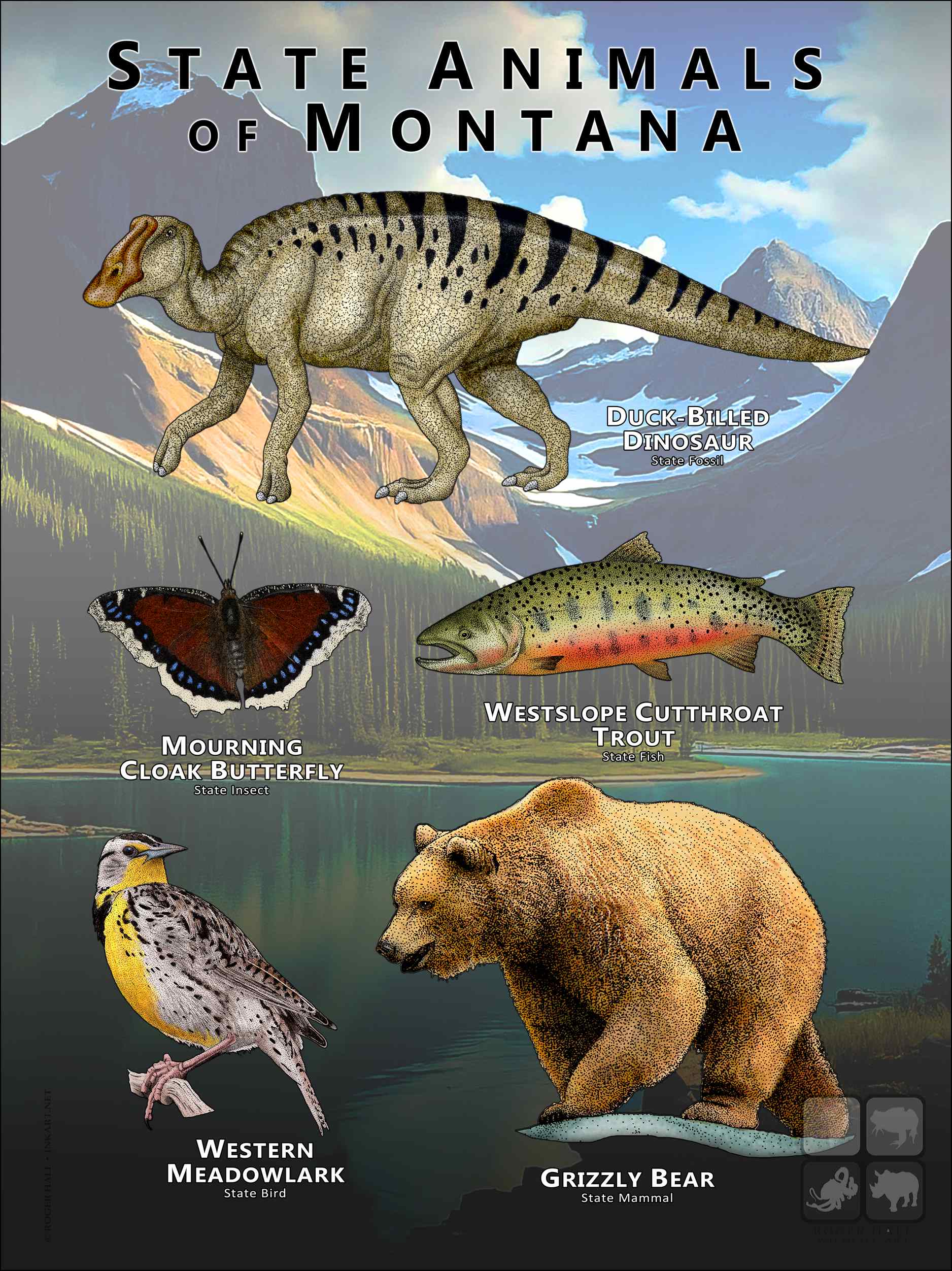
Montana, often called the “Treasure State” and renowned for its sweeping landscapes, rugged mountains, and vast wilderness, embodies the spirit of the American frontier. It’s a land where the wild heart of nature still beats strongly, offering an unparalleled tapestry of outdoor adventure and breathtaking scenery. For those who seek an escape from the mundane, Montana promises an experience steeped in authentic Western heritage, rich history, and profound connection with the natural world. Central to this identity, and perhaps the most iconic symbol of its untamed spirit, is Montana’s state animal: the magnificent Grizzly Bear (Ursus arctos horribilis).
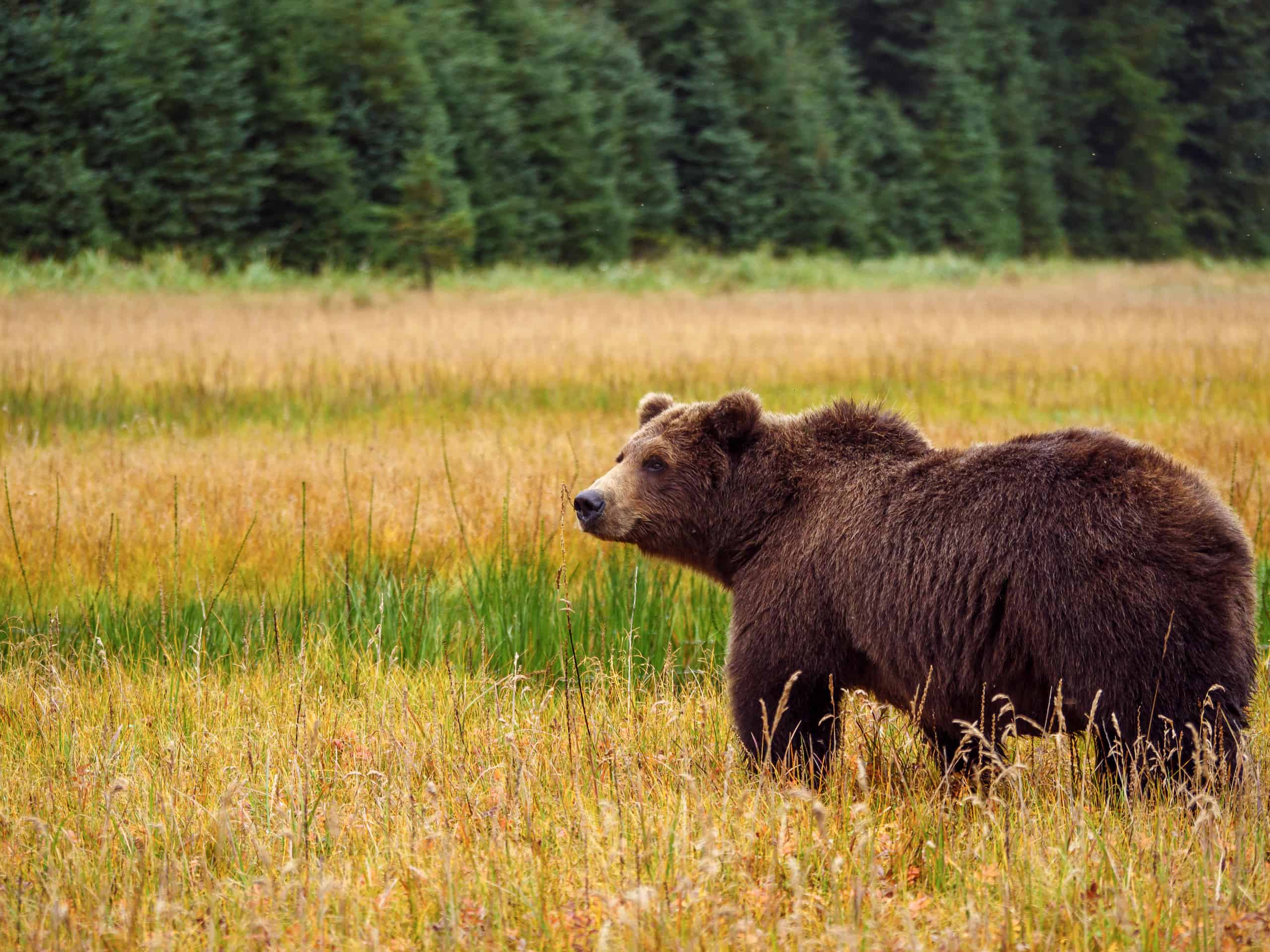
Chosen for its raw power, intelligence, and undeniable presence, the Grizzly Bear perfectly encapsulates the grandeur and formidable beauty of Montana’s wilderness. This apex predator commands respect and awe, symbolizing the wildness that both defines and attracts countless travelers to this extraordinary state. Its designation as the state animal is not merely symbolic; it’s a constant reminder of Montana’s commitment to preserving its wild ecosystems and the incredible biodiversity that thrives within them. For visitors drawn to the allure of Montana, understanding and appreciating the Grizzly Bear is integral to a truly immersive travel experience, offering insights into the state’s natural rhythms and the vital importance of conservation. From the pristine National Parks to the sprawling wilderness areas, the bear’s enduring presence shapes everything from wildlife viewing tours to the very infrastructure of tourism, making Montana a premier destination for those seeking an authentic encounter with the wild.
Encountering the Monarch of the Wilderness: The Grizzly Bear in Montana
The allure of the Grizzly Bear is a significant draw for many who venture into Montana’s vast outdoors. As a cornerstone of the state’s wildlife tourism, the opportunity to witness these majestic creatures in their natural habitat is a bucket-list experience for adventurers and nature enthusiasts alike. However, such encounters demand respect, preparation, and an unwavering commitment to responsible tourism, ensuring both human safety and the bears’ welfare.
Where to Spot Grizzlies and Their Habitat
Montana is home to some of the most robust Grizzly Bear populations in the Lower 48 states, particularly within its expansive ecosystems. The crown jewels for bear viewing are undoubtedly Glacier National Park and the northern regions of Yellowstone National Park. These parks offer prime habitat, characterized by dense forests, alpine meadows, and abundant food sources, making them ideal places for spotting bears from a safe distance.
In Glacier National Park, areas like Many Glacier, Two Medicine, and the pristine wilderness accessible from the iconic Going-to-the-Sun Road are known for bear activity. Visitors here often have the chance to see grizzlies foraging for berries, digging for roots, or simply traversing the landscape. Similarly, the Yellowstone National Park’s Northern Range, accessible through Gardiner, Montana, is famous for its abundant wildlife, including grizzlies, often seen from roadside pullouts or established viewpoints. Beyond the National Parks, expansive wilderness areas like the Bob Marshall Wilderness Complex, Flathead National Forest, and Kootenai National Forest provide critical habitat for these magnificent animals, though spotting them in these more remote regions often requires guided expeditions and significant backcountry experience.
Responsible Wildlife Viewing and Safety Tips
The thrill of seeing a Grizzly Bear in the wild comes with a profound responsibility. Montana’s tourism industry, in collaboration with organizations like Montana Fish, Wildlife & Parks, emphasizes strict guidelines for wildlife viewing to ensure the safety of both humans and bears. Always maintain a safe and respectful distance – typically at least 100 yards (91 meters) from bears. Use binoculars or a telephoto lens for viewing and photography. Never approach a bear, even if it appears docile or accustomed to human presence.
When hiking in bear country, make noise to avoid surprising a bear, travel in groups, and carry EPA-approved bear spray, knowing how to use it. Store food and scented items in bear-resistant containers or hung from trees, especially if camping. Respect closures and warnings posted by park rangers or forest service personnel, as these are in place for public safety and bear management. Consider joining a guided tour led by experienced naturalists or outfitters who possess extensive knowledge of local wildlife patterns and safety protocols. These tours not only enhance your chances of a safe viewing but also enrich your understanding of the ecosystem.
Conservation Efforts for Montana’s Grizzlies
The survival and thriving population of Grizzly Bears in Montana are testaments to decades of dedicated conservation efforts. Once nearly eradicated from the Lower 48, grizzlies have seen a remarkable comeback due to the Endangered Species Act and collaborative conservation strategies involving federal agencies, state wildlife departments, and local communities. These efforts focus on habitat preservation, reducing human-bear conflicts, and public education.
However, the future of the Grizzly Bear in Montana remains a topic of ongoing discussion and management. Debates surrounding delisting bears from the Endangered Species Act, managing population growth, and ensuring connectivity between isolated bear populations highlight the complex balance between conservation success and human development. Tourism plays a crucial role in these efforts, as visitor education funds park services, research, and mitigation strategies. By choosing responsible travel options and adhering to park guidelines, visitors directly contribute to the long-term protection of Montana’s iconic state animal and its wild home.
Beyond the Bear: Exploring Montana’s Untamed Beauty and Rich Heritage
While the Grizzly Bear stands as a powerful emblem, Montana’s appeal extends far beyond its state animal. The state is a mosaic of stunning natural landmarks, vibrant cultures, and a storied history that beckons adventurers, history buffs, and those simply seeking solace in nature’s grandeur.
Iconic Natural Landmarks and Outdoor Adventures
Montana’s landscape is dominated by the majestic Rocky Mountains, which sculpt a dramatic backdrop for an endless array of outdoor activities. Glacier National Park, often called the “Crown of the Continent,” offers over 700 miles of hiking trails that wind through glacier-carved valleys, past pristine alpine lakes like Lake McDonald, and up to breathtaking viewpoints. The engineering marvel of the Going-to-the-Sun Road provides accessible scenic drives with unparalleled vistas.
A portion of Yellowstone National Park extends into Montana, allowing visitors to experience the world’s first national park, with its iconic geysers, hot springs, and abundant wildlife viewing opportunities. Beyond the National Parks, Montana boasts other natural wonders. Flathead Lake, the largest freshwater lake west of the Mississippi, is a paradise for boating, fishing, and swimming, surrounded by cherry orchards. The wild and scenic Missouri River offers incredible opportunities for fly-fishing, canoeing, and kayaking, tracing parts of the historic Lewis and Clark Trail. Winter transforms the state into a wonderland for skiing and snowboarding, with world-class resorts like Big Sky Resort offering vast terrain and luxurious amenities.
Delving into Montana’s Culture and History
Montana’s history is as rugged as its landscape, a narrative woven with tales of early Native American tribes, intrepid explorers, gold rush prospectors, and resilient homesteaders. Visitors can step back in time by exploring well-preserved Western frontier towns like Virginia City and its neighbor, Nevada City, where meticulously restored buildings and living history demonstrations bring the 1860s gold rush to life.
The legacy of the Lewis and Clark Expedition is deeply embedded in Montana, with numerous interpretive centers and segments of the trail available for exploration, particularly around Great Falls. Significant historical landmarks also include battlefields such as Little Bighorn Battlefield National Monument and Big Hole National Battlefield, offering poignant reflections on conflicts between the U.S. Army and Native American tribes.
Montana’s vibrant Native American culture is celebrated through powwows, cultural centers, and tribal museums, offering deep insights into the traditions, art, and history of the state’s indigenous peoples. Year-round, Montana hosts various local festivals, rodeos, and art shows that showcase its contemporary culture, from the cowboy traditions of the past to its burgeoning arts scene in cities like Missoula and Bozeman.
Crafting Your Montana Experience: Accommodation and Lifestyle Choices
A truly memorable Montana adventure is complemented by the right choice of accommodation and tailored travel lifestyle. The state offers a spectrum of lodging options, ranging from opulent luxury resorts to rustic cabins and immersive guest ranches, catering to every taste and budget.
Diverse Stays for Every Traveler
For those seeking the pinnacle of indulgence amidst the wilderness, Montana is home to some of the finest luxury resorts and ranches in North America. The Resort at Paws Up near Greenough offers “glamping” experiences and private homes with gourmet dining, spa treatments, and a vast array of outdoor activities. Triple Creek Ranch, an adults-only Relais & Châteaux property in the Bitterroot Mountains, promises an all-inclusive, sophisticated Western experience.
In vibrant gateway cities like Bozeman, Missoula, Kalispell, and Whitefish, travelers will find a range of boutique hotels, charming inns, and well-appointed suites that blend modern comforts with local character. These cities also offer numerous vacation rentals and apartments for those seeking a more independent stay, often equipped with full kitchens and amenities ideal for families or longer visits.
For a quintessential Montana experience, consider a stay at one of the state’s many guest ranches. These establishments offer everything from horseback riding and cattle drives to fly-fishing and archery, providing an authentic taste of cowboy life. For the budget-conscious or those desiring ultimate immersion in nature, numerous campgrounds and RV parks are available within National Parks, National Forests, and state parks, allowing direct access to Montana’s incredible outdoor playground.
Tailoring Your Montana Adventure: Lifestyle Travel
Montana caters to diverse travel lifestyles. For luxury travel enthusiasts, experiences often include private guides for fly-fishing on the Yellowstone River or The Clark Fork River, heli-skiing in the Absaroka-Beartooth Wilderness, and gourmet dining featuring locally sourced ingredients. Family trips can find joy in dude ranch stays, engaging National Park ranger programs, or exploring dinosaur fossils at the Museum of the Rockies in Bozeman.
Budget-friendly options are plentiful, encouraging travelers to embrace free outdoor activities like hiking and picnicking, utilizing camping facilities, and exploring charming small towns like Philipsburg or Anaconda. For the adventurous spirit, Montana is an adventure travel mecca, offering whitewater rafting on the Gallatin River, rock climbing in the Bitterroot Valley, mountain biking on scenic trails, and backpacking deep into the backcountry. Regardless of your preferred travel style, Montana provides the canvas for a personalized and unforgettable journey.
Culinary Delights and Local Flavors
Montana’s culinary scene is as rich and authentic as its landscape. The state is celebrated for its high-quality Montana beef and bison, which feature prominently on menus across the state, from upscale steakhouses to casual diners. A must-try regional specialty is the sweet and tart huckleberry, found in pies, jams, ice creams, and even cocktails during its season.
The craft beverage movement has also taken strong root in Montana, with numerous award-winning craft breweries and distilleries offering unique local flavors, often inspired by the state’s natural ingredients. Cities like Bozeman and Missoula are vibrant hubs for farm-to-table restaurants, showcasing fresh, seasonal produce from local growers. Whether you’re enjoying a hearty Western breakfast at a dude ranch or a sophisticated meal in a city bistro, Montana’s food scene offers a delicious complement to its outdoor adventures.
Planning Your Unforgettable Montana Getaway
Embarking on a journey to Montana promises an experience filled with wonder, adventure, and profound connection to nature. To maximize your enjoyment and ensure a smooth trip, a little planning goes a long way, especially when navigating its vast landscapes and popular attractions.
Best Time to Visit
The ideal time to visit Montana largely depends on your desired activities. Summer (June to August) is peak season, offering the warmest weather and full access to National Parks, hiking trails, and water sports. This is when wildlife, including bears, are most active, and all park roads, like Glacier National Park’s Going-to-the-Sun Road, are typically open. However, expect larger crowds and higher prices for accommodations.
Fall (September to October) brings stunning foliage, fewer crowds, and crisp weather, making it an excellent time for hiking and wildlife viewing as animals prepare for winter. Spring (April to May) sees the landscape reawaken, with wildflowers blooming and newborn wildlife. It’s a quieter time, though some high-elevation trails and roads may still be closed due to snow. Winter (November to March) transforms Montana into a snowy paradise, perfect for skiing, snowboarding, snowshoeing, and ice fishing, with many resorts and towns offering cozy, festive atmospheres. For Grizzly Bear viewing, late spring and early fall are often the best, as bears are emerging from or preparing for hibernation.
Essential Tips for Travelers
- Book in Advance: Especially during peak summer season and for popular National Parks or ski resorts like Big Sky and Whitefish Mountain Resort, accommodations, guided tours, and rental cars should be booked several months ahead.
- Pack Layers: Montana’s weather can be unpredictable, even in summer. Dressing in layers allows you to adapt to changing temperatures throughout the day. Include rain gear and sturdy hiking boots.
- Respect the Environment: Adhere to “Leave No Trace” principles. Pack out everything you pack in, stay on marked trails, and dispose of waste properly.
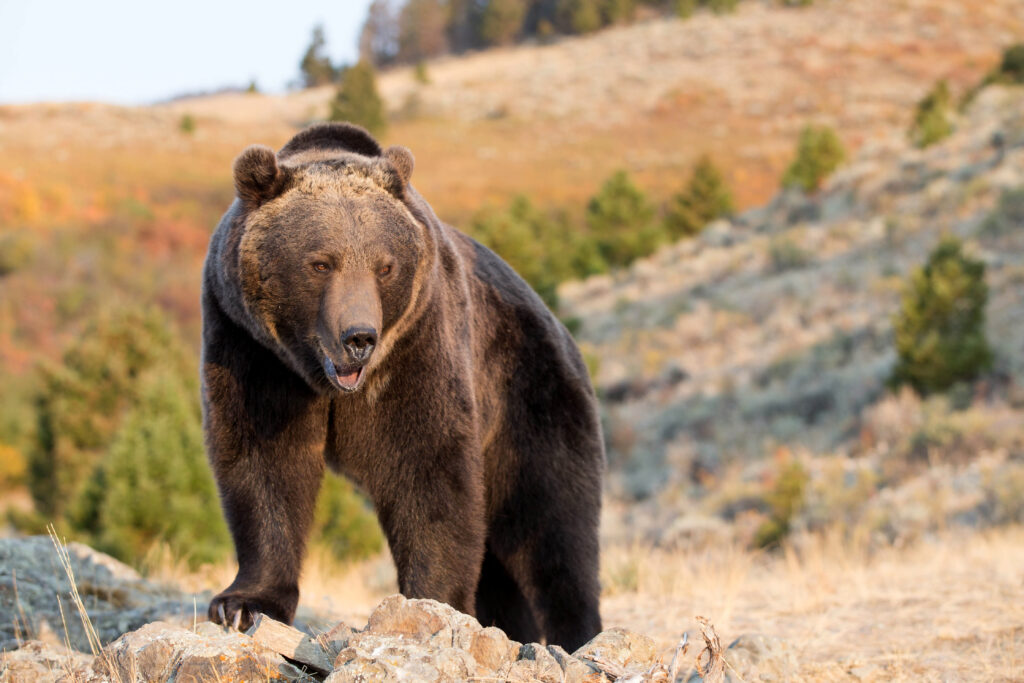
- Wildlife Awareness: Always be aware of your surroundings, especially in bear country. Carry bear spray and know how to use it. Store food securely.
- Consider Travel Insurance: Given the active nature of many Montana adventures and the remote locations, travel insurance can provide peace of mind.
- Hydrate: The dry climate and high altitudes can lead to dehydration. Drink plenty of water, especially when engaging in physical activities.
In conclusion, Montana’s status as the “Treasure State” is richly deserved, offering an extraordinary blend of wild beauty, cultural depth, and endless adventure. At its heart lies the majestic Grizzly Bear, a powerful symbol of the state’s untamed spirit and its commitment to preserving natural heritage. Whether you’re seeking the thrill of wildlife encounters, the serenity of pristine wilderness, the charm of historic towns, or the comfort of world-class accommodation, Montana promises an unforgettable journey. Embrace the wild, explore with respect, and discover why the big sky country captures the hearts of all who visit.
LifeOutOfTheBox is a participant in the Amazon Services LLC Associates Program, an affiliate advertising program designed to provide a means for sites to earn advertising fees by advertising and linking to Amazon.com. Amazon, the Amazon logo, AmazonSupply, and the AmazonSupply logo are trademarks of Amazon.com, Inc. or its affiliates. As an Amazon Associate we earn affiliate commissions from qualifying purchases.