
Embarking on a journey through the vast landscapes and vibrant cities of Texas promises an adventure filled with diverse experiences, from historic landmarks to bustling metropolises and serene natural wonders. However, before you pack your bags and set your sights on the Lone Star State, there’s a crucial piece of information that savvy travelers always consider: time zones. While many states operate under a single time zone, Texas, with its immense size, is one of the few that straddles two distinct zones, an important detail that can significantly impact your travel plans, particularly if your itinerary takes you across the state’s western reaches.
Understanding the temporal nuances of Texas is not merely a matter of knowing what time it is; it’s about optimizing your travel, ensuring seamless connections, and making the most of every precious moment. Whether you’re planning a business trip to Dallas, a leisurely vacation to San Antonio, or an adventurous excursion to Big Bend National Park, knowing your current and destination time zones is fundamental. This comprehensive guide will unravel the intricacies of Texas’s time zones, offer practical advice for navigating them, and weave in essential travel tips to enhance your overall Texas experience, from securing the perfect accommodation to discovering hidden culinary gems.
Understanding Texas Time Zones: The Lay of the Land
The geographical immensity of Texas dictates its division into two primary time zones. The vast majority of the state observes one, while a distinct western sliver adheres to another. This division is a legacy of the state’s historical development and its sheer expanse, covering an area larger than many European countries.
The Central Time Zone Dominance
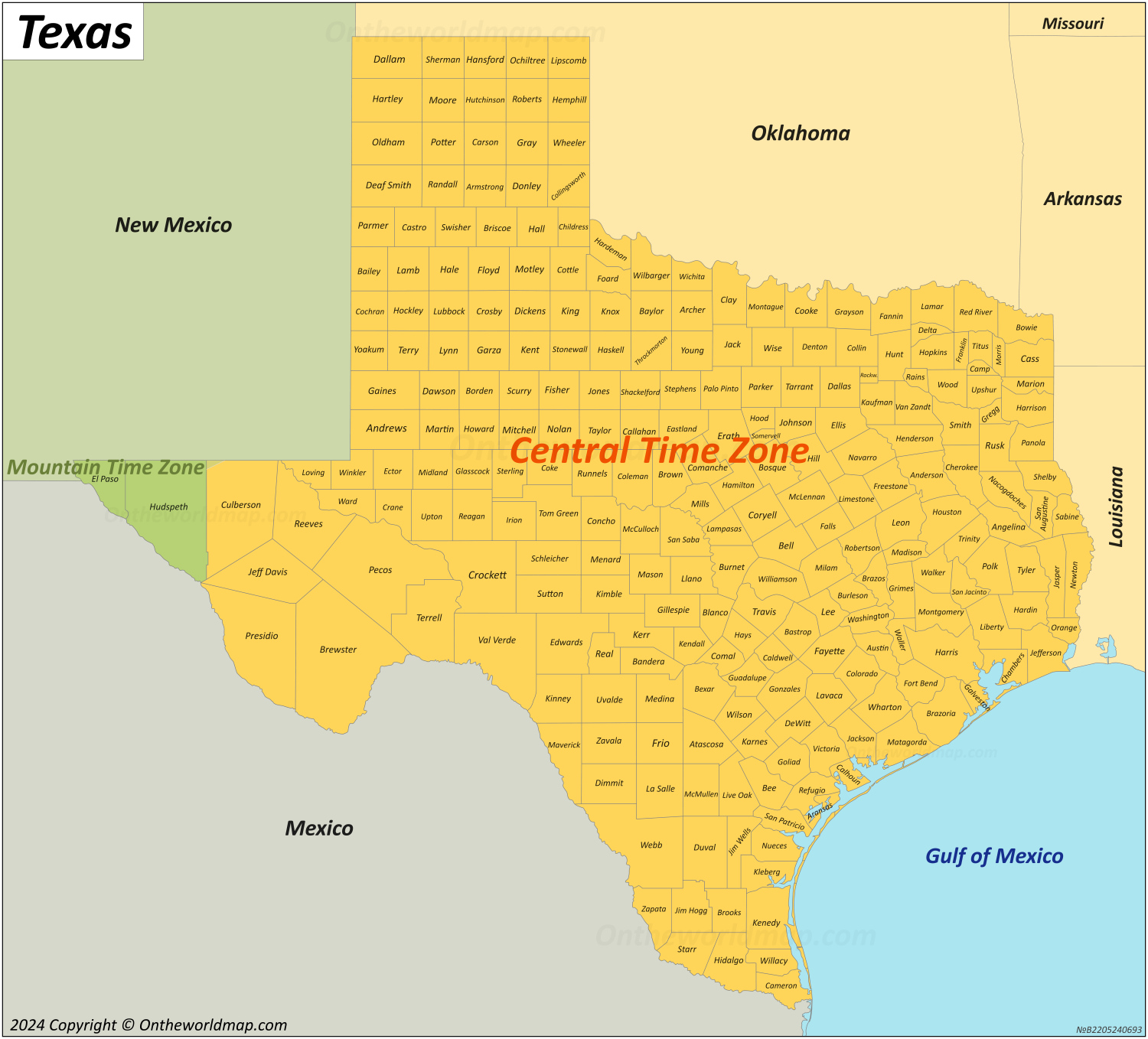
Most of Texas, approximately 90% of its landmass and population, operates under the Central Time Zone (CT). This includes all of the state’s major urban centers and popular tourist destinations. When you hear about time in Texas, it’s almost always referring to Central Time Zone.
Cities like Houston, Dallas, Austin, San Antonio, and Fort Worth all fall within the Central Time Zone. This uniformity across the most populated areas simplifies planning for many visitors, especially those focusing on the cultural, culinary, and entertainment hubs of the state. From catching a show in Austin’s live music venues to exploring the historic Riverwalk in San Antonio, or attending a business conference in Dallas, your clock will remain consistent throughout these primary travel corridors.
The Central Time Zone is officially designated as UTC-6 during standard time (Central Standard Time, CST) and UTC-5 during Daylight Saving Time (Central Daylight Time, CDT). This means that during the spring and summer months, clocks in the Central Time Zone are advanced by one hour.
The Mountain Time Zone Exception
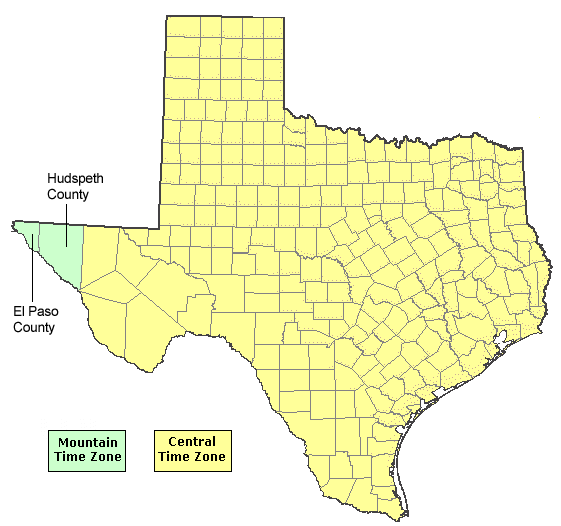
While the Central Time Zone covers the bulk of Texas, a notable exception exists in the far western part of the state, particularly around the city of El Paso. This region operates under the Mountain Time Zone (MT).
The shift to Mountain Time Zone aligns El Paso and its surrounding areas with neighboring states like New Mexico, facilitating commerce and communication across state lines. Specifically, the entire county of El Paso observes Mountain Time Zone. Additionally, the northern portion of Hudspeth County, which includes the communities of Cornudas, Dell City, and Salt Flat, also observes Mountain Time Zone. This region is home to stunning natural attractions like Guadalupe Peak, the highest point in Texas, and Guadalupe Mountains National Park, making time zone awareness crucial for adventurers heading to these remote yet captivating destinations.
The Mountain Time Zone is officially UTC-7 during standard time (Mountain Standard Time, MST) and UTC-6 during Daylight Saving Time (Mountain Daylight Time, MDT). This means that these western regions are consistently one hour behind the rest of Texas at any given moment.
Daylight Saving Time in the Lone Star State
Like most of the United States, Texas observes Daylight Saving Time (DST). Clocks “spring forward” one hour on the second Sunday in March and “fall back” one hour on the first Sunday in November. This practice affects both the Central Time Zone and Mountain Time Zone portions of the state.
While Daylight Saving Time aims to make better use of daylight hours, it can sometimes add an extra layer of confusion for travelers, especially when crossing time zone boundaries. It’s essential to factor in these seasonal adjustments when planning your travel dates and scheduling activities, particularly during the spring and fall transitions. Always double-check event times and flight schedules, as they are typically provided in local time, which will reflect the current DST status.
Navigating Time Zones for Your Texas Trip
Understanding where Texas draws its time zone lines is just the beginning. The real challenge, and opportunity, lies in applying this knowledge to make your travel experience as smooth and enjoyable as possible. This is where the principles of efficient travel planning, a core theme of this website, come into play.
Planning Your Itinerary Across Time Zones
For most travelers sticking to the eastern and central parts of Texas, time zones won’t be a major concern. However, if your journey includes the El Paso area or the far western Hudspeth County, meticulous planning is key.
- Flights and Transportation: If flying into El Paso from Dallas or Houston, remember you’ll effectively gain an hour upon arrival. Conversely, flying from El Paso eastward means losing an hour. This can impact connection times or the perceived length of your journey. When booking flights, always confirm the departure and arrival times in local time for each airport.
- Road Trips: Driving across the time zone boundary near Hudspeth County is a subtle but real shift. Be mindful if you have timed appointments, hotel check-ins, or reservations. Your phone or car’s GPS should automatically adjust, but it’s wise to double-check manually. A good rule of thumb: if you’re west of the 104th meridian west, you’re likely in Mountain Time Zone.
- Coordination and Communication: If you’re meeting friends or family, or have business appointments in different time zones, ensure everyone is aware of the local time differences. Misunderstandings can lead to missed connections or inconvenient delays. Always specify whether a time refers to CT or MT when coordinating.
Impact on Accommodation and Attractions
When booking hotels, suites, resorts, or apartments, especially in the western part of the state, remember that check-in and check-out times will adhere to the local time zone. A hotel in El Paso will operate on Mountain Time Zone, while one in San Antonio will be on Central Time Zone. This also applies to opening and closing hours for attractions, restaurants, and other tourism-related services.
For instance, if you’re planning a visit to Guadalupe Mountains National Park (in Mountain Time Zone) after spending time in Austin (in Central Time Zone), remember that park hours will effectively “start an hour later” relative to your Austin internal clock. This can be an advantage for early risers, offering an extra hour of perceived daylight for morning hikes.
Beyond the Clock: Experiencing Texas
While time zones are a practical consideration, they’re merely a backdrop to the vibrant tapestry of experiences Texas offers. This state is a treasure trove for travelers, aligning perfectly with the core topics of travel, hotels, tourism, accommodation, landmarks, and lifestyle.
Big Cities, Big Experiences
Texas boasts some of the largest and most dynamic cities in the United States, each with its unique charm and attractions.
- Houston: A global hub for space exploration and energy, Houston offers attractions like Space Center Houston, a thriving arts scene, and diverse culinary experiences. From luxury hotels to budget-friendly apartments, accommodation options are plentiful.
- Dallas: Known for its sophisticated arts district, upscale shopping, and historical significance (such as the Sixth Floor Museum at Dealey Plaza), Dallas merges urban chic with cowboy heritage. Grand hotels and boutique stays cater to every preference.
- Austin: The “Live Music Capital of the World” is a magnet for creatives and tech innovators. Its vibrant nightlife, food trucks, and outdoor activities make it a unique destination. Check into iconic places like The Driskill for a taste of historic luxury.
- San Antonio: Rich in history and culture, San Antonio is home to the iconic Alamo and the enchanting Riverwalk. Its unique blend of Spanish colonial heritage and modern Texan flair makes it a must-visit.
From Beaches to Mountains: Texas’s Diverse Landscapes
Beyond its urban centers, Texas offers an incredible array of natural beauty.
- Gulf Coast: Stretching along the Gulf Coast, destinations like South Padre Island, Port Aransas, and Corpus Christi invite travelers to relax on sandy beaches, enjoy water sports, and explore vibrant coastal ecosystems. Many resorts and vacation rentals cater to beach lovers.
- West Texas: Venture west, and you’ll find the rugged beauty of the Chihuahuan Desert. Big Bend National Park offers unparalleled hiking, stargazing, and river adventures, while the quirky art town of Marfa and the McDonald Observatory provide unique cultural and scientific experiences. Remember, these are often in the Mountain Time Zone!
- Texas Hill Country: A rolling landscape of limestone hills, spring-fed rivers, and charming small towns, the Texas Hill Country is perfect for wine tasting in Fredericksburg, swimming in natural springs, or enjoying live music at historic venues like Gruene Hall.
A Taste of Texas: Culinary Delights
No trip to Texas is complete without indulging in its legendary cuisine. From mouth-watering barbecue joints that dot the state to authentic Tex-Mex establishments, the food scene is a major attraction. Explore food tours in Austin, dine at five-star restaurants in Dallas, or discover local favorites in smaller towns like Waco, home to Magnolia Market at the Silos.
Finding Your Perfect Texas Stay
Accommodation in Texas ranges from opulent resorts and historic hotels to cozy bed-and-breakfasts, spacious vacation villas, and modern apartments. Whether you’re seeking luxury travel experiences at properties like the JW Marriott San Antonio Hill Country Resort & Spa or Hotel ZaZa Dallas, or planning a budget-friendly family trip, Texas has options to suit every lifestyle and pocketbook. Utilize online booking platforms and reviews to compare amenities, locations, and prices, ensuring your stay enhances your overall Texas adventure. Many hotels offer unique experiences, such as the art-focused Hotel ZaZa Dallas or the sprawling Omni Fort Worth Hotel with its Western elegance. For those needing to stay close to major transport hubs, properties like the Hyatt Regency Dallas offer convenient access and top-tier amenities.

Practical Tips for Time Zone Management and Travel
To ensure a seamless journey through Texas, keep these practical tips in mind:
- Always Confirm Local Time: When making reservations, checking flight times, or scheduling appointments, always confirm the local time zone. When in doubt, explicitly ask if the time is CT or MT.
- Use Digital Tools: Your smartphone, smartwatch, and GPS devices will typically automatically adjust to the correct local time zone. However, it’s a good practice to manually check your device’s settings to ensure automatic time zone updates are enabled, especially if crossing the CT/MT boundary.
- Travel Documents and Confirmations: Pay close attention to time zones indicated on flight tickets, hotel booking confirmations, and event tickets. Airlines usually provide times in local airport time, but double-checking never hurts.
- Allow Buffer Time: When traveling across time zones, especially for crucial connections or appointments, build in extra buffer time. This accounts for any potential confusion or unexpected delays, ensuring you arrive relaxed and on schedule.
- Adjust Gradually: If you’re sensitive to time changes, try to adjust your sleep schedule gradually a day or two before crossing into a new time zone. Even a one-hour shift can impact some individuals, especially children.
- Embrace the Change: For those visiting West Texas from the Central Time Zone, the shift to Mountain Time Zone can mean an extra hour of daylight in the evening, perfect for exploring landmarks like the Cadillac Ranch near Amarillo or enjoying a longer sunset at Big Bend National Park.
In conclusion, while the question “What is my timezone in Texas?” might seem simple, the answer holds a nuanced reality that smart travelers recognize. The vast majority of the state is in the Central Time Zone, but the Mountain Time Zone in the far west is a critical distinction. By understanding these divisions and employing practical travel tips, you can ensure your journey through the diverse and captivating landscapes of the Lone Star State is as smooth and enjoyable as possible, allowing you to fully immerse yourself in its rich culture, stunning attractions, and unforgettable experiences. Happy travels!
LifeOutOfTheBox is a participant in the Amazon Services LLC Associates Program, an affiliate advertising program designed to provide a means for sites to earn advertising fees by advertising and linking to Amazon.com. Amazon, the Amazon logo, AmazonSupply, and the AmazonSupply logo are trademarks of Amazon.com, Inc. or its affiliates. As an Amazon Associate we earn affiliate commissions from qualifying purchases.