
The Nebraska State Capitol in Lincoln, Nebraska, stands as a beacon of architectural innovation and a profound symbol of the state’s history and governance. Far more than just a government building, it is a monumental landmark, a testament to the vision and resilience of the people of Nebraska. Its unique design, soaring tower, and intricate artwork offer visitors a glimpse into the state’s past, present, and future, making it a must-visit destination for those interested in architecture, history, and civic pride.
A Symbol of Civic Pride and Architectural Ambition
The current Nebraska State Capitol building is a testament to a forward-thinking approach to civic architecture. Commissioned after the original capitol proved inadequate and prone to fire, the design process for the new structure was thorough and ambitious. The competition to design the building drew significant national attention, ultimately selecting Bertram Goodhue, an architect known for his innovative and often dramatic designs. His vision was to create a capitol that was not only functional but also inspiring, a true “temple of democracy.”
The Visionary Design of Bertram Goodhue
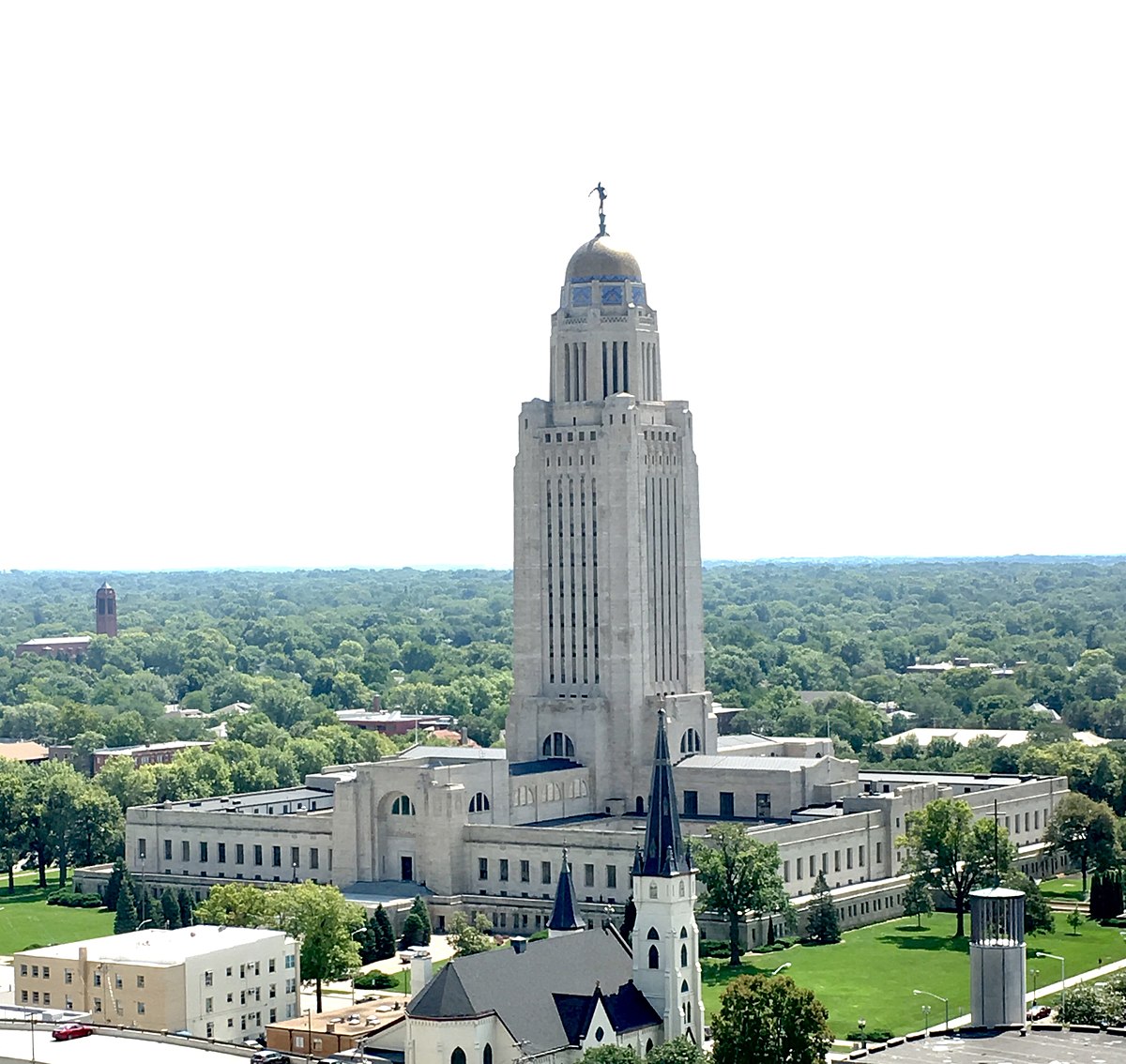
Bertram Goodhue’s design for the Nebraska State Capitol was revolutionary for its time. Rejecting the traditional dome that characterized many state capitols, Goodhue opted for a towering central structure, a bold move that immediately distinguished it from its counterparts. This iconic tower, reaching 24 stories high, is the building’s most striking feature. It serves as a visual anchor for the city of Lincoln and symbolizes the upward aspirations of the state. The design also incorporated a distinctive four-story base, which houses the legislative chambers and other governmental offices, ensuring a clear separation and organization of functions. This thoughtful zoning of space within the building reflects a modern understanding of governmental needs and public access.
A Monument of Enduring Significance
The construction of the Nebraska State Capitol spanned from 1922 to 1932, a period marked by economic challenges. Despite these hurdles, the project was completed, demonstrating the state’s commitment to its new seat of government. The building’s materials, including a significant amount of Kansas limestone and Indiana limestone, were chosen for their durability and aesthetic appeal. The choice of materials, coupled with the robust construction, has ensured the capitol’s longevity and its status as an enduring landmark. Its design emphasizes accessibility for the public, with spacious public areas and well-defined pathways for visitors and citizens alike, reinforcing its role as a place of public engagement.
Architectural Marvels and Artistic Flourishes
Beyond its imposing structure, the Nebraska State Capitol is adorned with a wealth of artistic details that enrich its narrative and elevate it to the status of an art museum. From intricate sculptures to vibrant murals and mosaics, every corner of the building tells a story, celebrating the history, culture, and spirit of Nebraska.
The Majestic Tower and its Symbolic Crown
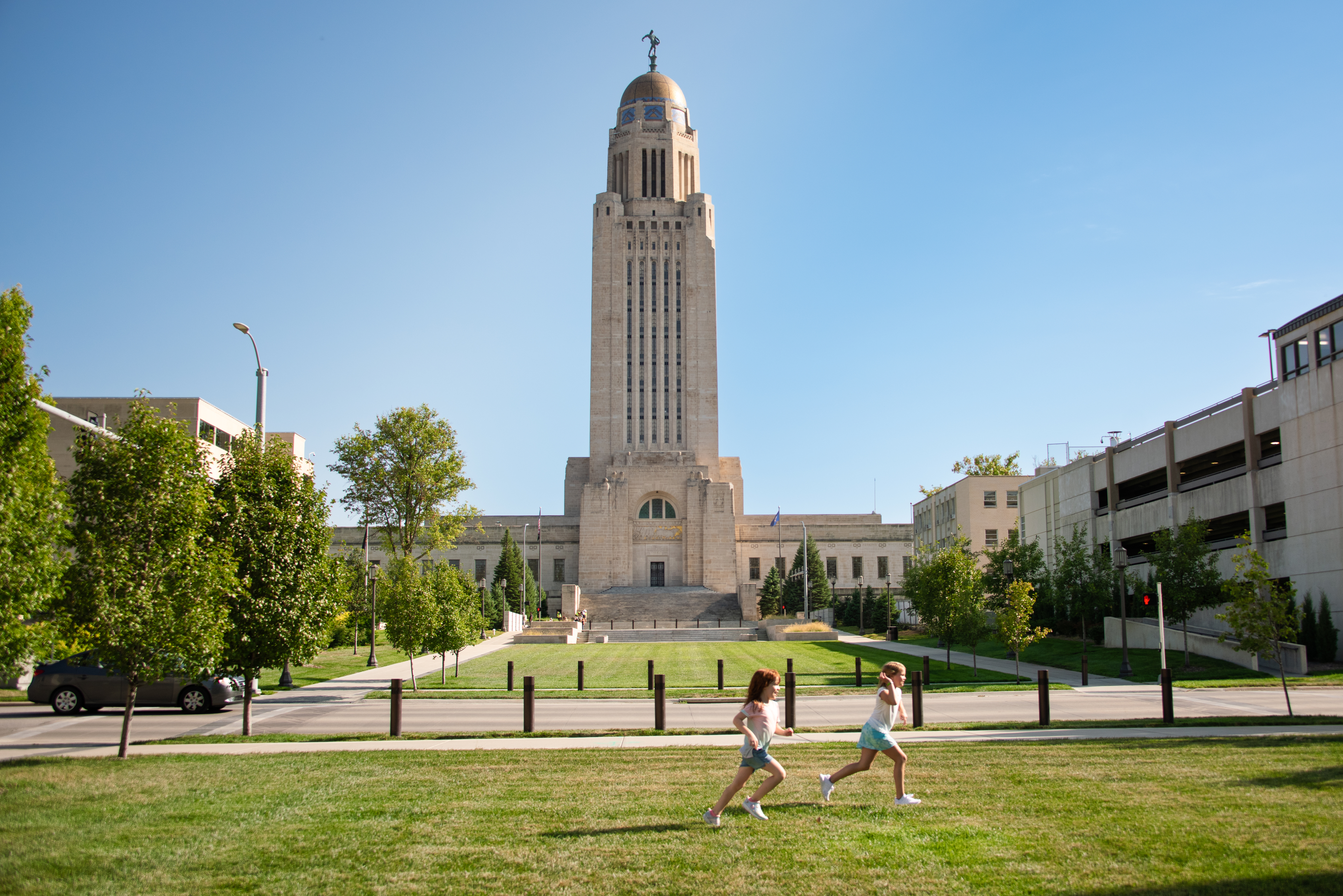
The soaring 400-foot tower is perhaps the most iconic element of the Nebraska State Capitol. Topping the tower is Lee Lawrie’s magnificent bronze statue, “The Sower,” a representation of agriculture and the state’s reliance on its fertile lands. This symbolic crown is a constant reminder of the foundational industries that have shaped Nebraska. The tower itself is more than just an architectural feature; it’s a vertical narrative, with each level offering a different perspective and set of artistic expressions that unfold as one ascends. The design allows for public access to the observation deck, providing panoramic views of Lincoln and the surrounding countryside.
Interior Grandeur and Historical Narratives
The interior of the Nebraska State Capitol is as impressive as its exterior. The Rotunda, a grand central space, is adorned with beautiful mosaics and murals that depict scenes from Nebraska’s history, from its indigenous past to its development as a state. Renowned artists, including Adam Emory Albright and Franz Gerke, contributed to these works, each piece meticulously crafted to convey historical significance and artistic excellence. The legislative chambers, the Supreme Court courtroom, and the Governor’s office are all spaces of considerable beauty and historical weight, reflecting the dignity and importance of the governmental functions they house. The use of diverse materials, such as polished granite, marble, and rich wood, throughout the interior adds to its opulent yet dignified atmosphere.
Exploring the Nebraska State Capitol: A Visitor’s Guide
Visiting the Nebraska State Capitol offers an enriching experience for history buffs, architecture enthusiasts, and anyone interested in the workings of state government. The building is not just a workplace for officials but a public space designed to be explored and appreciated by all.
Planning Your Visit and What to Expect
The Nebraska State Capitol is located in the heart of Lincoln and is generally open to the public during business hours, with specific times for tours and access to certain areas. Guided tours are highly recommended as they provide in-depth insights into the building’s history, architecture, and art. These tours often highlight key features like the Whispering Arch in the Rotunda and the stunning murals. Visitors should be prepared for security checks, as is typical for government buildings. Comfortable shoes are advised, as there is a significant amount of walking involved in exploring the vast structure.
Key Areas of Interest and Must-See Attractions
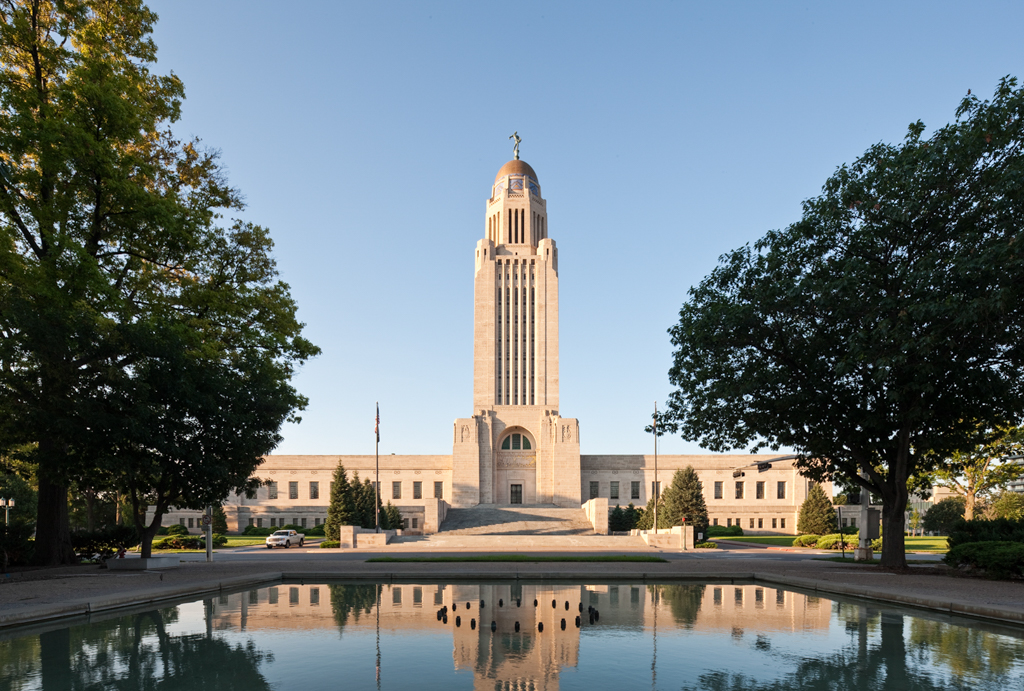
Among the highlights for any visitor are the Legislative Chamber, where the unique unicameral legislature meets, and the Supreme Court Chamber, with its impressive courtroom design. The Hall of Governors, which chronicles the leaders of Nebraska, is also a point of historical interest. For those interested in panoramic views, a trip to the observation deck on the tower is essential. The building’s diverse art collection, including sculptures, paintings, and intricate tile work, warrants careful observation, with many pieces telling compelling stories about the state’s heritage. Special exhibits and seasonal displays can also add to the visitor experience, offering a dynamic and ever-evolving understanding of the capitol’s significance. The grounds surrounding the capitol are also beautifully landscaped and offer a pleasant space for reflection and appreciation of the building’s grandeur.
The Nebraska State Capitol is more than just a building; it is a living monument, a vibrant center of democracy, and a repository of artistic and historical treasures. Its distinctive architecture and rich cultural tapestry make it an indispensable landmark in Nebraska and a compelling destination for anyone seeking to understand the state’s identity.
LifeOutOfTheBox is a participant in the Amazon Services LLC Associates Program, an affiliate advertising program designed to provide a means for sites to earn advertising fees by advertising and linking to Amazon.com. Amazon, the Amazon logo, AmazonSupply, and the AmazonSupply logo are trademarks of Amazon.com, Inc. or its affiliates. As an Amazon Associate we earn affiliate commissions from qualifying purchases.