
When one contemplates the vast and varied landscape of the United States, certain states immediately conjure up iconic imagery. Some are known for their towering skylines, others for their sun-drenched beaches, and still others for their rugged mountain ranges. Nebraska, often perceived as a quintessential part of the Great Plains, might not always top the list of immediate associations. However, a closer examination reveals a state rich in history, natural beauty, and unique cultural contributions that certainly merit recognition and exploration. From its deep agricultural roots to its surprising urban vibrancy and its commitment to preserving its heritage, Nebraska offers a compelling narrative for any traveler seeking authentic American experiences.

The moniker of “The Cornhusker State” is not merely a catchy nickname; it is a direct reflection of Nebraska’s fundamental identity. Agriculture, particularly the cultivation of corn and soybeans, forms the backbone of its economy and landscape. Yet, to define Nebraska solely by its fields of grain would be to overlook the diverse attractions and experiences that await those who venture beyond the stereotypical prairies. This state is a testament to human ingenuity, resilience, and the enduring spirit of the West.
The Agricultural Heartbeat: Fields of Gold and Heartland Values
Nebraska’s reputation as a leading agricultural producer is deeply ingrained in its identity. The fertile land of the Great Plains provides an ideal environment for farming, making it a vital contributor to the nation’s food supply. This agrarian heritage is not just an economic driver; it shapes the very character of the state, fostering a strong sense of community, hard work, and connection to the land.
The Enduring Legacy of Corn and Soybeans
The vast expanses of corn and soybean fields are a defining feature of the Nebraskan landscape, particularly during the summer months when they stretch towards the horizon, a sea of vibrant green. These crops are more than just commodities; they represent generations of farming tradition and the dedication of families who have worked this land for centuries. The processing and distribution of these agricultural products have led to significant industries within the state, such as the production of ethanol and animal feed, further solidifying Nebraska’s role as an agricultural powerhouse. Visitors can witness this firsthand by driving through the countryside, observing the well-maintained farms and the immense scale of agricultural operations.
Experiencing Rural Life and Farm Culture
While the modern agricultural industry is highly mechanized, there are opportunities to connect with the roots of Nebraskan farm life. Many communities host local festivals and fairs throughout the year, celebrating the harvest and the agricultural way of life. These events offer a glimpse into the traditions, crafts, and foods that are central to rural Nebraskan culture. Visiting a local farmers’ market can provide a direct connection to the bounty of the land, with fresh produce and artisanal goods often available. Furthermore, understanding the importance of agriculture provides context for the state’s economic development and its resilient spirit.
Unveiling Natural Wonders and Outdoor Adventures
Beyond the cultivated fields, Nebraska boasts a surprising array of natural landscapes and opportunities for outdoor recreation. From the rugged beauty of the Sandhills to the life-giving waters of its rivers, the state offers diverse environments for exploration and enjoyment. These natural attractions provide a refreshing counterpoint to the agricultural narrative and reveal a more wild and untamed side of Nebraska.
The Unique Ecosystem of the Sandhills

The Nebraska Sandhills are a geological marvel and the largest mixed-grass prairie in the United States. This vast region of rolling sand dunes, stabilized by a unique network of grasses, creates a distinctive landscape found nowhere else. The Sandhills are home to a rich diversity of plant and animal life, including numerous bird species and the iconic greater prairie-chicken. The region also supports a significant underground aquifer, the Ogallala Aquifer, which is crucial for agriculture and the ecosystem. Visitors can explore the Sandhills through scenic drives, hiking, and wildlife viewing. The sheer scale and tranquility of this environment offer a profound sense of peace and wonder.
Rivers, Lakes, and Water-Based Activities
Nebraska’s extensive river systems, including the Platte River and the Missouri River, are vital to its ecosystem and offer numerous recreational possibilities. The Platte River, in particular, is renowned as a crucial stopover for migratory birds, especially the sandhill crane during its spring migration, a spectacle that draws thousands of birdwatchers to the state. Anglers will find abundant opportunities in Nebraska’s many lakes and reservoirs, such as Lake McConaughy, the state’s largest, offering activities like boating, swimming, and fishing. Kayaking, canoeing, and rafting are also popular ways to experience the state’s waterways, providing a different perspective on its natural beauty.
A Glimpse into History and Culture
Nebraska’s history is deeply intertwined with the westward expansion of the United States, the lives of Native American tribes, and the pioneering spirit that shaped the Great Plains. The state preserves this rich heritage through its historical sites, museums, and vibrant cultural institutions, offering visitors a chance to step back in time and understand the forces that have shaped this region.
Echoes of the Oregon Trail and Pioneer Life
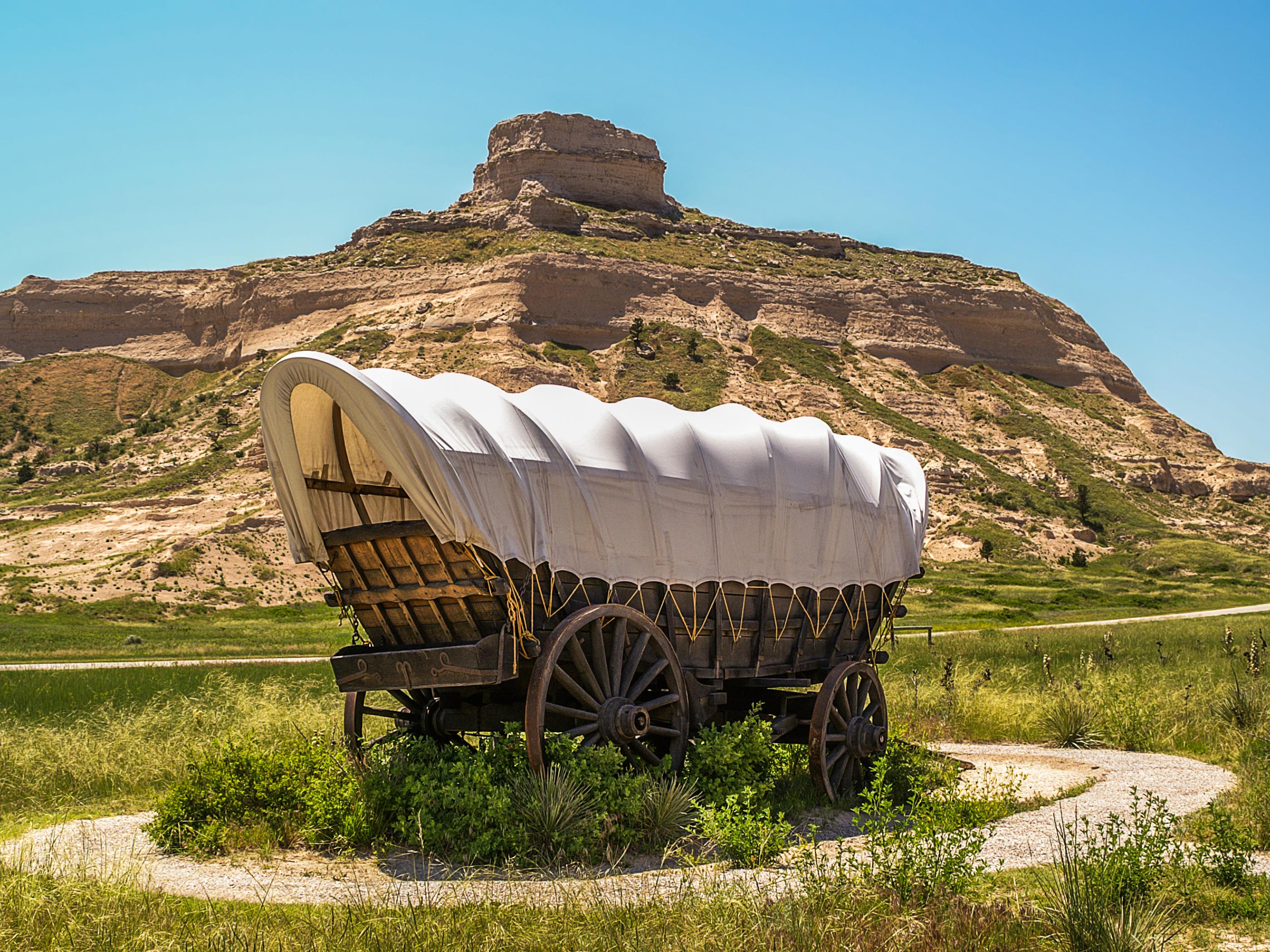
The Oregon Trail, a historic 19th-century path westward, passed through Nebraska, and remnants of this epic journey can still be explored. Sites like the Chimney Rock National Historic Site and the Scotts Bluff National Monument offer tangible connections to the hardships and hopes of the pioneers who traversed the plains. Museums dedicated to the pioneer era, such as the Strategic Air Command & Aerospace Museum in Ashland, even if not directly pioneer-related, showcase aspects of Nebraskan ingenuity and its role in national development. Learning about the challenges faced by early settlers provides a profound appreciation for the resilience and determination that defined the settlement of the West.
Native American Heritage and Contributions
The history of Nebraska is also deeply rooted in the presence and cultures of numerous Native American tribes, including the Omaha, Ponca, Pawnee, and Santee Sioux. These tribes have a profound connection to the land and have contributed significantly to the cultural tapestry of the state. While many historical sites focus on the pioneer era, there are growing efforts to recognize and honor Nebraskan Native American heritage. Visiting tribal museums or cultural centers, when accessible, can offer invaluable insights into their traditions, art, and enduring legacy. Understanding this aspect of Nebraska’s past is crucial for a comprehensive appreciation of the state.
Thriving Cities and Cultural Hubs
While often associated with rural landscapes, Nebraska is also home to vibrant cities that serve as cultural and economic centers. Omaha, the state’s largest city, offers a dynamic mix of arts, entertainment, and culinary experiences. The Old Market district in Omaha is a charming area filled with cobblestone streets, independent boutiques, art galleries, and renowned restaurants. Lincoln, the state capital, boasts a lively downtown, a thriving arts scene, and significant historical landmarks like the Nebraska State Capitol Building. These urban centers provide opportunities to experience Nebraskan contemporary culture, from its burgeoning craft brewery scene to its diverse musical and theatrical performances.
Conclusion: A State of Surprising Depth
Nebraska is a state that invites exploration and rewards curiosity. While its fame might not be as immediately apparent as some of its more boisterous counterparts, its contributions to the nation, its natural beauty, and its rich historical narrative are undeniable. From the endless horizons of its agricultural heartland and the unique ecosystems of the Sandhills to the echoes of pioneer journeys and the vibrant pulse of its cities, Nebraska offers a compelling and authentic American experience. It is a place where the values of hard work, resilience, and a deep connection to the land continue to shape a unique and enduring identity. For the discerning traveler, Nebraska is more than just a dot on the map; it is a destination brimming with stories waiting to be discovered.
LifeOutOfTheBox is a participant in the Amazon Services LLC Associates Program, an affiliate advertising program designed to provide a means for sites to earn advertising fees by advertising and linking to Amazon.com. Amazon, the Amazon logo, AmazonSupply, and the AmazonSupply logo are trademarks of Amazon.com, Inc. or its affiliates. As an Amazon Associate we earn affiliate commissions from qualifying purchases.