
While the allure of a Texas adventure often conjures images of sprawling ranches, vibrant cities, and unique local culture, understanding the foundational rights and responsibilities of its residents is equally important, especially for those considering making the Lone Star State their temporary or permanent home. For any engaged citizen, knowing how to participate in the democratic process is paramount. This guide aims to demystify the requirements for casting your ballot in Texas, ensuring you can exercise your right to vote with confidence, whether you’re planning a luxury travel experience that includes exploring Texas‘s rich history or a budget travel sojourn discovering its hidden gems.

The act of voting is a cornerstone of civic engagement, allowing individuals to shape the future of their communities and their nation. In Texas, like elsewhere in the United States, specific criteria must be met to be eligible to vote. These requirements are designed to ensure that voters are residents of the state and are legally permitted to participate in elections. Navigating these regulations might seem daunting, but with a clear understanding of the steps involved, it becomes a straightforward process. This article will break down the essential elements, from eligibility to registration and finally, to the actual act of casting your vote, providing a comprehensive overview for anyone interested in the political landscape of Texas.
Eligibility Requirements for Voting in Texas
To ensure your voice is heard in Texas elections, you must first meet a set of fundamental eligibility requirements. These are non-negotiable and are in place to uphold the integrity of the voting process. Understanding these criteria is the first crucial step for any aspiring voter in the Lone Star State.
Citizenship and Age
The most fundamental requirement for voting in Texas is United States citizenship. You must be a natural-born citizen or a naturalized citizen. Furthermore, you must be at least 18 years old on Election Day. This age requirement applies to all elections held in Texas, from local school board races to federal elections. If you are 17 years old and will turn 18 on or before Election Day, you are eligible to register to vote, but you cannot cast your ballot until you reach the age of 18. This ensures that voters are mature enough to make informed decisions about their representatives and policies.
Residency
Residency is another critical component of voting eligibility. To vote in Texas, you must be a resident of the county in which you intend to vote. This means you must have established your home in that county and intend to remain there. Temporary stays, even for extended periods like a long-term stay in an apartment or villa, do not establish residency for voting purposes unless you demonstrate a clear intent to make that county your permanent home. The specific duration of residency required can vary by election type and local regulations, but generally, establishing a domicile is the key. This ensures that voters are participating in the governance of the place they call home, contributing to its local culture and development.
Criminal History and Mental Competency
Texas law also outlines specific conditions related to criminal history and mental competency that can affect your eligibility to vote. Generally, individuals convicted of a felony are disqualified from voting. However, this disqualification can be restored upon completion of their sentence, including any parole or probation. It is essential to check the specifics of your situation with the Texas Secretary of State or a local election official, as nuances exist regarding the type of felony and the completion of the sentence. Similarly, individuals who have been adjudicated as mentally incapacitated by a court of law are also disqualified from voting. Again, the specific legal definitions and restoration processes are complex and should be clarified with appropriate authorities. These provisions are in place to uphold the principle of responsible citizenship in the electoral process.
Registering to Vote in Texas
Once you have confirmed your eligibility, the next crucial step is to register to vote. This is a mandatory process that officially adds your name to the voter rolls, allowing you to cast a ballot in Texas elections. The registration deadline is typically 30 days before Election Day, so it’s important to plan ahead to avoid missing this vital step.
The Voter Registration Process
Registering to vote in Texas is a relatively straightforward process. You can register by mail, in person at various local government offices, or online through the Texas Secretary of State’s website. To be eligible for online registration, you must possess a valid Texas driver’s license or Texas identification certificate.
Where to Register
There are several convenient locations where you can register to vote. Many county and local government offices serve as voter registration sites. This includes county clerks’ offices, tax assessor-collectors’ offices, and public libraries. If you are applying for or renewing your Texas driver’s license or Texas identification certificate at a Texas Department of Public Safety (DPS) office, you can also register to vote there. For those who prefer to register by mail, you can download a voter registration application form from the Texas Secretary of State’s website and mail it to your local voter registrar.
Information Required for Registration
When filling out the voter registration application, you will need to provide accurate personal information. This typically includes your full name, date of birth, Texas driver’s license or Texas identification certificate number, and your residential address. You will also need to provide your mailing address if it differs from your residential address. It’s crucial to ensure all information provided is truthful and accurate, as providing false information on a voter registration application is a criminal offense. Once your application is processed and approved, you will receive a voter registration certificate by mail. This certificate serves as proof of your registration.
Keeping Your Voter Registration Updated
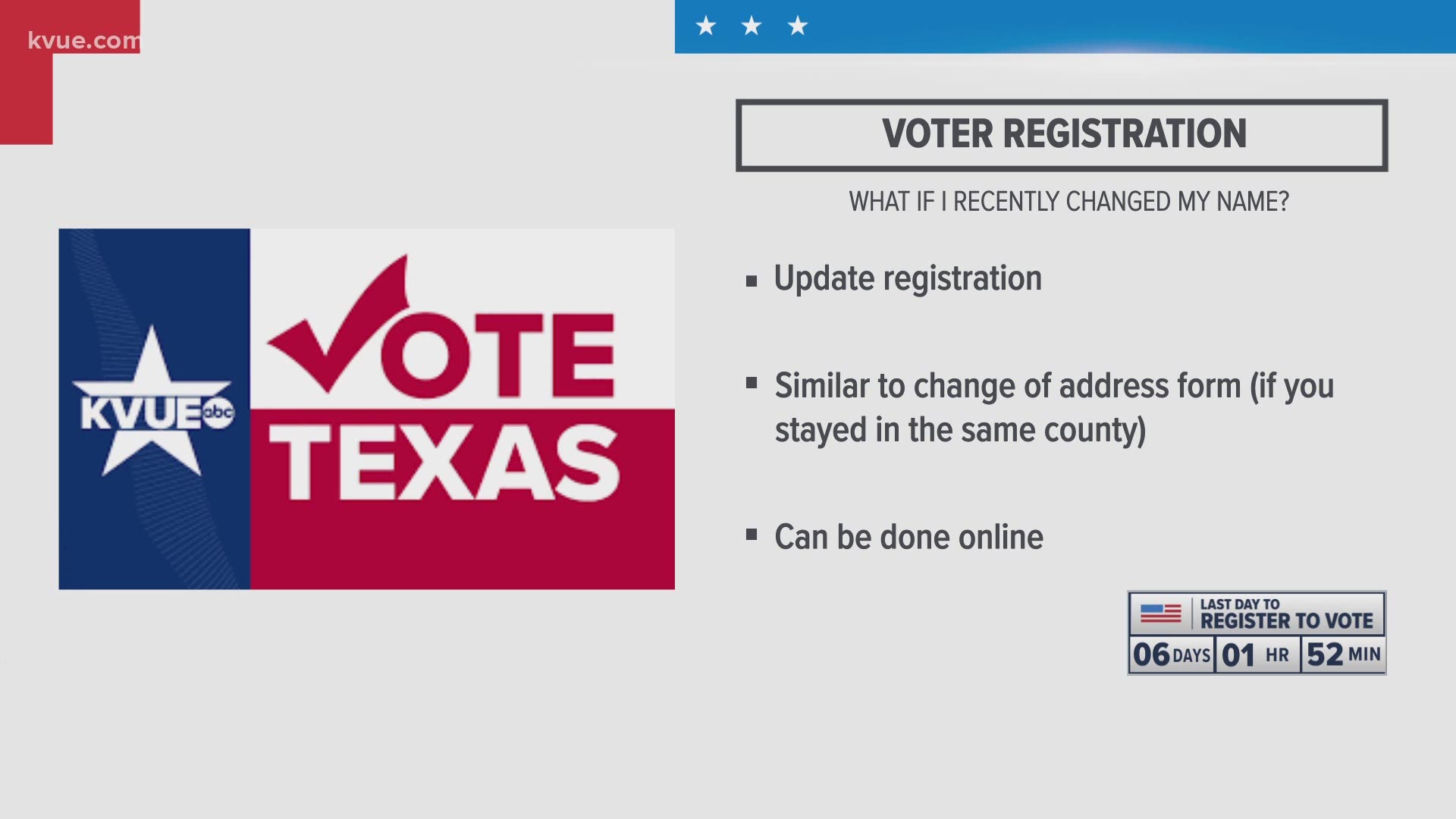
Life circumstances can change, and it’s essential to keep your voter registration information up-to-date. If you move to a new county within Texas, you must re-register to vote in your new county. If you move within the same county, you should update your address with the county elections office. Similarly, if you change your name due to marriage or any other reason, you must update your voter registration to reflect your new name. Failure to keep your registration current can lead to issues when you go to vote, potentially causing delays or preventing you from casting your ballot. Regularly checking your registration status online through the Texas Secretary of State’s website is a good practice.
Casting Your Vote in Texas
Once you are a registered voter, you are ready to participate in elections. Texas offers a couple of convenient ways to cast your ballot, ensuring flexibility for all voters. Understanding these options will help you plan your voting experience, whether you’re exploring the landmarks of San Antonio or enjoying a resort stay in the Texas Hill Country.
Voting Methods in Texas
Texas provides two primary methods for casting your vote: Early Voting and Election Day Voting.
Early Voting
Early Voting offers a significant window of opportunity for voters to cast their ballots before the official Election Day. This period typically begins 17 days before Election Day and ends four days before Election Day. During this time, Early Voting centers are open for extended hours, often including evenings and weekends, allowing voters to cast their ballots at their convenience. This is particularly beneficial for those who have busy schedules or are traveling and want to ensure they can vote without disrupting their travel plans. You can vote at any Early Voting location within your county, regardless of your specific precinct. This offers added flexibility compared to Election Day Voting.
Election Day Voting
On Election Day, polling places are open from 7 a.m. to 7 p.m. local time. When you go to vote on Election Day, you must vote at your designated polling place. Your polling place is determined by your residential address and can be found on your voter registration certificate or by using the county elections office website. It is crucial to know your assigned polling place to avoid any confusion or delays on Election Day. This traditional method of voting remains a popular choice for many Texas residents.

What to Bring to the Polls
To cast your ballot, you will need to present valid identification at your polling place. Texas has specific voter ID laws in place. You must present one of the following forms of identification:
- A Texas driver’s license or Texas identification card.
- A Texas Election Certificate issued by the Texas Department of Public Safety.
- A Texas concealed handgun license.
- A U.S. passport.
- A U.S. military ID.
- A U.S. citizenship certificate.
- A certificate of naturalization.
- An eligible U.S. veteran’s ID card.
- An eligible U.S. citizen’s ID card.
If you do not possess any of these acceptable forms of photo identification, you may be able to present an alternative form of identification, such as a:
- Original Social Security card.
- Original birth certificate.
- Original current utility bill.
- Original bank statement.
- Original government check.
- Original driver’s license from another state.
- Original automobile registration.
- Original voter registration certificate.
- Original certified marriage license or divorce decree.
- Original membership card from a professional organization.
- Original membership card from a labor union.
- Original current utility bill.
- Original current bank statement.
- Original government check.
In such cases, you will be asked to fill out a “Reasonable Impediment Declaration,” explaining why you are unable to obtain one of the acceptable forms of photo ID. This declaration, along with a supporting document from the alternative list, will allow you to vote. Always check the Texas Secretary of State’s website for the most up-to-date information on acceptable forms of identification, as these laws can be subject to change. Being prepared with the correct identification ensures a smooth and efficient voting experience, allowing you to get back to enjoying your lifestyle choices in Texas.
LifeOutOfTheBox is a participant in the Amazon Services LLC Associates Program, an affiliate advertising program designed to provide a means for sites to earn advertising fees by advertising and linking to Amazon.com. Amazon, the Amazon logo, AmazonSupply, and the AmazonSupply logo are trademarks of Amazon.com, Inc. or its affiliates. As an Amazon Associate we earn affiliate commissions from qualifying purchases.