
The minimum wage is a cornerstone of labor policy, directly impacting the livelihoods of countless individuals and the operational costs of businesses across the United States. In the vibrant and diverse state of Nevada, understanding the current minimum wage is crucial for employees seeking fair compensation and employers navigating compliance. This comprehensive guide delves into Nevada‘s minimum wage laws, exploring their nuances, the factors that influence them, and their broader implications for the state’s economy and its thriving tourism sector.
Understanding Nevada’s Minimum Wage Structure
Nevada operates under a unique tiered minimum wage system, which distinguishes between employees who are offered qualifying health insurance by their employers and those who are not. This distinction is a critical factor in determining the applicable hourly rate. The state legislature periodically reviews and adjusts these rates to reflect economic conditions and the cost of living.

The Two-Tiered System Explained
In Nevada, the minimum wage is not a single, uniform rate. Instead, it is structured into two distinct tiers:
- With Qualifying Health Insurance: For employees whose employers provide qualifying health insurance benefits, a lower minimum wage applies. This reflects the employer’s contribution to the employee’s overall compensation package through benefits. The specifics of what constitutes “qualifying health insurance” are defined by state law and typically include a minimum level of coverage and employer contribution.
- Without Qualifying Health Insurance: For employees who do not receive qualifying health insurance from their employers, a higher minimum wage is mandated. This higher rate is intended to compensate for the lack of employer-provided health coverage, ensuring that these workers have access to a more substantial income to manage their essential expenses, including healthcare.
The difference between these two rates is significant and directly affects the take-home pay for a substantial portion of Nevada‘s workforce. Employers must meticulously track whether they are providing qualifying health insurance to each employee to ensure accurate wage payment.
Annual Adjustments and Inflationary Measures
Nevada‘s minimum wage is not static. The state law includes provisions for annual adjustments to account for inflation. This mechanism is designed to maintain the purchasing power of the minimum wage over time, preventing it from being eroded by rising costs. The specific index used for these adjustments is typically tied to a consumer price index relevant to the state, ensuring that the wage keeps pace with the general cost of living.
These adjustments are usually announced by the Nevada Department of Administration or a similar state agency. Businesses must stay informed about these annual updates to remain compliant. The process ensures that the minimum wage in Nevada evolves with economic realities, aiming to provide a more stable and adequate income floor for low-wage workers.
Factors Influencing Nevada’s Minimum Wage
Several key factors influence the determination and evolution of Nevada‘s minimum wage. These include legislative mandates, economic indicators, and the specific needs of the state’s diverse economy, particularly its significant reliance on the hospitality and tourism industries.
Legislative Action and Policy Debates
The minimum wage in Nevada is primarily set and modified through legislative action. State lawmakers have the authority to propose and pass bills that alter the existing minimum wage rates, introduce new tiers, or change the adjustment mechanisms. These legislative processes often involve extensive debate, considering input from business owners, labor unions, employee advocacy groups, and economic experts.
Policy debates surrounding the minimum wage often center on its potential impact on job creation, business profitability, and poverty reduction. Proponents argue that increasing the minimum wage boosts consumer spending, reduces income inequality, and improves the quality of life for low-wage workers. Conversely, opponents may express concerns about increased labor costs for businesses, potential job losses, and price increases for goods and services. The dynamic interplay of these perspectives shapes the legislative outcomes concerning Nevada‘s minimum wage.
Economic Indicators and Cost of Living
Economic indicators play a pivotal role in shaping discussions and decisions about the minimum wage. Nevada‘s economy is influenced by various factors, including tourism revenue, gaming, construction, and a growing technology sector. When the state experiences robust economic growth, there is often increased pressure to raise the minimum wage to ensure that workers share in the prosperity.
Conversely, during economic downturns, such as those experienced in the past due to fluctuations in tourism or broader national recessions, the debate might shift towards maintaining the current wage or implementing more modest adjustments. The cost of living in Nevada, particularly in metropolitan areas like Las Vegas and Reno, is another critical consideration. Rising housing costs, healthcare expenses, and general inflation necessitate a minimum wage that allows individuals and families to meet their basic needs. The state’s approach to minimum wage adjustments is thus closely tied to its broader economic health and the affordability of life within its borders.
Impact on Key Industries
Nevada‘s economy is heavily reliant on industries that traditionally employ a significant number of minimum wage workers. The hospitality sector, encompassing hotels, restaurants, and entertainment venues in cities like Las Vegas and Reno, is a prime example. For businesses in these sectors, such as the Bellagio or The Venetian Resort, changes in minimum wage can have a direct and substantial impact on operating expenses.
Employers in these industries must carefully budget for labor costs, and shifts in minimum wage policy can necessitate adjustments in pricing, staffing levels, or operational efficiency. The tourism industry, which draws millions of visitors annually to attractions like the Hoover Dam and the Grand Canyon (accessible from Nevada), is intricately linked to the employment landscape. Ensuring a living wage for workers in this sector is seen by many as vital for maintaining service quality and supporting the local economy that benefits from tourist spending. Understanding the nuances of Nevada‘s minimum wage is therefore essential for the sustainable operation and growth of these critical economic pillars.
Compliance and Employer Responsibilities
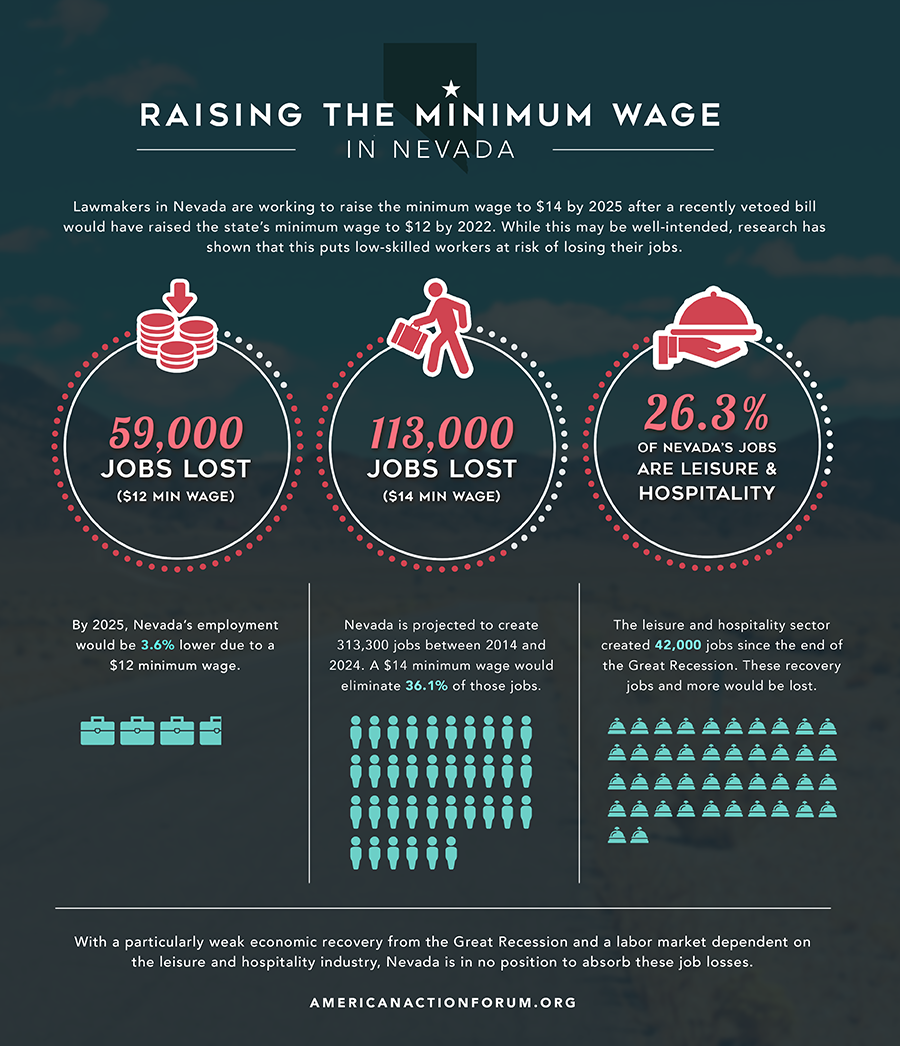
For businesses operating in Nevada, adhering to the state’s minimum wage laws is not merely a suggestion but a legal obligation. Ensuring compliance involves a thorough understanding of the regulations, accurate record-keeping, and proper communication with employees. Failure to comply can result in significant penalties.
Record-Keeping Requirements
Employers in Nevada are required to maintain detailed and accurate records of employee hours worked and wages paid. These records are essential for demonstrating compliance with minimum wage laws. This includes keeping track of:
- Hours Worked: Precise records of the number of hours each employee works per day and per week.
- Wage Rates: Documentation of the hourly wage paid to each employee, differentiating between the rates for those with and without qualifying health insurance.
- Deductions: A clear record of any deductions made from an employee’s wages.
These records must be retained for a specified period, as outlined by state regulations. They serve as the primary evidence of compliance during any potential audits or investigations by labor authorities.
Posting Requirements and Employee Notification
Nevada law mandates that employers conspicuously post information regarding the minimum wage in a location accessible to all employees. This ensures that workers are aware of their rights and the current wage rates. Typically, this involves displaying official posters provided by the Nevada Department of Labor or a similar state agency.
In addition to posting, employers may be required to provide individual notification to employees about their wage rates and the applicable minimum wage. Clear and transparent communication about compensation is fundamental to a fair working environment.
Penalties for Non-Compliance
Failing to adhere to Nevada‘s minimum wage laws can lead to substantial penalties for employers. These penalties are designed to deter violations and protect workers. They may include:
- Back Pay: Employers may be required to pay employees the difference between the wages they were paid and the minimum wage they should have received, often with interest.
- Fines: Civil penalties can be levied against employers for each violation.
- Legal Fees: In some cases, employers may be responsible for the legal fees incurred by employees pursuing wage claims.
- Criminal Penalties: In instances of willful or repeated violations, criminal charges may be brought against employers.
It is imperative for all Nevada employers to proactively understand and implement the state’s minimum wage requirements to avoid these repercussions and foster a compliant and ethical workplace.
Minimum Wage and Nevada’s Economic Landscape
The minimum wage in Nevada is more than just a regulatory figure; it is an integral component of the state’s economic fabric. Its impact reverberates through various sectors, influencing consumer spending, business costs, and the overall standard of living for a significant portion of the population.
The Role in Poverty Reduction and Income Inequality
A primary objective of minimum wage laws is to serve as a tool for poverty reduction and to mitigate income inequality. By establishing a wage floor, the minimum wage aims to ensure that individuals working full-time can earn enough to cover their basic needs and escape poverty. In a state like Nevada, where the cost of living can be high, particularly in areas with a strong tourism presence such as Las Vegas, a robust minimum wage can significantly improve the financial stability of low-income households.
When a larger segment of the population has more disposable income, it can lead to increased consumer spending, which in turn can stimulate economic activity. This virtuous cycle can benefit businesses across the state, from local retailers to larger corporations. However, the effectiveness of the minimum wage in achieving these goals is a subject of ongoing economic research and debate, with various studies presenting different conclusions on its precise impact.
Impact on Consumer Spending and Local Economies
Changes in the minimum wage directly affect the purchasing power of low-wage workers. When their wages increase, they tend to spend a larger portion of their income on goods and services within their local economies. This increased consumer demand can be particularly beneficial for small businesses, restaurants, and other enterprises that rely heavily on local patronage.
In Nevada, with its diverse array of tourist destinations and local communities, a higher minimum wage can translate into more robust local economies. For instance, increased spending in cities like Reno or towns near attractions like Lake Tahoe can support job growth and economic resilience. The infusion of cash into local markets can create a ripple effect, benefiting a wide range of businesses and contributing to the overall economic health of the state.
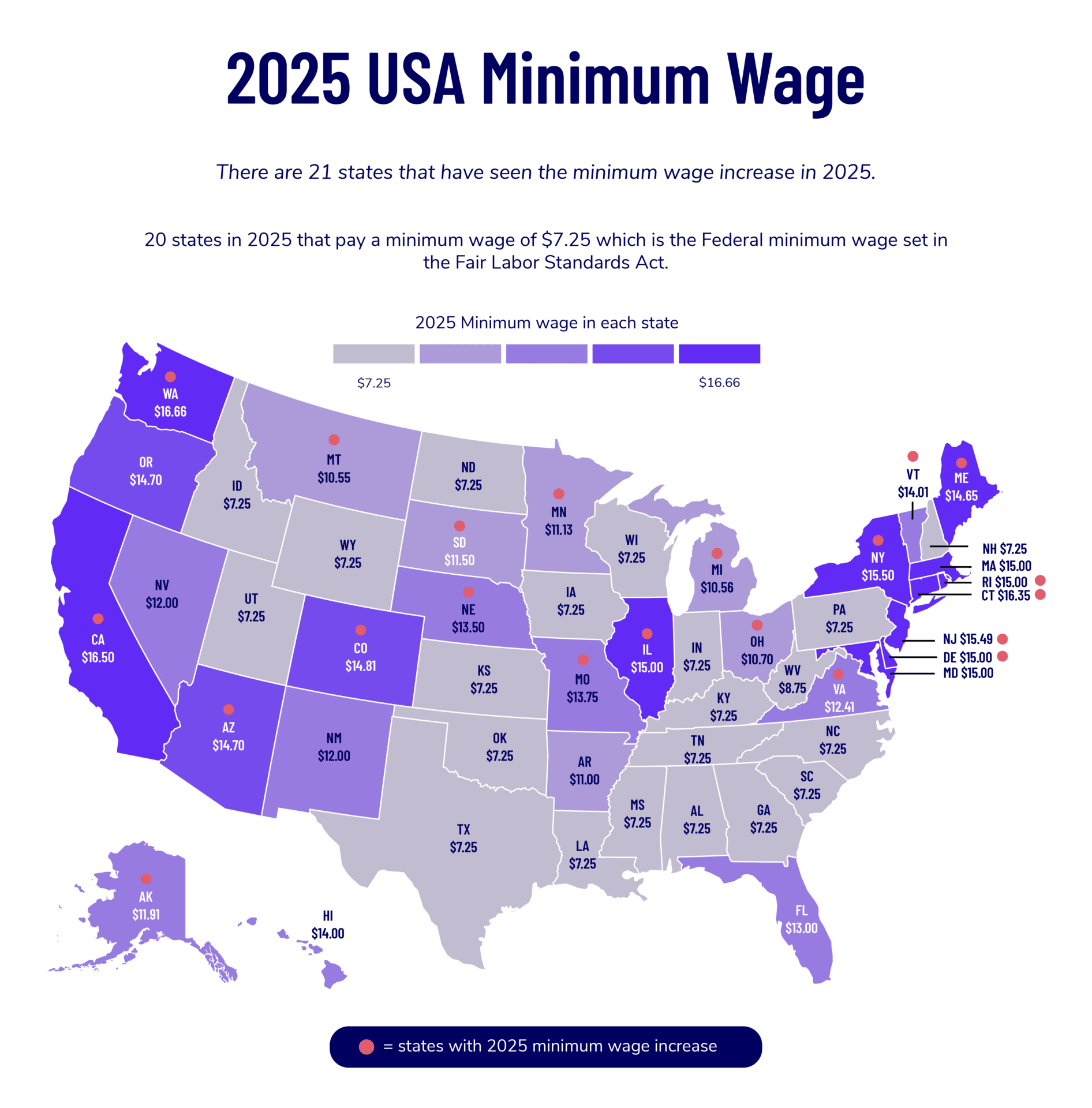
Broader Economic Implications
Beyond direct impacts on wages and spending, minimum wage policies in Nevada have broader economic implications. They can influence business investment decisions, labor force participation rates, and the competitiveness of Nevada businesses compared to those in neighboring states with different wage structures.
For example, industries that are highly labor-intensive might face pressure to find efficiencies or invest in automation if labor costs rise significantly due to minimum wage increases. Conversely, a higher minimum wage can incentivize workers to enter or remain in the labor force, potentially leading to a more skilled and motivated workforce. The state’s unique economic profile, with its strong reliance on tourism and the service industry, makes the minimum wage a particularly sensitive and important economic lever. The ongoing dialogue and policy adjustments surrounding Nevada‘s minimum wage reflect its critical role in balancing economic growth, business viability, and the well-being of its residents.
LifeOutOfTheBox is a participant in the Amazon Services LLC Associates Program, an affiliate advertising program designed to provide a means for sites to earn advertising fees by advertising and linking to Amazon.com. Amazon, the Amazon logo, AmazonSupply, and the AmazonSupply logo are trademarks of Amazon.com, Inc. or its affiliates. As an Amazon Associate we earn affiliate commissions from qualifying purchases.