
The Nevada State Capitol, located in the heart of Carson City, stands as a testament to the resilient spirit and political evolution of Nevada. As one of the most significant landmarks in the United States, this architectural gem serves not only as a historical site but also as a window into the transition of the Silver State from a rugged mining frontier to a recognized member of the Union. For those interested in historical architecture and civic heritage, understanding this building is essential to appreciating the narrative of the American West.
The Architectural Heritage and Design
The Nevada State Capitol is more than just a government building; it is a masterpiece of the Italianate style, which was highly popular in the mid-19th century. Completed in 1871, the structure represents a period when Nevada was still finding its identity following its admission to the Union in 1864.

The Influence of Sandstone and Craftsmanship
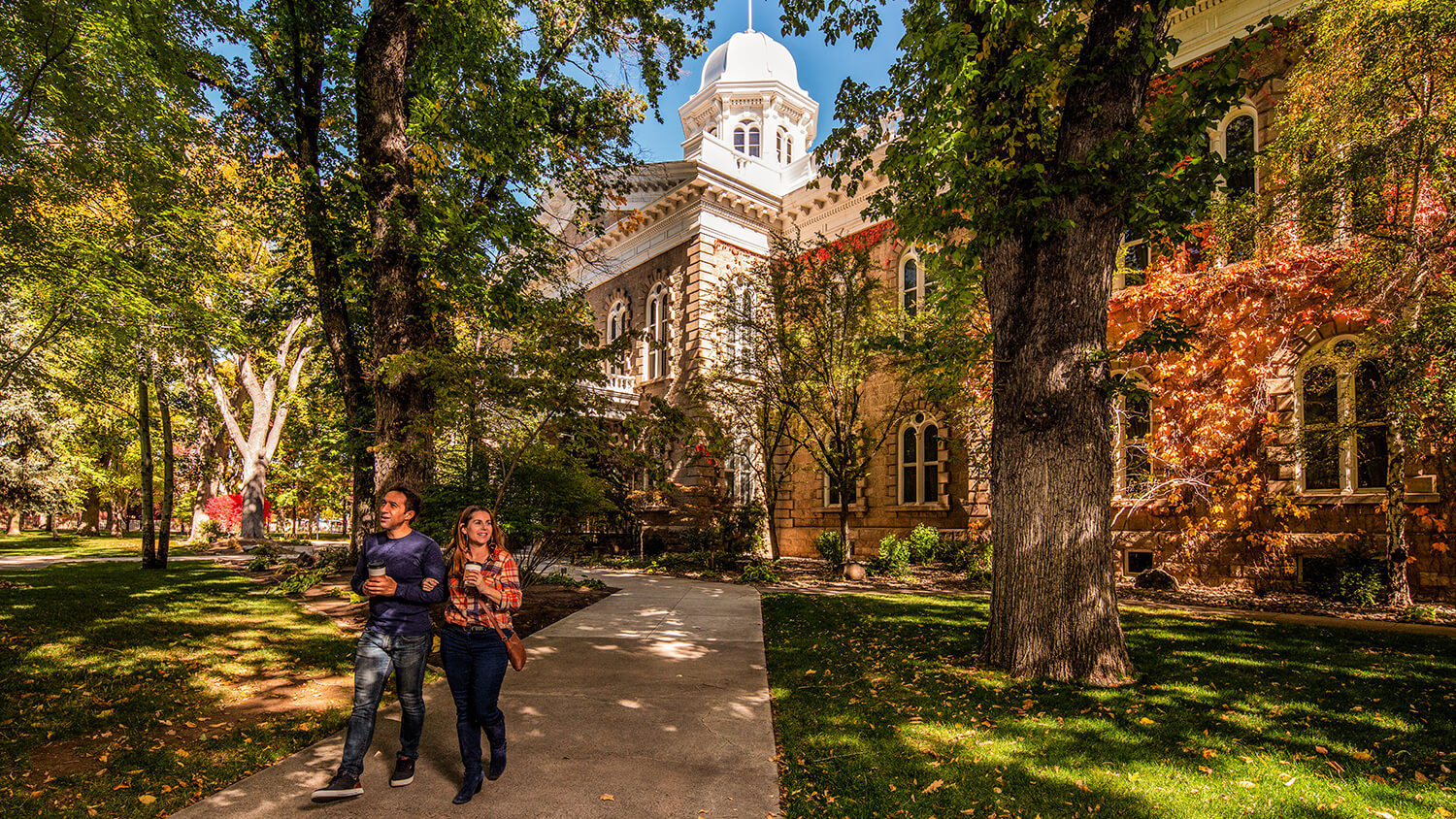
The building is constructed primarily from Washoe Valley sandstone, a material that gives the edifice its distinct, sturdy appearance. The use of local stone was a deliberate choice by the architects, Peter Cavanaugh and Joseph Gosling, who wanted the capitol to reflect the geological strength of the region. The iconic silver-painted dome, though modest compared to other state capitols, adds a refined elegance to the silhouette of Carson City.
Preserving a 19th-Century Aesthetic
Over the decades, the building has undergone various renovations, yet it retains much of its original character. The interior features woodwork and furnishings that evoke the late 1800s, offering visitors a tactile experience of the Victorian era. The transition from the original legislative chambers to the current functional administrative spaces highlights how Nevada has balanced the need for modern governance with the preservation of its historical roots.
Historical Significance: From Frontier to Statehood
The history of the Nevada State Capitol is intrinsically linked to the boom-and-bust cycle of the mining era. When Nevada achieved statehood during the Civil War, it was the wealth pulled from the Comstock Lode in Virginia City that provided the fiscal foundation for the construction of this building.
The Impact of the Comstock Lode
Without the immense silver wealth discovered in the nearby mountains, the construction of such a grand capitol building in the sparsely populated Nevada Territory would have been impossible. The building stands as a monument to the prosperity that mining brought to the region, signaling to the rest of the United States that Nevada was a permanent and vital contributor to the nation’s economy.

Political Evolution Within the Walls
Throughout its history, the Nevada State Capitol has hosted the most significant political debates in the state. From the framing of policies that regulated the dangerous mining industry to the development of early water rights laws, the decisions made within these chambers helped shape the legal framework for the entire American West.
Visiting the Capitol Grounds and Museum
Today, the Nevada State Capitol functions largely as an educational and historical site, as the modern Nevada Legislature operates out of a newer building located behind the historic capitol. This shift allows the original building to be curated as a museum, which is open to the public.
The Battle Born Hall
One of the highlights of a visit to the Nevada State Capitol is Battle Born Hall. This exhibit space provides a deep dive into Nevada history, covering everything from the indigenous populations of the Great Basin to the state’s role in modern space exploration. The exhibits are curated to engage both history buffs and families looking to understand the unique cultural tapestry of the state.
The Capitol Grounds and Arboretum
Surrounding the capitol is an impressive arboretum, home to trees that were planted as far back as the late 1800s. Walking through the Capitol Grounds offers a tranquil experience, contrasting with the nearby bustle of downtown Carson City. The trees, many of which were brought from different parts of the world by early settlers, are a living history of the horticultural efforts of the state’s founders.
Cultural Legacy and Preservation
The preservation of the Nevada State Capitol is a point of immense pride for the residents of Nevada. In a state known for its rapidly changing landscape and the neon allure of Las Vegas, the capitol serves as a grounded reminder of the state’s heritage.
Stewardship of the Past
The state government has invested heavily in maintaining the integrity of the building. This involves more than just structural repairs; it includes the careful restoration of the original portraits, furniture, and documents that line the halls. Visitors can see paintings of early governors and state officials, providing a visual lineage of those who steered the state through its formative years.
Why It Matters Today
In the context of the modern United States, landmarks like the Nevada State Capitol are vital for maintaining a sense of place. As Nevada continues to grow and evolve as a hub for technology and tourism, having a physical anchor to its past ensures that the history of the early pioneers and the hardworking miners of Carson City is not lost to time. For travelers, history enthusiasts, and students of architecture, the capitol remains an essential stop on any tour of the American West.
The enduring legacy of the building is not found just in its sandstone walls or its silver dome, but in its ability to tell the story of a state that truly lives up to its “Battle Born” motto. By exploring this landmark, visitors gain a clearer understanding of how the rugged frontier transformed into the state we recognize today. Whether you are strolling through the Capitol Grounds or examining the historical records inside Battle Born Hall, the Nevada State Capitol offers an unparalleled opportunity to connect with the heritage of Nevada.
LifeOutOfTheBox is a participant in the Amazon Services LLC Associates Program, an affiliate advertising program designed to provide a means for sites to earn advertising fees by advertising and linking to Amazon.com. Amazon, the Amazon logo, AmazonSupply, and the AmazonSupply logo are trademarks of Amazon.com, Inc. or its affiliates. As an Amazon Associate we earn affiliate commissions from qualifying purchases.