
The question “What is New Mexico population?” might seem straightforward, a simple statistical inquiry. However, for those drawn to the Land of Enchantment, it’s often a gateway to understanding a deeper narrative. This number, ever-evolving, is more than just a figure; it’s a reflection of migration patterns, economic shifts, and the enduring allure of a state rich in history, culture, and breathtaking landscapes. While precise real-time population counts are dynamic, understanding the general trends and the factors influencing them offers invaluable insight for travelers, prospective residents, and anyone curious about the heart of the American Southwest.
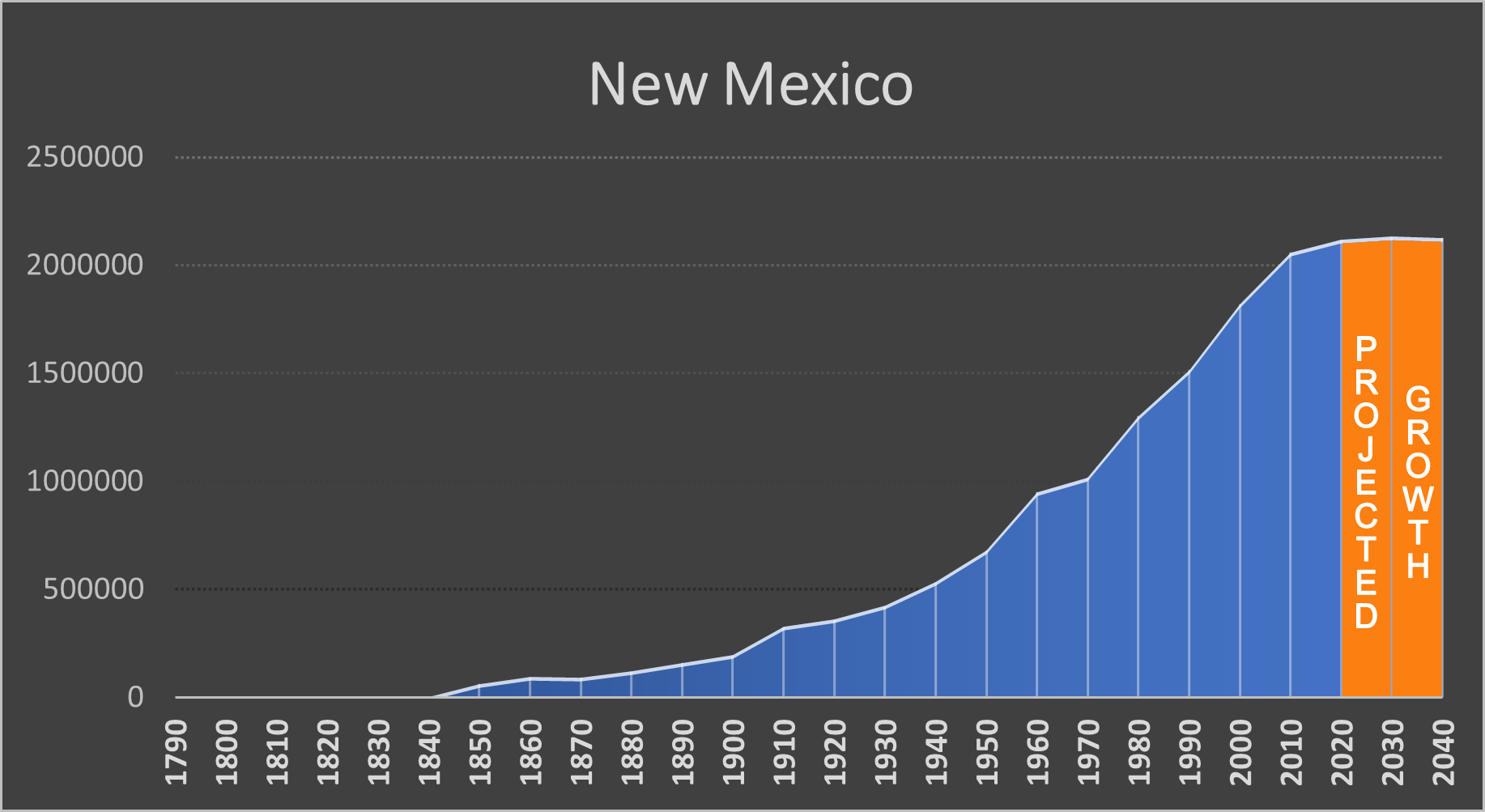
New Mexico, a state characterized by its diverse geography and vibrant cultural tapestry, has a population that is both growing and evolving. Understanding this demographic shift is crucial for anyone planning a visit, considering a long-term stay, or simply seeking to appreciate the unique character of this region. The state’s population is influenced by a confluence of factors, including its attractive tourism industry, a diverse range of accommodation options, and the unique lifestyle opportunities it presents.
The Shifting Demographics of New Mexico
The population of New Mexico is not static; it is a living, breathing entity that reflects the opportunities and challenges within the state. As of recent estimates, the population hovers around 2.1 million people. This figure, while a starting point, opens the door to a more nuanced exploration of who makes up this unique demographic. The state has experienced periods of growth, influenced by both domestic and international migration, as well as internal shifts within its urban and rural centers.
Key Population Centers and Distribution
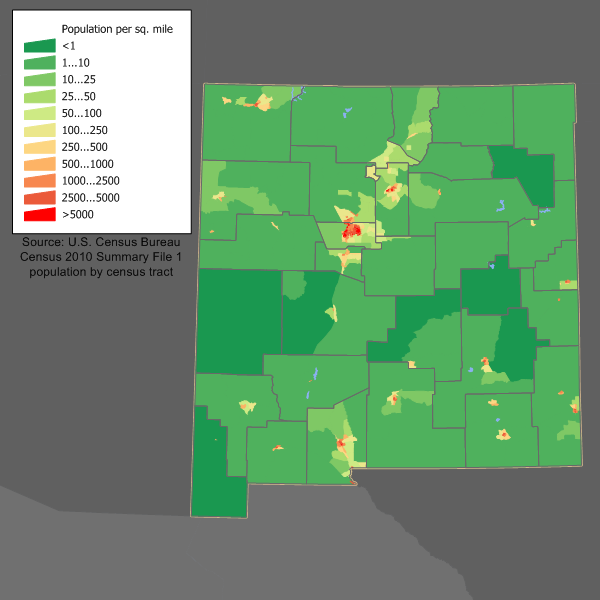
The majority of New Mexico’s population is concentrated in its larger cities. Albuquerque, the most populous city, serves as a significant economic and cultural hub, drawing residents with its diverse job market and amenities. Las Cruces, located in the southern part of the state, is another major population center, benefiting from its proximity to the border and its growing educational institutions. Santa Fe, renowned for its artistic community and historical significance, also commands a substantial resident population, attracting those who appreciate its unique charm and cultural offerings. Beyond these urban cores, the state also boasts numerous smaller towns and rural communities, each with its own distinct character and contribution to the overall demographic mosaic. The distribution of population is often dictated by access to resources, economic opportunities, and the natural beauty that New Mexico so generously offers.
Factors Influencing Population Growth and Decline
Several factors contribute to the ebb and flow of New Mexico’s population. Economically, the state’s performance in sectors like technology, renewable energy, and tourism plays a significant role. Periods of economic prosperity can attract new residents, while economic downturns might lead to out-migration. The cost of living, especially compared to neighboring states, also influences decisions for individuals and families.
Beyond economics, the quality of life is a major draw. New Mexico’s unparalleled natural beauty, from the Rocky Mountains to the Chihuahuan Desert, offers a lifestyle that appeals to outdoor enthusiasts and those seeking a slower pace of life. The state’s rich cultural heritage, a blend of Native American, Hispanic, and Anglo traditions, creates a unique social fabric that attracts individuals seeking authenticity and a connection to history.
Furthermore, factors such as retirement trends and the increasing popularity of remote work have also impacted population distribution. Many are drawn to the affordability and lifestyle offerings of New Mexico for their golden years or to establish a home base for their flexible careers. Conversely, some areas, particularly in rural regions, may experience population decline due to limited economic opportunities or a lack of essential services, leading some residents to seek prospects elsewhere.
Understanding New Mexico’s Lifestyle and Its Population
The lifestyle that New Mexico offers is a significant factor in attracting and retaining its population. This encompasses a wide spectrum, from luxurious experiences to budget-friendly adventures, catering to diverse preferences and financial situations. The state’s unique blend of natural wonders, cultural richness, and burgeoning urban centers creates a compelling proposition for a varied demographic.
Diversity in Travel and Tourism Experiences
New Mexico’s tourism industry is a powerful engine, not only for its economy but also for shaping its population. The sheer diversity of experiences available draws visitors and, consequently, those who wish to live amidst such attractions.
For the luxury travel aficionado, destinations like Santa Fe and Taos offer world-class resorts and boutique hotels. Imagine staying at the Inn of the Five Graces in Santa Fe, indulging in exquisite Southwestern cuisine and exploring art galleries. For those seeking grander accommodations, resorts like the Inn of the Mountain Gods Resort & Casino near Mescalero provide a comprehensive entertainment and relaxation experience. These establishments not only cater to tourists but also often employ local residents, contributing to the economic vitality of these areas and influencing where people choose to live.
On the other end of the spectrum, budget travel is equally rewarding in New Mexico. The state is dotted with charming, affordable motels and guesthouses, particularly in smaller towns that offer an authentic glimpse into local life. Exploring Carlsbad Caverns National Park or hiking in the Gila Wilderness are accessible activities for all budgets, drawing a wide range of individuals and families. The opportunity for affordable exploration and immersion in nature is a significant lifestyle draw.
Accommodation and Long-Term Stays
The availability and variety of accommodation options are also key to understanding New Mexico’s population. From the opulent suites in luxury resorts to comfortable apartments and private villas, there is a dwelling to suit every taste and need. This diversity extends to booking platforms and review sites, which allow potential residents and long-term visitors to thoroughly research their options.
For those considering a long-term stay, whether for work or retirement, the availability of apartments and vacation rentals that can be leased for extended periods is a crucial consideration. Cities like Rio Rancho and Santa Fe offer a growing number of such options, making it easier for individuals to transition into a new community. The ease of finding suitable accommodation can be a deciding factor for those contemplating a permanent move.
Furthermore, the robust hotel industry, with its array of amenities, from swimming pools and fitness centers to fine dining and spa services, sets a standard for comfort and convenience that many seek in their daily lives, not just during vacations. This aspirational aspect of travel and accommodation can influence lifestyle choices and where people ultimately settle.
Embracing Local Culture, Food, and Activities
The very essence of New Mexico lies in its vibrant local culture, its distinct food, and its array of engaging activities. These elements are not merely tourist attractions; they are integral to the lives of the people who call New Mexico home.
The culinary scene is a major draw, with New Mexican cuisine, famous for its red and green chiles, being a point of pride. From roadside diners serving authentic enchiladas to fine dining establishments in Santa Fe that elevate traditional flavors, the food culture is a significant lifestyle component. Experiencing local farmers’ markets and understanding the agricultural heritage of the state, from the Rio Grande Valley to the northern mountains, adds another layer to this cultural immersion.
Activities abound, catering to diverse interests. Family trips can be filled with visits to Bandelier National Monument to explore ancient cliff dwellings, or to the ABQ BioPark in Albuquerque. For those with a penchant for history and architecture, the historic missions scattered throughout the state, such as the San Miguel Mission in Santa Fe, offer a journey back in time. The outdoor activities are endless, from skiing in the Sangre de Cristo Mountains during winter to hiking and camping in the vast desert landscapes during warmer months.
Landmarks and Their Influence on Population Distribution
New Mexico’s iconic landmarks are not just points of interest for tourists; they are often anchors around which communities develop and populations are drawn. These significant places, whether natural wonders or historical sites, imbue the state with a unique identity and contribute to its overall desirability as a place to live.
Natural Wonders and Outdoor Pursuits
The awe-inspiring natural beauty of New Mexico is a significant magnet for its population. The dramatic landscapes of White Sands National Park, with its surreal gypsum dunes, offer unique recreational opportunities and a sense of wonder that draws people to the surrounding areas. The majestic Zion National Park (while technically in Utah, its proximity and influence are felt in border regions, and the spirit of such natural grandeur is a characteristic of the Southwest) inspires an appreciation for the natural world that is deeply ingrained in the New Mexican lifestyle.
The Gila National Forest, a vast expanse of wilderness, provides unparalleled opportunities for hiking, camping, and wildlife viewing. This natural playground attracts a population that values outdoor recreation and a connection to nature. Similarly, the Sangre de Cristo Mountains offer a playground for winter sports enthusiasts and summer hikers alike, contributing to the population density in towns like Taos and Red River. The accessibility and sheer scale of these natural landmarks make New Mexico an attractive destination for those seeking an active and adventurous lifestyle.
Historical and Architectural Significance
New Mexico’s rich history is etched into its landscape through numerous historical sites and architectural marvels. The ancient Pueblo ruins, such as those at Chaco Culture National Historical Park, offer a profound connection to the past and attract those interested in archaeology and indigenous history. The Spanish colonial architecture that defines cities like Santa Fe and Taos, with their adobe structures and charming plazas, creates a distinctive aesthetic that appeals to those seeking a sense of place and heritage.
The Palace of the Governors in Santa Fe, the oldest continuously occupied public building in the United States, stands as a testament to the state’s layered history. These landmarks not only draw tourists but also create a cultural environment that nurtures a population appreciative of history and tradition. The preservation and celebration of these sites contribute to the unique character of New Mexico, influencing where people choose to reside and build their lives.
In conclusion, the question of “What is New Mexico population?” is one that invites a deeper exploration into the state’s multifaceted appeal. It’s a story of evolving demographics, influenced by economic opportunities, the allure of diverse lifestyles, and the indelible charm of its landmarks and cultural heritage. Whether you are planning a fleeting visit or contemplating a permanent relocation, understanding these interwoven elements will undoubtedly enrich your appreciation for the Land of Enchantment.
LifeOutOfTheBox is a participant in the Amazon Services LLC Associates Program, an affiliate advertising program designed to provide a means for sites to earn advertising fees by advertising and linking to Amazon.com. Amazon, the Amazon logo, AmazonSupply, and the AmazonSupply logo are trademarks of Amazon.com, Inc. or its affiliates. As an Amazon Associate we earn affiliate commissions from qualifying purchases.