
The French Quarter, also known as the Vieux Carré, serves as the historic and cultural heart of New Orleans. Established in 1718 by Jean-Baptiste Le Moyne de Bienville, this iconic neighborhood is the oldest section of the city. While the name suggests a purely French heritage, the architecture and atmosphere are a complex tapestry woven from Spanish colonial influences, Creole traditions, and American expansion. It is a place where history is not merely preserved in museums but is lived out daily on the streets, in the courtyards, and within the centuries-old structures that define the skyline.
To understand the French Quarter is to understand the soul of Louisiana. It is a district defined by its resilience, its penchant for celebration, and its uncompromising dedication to preserving a unique way of life that exists nowhere else in the United States.
The Architectural Tapestry of the Vieux Carré
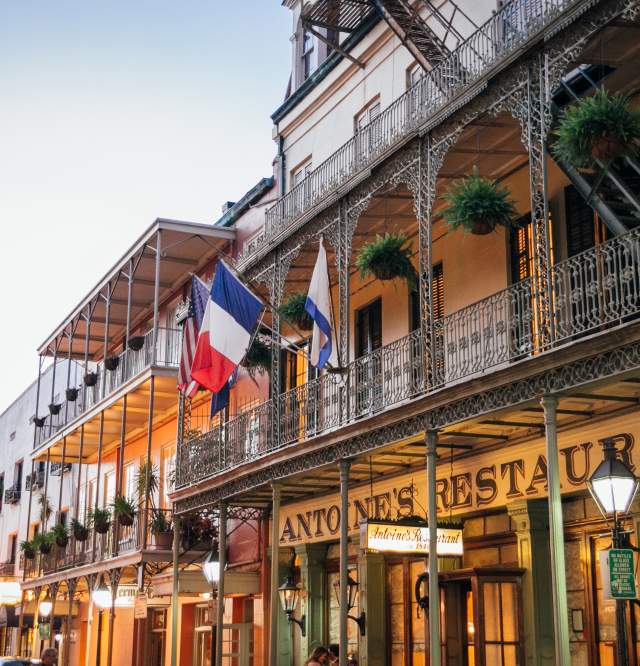
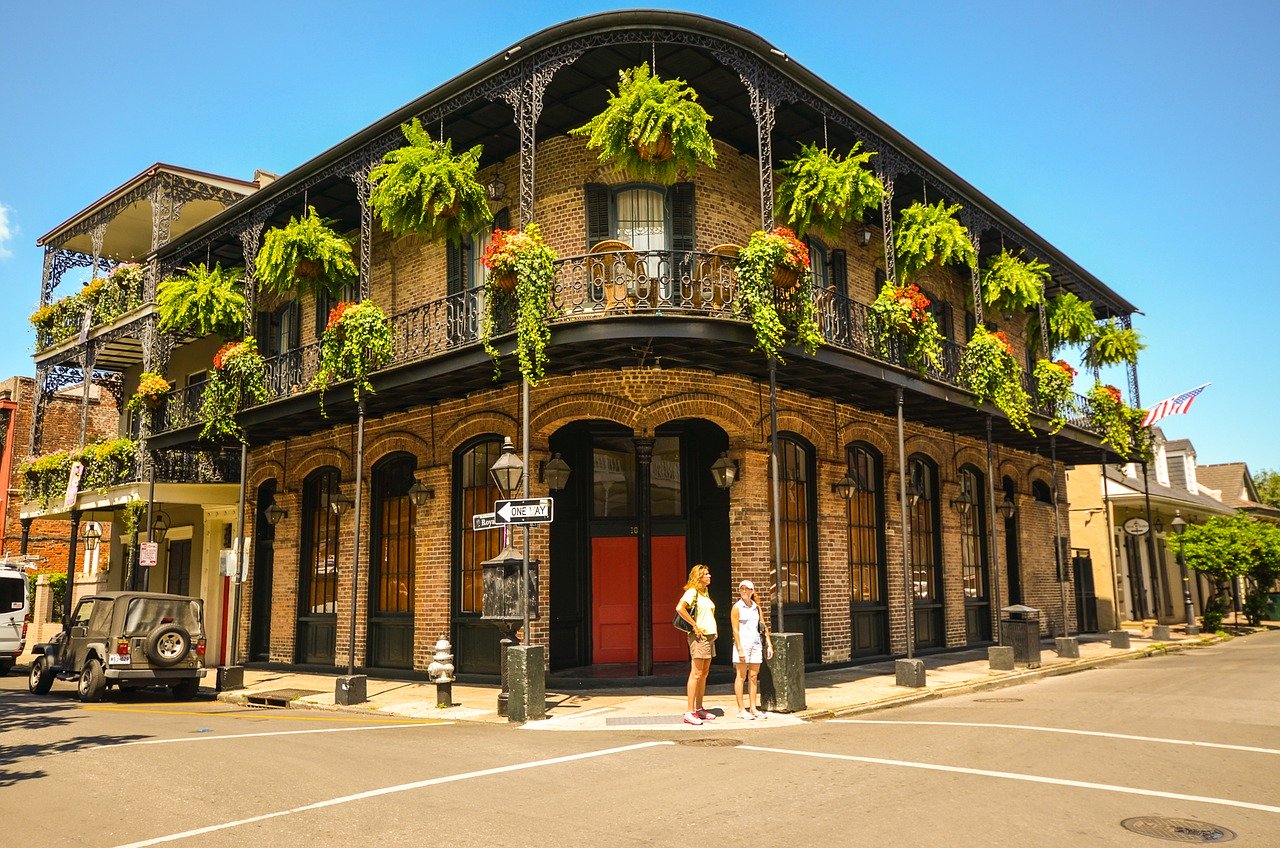
When visitors walk through the French Quarter, they are walking through a living architectural exhibit. Unlike many other historic districts in North America, the buildings here do not adhere to a single style. Instead, they tell the story of the city’s turbulent past, specifically the great fires of 1788 and 1794, which decimated most of the original wooden French structures. As a result, the majority of the architecture seen today dates back to the period of Spanish rule, characterized by thick brick walls, gated courtyards, and iconic wrought-iron balconies.
The Influence of Colonial Spain
The Spanish period left an indelible mark on the district. You will notice that many homes feature internal courtyards—a design choice intended to provide privacy and cooling in the subtropical climate of the Gulf Coast. These hidden gardens serve as tranquil sanctuaries, tucked away from the boisterous energy of the main thoroughfares. Stucco facades, originally painted in vibrant earth tones, are punctuated by shuttered windows that have remained largely unchanged for two hundred years.
Creolization and Preservation
The term “Creole” in New Orleans refers to the blend of cultures that formed in the city, and this is perfectly reflected in the architecture. Over time, the influence of Caribbean styles merged with European standards, leading to the development of the “shotgun” house and the towering, ornate galleries that line Royal Street. Preservation efforts in the 20th century, particularly through the Vieux Carre Commission, ensured that this aesthetic remained intact, preventing the encroachment of modern skyscrapers and maintaining the district’s low-profile, human-centric scale.
A Sensory Journey Through Culture and Cuisine
The French Quarter is arguably the most famous gastronomic neighborhood in the country. It is here that the culinary traditions of West Africa, France, Spain, and the indigenous peoples of the Mississippi River delta collided to create Creole cuisine. To visit the French Quarter is to partake in a ritual of eating that is central to the local identity.
The Institutions of Taste
No exploration of the district is complete without a visit to Cafe Du Monde, located near Jackson Square. Here, the simple pairing of cafe au lait and powdered sugar-dusted beignets has become a rite of passage for millions. For those seeking a more formal experience, historic establishments like Antoine’s Restaurant or Galatoire’s offer a deep dive into the formal dining culture of the 19th-century elite. These restaurants are not just places to eat; they are keepers of a culinary lineage that prioritizes rich sauces, fresh seafood, and a commitment to hospitality that borders on the theatrical.
The Soundtrack of the Streets
Beyond the palate, the French Quarter is defined by its sound. Walking down Bourbon Street, one hears a cacophony of brass bands, street performers, and the distant wail of a jazz trumpet. Jazz was born in the melting pot of New Orleans, and the clubs scattered throughout the Quarter—such as those found on Frenchmen Street, which sits just on the border of the district—continue to host world-class musicians. This is not just background music; it is the heartbeat of the city. The improvisational nature of the music mirrors the improvisational nature of life in the Quarter, where plans are often secondary to the whims of the moment.
Navigating the Living History of New Orleans
While the French Quarter is known for its nightlife, it is also a place of profound historical significance. The district serves as the geographic anchor for the city’s relationship with the Atlantic World. From the St. Louis Cathedral, which stands as the oldest continuously active Roman Catholic cathedral in the country, to the Cabildo, where the Louisiana Purchase was finalized, the history here is foundational to the formation of the modern nation.
The Role of Jackson Square
Jackson Square serves as the grand plaza of the French Quarter. Originally named the Place d’Armes, it has functioned as a military parade ground, a public market, and a space for political discourse. Today, it is an open-air art gallery, surrounded by iron gates and populated by painters, fortune tellers, and musicians. It provides a necessary pause in the midst of the bustling urban environment, offering a vantage point from which to observe the intersection of tourist curiosity and local tradition.
The Mystery of the Vieux Carré
There is an undeniable air of mystery that permeates the Quarter, often fueled by its association with voodoo and the supernatural. Landmarks like St. Louis Cemetery No. 1, located just outside the immediate core, speak to the city’s unique relationship with death and ancestor worship. The above-ground tombs, necessitated by the high water table, create an eerie, city-like landscape that fascinates visitors. These sites are not macabre, but rather reflections of a community that has always honored those who came before them, keeping their spirits active in the cultural consciousness of the city.

The Future of the French Quarter
Maintaining the authenticity of the French Quarter is an ongoing challenge for Louisiana. As the global travel industry continues to evolve, the Quarter faces the delicate balance of accommodating millions of visitors while protecting the residential character that gives the neighborhood its soul. The residents of the Quarter—the artists, the bartenders, the historians, and the families who have lived there for generations—are the true guardians of this space.
The French Quarter is more than a destination; it is a mindset. It is a place that encourages indulgence, reflection, and community. Whether one is watching the sunset over the Mississippi River from the Moon Walk or getting lost in the shadows of a quiet alleyway, the French Quarter leaves an impression that persists long after the trip has concluded. It is a testament to the idea that culture is best preserved by being celebrated, shared, and enjoyed with a glass in hand and a rhythm in one’s step. As the city moves forward, the French Quarter remains, as it has always been, the vibrant, unapologetic, and enchanting core of New Orleans.
LifeOutOfTheBox is a participant in the Amazon Services LLC Associates Program, an affiliate advertising program designed to provide a means for sites to earn advertising fees by advertising and linking to Amazon.com. Amazon, the Amazon logo, AmazonSupply, and the AmazonSupply logo are trademarks of Amazon.com, Inc. or its affiliates. As an Amazon Associate we earn affiliate commissions from qualifying purchases.