
Understanding the population of New Orleans is not merely an exercise in demographic statistics; it is an essential step in grasping the city’s unique cultural fabric, its evolving social dynamics, and its enduring appeal as a vibrant tourist destination. While a precise, real-time count is a moving target, historical trends and recent estimates offer significant insights into the soul of this storied metropolis. The population figure informs everything from the availability of local services to the sheer energy that pulses through its historic streets, from the French Quarter to the Garden District.
Demographic Snapshot and Historical Context
The population of New Orleans has experienced significant fluctuations over the decades, shaped by economic shifts, natural disasters, and migration patterns. Historically, the city was a major port and a melting pot of diverse cultures, attracting French, Spanish, African, and Caribbean influences. This rich heritage is still palpable today and is a cornerstone of its allure for visitors.
Pre-Katrina Population Peaks
Prior to the devastating impact of Hurricane Katrina in 2005, New Orleans had a population that hovered around or exceeded 480,000 residents. The city was a bustling urban center, a hub of commerce, and a national leader in cultural contributions, particularly in music and cuisine. This period represented a certain equilibrium, a dense concentration of people that fueled the city’s lively atmosphere and sustained its extensive tourism industry. The residential areas, from the vibrant neighborhoods of the Marigny to the elegant homes of Uptown, were filled with life, contributing to the distinct character of each locale.
The Impact of Hurricane Katrina
The aftermath of Hurricane Katrina in August 2005 marked a profound demographic disruption. The catastrophic flooding and widespread destruction forced an unprecedented exodus of residents. Millions were displaced, and the city’s population plummeted drastically. For a period, the population was estimated to be as low as half of its pre-Katrina numbers, with many neighborhoods left eerily deserted. This event fundamentally altered the demographic landscape, leading to significant challenges in rebuilding and recovery, and profoundly impacting the social and economic structures of the city. The resilience of the New Orleans spirit, however, became evident as residents began the arduous process of returning and rebuilding.
Post-Katrina Recovery and Trends
In the years following Hurricane Katrina, New Orleans has been in a continuous state of recovery and demographic adjustment. The population has gradually, though not entirely, rebounded. Current estimates from various sources, including the U.S. Census Bureau, place the population of the city of New Orleans in the range of 380,000 to 410,000 residents. This figure represents a significant rebuilding effort but also reflects a new demographic reality compared to the pre-disaster era. The recovery has been marked by shifts in neighborhood demographics, with some areas experiencing more rapid repopulation than others. This dynamic population recovery directly influences the vibrancy and availability of local experiences for visitors.
Understanding the “New Orleans” Population Metric
It is crucial to clarify what “population” refers to when discussing New Orleans. The most commonly cited figures pertain to the population within the official city limits of New Orleans. However, the broader metropolitan area, which includes surrounding parishes like Jefferson Parish and St. Tammany Parish, has a significantly larger population, often exceeding 1.2 million or more.
City Proper vs. Metropolitan Area
For tourists, understanding this distinction is important. While the city proper is the heart of the tourist experience, with its iconic attractions and vibrant nightlife, the greater metropolitan area is where a substantial portion of the workforce resides and where many residents live while commuting into the city for work or leisure. The energy of New Orleans is a product of both its core population and the surrounding communities that contribute to its economic and cultural vitality. Visitors who venture beyond the immediate tourist zones may encounter different facets of life that are influenced by these broader demographic patterns.
Key Demographic Characteristics

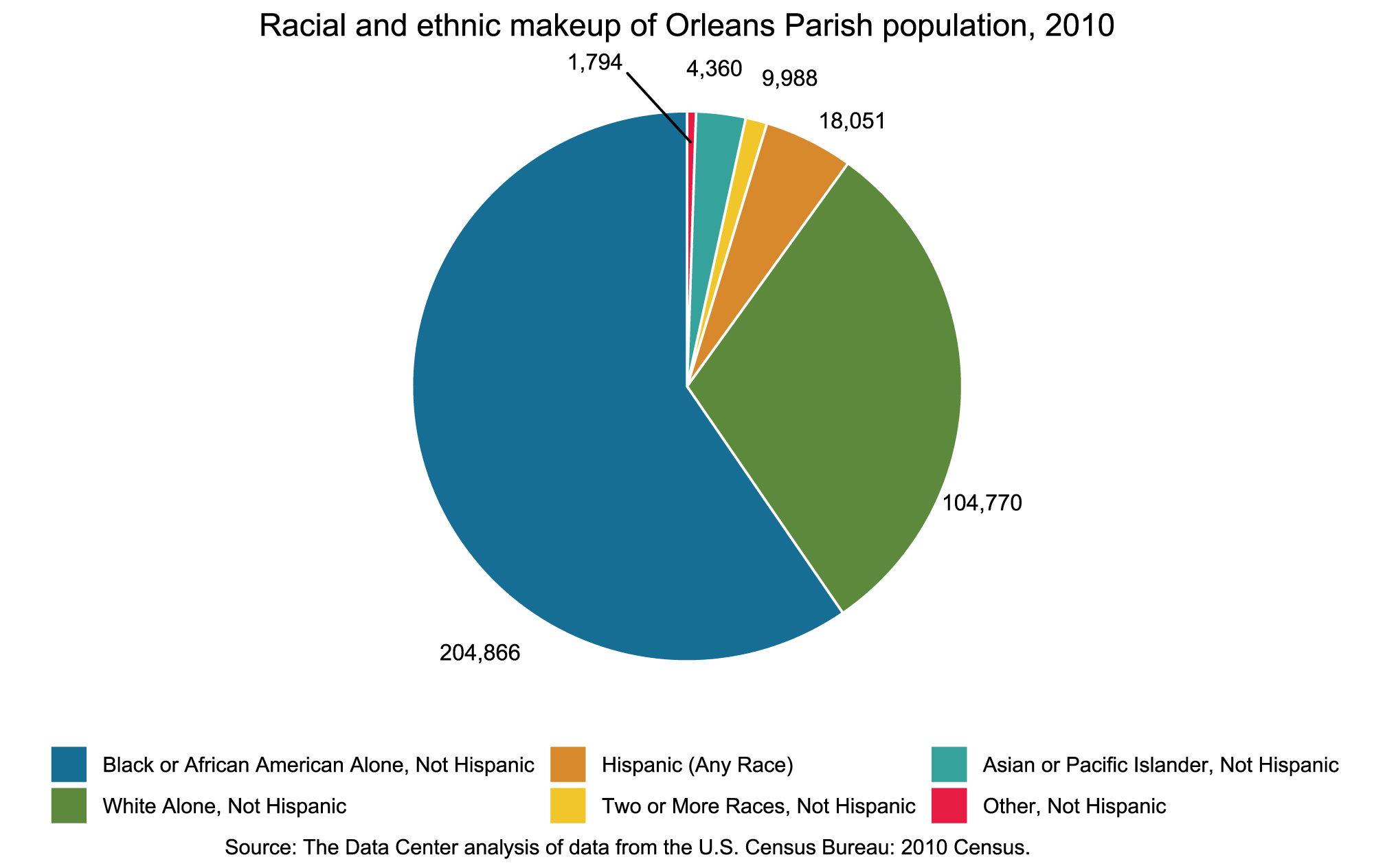
Beyond the sheer numbers, understanding the demographic characteristics of New Orleans population offers deeper insights. The city has a rich African American heritage, and its Black population remains a significant demographic group, deeply entwined with the city’s cultural identity. The city is also known for its diverse socioeconomic makeup, a characteristic that contributes to its unique character and the varied experiences available to visitors, from exploring the historic mansions of the Garden District to enjoying the eclectic street life in neighborhoods like the Bywater.
Implications for Tourism and Local Culture
The population of New Orleans has direct and profound implications for the tourism sector, shaping the very essence of the visitor experience. A healthy, dynamic population ensures a robust local culture, a thriving arts scene, and a wide array of culinary delights.
A Lively Urban Experience
A population of hundreds of thousands ensures that New Orleans maintains its reputation as a lively and engaging urban destination. This demographic density fuels the bustling atmosphere of places like Bourbon Street, the constant creative output from its musicians and artists, and the rich tapestry of local businesses that cater to both residents and visitors. The presence of a substantial local population means that the city’s cultural events, festivals like Mardi Gras and the New Orleans Jazz & Heritage Festival, are not just for tourists but are deeply ingrained community celebrations.
Preserving Local Authenticity
While tourism is a vital economic driver, a strong resident population is crucial for preserving the authentic spirit of New Orleans. The locals are the custodians of its unique traditions, its dialect, its culinary secrets, and its inimitable way of life. When visitors engage with the city, they are interacting with a community that has a deep connection to its history and culture. This population density helps to sustain neighborhood restaurants, local music venues, and community festivals that might otherwise struggle to survive in a purely tourist-driven economy. It means that the vibrant street parades and the intimate jazz clubs are genuine reflections of the city’s soul, not just performances staged for visitors.
Economic Impact and Service Availability
The population size directly influences the economic landscape of New Orleans, affecting everything from employment opportunities to the variety of services available. A larger population generally translates to a broader tax base, supporting public services and infrastructure that enhance the visitor experience, such as well-maintained streets and public transportation. It also means a wider availability of accommodations, from luxury hotels in the Central Business District to charming guesthouses in historic neighborhoods, and a diverse workforce to staff them. The sheer number of residents creates demand for goods and services, fostering a dynamic marketplace that visitors can explore. For instance, the population supports the numerous restaurants offering everything from classic Creole cuisine at Commander’s Palace to fresh seafood on the waterfront.
Future Population Trends and Their Significance
Predicting the precise future population of New Orleans is complex, influenced by numerous factors including economic development, climate resilience initiatives, and the ongoing process of urban revitalization. However, understanding potential trends is key to appreciating the city’s trajectory.
Factors Influencing Future Growth
Several factors will likely shape the future demographics of New Orleans. Continued investment in infrastructure, particularly coastal restoration and flood protection, will be critical in attracting and retaining residents. Economic diversification beyond tourism, in sectors such as healthcare, technology, and film production, could also spur population growth. Furthermore, the city’s appeal as a cultural hub, its unique charm, and its vibrant lifestyle will continue to draw individuals seeking a distinct urban experience. The influx of younger generations, attracted by the city’s energy and affordability compared to some other major American cities, could also play a role.

Maintaining the “New Orleans” Identity
As New Orleans potentially grows or stabilizes in population, a key challenge will be to manage this growth in a way that preserves its unique cultural identity. The city is renowned for its distinctive neighborhoods, each with its own character, and its rich traditions that have been passed down through generations. Balancing development with preservation, ensuring affordable housing, and supporting local businesses will be paramount. For visitors, this means that as the population evolves, the core elements that make New Orleans so captivating – its music, its food, its history, and its people – will remain central to the experience, albeit with new layers of vibrancy and innovation. The city’s ability to attract and retain a diverse population will ensure its continued evolution as a world-class destination.
LifeOutOfTheBox is a participant in the Amazon Services LLC Associates Program, an affiliate advertising program designed to provide a means for sites to earn advertising fees by advertising and linking to Amazon.com. Amazon, the Amazon logo, AmazonSupply, and the AmazonSupply logo are trademarks of Amazon.com, Inc. or its affiliates. As an Amazon Associate we earn affiliate commissions from qualifying purchases.