
New York cheesecake is more than just a dessert; it’s a culinary icon, a symbol of indulgence, and a beloved fixture in the gastronomic landscape of its namesake city. While “cheesecake” itself is a broad category, the New York style possesses a distinct identity, characterized by its rich density, smooth texture, and a flavor profile that balances sweetness with a subtle tang. This article delves into the essence of this classic, exploring its origins, defining characteristics, variations, and its enduring place in the hearts of food lovers worldwide.
The Genesis of a Classic
The history of cheesecake stretches back to ancient Greece, with early versions bearing little resemblance to the modern dessert. However, it was in the United States, particularly in New York City, that cheesecake underwent a significant transformation, evolving into the version we recognize and cherish today.
Early Influences
The concept of a baked cheese and honey confection was present in ancient Rome and later adapted by various European cultures. Cream cheese, the cornerstone of modern New York cheesecake, wasn’t readily available until the late 19th century. Its widespread adoption in the early 20th century, however, paved the way for the dense, creamy style that would come to define New York’s contribution to the dessert world.
The Birth of the New York Style
While precise origins are debated, the modern New York cheesecake is widely attributed to individuals like Arnold Reuben, a restaurateur who claimed to have invented it in the 1920s at his deli, Reuben’s. Another prominent figure is Myriad “Myron” Weinstein, who popularized his version at Junior’s Restaurant in the mid-20th century, a place that remains a pilgrimage site for cheesecake aficionados. These establishments, and others like them in the vibrant culinary scene of New York City, cemented the cheesecake’s status as a must-try local delicacy.
Defining Characteristics: The Anatomy of New York Cheesecake
What sets New York cheesecake apart from its lighter, fluffier counterparts? It’s a combination of ingredients, technique, and a resulting texture and flavor that is simply unmistakable.
The Creamy Core
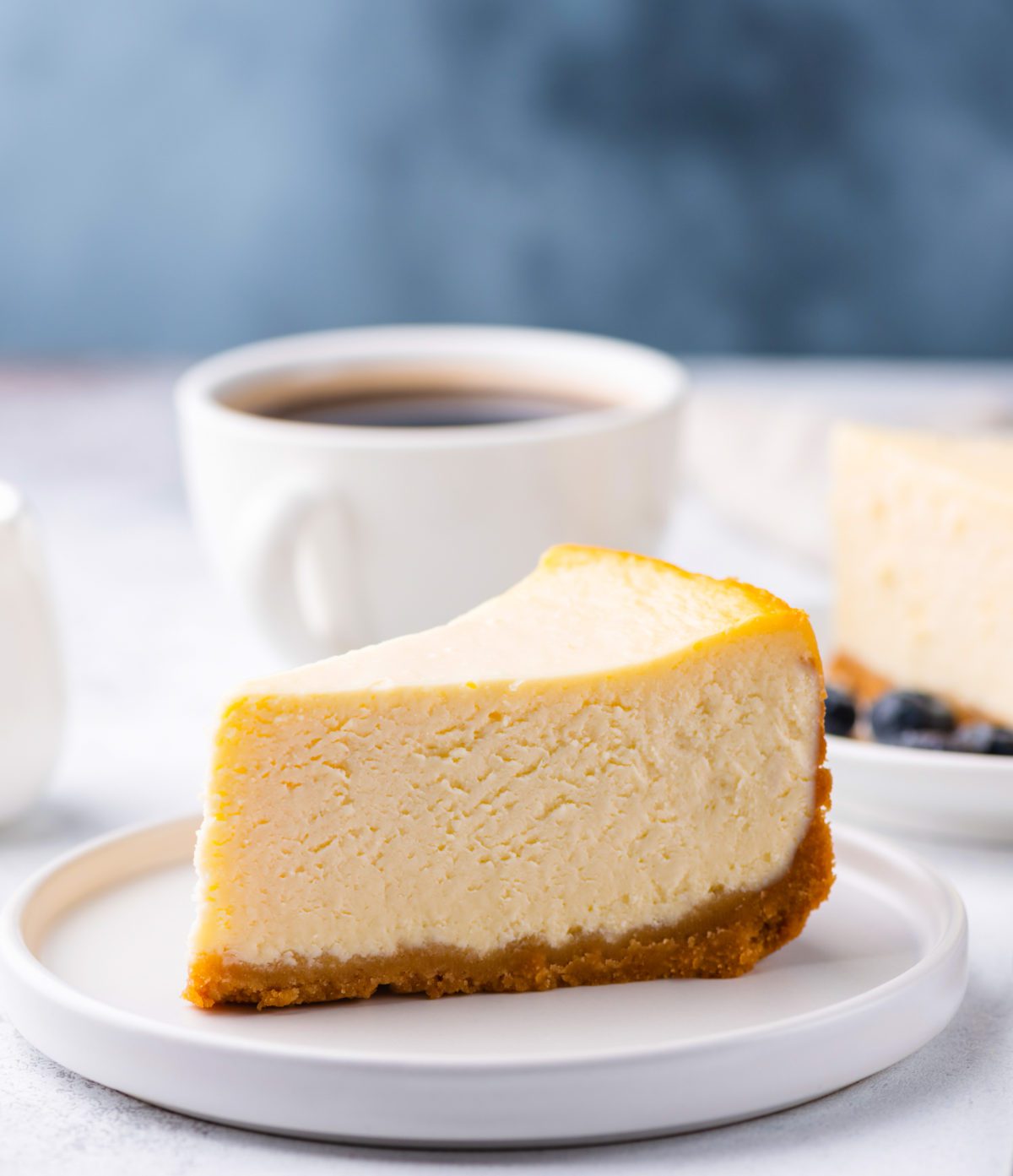
The defining feature of New York cheesecake is its extraordinary density and creaminess. This is achieved through a specific ingredient ratio and a meticulous mixing process.
- Cream Cheese Dominance: Unlike many other cheesecakes that incorporate sour cream, cottage cheese, or even ricotta, New York style relies almost exclusively on high-fat cream cheese. This provides the rich, velvety texture and the characteristic slight tang.
- Eggs and Sugar: Eggs act as a binder and contribute to the richness, while sugar provides sweetness. The balance is crucial; too much sugar can alter the texture, and too few eggs can result in a less cohesive filling.
- Minimal Aeration: The batter is mixed just enough to combine ingredients, avoiding over-beating which would incorporate too much air. This results in a dense, smooth texture rather than a light, airy one. A touch of heavy cream is often added for an extra layer of richness and silkiness.
The Crust
The crust of a New York cheesecake is typically a simple yet essential component that provides a textural contrast and complements the richness of the filling.
- Graham Cracker Foundation: The most traditional crust is made from crushed graham crackers, butter, and a bit of sugar. This creates a slightly sweet, crumbly base that holds its shape without being overly hard.
- Subtle Flavor: The graham cracker flavor is intentionally mild, allowing the cheesecake filling to be the star. Variations might include digestive biscuits or even a cookie crust, but the graham cracker remains the classic choice.
- Method of Preparation: The crust is usually pressed firmly into the bottom and sometimes up the sides of the cheesecake pan, then often pre-baked to ensure crispness.

Baking and Cooling
The baking and cooling process are critical for achieving the signature smooth, crack-free top and dense interior.
- Water Bath (Bain-Marie): Many New York cheesecake recipes call for baking the cheesecake in a water bath. This involves placing the springform pan within a larger pan filled with hot water. The water bath provides a moist, even heat, which helps prevent the cheesecake from cracking and ensures a more uniform texture.
- Gradual Cooling: Once baked, the cheesecake is typically cooled slowly and gradually. This often involves turning off the oven and leaving the cheesecake inside with the door ajar for an hour or so. It’s then removed from the oven and allowed to cool completely on a wire rack before being chilled in the refrigerator. This slow cooling process minimizes thermal shock, which can lead to cracking.
The Flavor Profile: Tangy, Sweet, and Utterly Satisfying
The taste of New York cheesecake is a masterclass in balance. It’s not overly sweet, allowing the inherent creaminess and subtle tang of the cream cheese to shine through.
A Symphony of Taste and Texture
- Rich and Creamy: The primary sensation is one of luxurious creaminess that coats the palate.
- Subtle Tang: The tang from the cream cheese cuts through the richness, preventing it from being cloying and adding a sophisticated complexity.
- Sweetness with Restraint: The sweetness is present but not overpowering, acting as a harmonious complement rather than the dominant flavor.
- Buttery Crust: The graham cracker crust adds a warm, buttery note and a contrasting crumbly texture that enhances the overall experience.
Accompaniments and Variations
While a classic New York cheesecake is often enjoyed unadorned, its robust flavor profile makes it an excellent canvas for a variety of toppings.
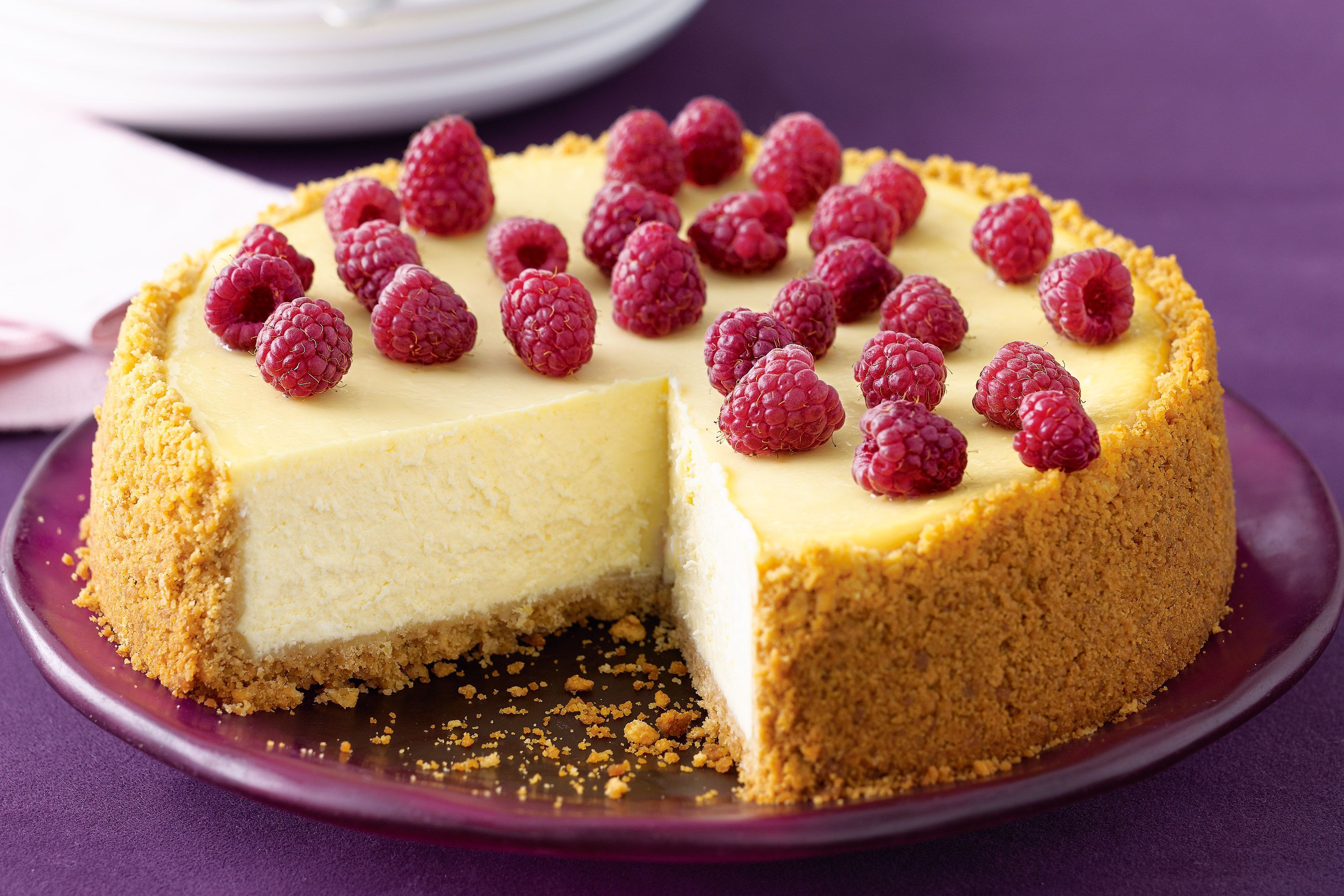
- Fruit Toppings: Fresh berries, a berry compote, or a cherry topping are classic pairings that offer a bright, tart counterpoint to the rich cheesecake.
- Sauces: Caramel sauce or a chocolate ganache can add an extra layer of decadence.
- Whipped Cream: A dollop of fresh, lightly sweetened whipped cream is a simple yet effective addition.
The New York Cheesecake Experience: Beyond the Dessert
In New York City, cheesecake is more than just a menu item; it’s an experience, an integral part of the city’s culinary identity. From bustling diners to upscale restaurants, the presence of a well-executed New York cheesecake is often a sign of a kitchen that takes its comfort food seriously.
Iconic Institutions
- Junior’s Restaurant: As mentioned, Junior’s Restaurant is synonymous with New York cheesecake. Their legendary slices are thick, rich, and have been a city staple for generations.
- Eileen’s Special Cheesecake: In Nolita, Eileen’s Special Cheesecake offers a slightly lighter, more delicate take, but still firmly rooted in the New York tradition, with a wide array of flavors.
- Little Italy and Brooklyn Bakeries: Across various neighborhoods, smaller bakeries and Italian-American establishments often craft their own artisanal versions, each with its own subtle nuances and loyal following.
A Taste of Home
For many, a slice of New York cheesecake evokes nostalgia and a sense of comfort. It’s the dessert ordered after a big meal, the treat brought home to share, or the carefully chosen indulgence during a visit to the city. Its enduring popularity speaks to its universal appeal – a perfect balance of richness, texture, and flavor that has stood the test of time. Whether enjoyed in its classic form or with a modern twist, New York cheesecake remains an undisputed champion of the dessert world, a testament to the culinary ingenuity and enduring charm of its namesake city.
LifeOutOfTheBox is a participant in the Amazon Services LLC Associates Program, an affiliate advertising program designed to provide a means for sites to earn advertising fees by advertising and linking to Amazon.com. Amazon, the Amazon logo, AmazonSupply, and the AmazonSupply logo are trademarks of Amazon.com, Inc. or its affiliates. As an Amazon Associate we earn affiliate commissions from qualifying purchases.