
Planning a trip to New York City is an exciting endeavor, whether you are dreaming of catching a Broadway show near Times Square or spending an afternoon wandering through the sprawling paths of Central Park. However, seasoned travelers know that the advertised price of an item or a service is rarely the final amount that appears on the credit card receipt. Understanding the nuances of New York City sales tax is an essential component of budget planning for any visitor. By familiarizing yourself with these additional costs, you can avoid surprises and manage your travel funds more effectively.
Decoding the Sales Tax Structure
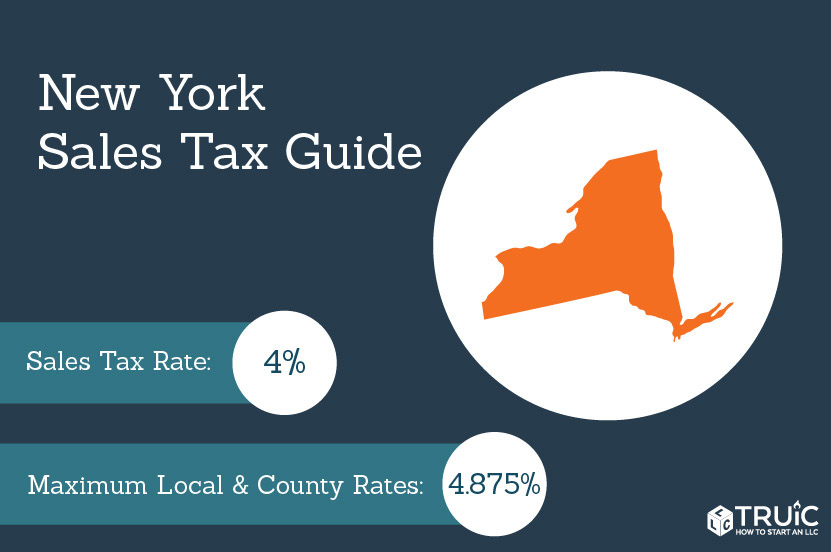
In New York City, the sales tax is not a single, flat fee but rather a combined total of state and local levies. When you reach the checkout counter at a boutique in SoHo or grab a souvenir near the Empire State Building, you are paying a cumulative rate that covers the needs of both the state government and the municipal authorities.
The Combined Tax Rate
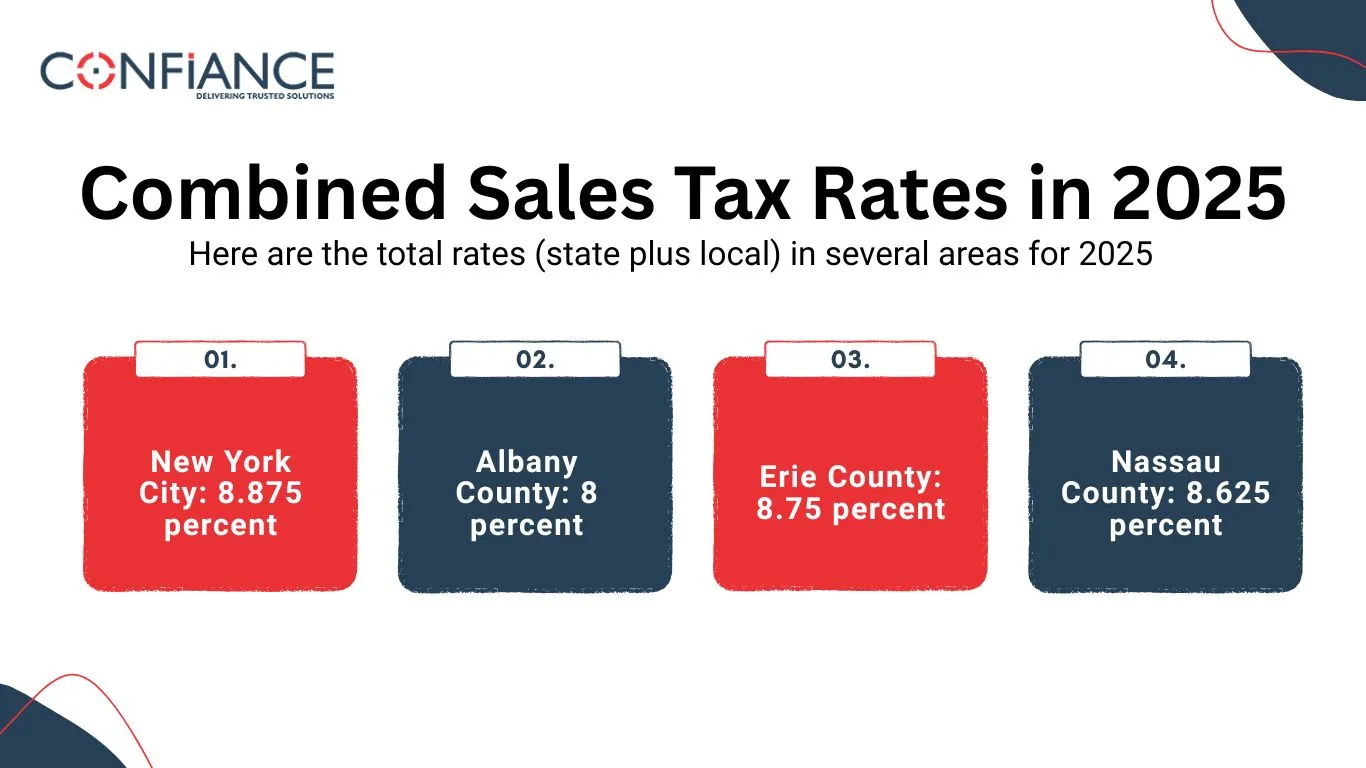
The current sales tax rate in New York City is 8.875%. This figure is comprised of three distinct parts:
- 4% New York State sales tax.
- 4.5% New York City local sales tax.
- 0.375% Metropolitan Commuter Transportation District (MCTD) tax.
This rate is applied to most tangible personal property and certain services. When you purchase clothing, electronics, or retail goods, you should expect this percentage to be added to the sticker price at the point of sale.
Exemptions on Clothing and Footwear
One of the most frequently asked questions by tourists concerns the tax on apparel. New York City offers a significant tax break for budget-conscious shoppers. Individual items of clothing or footwear sold for less than $110 are exempt from the 4% New York State sales tax. While you may still be required to pay the local New York City tax portion, this exemption can lead to notable savings when shopping for essentials or gifts. It is always wise to check the current status of these exemptions before embarking on a major shopping spree, as local policies can be subject to legislative adjustments.
Tax Implications for Dining and Entertainment
For many travelers, the highlight of visiting New York City is the world-class culinary scene and the endless entertainment options. Navigating the tax landscape of these industries is slightly different than browsing retail stores.
Restaurant and Food Taxes
When you dine at a restaurant, your bill is subject to the standard 8.875% sales tax. This applies to sit-down meals, takeout, and most prepared food items purchased in the city. However, there is a nuance regarding groceries. Most unprepared food items purchased at a supermarket are exempt from sales tax in New York State. If you are staying in an apartment rental and choose to cook a meal using local ingredients, your grocery bill will generally be tax-free, unlike your restaurant dining experience.
Entertainment and Services
If you are planning to attend a performance at Radio City Music Hall or visit a museum such as the Metropolitan Museum of Art, it is important to note that admission charges are often subject to sales tax. While some non-profit institutions may have specific exemptions, the majority of commercial entertainment venues include the tax in their ticketing process. Always look at your total checkout summary to understand the breakdown of fees versus base ticket prices.
Hotel Occupancy Taxes and Fees
Beyond standard sales tax, travelers must be aware of the “Hotel Room Occupancy Tax.” This is a specific levy that applies to overnight stays in New York City. Whether you are booking a room at the Plaza Hotel or a modern boutique stay, your final bill will include more than just the nightly room rate.
Understanding Hotel Surcharges
The hotel tax landscape in New York City is multi-layered. It typically includes:
- State and City Sales Tax: The standard 8.875% sales tax applies to the room rate.
- Hotel Occupancy Tax: A flat fee per night (often ranging from $2 to $8 depending on the room price).
- NYC Hotel Room Occupancy Tax: A percentage-based tax applied to the cost of the room.
- Javits Center Fee: A specific fee designed to support the operations of the Jacob K. Javits Convention Center.
Because these taxes can significantly increase the total cost of your stay, it is highly recommended to view the “total price” breakdown on booking websites before confirming your reservation. Hidden fees are often the culprit behind unexpected credit card charges upon checkout.
Tips for Budgeting in the Big Apple
Traveling to New York City does not have to break the bank if you approach your budget with a clear understanding of these financial realities. By accounting for the 8.875% sales tax in your daily estimates, you will have a much more accurate view of your actual spending capacity.
Smart Shopping Strategies
If you are visiting for the purpose of shopping, consider prioritizing items under the $110 threshold to maximize your tax savings. Additionally, many major retailers in New York City clearly label prices on the shelf, but these labels rarely include tax. Use a quick calculator on your smartphone to estimate the final cost at the register; simply multiply the item price by 1.08875 to get a close approximation of your total.
Planning Ahead
Before your flight to John F. Kennedy International Airport, build a “tax buffer” into your vacation fund. Allocating an extra 10% for any discretionary spending ensures that you won’t be caught off guard when you reach the cash register. Whether you are grabbing a quick bagel near Grand Central Terminal or treating yourself to a luxury experience at Rockefeller Center, knowing exactly what you are paying—and why—allows you to focus on the joy of discovery rather than the stress of hidden costs. By staying informed about the local tax structure, you ensure that your New York City journey remains an enjoyable and manageable experience from the moment you arrive until the final receipt is settled.
LifeOutOfTheBox is a participant in the Amazon Services LLC Associates Program, an affiliate advertising program designed to provide a means for sites to earn advertising fees by advertising and linking to Amazon.com. Amazon, the Amazon logo, AmazonSupply, and the AmazonSupply logo are trademarks of Amazon.com, Inc. or its affiliates. As an Amazon Associate we earn affiliate commissions from qualifying purchases.