
Understanding the intricacies of New York income tax is a crucial piece of knowledge for anyone planning to work, live, or invest within the Empire State. While New York City is a global mecca for tourism, business, and culture, its financial landscape, particularly its tax structure, requires careful consideration. This guide aims to demystify New York income tax, covering its fundamental principles, key components, and how it impacts individuals and businesses alike. For the transient visitor, this might seem tangential to their planned itinerary of visiting the Statue of Liberty or catching a Broadway show. However, for those considering a more extended stay, perhaps renting an apartment in Manhattan or even exploring long-term accommodation options like serviced apartments, a grasp of income tax becomes essential.
The Foundations of New York Income Tax
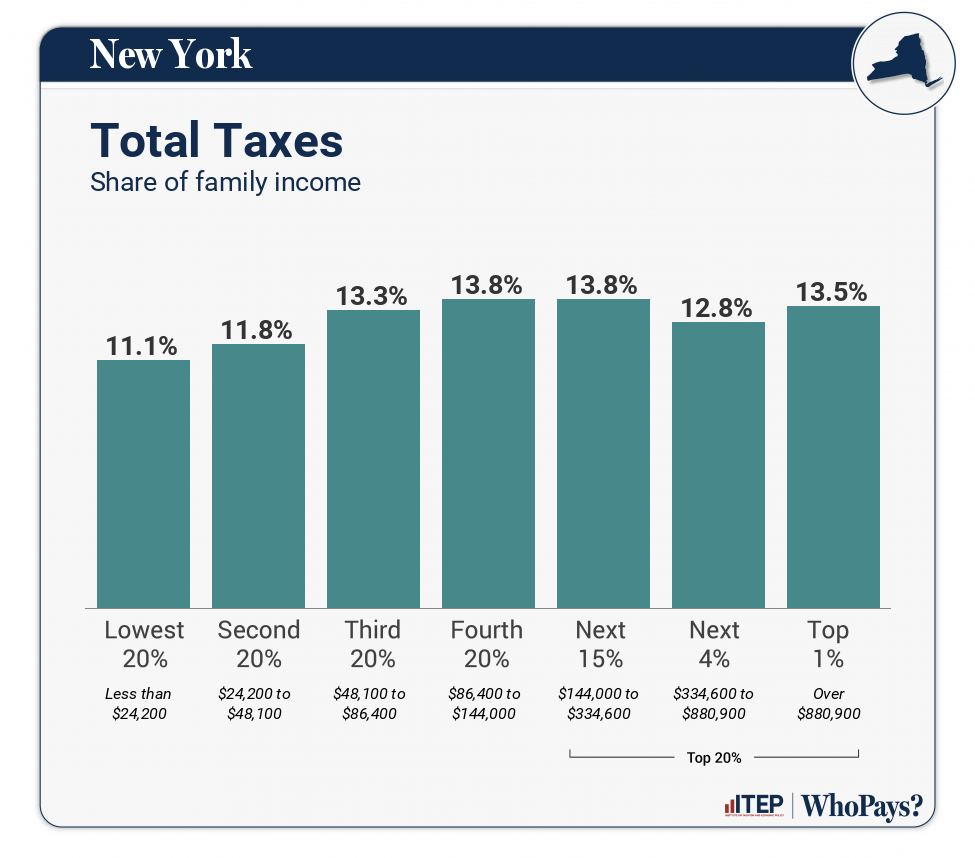
New York levies a progressive income tax system, meaning that higher earners are subject to higher tax rates. This system applies to both resident and non-resident individuals who earn income within the state. The tax is administered by the New York State Department of Taxation and Finance. Understanding who is considered a resident for tax purposes is the first critical step. Generally, an individual is a resident of New York if they are domiciled in the state and maintain a permanent place of abode there, or if they are a statutory resident. A statutory resident is someone who spends more than 183 days in New York during the tax year and has a permanent place of abode in the state.
Resident vs. Non-Resident Taxation
The distinction between a resident and a non-resident has significant implications for tax liability.
Resident Tax Obligations
Residents of New York are taxed on their worldwide income, regardless of where it is earned. This includes wages, salaries, bonuses, business income, capital gains, interest, dividends, and any other form of income. This broad scope of taxation is a common feature of state income taxes for residents and is designed to ensure all income generated by an individual is subject to New York‘s tax rates.
Non-Resident Tax Obligations
Non-residents are taxed only on income derived from New York sources. This typically includes income from employment performed within the state, business conducted in New York, or income from intangible property with a business situs in New York. For instance, if a tourist from California were to perform freelance work while staying at the Grand Hyatt Hotel in New York City, the income earned for that specific work performed within the state would likely be considered New York source income and thus taxable. However, passive income like dividends from stocks held in a brokerage account outside New York would generally not be subject to New York tax for a non-resident.
Tax Rates and Brackets
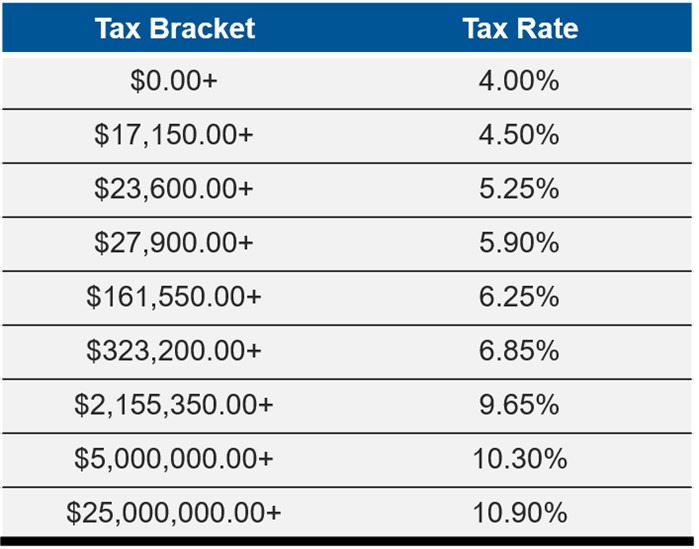
New York‘s income tax rates range from 4% to 10.9% for the highest earners, with different brackets applying to various income levels. These rates are subject to change and are updated annually by the New York State Department of Taxation and Finance. The progressive nature of the tax means that as your income increases, a larger percentage of that income is taxed, but only for the portion falling into the higher brackets. This contrasts with a flat tax system where a single rate applies to all income.
Key Components of New York Income Tax Filing
Filing New York income tax involves understanding various forms, deductions, credits, and special considerations, especially for those working in or visiting New York City.
Understanding Tax Forms and Deadlines
The primary form for individual income tax in New York is the IT-201, Resident Income Tax Return. Non-residents typically use the IT-203, Non-Resident and Part-Year Resident Income Tax Return. These forms require detailed reporting of income, deductions, and credits. The filing deadline for most individuals is April 15th of each year, mirroring the federal tax deadline. Extensions are available, but tax payments are still due by the original deadline.
Deductions and Credits
New York offers various deductions and credits to reduce an individual’s tax liability. These can include deductions for:
- Federal Income Tax Deduction: A portion of federal income tax paid can be deducted.
- Medical Expenses: Unreimbursed medical expenses exceeding a certain percentage of New York Adjusted Gross Income may be deductible.
- Student Loan Interest: Similar to federal law, interest paid on qualified student loans can be deducted.
- Certain Retirement Contributions: Contributions to specific retirement plans may be deductible.
Common tax credits include:
- Child and Dependent Care Credit: For eligible expenses related to care for a qualifying child or dependent.
- Earned Income Tax Credit: For low-to-moderate-income working individuals and families.
- Property Tax Relief Credit: For homeowners and renters who pay property taxes.
New York City and Yonkers Tax Surcharges
In addition to New York State income tax, residents and part-year residents of New York City and the city of Yonkers are subject to additional local income taxes. These are levied by the respective cities and are calculated based on New York taxable income.
New York City Tax
New York City income tax is a significant factor for anyone living or working within the five boroughs. This local tax adds another layer to the overall tax burden and is also progressive, with rates varying based on income levels. The rates for New York City tax are separate from, but often calculated in conjunction with, New York State tax. This means that a person living in Queens working in Manhattan will pay both state and city income tax on their earnings.
Yonkers Tax
Similarly, residents of Yonkers are subject to a city tax. The Yonkers income tax rates are also progressive and are applied in addition to New York State income tax. Understanding these local surcharges is vital for accurate tax planning and filing for those residing in these specific areas.
Specific Considerations for Travelers and Short-Term Visitors
For most tourists visiting New York, the income tax implications are minimal to none. A typical visitor spending a week exploring attractions like Times Square, visiting museums such as the Metropolitan Museum of Art, or dining at world-class restaurants will not encounter any New York income tax obligations. Their spending primarily falls under sales tax, which applies to goods and services.
Income-Generating Activities for Visitors
However, if a visitor engages in any income-generating activities while in New York, they may become subject to tax. This could include:
- Performing Work Remotely: While often a gray area, if a non-resident performs substantial work for a New York-based company while physically in New York, it could be considered New York source income. The specifics can be complex and depend on the nature of the work and the agreements in place.
- Business Activities: If a visitor is in New York for business purposes that generate income for them or their company within the state, they may have tax liabilities. This is particularly true for individuals who might be scouting potential business locations or meeting with clients.
- Short-Term Rental Income: While not directly income tax, if a visitor owns property in New York and rents it out for short periods (e.g., via Airbnb), they will have income and potentially tax implications to consider, even if they are not a resident.
When to Seek Professional Advice
The complexities of New York income tax, especially when considering cross-border issues or unusual income sources, can be daunting. For individuals with significant income, complex financial situations, or those who are non-residents with New York source income, consulting with a qualified tax professional is highly recommended. They can provide personalized advice and ensure compliance with all state and local tax laws, whether you are planning a short trip to the Empire State Building or considering a more permanent relocation.
Business and Investment Income in New York
Beyond individual income tax, New York also imposes taxes on business and investment income, which can affect those looking to invest or operate a business within the state.
Corporate Income Tax
Businesses operating in New York are subject to corporate income tax. The rates vary depending on the type of business and its revenue. This tax applies to net income derived from New York sources. For multinational corporations with operations in New York, understanding these corporate tax laws is paramount for profitable operations.
Unincorporated Business Tax (UBT)
New York City imposes an Unincorporated Business Tax (UBT) on individuals and businesses engaged in unincorporated trades, businesses, or professions carried on within the city. This tax applies to net earnings from New York City sources. It is a separate tax from New York State income tax and New York City income tax.
Estimated Tax Payments
Both individuals and businesses that expect to owe New York tax are generally required to make estimated tax payments throughout the year. This applies if you expect to owe more than a certain amount in tax. Failure to make timely estimated tax payments can result in penalties and interest. This is an important consideration for individuals with fluctuating income, such as freelancers or those with significant investment gains.
Staying Compliant with New York Tax Laws
Navigating New York‘s tax landscape requires diligence and an understanding of the rules. Whether you are a long-term resident, a business owner, or a visitor with specific income-generating activities, staying informed is key.
Resources for Tax Information
The New York State Department of Taxation and Finance provides extensive resources on its website, including tax forms, publications, and FAQs. For New York City specific taxes, the New York City Department of Finance offers similar resources. These official sources are the most reliable places to find up-to-date information on tax rates, laws, and filing requirements.
The Importance of Accurate Record Keeping
Maintaining accurate records of income, expenses, deductions, and credits is fundamental to proper tax filing. This is true for both individuals and businesses. Good record-keeping not only simplifies the tax preparation process but also provides essential documentation in the event of an audit. For those who might be staying in vacation rentals or making significant business trips, meticulously documenting all related expenses can lead to legitimate deductions.

Future Changes and Considerations
New York tax laws are subject to change. Legislative updates and economic conditions can influence tax rates, deductions, and credits. It is advisable to stay informed about any potential changes that might affect your tax obligations. For instance, changes in tax policy could impact the attractiveness of New York as a place for businesses to operate or for individuals to establish residency, influencing decisions about longer stays or investment in the state beyond short visits to iconic spots like the Brooklyn Bridge.
LifeOutOfTheBox is a participant in the Amazon Services LLC Associates Program, an affiliate advertising program designed to provide a means for sites to earn advertising fees by advertising and linking to Amazon.com. Amazon, the Amazon logo, AmazonSupply, and the AmazonSupply logo are trademarks of Amazon.com, Inc. or its affiliates. As an Amazon Associate we earn affiliate commissions from qualifying purchases.