
The name “New York” evokes a powerful image: a bustling metropolis, a global hub of finance, culture, and innovation, and a legendary destination for millions of travelers. But before the skyscrapers pierced the clouds and the iconic yellow cabs navigated its avenues, the land that would become this titan of a city had a different name, and its modern moniker carries a rich historical weight, tracing its origins back across the Atlantic to a significant figure in English history. The story of how New York came to bear its name is a fascinating journey through colonial ambitions, royal decrees, and the shifting tides of power between European nations.

The Dutch Origins: From New Amsterdam to Fort Orange
Long before the English laid claim to the region, the area that is now New York was a crucial part of the Dutch colonial enterprise in North America. The Dutch West India Company, established in the early 17th century, envisioned a vast trading empire, and its ambitions extended to the fertile lands and strategic waterways of the Hudson River valley.
Establishing New Netherland
The Dutch established a presence in the region starting in 1614 with the construction of Fort Nassau near present-day Albany. This early outpost was primarily a fur trading post, designed to secure the lucrative beaver pelt trade with the native Lenape people. However, the Dutch soon recognized the strategic importance of the island of Manhattan, situated at the mouth of the Hudson River.
In 1624, the Dutch West India Company officially established the colony of New Netherland, with its administrative center at the southern tip of Manhattan. This settlement was christened New Amsterdam (Nieuw Amsterdam), a clear nod to the most important city in their homeland. The purchase of Manhattan Island from the local tribes, famously for goods valued at 60 Dutch guilders (a transaction often mythologized as $24), marked a significant step in solidifying the Dutch presence. New Amsterdam quickly grew into a thriving port and a diverse settlement, attracting people from various European backgrounds, as well as enslaved Africans.
The Strategic Importance of the Hudson River
The Hudson River was the lifeblood of New Netherland, providing access to the interior for trade and settlement. Fort Orange, established further north on the river, served as another key trading post and administrative center. The Dutch envisioned New Netherland as a vital link in their global network, connecting their European trade routes with the vast resources of North America. However, their hold on this strategically vital territory would soon face a formidable challenge from a rival European power.
The English Conquest and the Birth of New York
The mid-17th century was a period of intense colonial competition, and the prosperous Dutch colony of New Netherland, with its lucrative trade and strategic location, became an attractive target for the burgeoning English empire. The Anglo-Dutch Wars, a series of conflicts fought for dominance over trade and naval power, provided the backdrop for this pivotal shift in control.
The Grant to the Duke of York
In 1664, King Charles II of England, seeking to expand his own colonial holdings and curb Dutch influence in North America, granted a vast tract of land to his brother, James, the Duke of York and Albany. This land encompassed the existing Dutch colony of New Netherland, along with territories that would become parts of present-day New Jersey, Connecticut, and parts of Delaware and Pennsylvania. The royal charter specifically named this territory “New York,” in honor of the Duke.
The Bloodless Takeover
With the royal decree in hand, an English fleet arrived in New York Harbor in August 1664, demanding the surrender of New Amsterdam. The Dutch Governor, Peter Stuyvesant, initially defiant, found himself in a precarious position. His colony was poorly defended, and the inhabitants, a diverse mix of Dutch, German, French, and other nationalities, were not unified in their desire for conflict. Facing the overwhelming might of the English fleet and with little prospect of reinforcement from the Netherlands, Governor Stuyvesant ultimately surrendered New Amsterdam without a shot being fired. The English took possession of the city on September 8, 1664.
Renaming and Reorganization

Following the surrender, the city of New Amsterdam was officially renamed New York City and the colony of New Netherland became the Province of New York. The Duke of York, soon to ascend to the throne as King James II, now held dominion over this significant North American territory. While the English took political control, many of the Dutch residents remained, and their influence on the region’s culture, architecture, and place names would persist for generations, a testament to the colony’s enduring legacy.
The Legacy of the Duke of York
The individual for whom New York is named, James, the Duke of York, played a significant role in English history, though his reign as king was tumultuous. His connection to the colony cemented his name in the annals of American geography, linking the city and state to the English monarchy.
James, Duke of York
Born in 1633, James was the second surviving son of King Charles I. He was a naval commander and held various important positions within the English government. In 1664, his brother, King Charles II, bestowed upon him the proprietary rights to the newly acquired English territories in North America. This grant was a significant political and economic move, solidifying English claims and providing James with substantial personal wealth and influence. The name “New York” was chosen as a direct tribute to his ducal title.
Royal Patronage and Colonial Development
As the proprietor of New York, the Duke of York oversaw its initial administration and development under English rule. He was instrumental in establishing the governance structure and territorial boundaries of the province. The success of the colony was of personal interest to him, and its namesake city would grow to become a vital hub for trade, commerce, and culture within the expanding British Empire. While he was not directly involved in the day-to-day management of the colony from afar, his royal patronage and the very act of naming the territory after himself ensured his enduring legacy.
A King’s Tumultuous Reign
James ascended to the throne as King James II in 1685. However, his reign was marked by religious and political controversy. His Catholicism and attempts to promote it led to widespread opposition, culminating in the Glorious Revolution of 1688, which saw him deposed and replaced by his Protestant daughter Mary and her husband William of Orange. Despite his short and controversial kingship, the name he helped bestow upon the American colony endured, forever linking his aristocratic title to one of the world’s most iconic locations. The city that grew from his namesake province would eventually overshadow any notoriety he gained as a monarch, becoming a symbol of aspiration and opportunity for people across the globe.
Enduring Nods to the Past
Though the name “New York” is firmly established, echoes of its Dutch past and the history of its English namesake can still be found throughout the state and city, interwoven into the very fabric of its identity. These subtle reminders offer a glimpse into the rich and complex history that shaped this influential region.
Lingering Dutch Influence
Even after the English takeover, the Dutch community in New York remained significant. This influence is most evident in place names, many of which are direct translations or adaptations of Dutch originals. For instance, Brooklyn, a major borough of New York City, derives its name from the Dutch town of Breukelen. Harlem, another prominent neighborhood, was named after the Dutch city of Haarlem. Numerous streets, towns, and geographical features across New York State also bear Dutch origins, such as the Wallkill River, Kinderhook, and the village of Kinderhook, which was named after the Dutch word for “Children’s Corner.” These linguistic remnants are a constant reminder of the colony’s foundational years under Dutch rule.
Aristocratic and Royal Connections
The legacy of the Duke of York is most directly represented by the name itself. However, other connections to English aristocracy and the broader colonial history exist. For example, the city of Albany, the state capital, was originally named Fort Orange by the Dutch and later renamed Albany in honor of James’s Scottish ducal title, the Duke of Albany. The very structure of colonial governance, established under English rule, has left its mark on the legal and political systems of New York. The tradition of royal patronage, which led to the naming of the colony, reflects a broader pattern of European powers vying for control and influence in the New World.
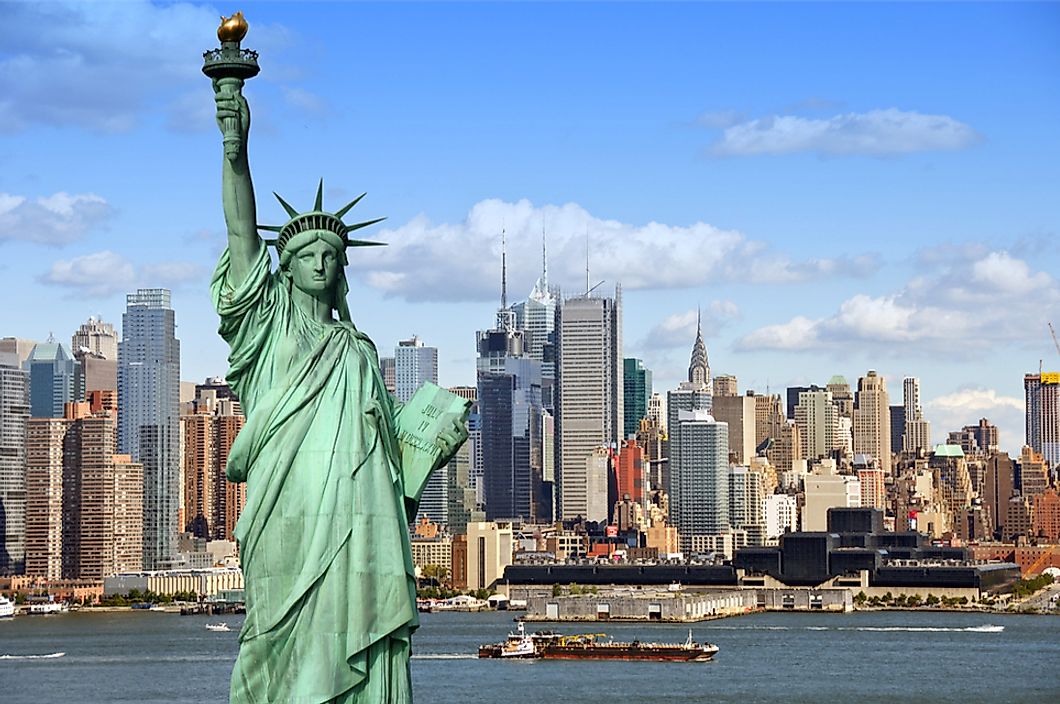
A City of Many Names, One Core Identity
Over its history, New York has acquired numerous nicknames, from “The Big Apple” to “The City That Never Sleeps.” These monikers speak to its dynamism and multifaceted character. Yet, at its core, the name “New York” remains a powerful historical marker, a testament to the ambitions of a distant European duke and the Dutch settlers who first laid the foundations for what would become a global phenomenon. Understanding the origins of its name provides a deeper appreciation for the layers of history that have contributed to the unique identity of New York, a place that continues to capture the imagination of the world.
LifeOutOfTheBox is a participant in the Amazon Services LLC Associates Program, an affiliate advertising program designed to provide a means for sites to earn advertising fees by advertising and linking to Amazon.com. Amazon, the Amazon logo, AmazonSupply, and the AmazonSupply logo are trademarks of Amazon.com, Inc. or its affiliates. As an Amazon Associate we earn affiliate commissions from qualifying purchases.