
Embarking on a journey to the Empire State, whether for the dazzling lights of New York City, the serene landscapes of the Adirondacks, or the historic charm of Albany, promises an unforgettable experience. As you plan your itinerary, from securing the perfect hotel to mapping out must-see attractions and indulging in local cuisine, understanding the local financial landscape is as crucial as packing the right shoes. A key element of this landscape, often overlooked until the bill arrives, is the sales tax rate. New York State operates with a multi-layered sales tax system that can vary significantly depending on your specific destination within the state, impacting everything from your souvenir shopping to your nightly accommodation.
For travelers and tourism enthusiasts, navigating these nuances is essential for effective budgeting and avoiding unwelcome surprises. This comprehensive guide aims to demystify the New York sales tax, offering clarity on the statewide base rate, local variations, and specific considerations for common travel expenses like hotel stays, dining, and retail purchases. By the end, you’ll be equipped with the knowledge to manage your finances more efficiently, allowing you to focus on the truly important aspects of your trip: creating lasting memories and experiencing all the wonders New York has to offer. Whether you’re a luxury traveler planning a stay at a premium resort or a budget-conscious adventurer exploring quaint towns, understanding sales tax is a fundamental aspect of smart lifestyle travel in the state.
Understanding New York State’s Sales Tax Structure
At its core, the New York sales tax system is designed to fund various public services across the state. While there’s a foundational statewide rate, the complexity arises from the additional taxes levied by counties and cities. This means that the total sales tax you pay can fluctuate from one region to another, making it crucial to be aware of your specific location.
The Statewide Base Rate
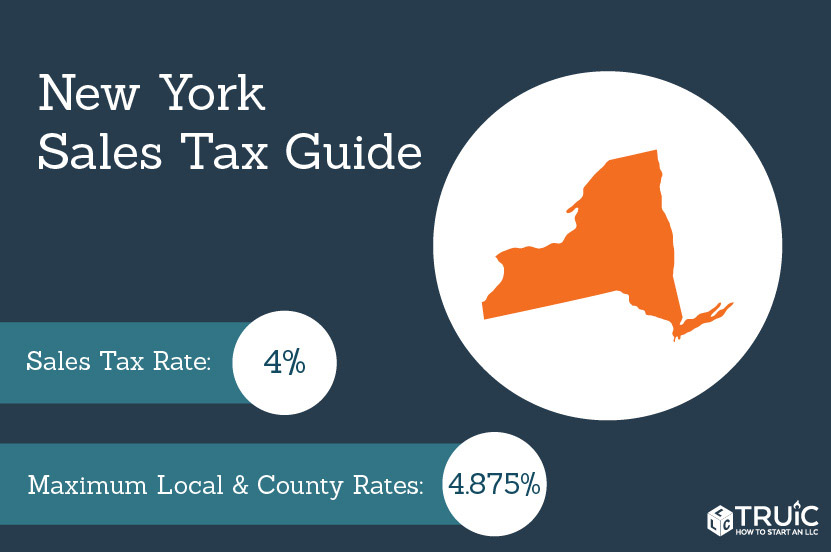
The cornerstone of the New York sales tax system is the statewide sales and use tax rate, which stands at 4%. This rate applies uniformly across all counties in the state, forming the minimum sales tax base for most taxable goods and services. However, it’s rare to pay only this 4%, as most localities impose their own additional taxes on top of the state rate. This 4% is just the starting point, and for many, especially those venturing into popular destinations like New York City, the final percentage will be considerably higher. This combined approach allows local governments to generate revenue for their specific needs, contributing to the diverse public services and infrastructure that enhance your travel experience.
Local Sales Tax Variations: A Deeper Dive
The real complexity, and where travelers need to pay close attention, comes from the local sales taxes. Each county in New York State has the authority to impose its own sales tax, which is added to the 4% state rate. Furthermore, some cities within those counties can levy an additional tax. This tiered system means that the combined sales tax rate can vary significantly across different parts of the state.
For instance, while a visitor to Buffalo might encounter a different combined rate than someone exploring Syracuse or the Hamptons, the most notable variation for many tourists is in New York City. The five boroughs – Manhattan, Brooklyn, Queens, the Bronx, and Staten Island – fall under New York City tax jurisdiction, which imposes a local sales tax rate of 4.5%. Additionally, a Metropolitan Commuter Transportation District (MCTD) surcharge of 0.375% is applied to sales in the city. When you combine these with the 4% statewide rate, the total sales tax rate in New York City becomes 8.875%. This is a significant figure that can add up quickly, especially on larger purchases or extended stays.
It’s also worth noting that some counties have an additional “hotel occupancy tax” or “lodging tax” that is separate from the general sales tax and specifically applies to temporary accommodation. This is particularly relevant for those planning extended stays or booking resorts and suites. Always verify the specific rates for your chosen destination to ensure accurate budgeting, whether you’re staying in a boutique hotel in Greenwich Village or a sprawling resort upstate.
Sales Tax Impact on Your New York Travel Budget
For anyone planning a trip to New York, understanding where and how sales tax applies is fundamental to smart budgeting. It affects virtually every aspect of a traveler’s spending, from where you lay your head at night to the souvenirs you bring home.
Accommodation and Lodging Taxes
One of the most significant expenses for any traveler is accommodation. In New York, the sales tax applies to most hotel rooms, motels, apartments booked for short-term stays, and other forms of temporary lodging. In New York City, in addition to the standard 8.875% sales tax, there’s a separate 5.875% occupancy tax on hotel rooms, plus an additional flat fee of $1.50 per room per night. This means that a hotel room in New York City could incur a combined tax rate of over 14% plus the flat fee.
For a luxury hotel or a prolonged stay, these taxes can add a substantial amount to your total bill. For example, a $300 per night hotel room in New York City would incur approximately $44.25 in sales and occupancy taxes, plus the $1.50 fee, bringing the nightly tax total to almost $46. This is a critical consideration for both budget travel and luxury travel planning. When booking accommodation, always check the “total price” breakdown to see if taxes are included or added separately, as they often are. Websites like Booking.com or Expedia usually display these details before final confirmation, making comparison easy.
Dining, Food, and Beverage
Exploring New York’s vibrant food scene is a highlight for many visitors. From Michelin-starred restaurants in Manhattan to charming cafes in Upstate New York and delicious street food vendors, culinary experiences abound. The application of sales tax on food and beverages can be a bit nuanced.
Generally, all prepared food and drinks sold by restaurants, cafes, food trucks, and other establishments for immediate consumption are subject to the full sales tax rate of the locality. So, that gourmet pizza in Brooklyn, the classic New York bagel, or a fine dining experience near Times Square will have the 8.875% tax added in New York City, or the respective combined rate elsewhere. Alcoholic beverages served in bars and restaurants are also subject to this sales tax.
However, certain groceries and staple food items intended for home preparation are often exempt from sales tax. This means if you buy ingredients from a supermarket to cook in an apartment rental with a kitchen, those purchases are typically tax-free. Be mindful that even in supermarkets, prepared foods like hot rotisserie chickens, deli sandwiches, or pre-made salads might still be taxed as “prepared food.” Understanding this distinction can help budget-conscious travelers save money on meals, especially those on long-term stays or family trips.
Shopping for Souvenirs and Essentials
Shopping is an integral part of the New York experience, from high-end fashion on Fifth Avenue to unique finds in SoHo boutiques. Most retail purchases are subject to sales tax. This includes clothing, electronics, souvenirs, books, and other tangible personal property.
A notable exemption exists for clothing and footwear. In New York State, individual items of clothing and footwear sold for less than $110 are exempt from the 4% state sales tax and most local sales taxes. This means that if you buy a shirt for $100, you likely won’t pay state or local sales tax on it. However, in New York City specifically, while the $110 exemption applies to the 4% state tax, the city’s 4.5% local tax and the 0.375% MCTD surcharge still apply to all clothing and footwear purchases, regardless of price. So, even on an item under $110, you’ll still pay 4.875% in New York City. If an item of clothing or footwear costs $110 or more, the entire purchase price is subject to the full combined sales tax rate (e.g., 8.875% in New York City). This specific rule can significantly impact your budgeting for fashion-focused shopping sprees.
Other purchases like electronics, jewelry, and non-clothing souvenirs will always be subject to the full combined sales tax rate of the location where the purchase is made. Therefore, if you’re buying a new gadget from a store near Grand Central Terminal, expect the 8.875% rate to apply.
Experiences and Attractions
New York is synonymous with incredible experiences, from world-class Broadway shows to iconic museums and thrilling attractions. Generally, admission fees to many cultural landmarks and attractions are not subject to sales tax. For instance, tickets to the Metropolitan Museum of Art or a ride up the Empire State Building often do not have sales tax added to the advertised price.
However, certain services or entertainment events can be taxable. Tickets for live performances, concerts, or sporting events might include sales tax, depending on the specific venue and nature of the event. It’s always best to check the pricing breakdown when purchasing tickets online or at the box office. Additionally, any merchandise purchased at these venues, such as a souvenir program at a Broadway show or a t-shirt at a Yankees game, will be subject to the standard sales tax rate. Guided tours can also fall into a grey area; some might be considered services and thus taxable, while others, particularly educational or cultural tours, might be exempt. When booking experiences, always confirm the final price including any taxes or fees.
Practical Tips for Navigating New York Sales Tax
Being prepared for New York’s sales tax intricacies doesn’t have to be daunting. With a few smart strategies, you can effectively manage your travel budget and avoid unexpected costs, enhancing your overall experience.
- Always Ask for the “All-In” Price: When inquiring about prices for hotel rooms, rental cars, or other significant purchases, specifically ask for the “total price including all taxes and fees.” This ensures you get an accurate figure upfront, especially with accommodation where occupancy taxes can be substantial. Online booking platforms typically show this, but direct inquiries are always wise.
- Budgeting for Tax: Factor sales tax into your daily spending estimates. If you plan to spend $100 on shopping or dining in New York City, allocate an additional $9 (approximately 8.875%) for tax. This simple mental adjustment can prevent overspending and keep your budget on track.
- Leverage Clothing & Footwear Exemption (Carefully): If you’re planning to buy multiple items of clothing or footwear, consider purchasing individual items that are less than $110 to avoid the state portion of the sales tax. Remember, the New York City local sales tax (4.875%) will still apply regardless of the price. If an item is exactly $110 or more, the full combined sales tax will be applied to the entire price. Plan your purchases strategically, especially if you’re a fashion enthusiast visiting flagship stores on Fifth Avenue or looking for designer goods.
- Dining Smart: For budget-conscious travelers, combining some meals bought tax-free from grocery stores with restaurant visits can offer significant savings. If your accommodation includes a kitchenette, this is an excellent opportunity to save on taxed prepared foods. Look for apartments or villas that offer these amenities for a more cost-effective trip.
- Check Local Rates Outside NYC: While New York City has the most prominent additional taxes, remember that combined sales tax rates vary across the state. If your travel plans take you to Niagara Falls, Lake Placid, or the Finger Lakes, quickly check the prevailing sales tax rate for that county. A quick online search for “[county name] sales tax rate [year]” will usually provide up-to-date information.
- Understand Service Charges vs. Tax: Be aware that some establishments, particularly restaurants, might add an automatic “service charge” to your bill, especially for larger parties. This is different from sales tax and is usually a gratuity. Always check your bill carefully to distinguish between sales tax, service charges, and any other fees.
Beyond the Basics: Exemptions and Special Considerations
While the general rules cover most transactions, New York sales tax has several nuances and exemptions that are worth noting, especially for specific types of purchases or activities.
One significant area of exemption, as mentioned, is basic groceries. Most unprepared food items purchased at grocery stores, such as fresh produce, meat, dairy, and packaged goods, are exempt from sales tax. This exemption is primarily aimed at not burdening household necessities with additional taxes. However, items like soft drinks, candy, and generally any item considered a “snack” or “prepared food” can still be taxed.
Prescription drugs and most medical services are also exempt from sales tax, ensuring that essential healthcare is not made more expensive by taxation. This is generally consistent across most U.S. states.
For those interested in the arts and culture, admission to certain not-for-profit organizations’ events or facilities can also be exempt. For example, some small museums or art galleries that operate as non-profits might not charge sales tax on admission, though their gift shops would typically tax merchandise. It’s always good practice to check with individual attractions or landmarks if you are unsure.
Magazine and newspaper subscriptions are generally exempt, recognizing their role in information dissemination. However, individual copies bought from a newsstand would be taxed.
For business travelers, specific rules apply for goods and services purchased for business use. Some purchases might be tax-exempt if you provide a valid resale certificate or demonstrate the goods are for production purposes. While this usually applies more to businesses operating within New York, it’s a detail worth noting for those traveling on company expense accounts or attending conferences.
Lastly, travelers purchasing items to be shipped out of state may, in some instances, be able to avoid New York sales tax if the vendor directly ships the item to an out-of-state address. This can be particularly beneficial for significant purchases like artwork or furniture. Always confirm this policy with the retailer at the time of purchase.
In conclusion, while the New York sales tax system might seem intricate at first glance, a little knowledge goes a long way. By understanding the statewide base rate, acknowledging local variations, particularly in New York City, and being aware of how tax applies to your specific purchases – from hotel stays and dining to shopping and attractions – you can plan a smoother, more financially sound travel experience. This informed approach to your New York adventure ensures that your focus remains on soaking in the rich culture, breathtaking landmarks, and unforgettable experiences that define this incredible state. Happy travels!
LifeOutOfTheBox is a participant in the Amazon Services LLC Associates Program, an affiliate advertising program designed to provide a means for sites to earn advertising fees by advertising and linking to Amazon.com. Amazon, the Amazon logo, AmazonSupply, and the AmazonSupply logo are trademarks of Amazon.com, Inc. or its affiliates. As an Amazon Associate we earn affiliate commissions from qualifying purchases.