
Navigating the financial intricacies of any destination can often feel like deciphering a complex map, and for travelers planning a trip to the bustling metropolis of New York, understanding its tax rates is a crucial part of the planning process. While the allure of New York lies in its iconic landmarks like the Empire State Building and Times Square, its vibrant culinary scene, and its world-class accommodations ranging from luxurious suites at places like the Plaza Hotel to budget-friendly apartments, the unseen element of taxation plays a significant role in the overall cost of a visit. This comprehensive guide aims to demystify the various tax rates applicable to visitors in New York, ensuring a more informed and financially predictable travel experience.
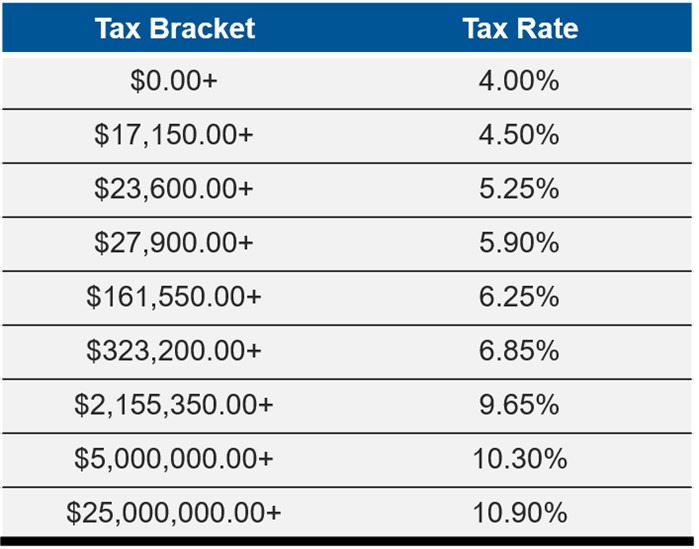
The tax landscape in New York, especially concerning tourists, primarily revolves around sales tax, hotel occupancy tax, and sometimes excise taxes on specific goods and services. These taxes are levied by different governmental bodies, including the state of New York and the City of New York, often leading to a combined rate that can significantly impact your spending on everything from souvenirs to your stay at a charming resort. Understanding these components is vital for anyone looking to experience the best of New York without encountering unexpected expenses. Whether you’re planning a romantic getaway, a family adventure, or a business stay, a clear grasp of these tax obligations will allow for more effective budgeting and a more enjoyable exploration of this magnificent city.
Understanding the Components of New York’s Tax Burden
When you venture into the vibrant tapestry of New York, it’s not just the admission fees to world-renowned museums like the Metropolitan Museum of Art or the cost of a Broadway show that contributes to your expenses. The inherent structure of taxation in New York means that various forms of tax will be applied to your purchases and accommodations. These taxes are not a monolithic entity but rather a collection of distinct levies, each with its own rate and application. For travelers, the most prominent of these are the general sales tax and the hotel occupancy tax.
New York Sales Tax: A Broad Reach
The New York state sales tax is a fundamental part of the consumer experience, applicable to a wide array of tangible goods and certain services. This tax is designed to generate revenue for the state and its municipalities. When you purchase souvenirs from a shop near Central Park, dine at a restaurant in Greenwich Village, or buy tickets for an attraction like the Statue of Liberty, the sales tax will be added to the sticker price.
State and Local Components
The overall sales tax rate in New York is a combination of the state sales tax and local additions, which can include city and county taxes. For instance, within the five boroughs of New York City, the combined state and local sales tax rate is one of the highest in the nation. This means that purchases made within New York City will typically carry a higher sales tax burden than those made in other parts of the state. The exact rate can vary slightly depending on the specific county and city within New York State, so it’s always wise to be aware of your precise location. For travelers focused on experiencing the urban core, understanding the New York City sales tax is particularly important.
Exemptions and Special Cases
While sales tax is broadly applied, there are some notable exemptions that can be beneficial for travelers. For example, groceries are generally exempt from sales tax, which can be a significant saving if you plan to prepare some of your own meals. Certain clothing and footwear items below a specific price threshold are also exempt. Additionally, for business travelers staying in New York for extended periods, understanding the nuances of long-term stay accommodation taxes is crucial, as different rules may apply. It’s also worth noting that some services, like professional services, may be subject to different tax treatments, but for most tourist-related purchases, the standard sales tax applies.
Hotel Occupancy Tax: The Cost of Staying in the City
Beyond the daily shopping and dining expenses, the cost of your accommodation in New York will also be subject to a specific tax: the hotel occupancy tax, also known as the room occupancy tax or lodging tax. This tax is levied on the rental of hotel rooms, apartments, villas, and other short-term lodging. This is a critical consideration for anyone booking a stay at a place like the Marriott Marquis or a quaint bed and breakfast.
State, City, and Metropolitan Commuter Transportation Districts
Similar to sales tax, the hotel occupancy tax in New York City is a multi-layered tax. It includes a state tax, a city tax, and often additional taxes related to metropolitan commuter transportation districts. The combined rate for hotel occupancy tax in New York City is substantial and is applied to the nightly rate of your hotel room. This tax is what helps fund various public services and infrastructure projects within the city and state. When comparing prices for accommodations, always look beyond the base rate to factor in this significant addition.
Impact on Accommodation Choices
The hotel occupancy tax can considerably influence the overall cost of your stay, particularly for longer trips or when opting for premium accommodations like suites or resorts. For budget-conscious travelers, understanding these rates might lead to exploring options in areas slightly outside the most central tourist zones or considering apartment rentals that might, in some cases, have different tax structures for longer durations. For those seeking luxury travel experiences, this tax is simply another component of the premium pricing, but its magnitude still warrants awareness. When planning a family trip or a business stay, the cumulative effect of this tax on multiple rooms or extended stays can be considerable.
Navigating Taxes for Different Visitor Types

The tax experience in New York can vary slightly depending on your purpose of visit and the nature of your expenditures. While the core tax rates remain consistent, the cumulative impact and specific considerations might differ for various traveler profiles, from the luxury seeker to the budget explorer.
The Luxury Traveler’s Perspective
For those indulging in the high-end lifestyle offerings of New York, the tax rates, while significant, are often factored into the overall premium experience. Stays at renowned hotels like the Ritz-Carlton New York, Central Park or exclusive resorts will come with both the sales tax on any purchases and the substantial hotel occupancy tax. This applies to designer shopping sprees in SoHo, fine dining experiences at Michelin-starred restaurants, and entrance fees to exclusive events or attractions. While the absolute dollar amount of tax paid might be higher due to more significant spending, the percentage remains constant. Luxury travelers often have the financial flexibility to absorb these costs, but awareness ensures no surprises. The focus for this demographic might be more on understanding potential tax benefits or credits if applicable, though for typical tourism, these are rare.
The Budget Traveler’s Strategy
Budget travelers, on the other hand, will find that taxes in New York represent a more substantial portion of their overall expenditure. Every dollar saved on accommodation or dining can be significantly impacted by the addition of sales and occupancy taxes. Strategies for budget travelers might include:
- Opting for accommodations outside prime tourist areas: While a hotel in the heart of Manhattan might offer unparalleled convenience, a slightly further out location, perhaps in areas of Queens or Brooklyn accessible by public transport, could offer lower accommodation rates and potentially slightly different tax structures (though the core New York City rates are largely uniform within the boroughs).
- Utilizing grocery stores and food trucks: Taking advantage of grocery tax exemptions by preparing some meals can lead to substantial savings. Food trucks, while subject to sales tax, often offer more affordable meal options than sit-down restaurants.
- Seeking free attractions: New York boasts numerous free activities, from walking across the Brooklyn Bridge to exploring Governor’s Island, minimizing sales tax exposure on entertainment.
- Careful souvenir shopping: Being mindful of sales tax on smaller purchases can add up. Prioritizing experiences over material goods can also be a budget-friendly approach.
The Business Traveler’s Considerations
Business travelers often have different priorities and expense structures. While personal leisure spending will still be subject to sales tax, corporate expense policies and potential reimbursements can alter the perceived impact of these taxes. The primary tax consideration for business travelers usually revolves around the hotel occupancy tax, especially for extended stays. Some businesses might have corporate accounts with hotels that already factor in taxes, or they may have specific policies regarding the types of accommodations and their associated costs, including taxes. For business meetings or conferences held in New York, understanding the tax implications on venue rentals or catered services might also be relevant.
Tips for Managing Your New York Tax Expenses
While taxes are an unavoidable aspect of visiting New York, there are practical strategies and considerations that can help travelers manage these expenses effectively and avoid any unpleasant surprises. Being informed is the first step towards efficient financial planning.
Factor Taxes into Your Budget Proactively
The most crucial tip is to proactively incorporate all applicable taxes into your travel budget. Don’t just estimate based on advertised prices for hotels or goods. When researching accommodations, look for the total estimated cost that includes sales tax and occupancy tax. Similarly, for dining and shopping, mentally add the sales tax percentage to your expected spending. Websites and booking platforms often provide a breakdown or an estimated total including taxes, which is invaluable. This foresight ensures that you won’t be caught off guard by a higher final bill, allowing for a more comfortable and less stressful trip.
Understand Tax Rates at the Point of Purchase
While the general sales tax rate in New York City is high, it’s good to be aware that specific areas within the state might have slightly different rates. Most point-of-sale systems will automatically calculate the correct tax, but if you’re making a large purchase or are in doubt, it doesn’t hurt to confirm the rate. For hotel stays, the rate is typically displayed on your invoice.
Leverage Tax-Exempt Opportunities
As mentioned, recognizing tax-exempt items like groceries can lead to significant savings, especially if you’re staying in an apartment with a kitchen. For travelers who enjoy exploring local food markets or preparing some of their own meals, this can make a noticeable difference. While not applicable to most tourists, it’s worth noting that certain organizations and individuals may be eligible for tax exemptions.
Consider the Timing of Your Visit
While not directly related to tax rates, the timing of your visit can influence the overall cost of your trip, which indirectly impacts how much tax you pay. Traveling during the off-season or shoulder seasons might lead to lower accommodation prices, and therefore, lower occupancy tax amounts. Furthermore, less crowded times might mean more opportunities to enjoy attractions without rushing, allowing for more deliberate spending decisions.
In conclusion, understanding the New York tax rate, encompassing sales tax and hotel occupancy tax, is an essential part of planning a trip to this iconic destination. By being aware of the different components, their applications, and by employing smart budgeting and shopping strategies, travelers can navigate the financial aspects of their visit with confidence, ensuring that their focus remains on experiencing the rich culture, breathtaking landmarks, and vibrant lifestyle that New York has to offer.
LifeOutOfTheBox is a participant in the Amazon Services LLC Associates Program, an affiliate advertising program designed to provide a means for sites to earn advertising fees by advertising and linking to Amazon.com. Amazon, the Amazon logo, AmazonSupply, and the AmazonSupply logo are trademarks of Amazon.com, Inc. or its affiliates. As an Amazon Associate we earn affiliate commissions from qualifying purchases.