
The hotel industry is a complex ecosystem, operating 24 hours a day, seven days a week. While guests experience the hospitality during daylight hours, a crucial, often unseen, operation takes place behind the scenes during the night. This is the domain of the night auditor. Far from simply being a late-night desk clerk, the night auditor plays an indispensable role in the financial and operational integrity of any hotel. This position is foundational to the smooth running of a hotel, ensuring that all financial transactions are accurately recorded, reconciled, and prepared for the morning. Understanding the night audit process offers valuable insight into the meticulous financial management that underpins the guest experience.

The Multifaceted Role of the Night Auditor
The night auditor’s responsibilities extend far beyond a standard front desk shift. They are essentially the hotel’s accountant for the overnight hours, tasked with a comprehensive review and processing of the day’s financial activities. This involves a blend of technical skills, attention to detail, and an understanding of hotel operations. Their work bridges the gap between daily guest interactions and the overarching financial health of the establishment.
Daily Financial Reconciliation
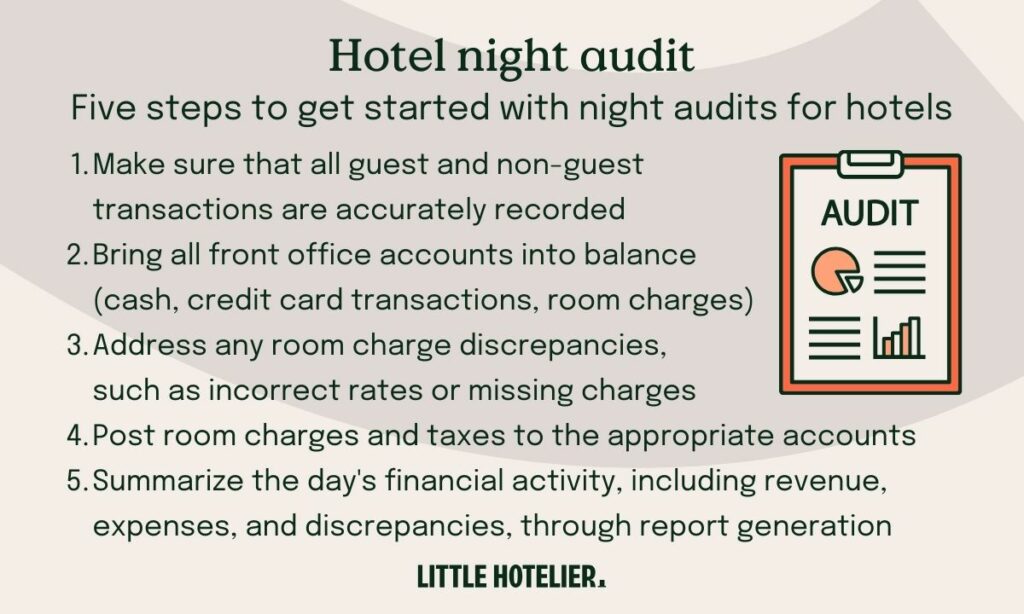
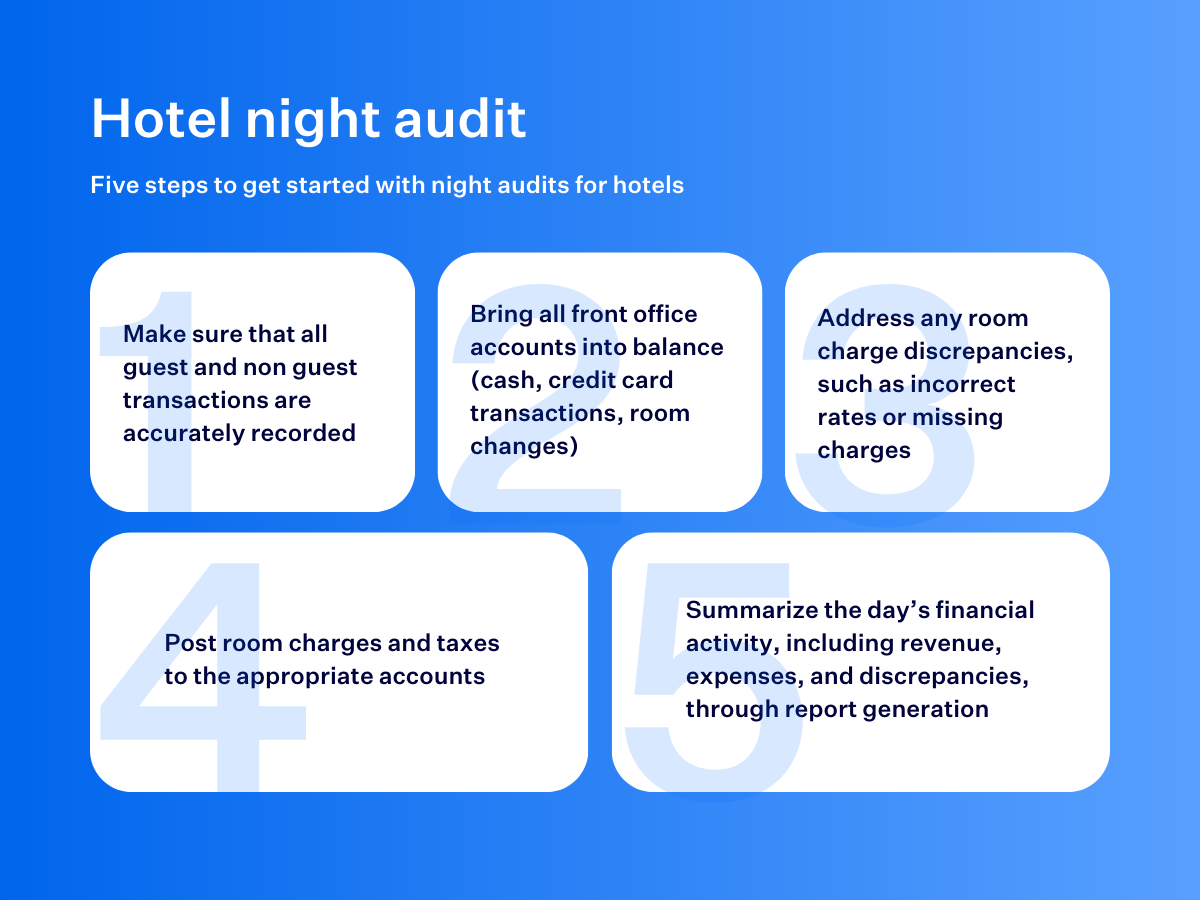
At its core, the night audit is about verifying the accuracy of all financial transactions that occurred during the previous operational day. This includes checking room charges, restaurant and bar bills, mini-bar consumption, and any other services provided to guests. The night auditor meticulously reviews the Property Management System (PMS) to ensure that all postings are correct and that no errors have been made.
- Guest Folio Verification: Each guest’s folio (an account of all charges incurred during their stay) is scrutinized. This ensures that all services, such as meals, spa treatments, or in-room movies, have been correctly billed. Any discrepancies or missing charges are identified and rectified.
- Departmental Reports: The auditor examines reports from various hotel departments, including food and beverage outlets, the gift shop, and the spa. These reports detail revenue generated and are cross-referenced with the PMS to confirm accurate aggregation.
- Credit Card and Payment Processing: A significant part of the reconciliation involves verifying all credit card transactions. This includes checking for authorization holds, ensuring that all charges have been processed correctly, and identifying any potential declines or chargebacks. Other payment methods, such as cash and direct billing, are also accounted for.
End-of-Day Procedures
The night auditor is responsible for formally closing out the business day. This involves a series of predefined steps within the hotel’s PMS that signify the end of one day’s financial cycle and the preparation for the next.
- Posting Room and Tax Charges: This is a critical step where all room rates and applicable taxes for the previous night are posted to each guest’s folio. This ensures that all guests are accurately charged for their stay.
- Generating Daily Reports: A suite of essential reports is generated at the end of each day, which the night auditor oversees. These include the daily revenue report, the room status report, and the occupancy report. These reports provide a snapshot of the hotel’s financial performance and operational status.
- Balancing the Cash Drawer: If the hotel handles cash transactions extensively, the night auditor will balance the cash drawer, ensuring that the physical cash on hand matches the recorded transactions. Any variances are investigated.
Preparing for the Next Day
The night auditor’s work isn’t just about reviewing the past; it’s also about setting the stage for the future. By completing their tasks accurately and efficiently, they ensure that the front desk team is well-equipped to handle the incoming day’s operations.
- Updating Room Status: Ensuring that room statuses are accurate (e.g., clean, dirty, occupied, vacant) is vital for housekeeping and the front desk to manage arrivals and departures effectively.
- Preparing for Arrivals and Departures: The night auditor may also prepare registration cards for expected arrivals and gather necessary information for anticipated departures, streamlining the check-in and check-out processes for the morning shift.
- Communicating with Management: Any significant issues, unusual transactions, or potential problems identified during the audit are reported to the hotel’s management team. This proactive communication allows for timely resolution and prevents larger issues from arising.
The Technology and Tools of the Trade
Modern hotel operations rely heavily on sophisticated technology, and the night audit is no exception. The Property Management System (PMS) is the central hub for all these activities, but other tools and systems also play a role.
The Property Management System (PMS)
The PMS is the backbone of hotel operations, integrating various functions from reservations and check-in to billing and housekeeping. For the night auditor, the PMS is the primary tool for accessing, reviewing, and processing financial data.
- Transaction Posting and Auditing: The PMS allows the night auditor to view all transactions, post charges, and identify any anomalies. Most systems have built-in audit trails that record every action taken, providing a transparent record of activity.
- Report Generation: As mentioned, the PMS is used to generate all the critical end-of-day financial and operational reports. The auditor must be proficient in navigating the system to extract the required information.
- System Updates and Backups: In some hotels, the night auditor may be responsible for ensuring that system backups are performed correctly or for initiating system updates during off-peak hours.
Other Supporting Technologies
Beyond the PMS, other technologies can be integrated into the night audit process.
- Point of Sale (POS) Systems: These systems are used in restaurants, bars, and other revenue centers. The night auditor needs to ensure that data from these POS systems is correctly transferred and reconciled with the PMS.
- Key Card Systems: While not directly financial, the status of key cards can impact room occupancy records, which are sometimes reviewed by the night auditor.
- Backup Power Systems: Hotels, especially larger ones like those found in tourist hotspots such as Orlando or Las Vegas, often have robust backup power systems to ensure continuity of operations. The night auditor might be responsible for verifying that these systems are functioning correctly, especially during power fluctuations.
The Importance of the Night Audit for Hotel Success
The night audit is more than just a procedural task; it is a critical control mechanism that underpins the financial health and operational efficiency of a hotel. Its accurate execution contributes significantly to the hotel’s profitability, guest satisfaction, and overall integrity.
Financial Accuracy and Control
The primary benefit of a rigorous night audit is the assurance of financial accuracy. By reconciling all transactions daily, potential errors, fraud, or theft are identified and addressed promptly, minimizing financial losses.
- Preventing Revenue Leakage: Unaccounted charges or incorrect postings can lead to revenue leakage. The night audit systematically identifies and corrects these issues, ensuring that the hotel captures all earned revenue.
- Compliance and Reporting: Accurate financial records are essential for tax purposes, internal audits, and reporting to ownership or management companies. The night audit provides the foundation for this compliance.
- Budgeting and Forecasting: Daily financial reports generated by the night audit are crucial inputs for budgeting and forecasting future revenue and expenses. This data helps management make informed decisions about pricing, staffing, and marketing strategies.
Operational Efficiency
A well-executed night audit directly impacts the efficiency of other hotel departments.
- Smooth Morning Operations: By preparing accurate reports and updating systems, the night auditor ensures that the morning front desk staff can handle check-ins and check-outs efficiently, leading to a better guest experience.
- Informed Decision-Making: Management receives timely and accurate financial data, allowing them to identify trends, monitor performance, and make strategic decisions quickly. For instance, understanding occupancy rates in popular destinations like the French Riviera can inform dynamic pricing.
- Housekeeping Coordination: Accurate room status reports are vital for the housekeeping department to plan their workload effectively, ensuring rooms are cleaned and ready for arriving guests.
Guest Experience
While the night auditor may not interact directly with many guests, their work profoundly impacts the guest experience.
- Accurate Billing: Guests expect their bills to be correct. The night audit minimizes billing errors, preventing frustration and disputes at check-out.
- Seamless Check-Out: When the front desk has accurate information readily available, check-out is a swift and pleasant process.
- Trust and Reliability: The overall perception of a hotel is enhanced when guests know that the operations are managed with precision and integrity, which is indirectly supported by the unseen diligence of the night audit. A well-run hotel, whether a luxury resort like The Ritz Paris or a boutique establishment, relies on such foundational processes.
The night audit is an indispensable pillar of hotel operations. It is a critical function that safeguards financial integrity, enhances operational efficiency, and ultimately contributes to a positive guest experience. The individuals who perform this role are the silent guardians of a hotel’s financial health, ensuring that every transaction is accounted for, and paving the way for a new day of service with meticulous care.
LifeOutOfTheBox is a participant in the Amazon Services LLC Associates Program, an affiliate advertising program designed to provide a means for sites to earn advertising fees by advertising and linking to Amazon.com. Amazon, the Amazon logo, AmazonSupply, and the AmazonSupply logo are trademarks of Amazon.com, Inc. or its affiliates. As an Amazon Associate we earn affiliate commissions from qualifying purchases.