
When planning a trip to the Sooner State, understanding the local economic landscape is essential for budget-conscious travelers. While many tourists focus on itinerary planning and booking their stays in Oklahoma City or Tulsa, the financial nuances of sales tax play a significant role in the overall cost of a visit. Whether you are grabbing a meal at a local diner, shopping for souvenirs in Bricktown, or paying for hotel accommodations, your receipt will look a bit different here than in other parts of the United States.
The Structure of Oklahoma Sales Tax
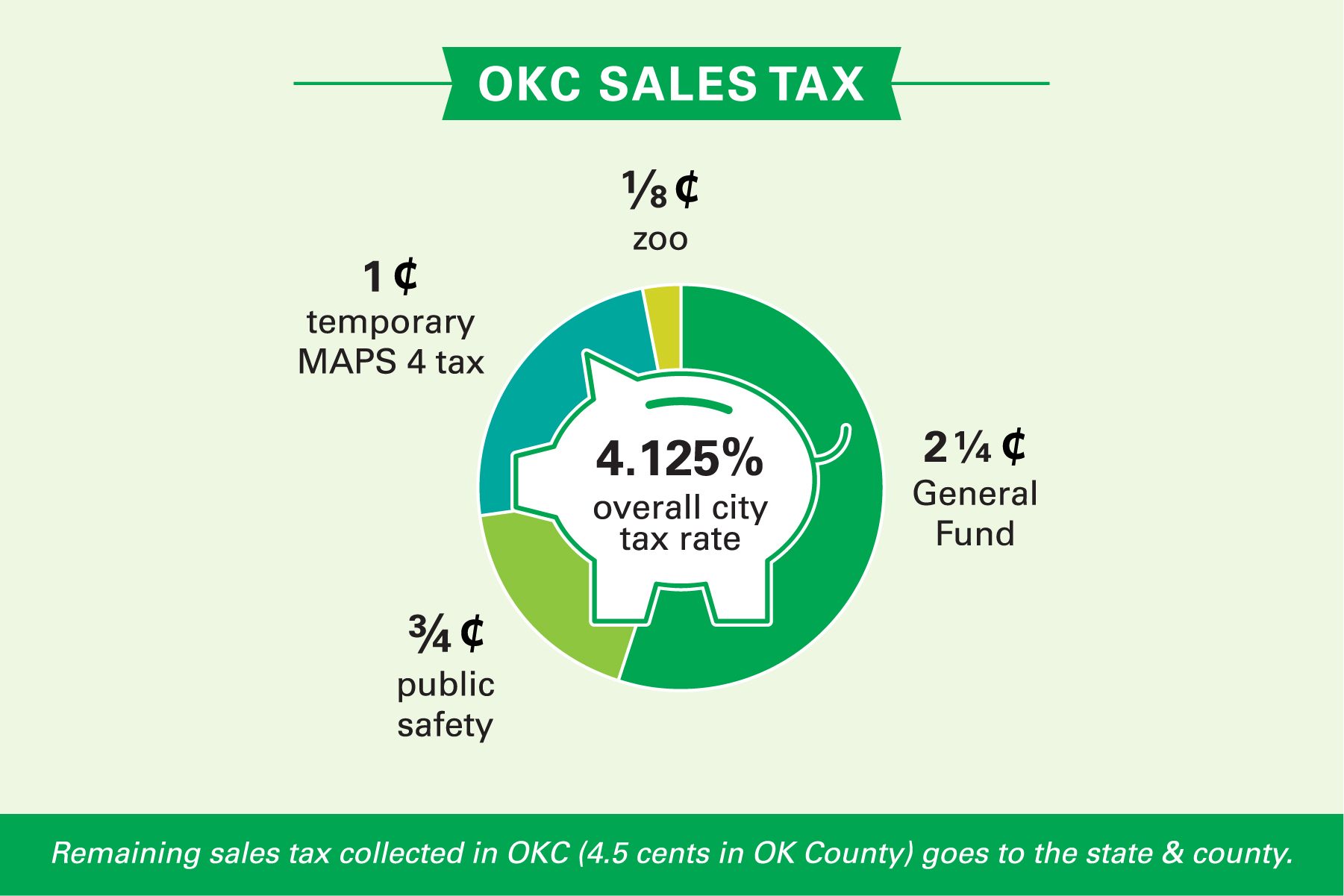
In Oklahoma, the sales tax system is a multi-layered framework. Unlike states that maintain a single, uniform tax rate, the total amount you pay at the register is a combination of state, county, and municipal levies.
The State Base Rate
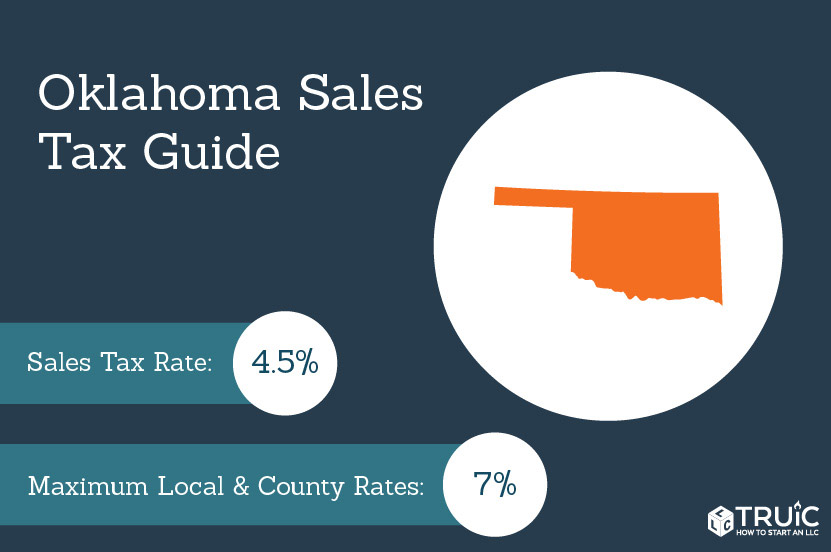
At the foundation, the state of Oklahoma imposes a flat sales tax rate of 4.5%. This is the baseline applied to the purchase of most tangible personal property and specific services throughout the state. Whether you are in the bustling metropolitan area of Norman or visiting the historic sites in Guthrie, this state portion remains consistent.
Local Jurisdictions and Add-ons
The real variance in your travel budget comes from local taxes. Cities and counties in Oklahoma are granted the authority to add their own sales tax rates on top of the state’s 4.5%. This is why you might notice that a coffee in Edmond costs slightly more in tax than the same coffee purchased in a more rural township. These local taxes are primarily used to fund public infrastructure, parks, and local tourism initiatives that make the state more attractive to visitors.
How Sales Tax Impacts Your Travel Budget
For the average tourist, sales tax is an unavoidable “hidden” cost that accumulates throughout the duration of a trip. Understanding how it applies to your specific travel expenses—from high-end dining to simple retail shopping—can help you better estimate your total expenditure.
Dining and Entertainment
When you sit down for a meal at a restaurant in the Arts District of Tulsa, the sales tax is applied to your bill just as it is for retail goods. It is important to remember that this tax is separate from the gratuity you choose to leave for your server. Because local municipalities often use hospitality taxes to fund the upkeep of tourist-heavy areas, dining in popular districts can sometimes carry a slightly higher local tax premium.
Lodging and Accommodations
Staying at a luxury resort in Broken Bow or a boutique hotel near the Oklahoma State Capitol involves more than just the base room rate. Beyond the standard state and city sales taxes, many destinations in Oklahoma also levy a “lodging tax” or “hotel tax.”
These specific taxes are designed to support the local tourism industry, funding everything from convention centers to seasonal festivals. When you book your room, it is wise to review the itemized breakdown of your bill to distinguish between the base room price, the mandatory sales tax, and any specific local hotel occupancy fees. These can add anywhere from 5% to 15% to your nightly total, depending on the municipality.
Shopping and Retail Considerations
Oklahoma offers a diverse retail experience, from the modern malls in Moore to the charming antique shops in historic downtowns. If you are planning a shopping trip, being aware of the tax landscape can impact your purchasing power.
Tangible Personal Property
Almost all retail goods—clothing, electronics, books, and souvenirs—are subject to the full combined sales tax rate. If you find yourself shopping in a city with a high local tax rate, you might pay upwards of 9% or 10% in total taxes on your purchase. This is common in many U.S. states, but for travelers coming from states with no sales tax, it can be a significant adjustment to the bottom line.
Exemptions and Tax-Free Scenarios
While there are few blanket exemptions for tourists, certain types of purchases may be treated differently. For instance, many grocery items are taxed, but there have been ongoing legislative efforts within the state to reduce the burden on essential food items. Additionally, non-profit organizations or specific bulk purchases might occasionally qualify for exemptions, though this rarely applies to the average recreational traveler.
Strategic Financial Planning for Your Trip
To keep your finances in check while exploring the diverse landscapes of Oklahoma, a few proactive steps can go a long way.
Budgeting for the “Plus Tax” Factor
When setting your daily budget for your trip—perhaps for a road trip along Route 66—do not calculate your expenses based solely on the sticker price. Always add a 10% buffer to your daily spending estimates. This covers the combined state and local taxes, ensuring you are not caught off guard when you reach the checkout counter at a souvenir shop or a restaurant in Lawton.
Comparing Local Costs
If you are planning an extended stay or a significant shopping spree, you may find that prices vary significantly between neighboring cities. For example, tax rates in the outskirts of Midwest City might differ from those in the downtown core of the capital. While you wouldn’t necessarily change your travel plans solely based on a 1% difference in sales tax, it is an interesting factor to consider if you are comparing accommodation prices in adjacent municipalities.
Understanding Digital Receipts and Online Bookings
Many travelers now book their activities, such as tickets to the National Cowboy and Western Heritage Museum, online. When you pay for these services in advance, the tax is automatically calculated based on the location of the service provider. Online platforms are required to collect the applicable state and local sales taxes, meaning you are contributing to the local economy regardless of whether you pay in person or digitally.
By staying informed about how taxes are structured in the destinations you visit, you gain more control over your travel budget. Oklahoma’s tax system is designed to sustain the infrastructure that supports the very attractions, hotels, and restaurants you come to enjoy. While it is an extra cost, it is also a direct contribution to the preservation and promotion of the unique cultural and historical sites found throughout the state. As you travel from the Wichita Mountains to the lively streets of the Plaza District, you can rest assured that your contribution helps keep these incredible locations vibrant and accessible for future travelers.
LifeOutOfTheBox is a participant in the Amazon Services LLC Associates Program, an affiliate advertising program designed to provide a means for sites to earn advertising fees by advertising and linking to Amazon.com. Amazon, the Amazon logo, AmazonSupply, and the AmazonSupply logo are trademarks of Amazon.com, Inc. or its affiliates. As an Amazon Associate we earn affiliate commissions from qualifying purchases.