
The culinary landscape of the world is a rich tapestry woven with threads of tradition, innovation, and cultural exchange. Few dishes exemplify this better than the humble yet iconic California Roll. More than just a sushi staple, it represents a pivotal moment in gastronomic history, a bridge between Eastern culinary artistry and Western tastes, and a testament to how food can travel, adapt, and ultimately thrive across continents. For travelers and food enthusiasts alike, understanding the California Roll isn’t just about listing ingredients; it’s about appreciating a story of adaptation, global appeal, and the seamless integration of diverse influences into our modern lifestyle.
The Iconic Introduction to Sushi: Unpacking the California Roll
For many, the California Roll was their very first foray into the enchanting world of sushi. Its gentle flavors, familiar textures, and ingenious “inside-out” construction made it approachable, demystifying a cuisine that once seemed exotic and intimidating. But what exactly is this groundbreaking roll, and why has it captured the palates of millions from Los Angeles to London, and even back to Tokyo?
A Culinary Bridge: Origins in the Golden State
The story of the California Roll begins not in Japan, the birthplace of sushi, but in the vibrant culinary scene of 1960s Los Angeles, California. While the exact origin is debated, two prominent figures are often credited with its invention: Chef Ichiro Mashita of the Tokyo Kaikan restaurant in Little Tokyo, Los Angeles, and Chef Hidekazu Tojo of Vancouver, Canada (who lays claim to inventing the “Tojo Roll,” a similar inside-out creation).
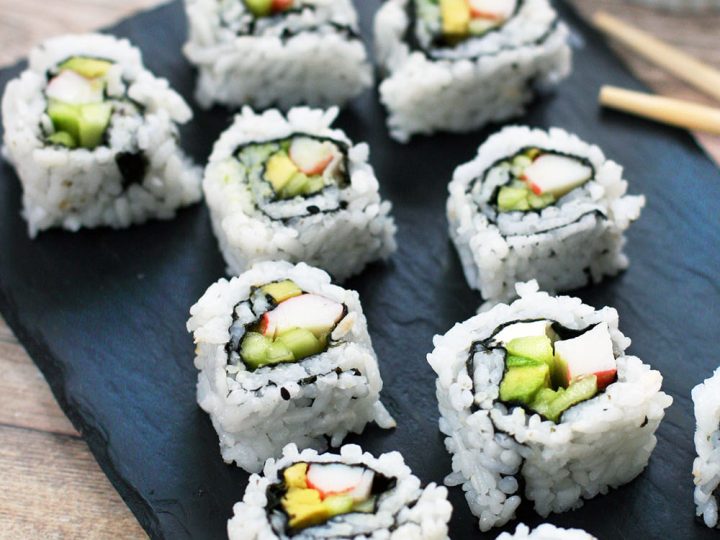
The prevailing narrative attributes the roll’s creation to Chef Mashita around 1966. Facing a shortage of fresh tuna, a staple for traditional sushi, and encountering a clientele hesitant about the traditional seaweed (nori) on the outside, he innovated. He substituted tuna with cooked crab meat (or imitation crab, known as krab), added creamy avocado and crisp cucumber, and critically, reversed the roll so the rice was on the outside. This innovation served multiple purposes: it made the roll visually appealing to Western diners who were unfamiliar with nori, and the avocado provided a fatty texture similar to tuna, appealing to American tastes. This brilliant adaptation not only solved a supply problem but also inadvertently opened the door for sushi to become a mainstream culinary phenomenon in the United States and beyond. The “inside-out” technique, known as uramaki in Japan, was a game-changer, making sushi less intimidating and more universally palatable.
Beyond the Basics: The Roll’s Enduring Appeal
The enduring appeal of the California Roll lies in its harmonious blend of flavors and textures, coupled with its approachability. It’s a dish that doesn’t demand a sophisticated palate but gently introduces one to the nuances of Japanese cuisine. The creaminess of avocado, the subtle sweetness of krab, the refreshing crunch of cucumber, and the delicate tang of seasoned sushi rice create a symphony of tastes that is both comforting and satisfying.
For many Westerners, the sight of raw fish was a significant barrier to trying sushi. The California Roll, with its cooked (or imitation) crab, removed this obstacle entirely. It became the gateway drug to sushi, encouraging diners to eventually explore more traditional nigiri and sashimi. Its versatility also allowed it to be a perfect fit for a variety of occasions – from a quick lunch on the go, a healthy office meal, to an appetizer at a fine-dining establishment. It is a prime example of culinary fusion done right, creating something entirely new yet respectful of its roots. Its presence on menus worldwide speaks volumes about its universal acceptance and its role in democratizing sushi.
Deconstructing the Classic: Core Ingredients and Their Significance
At its heart, the California Roll is a masterclass in simplicity and balance. Each ingredient plays a crucial role, contributing to the overall flavor, texture, and visual appeal that has made it a global favorite.
The Heart of the Roll: Krab, Avocado, and Cucumber
The triumvirate of krab, avocado, and cucumber forms the soul of the California Roll.
- Krab (Imitation Crab Meat): This is often the most misunderstood ingredient. Originally, Chef Mashita used snow crab or king crab. However, as the roll gained popularity, imitation crab meat, or krab, made from surimi (a paste made from finely pulverized white fish, usually pollock, that is then shaped and flavored to resemble crab meat), became the standard. Krab offers a sweet, slightly briny flavor and a flaky texture without the higher cost or potential allergies associated with real crab. Its mildness also makes it highly palatable to those new to seafood, blending seamlessly with the other components. For discerning diners or those seeking a more premium experience, some establishments do offer “real crab” California Rolls, often noted on the menu as “real crab” or “Dungeness crab” California Rolls.
- Avocado: The creamy, buttery richness of avocado is perhaps the most defining characteristic of the California Roll. It provides a luxurious mouthfeel, a subtle nutty flavor, and, as mentioned, mimicked the fatty texture of tuna that American diners appreciated. Beyond taste, avocado adds a beautiful green hue to the roll, contrasting with the white rice and red krab. It’s also a powerhouse of healthy fats, making the roll a more nutritious option.
- Cucumber: Offering a refreshing counterpoint to the richness of the avocado and the softness of the krab, crisp cucumber slices provide an essential crunch. Its mild, watery flavor cleanses the palate, preventing the roll from feeling too heavy and adding a vital textural dynamic. Typically, English or Persian cucumbers are used for their minimal seeds and firm texture.
The Perfect Wrapper: Nori, Rice, and Sesame Seeds
While the fillings are vital, the exterior components of the California Roll are equally crucial for its structure, flavor, and iconic appearance.
- Seasoned Sushi Rice (Shari): This is the foundation of any sushi roll. Short-grain Japanese rice is meticulously cooked, then seasoned with a blend of rice vinegar, sugar, and salt. This shari gives sushi its characteristic slightly sweet and tangy flavor profile, which perfectly complements the fillings. For the California Roll, the rice is on the outside, showcasing its pristine white color and perfectly al dente texture.
- Nori (Seaweed): Despite being “inside-out,” nori still plays a critical role. A thin sheet of dried, roasted seaweed, nori provides a subtle umami flavor and structural integrity, holding the fillings together within the rice layer. Its slightly crisp texture when fresh, and its ability to soften with the moisture of the rice, contributes to the overall eating experience. By placing it on the inside, the initial visual barrier for Western diners was removed, yet its essential flavor and function remained.
- Toasted Sesame Seeds: A sprinkle of toasted white or black sesame seeds (or a mix of both) is the final flourish. Adhering to the sticky outer layer of rice, these seeds add a subtle nutty aroma, a delightful textural pop, and a visually appealing contrast. They’re often toasted to enhance their flavor, adding depth and complexity to each bite. Occasionally, tobiko (flying fish roe) or masago (capelin roe) are used instead of or in addition to sesame seeds, providing a more pronounced salty crunch and vibrant color, typically orange, red, or black.
Optional Enhancements and Creative Variations
While the classic trinity of krab, avocado, and cucumber, encased in rice, nori, and sesame seeds, defines the California Roll, its success has naturally led to numerous variations and enhancements. Some chefs might add a thin layer of mayonnaise or a drizzle of spicy mayo for an extra kick and creaminess. Others might incorporate different types of roe, such as vibrant orange tobiko, for a burst of color and a satisfying pop. The inherent adaptability of the California Roll has also inspired other popular Westernized rolls, such as the Philadelphia Roll (with cream cheese and smoked salmon), the Rainbow Roll (a California Roll topped with various slices of fish and avocado), or the Dragon Roll (often featuring eel and avocado). These variations further underscore its foundational role in expanding the sushi lexicon beyond Japan.
The California Roll’s Global Journey: A Symbol of Culinary Innovation and Travel
The journey of the California Roll from a Californian kitchen to global recognition is a compelling narrative that intertwines culinary innovation with the broader trends of travel and cultural exchange. It stands as a testament to how food can transcend borders, adapting to local palates while retaining its core identity.
From Los Angeles to the World: Its Spread and Adaptations
After its initial success in Los Angeles, the California Roll quickly spread across the United States and then internationally. Its ease of preparation, relatively inexpensive ingredients, and widespread appeal made it a perfect candidate for mass adoption. Sushi restaurants, once niche establishments, began popping up in major cities across America like New York and Chicago, and eventually across Europe, Australia, and even back to Asia.
In many regions, the California Roll served as the “starter sushi,” encouraging diners to explore other forms of Japanese cuisine. Its success demonstrated that sushi didn’t have to be limited to traditional preparations; it could evolve and adapt without losing its essence. This adaptability sparked a wave of creativity in sushi chefs worldwide, leading to countless fusion rolls incorporating local ingredients and flavors, further cementing sushi’s status as a truly global cuisine. For example, in Canada, a similar roll, often called the Canada Roll, featuring salmon, is equally popular.

Experiencing the California Roll as a Traveler
For travelers, encountering a California Roll in different parts of the world offers a fascinating glimpse into local culinary interpretations. While the core ingredients remain, nuances in presentation, the quality of krab, the ripeness of avocado, or the type of rice can vary greatly, reflecting local ingredient availability and culinary standards.
- In California itself: Visiting Los Angeles offers the chance to try the roll where it originated, often with a focus on fresh, high-quality local avocados. Many authentic Japanese restaurants in Little Tokyo still serve classic versions.
- Across the United States: From bustling urban centers to suburban eateries, the California Roll is ubiquitous. Travelers can find it in upscale sushi bars, casual take-out spots, and even grocery store deli sections, each offering a slightly different experience.
- In Europe and Beyond: In cities like Paris or Berlin, sushi restaurants are plentiful, and the California Roll is a standard offering. It’s often found alongside other fusion dishes, highlighting the globalization of food.
- In Japan: While not a traditional Japanese dish, the California Roll has been embraced in Japan as a “reverse import,” particularly in tourist-heavy areas and conveyor belt sushi restaurants. It’s often viewed as a playful nod to Western tastes and a testament to the dish’s undeniable success. Experiencing a California Roll in Tokyo after learning its origins is a full-circle culinary journey.
For the adventurous traveler, seeking out the best California Roll in each destination can be a delightful culinary quest, revealing the subtle ways a single dish can be interpreted through different cultural lenses. It’s also an accessible option for those traveling with diverse palates, ensuring there’s something familiar and enjoyable for everyone.
Pairing Perfection: What to Drink and Where to Dine
The versatility of the California Roll extends to its pairings. Traditionally, green tea is a perfect accompaniment, its subtle bitterness cleansing the palate between bites. For those who prefer alcoholic beverages, a crisp, dry sake is an excellent choice, enhancing the delicate flavors of the roll. Light-bodied white wines, such as a Sauvignon Blanc or Pinot Grigio, also pair beautifully, as do refreshing Japanese beers.
When it comes to dining, the California Roll is suitable for nearly any setting. You can grab a convenient take-away roll for a picnic in a park in San Francisco, enjoy it as part of a lavish spread at an all-inclusive resort in Hawaii, or savor it as an appetizer in a chic urban sushi bar in London. Its widespread availability means that no matter where your travels take you, a satisfying and familiar California Roll is likely within reach, making it an ideal choice for a quick, reliable, and delicious meal when exploring new destinations.
More Than Just Food: The California Roll and Lifestyle
The influence of the California Roll stretches far beyond the plate, deeply embedding itself into modern lifestyle choices, particularly concerning health, convenience, and global culinary trends. It’s not just what’s on the roll, but what the roll represents for contemporary living.
A Health-Conscious Choice for Modern Lifestyles
In an era increasingly focused on healthy eating and wellness, the California Roll has found a natural home. Compared to many Western fast-food options, it’s often perceived as a lighter, fresher alternative. The inclusion of avocado contributes healthy monounsaturated fats, while cucumber provides hydration and fiber. The use of krab (especially real crab) keeps the protein content up without excessive fat. Portion-controlled and relatively low in calories (depending on added sauces), it fits well into various dietary regimens.
This perception of healthiness has made it a popular choice for busy professionals looking for a quick and nutritious lunch, for families seeking lighter dinner options, and for individuals adhering to specific diet plans. Its portability also makes it ideal for packed lunches or for grabbing a healthy meal on the go, perfectly aligning with the fast-paced, health-conscious rhythm of modern life. This has contributed to its widespread availability in supermarkets and ready-to-eat sections, making healthy eating convenient and accessible.

The California Roll in Pop Culture and Dining Trends
The California Roll’s journey from an innovative dish to a global icon has firmly cemented its place in pop culture and dining trends. It frequently appears in films, TV shows, and advertisements as a shorthand for sophisticated yet accessible dining. Its colorful, visually appealing presentation makes it inherently Instagrammable, further boosting its popularity in the age of social media.
Beyond its media presence, the California Roll has played a significant role in shaping broader culinary trends. It pioneered the “fusion” food movement, demonstrating how traditional cuisines could be successfully adapted and blended with new influences. This paved the way for countless other cross-cultural dishes and restaurant concepts that celebrate innovation over strict adherence to tradition. It fostered an environment where diners became more open to trying international foods, thereby enriching the global culinary landscape.
The California Roll also embodies the growing desire for authentic yet approachable global experiences. For many, enjoying a California Roll is a small taste of international cuisine that doesn’t require a passport. It allows individuals to engage with diverse food cultures from the comfort of their home city, providing a microcosm of the travel experience through taste. Its widespread presence in travel hubs like airports and train stations further highlights its status as a reliable and comforting culinary constant for people on the move.
In conclusion, the California Roll is far more than just a combination of rice, krab, avocado, and cucumber. It is a testament to culinary ingenuity, a symbol of cultural exchange, and a beloved dish that has opened the doors to Japanese cuisine for millions worldwide. Its story is one of adaptation, global triumph, and an enduring appeal that continues to make it a cherished part of our travel experiences and daily lifestyles. So the next time you enjoy this iconic roll, remember the journey it took to get to your plate and the delicious innovation it represents.