
Embarking on a journey to the diverse and picturesque state of Oregon promises an unforgettable experience, whether you’re drawn to its rugged coastline, vibrant cities, majestic mountains, or serene high deserts. From the bustling streets of Portland to the iconic Haystack Rock at Cannon Beach, and the outdoor adventures near Bend, Oregon offers a kaleidoscope of attractions for every type of traveler. However, like any travel destination, understanding the local time zone is a fundamental aspect of planning a seamless trip. It ensures you catch your flights, arrive on time for tours, make hotel check-ins stress-free, and generally stay synchronized with local life. For most of the state, Oregon proudly operates on Pacific Time, alternating between Pacific Standard Time (PST) and Pacific Daylight Time (PDT). Yet, a small, intriguing exception lies in its southeastern corner, where a sliver of the state observes Mountain Time. This comprehensive guide delves into the nuances of Oregon’s time zones, offering essential insights for travelers to plan their visits with precision and confidence, enhancing their overall travel, accommodation, and lifestyle experiences.
Understanding Oregon’s Primary Time Zone: Pacific Time
The vast majority of Oregon operates within the Pacific Time Zone, a standard that dictates the rhythm of daily life from the Pacific Ocean shores to the Cascade Mountains and much of its eastern expanse. This adherence to Pacific Time means travelers can generally expect consistent timekeeping across popular destinations like Portland, Salem, Eugene, and the entire iconic Oregon Coast. Understanding the distinction between its two phases – Standard and Daylight – is key to avoiding any temporal confusion during your visit.
Pacific Standard Time (PST) and Pacific Daylight Time (PDT)
Pacific Standard Time (PST) is the observed time during the cooler months, typically from early November to mid-March. It is defined as Coordinated Universal Time minus eight hours (UTC-8). This is the “base” time for the zone. When autumn leaves begin to fall and the days grow shorter, the clocks are set back one hour, marking the transition to PST. This period covers much of Oregon’s winter and early spring, influencing everything from business hours to the timing of outdoor activities under the shorter daylight.
Conversely, Pacific Daylight Time (PDT) comes into effect during the warmer months, roughly from mid-March to early November. PDT is UTC-7, meaning clocks are advanced by one hour from PST. This annual shift is part of Daylight Saving Time, a practice designed to make better use of natural daylight and extend evening hours for leisure and business. The change usually occurs on the second Sunday in March, when clocks “spring forward,” and reverts on the first Sunday in November, when they “fall back.” For travelers, this means longer daylight hours during the popular summer travel season, perfect for exploring Oregon’s natural wonders, enjoying al fresco dining, or extending your adventures into the twilight. Being aware of these bi-annual transitions is particularly important for those planning trips around the changeover dates, as it can impact sleep schedules, early morning flights, or late-night arrivals.
The Unique Case of Malheur County
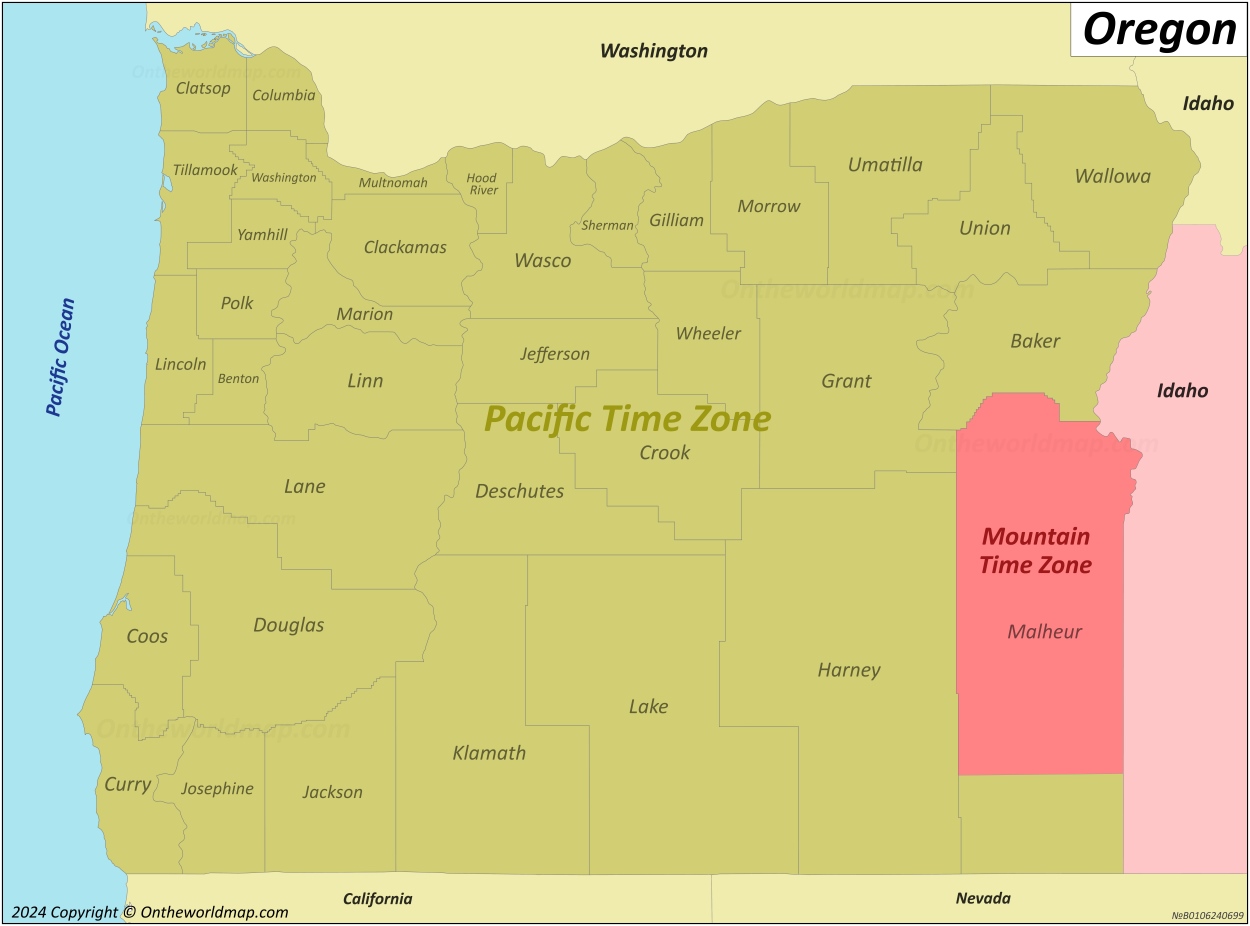
While the vast majority of Oregon uniformly observes Pacific Time, there exists a fascinating and practical exception in the far southeastern corner of the state: a significant portion of Malheur County. This area, particularly the communities bordering Idaho, operates on Mountain Time (specifically, Mountain Standard Time MST or Mountain Daylight Time MDT). This geographical anomaly is not arbitrary but rather a pragmatic decision rooted in economic and social ties. Many residents in this part of Oregon conduct business, attend school, or shop in nearby Idaho cities such as Boise. To streamline daily life and commerce, these communities align their clocks with their Idahoan neighbors.
Cities and towns like Ontario and Nyssa in Malheur County are prime examples of this time zone divergence. For travelers venturing into this region, especially those crossing the state border from Idaho or arriving from other parts of Oregon, it is absolutely critical to verify the local time. A one-hour time difference might seem minor, but it can lead to missed appointments, confusion with reservations, or a delay in reaching your desired accommodation or activity. Always double-check local times when planning to visit this unique corner of Oregon, perhaps by checking with local businesses or reliable online sources that account for regional time zone differences.

Practical Implications for Travelers to Oregon
Understanding Oregon’s time zone isn’t just an academic exercise; it has tangible impacts on every aspect of a traveler’s journey, from the initial planning stages to daily activities. Proper time zone awareness is paramount for a smooth and enjoyable experience, minimizing stress and maximizing your time in the Beaver State.
Planning Your Itinerary and Bookings
The precise timing of your travel plans is where time zone knowledge becomes invaluable. When booking flights, especially those involving connections or arriving from different time zones, always confirm that the arrival and departure times listed are in the local time of each airport. A flight scheduled to land in Portland at 3 PM will be 3 PM PST/PDT, regardless of where you originated. Miscalculating this can lead to missed connections or unexpected delays.
Similarly, for accommodation, hotel check-in and check-out times are strictly enforced. Most hotels in Oregon, whether a luxury resort like The Nines, a Luxury Collection Hotel, Portland or a charming boutique apartment, operate on Pacific Time. Arriving an hour early or late due to time zone confusion can either leave you waiting for your room or incur late check-out fees. Always confirm these times directly with your chosen lodging. The same diligence applies to pre-booked tours, attractions, and restaurant reservations. Imagine missing a whale watching tour off the Oregon Coast or a coveted dinner reservation in Portland’s acclaimed food scene simply because you misread the local time. It’s a common oversight that can easily be avoided by a quick double-check of all confirmation emails and booking details, ensuring they reflect the local time zone of your destination within Oregon.
Communication Across Time Zones
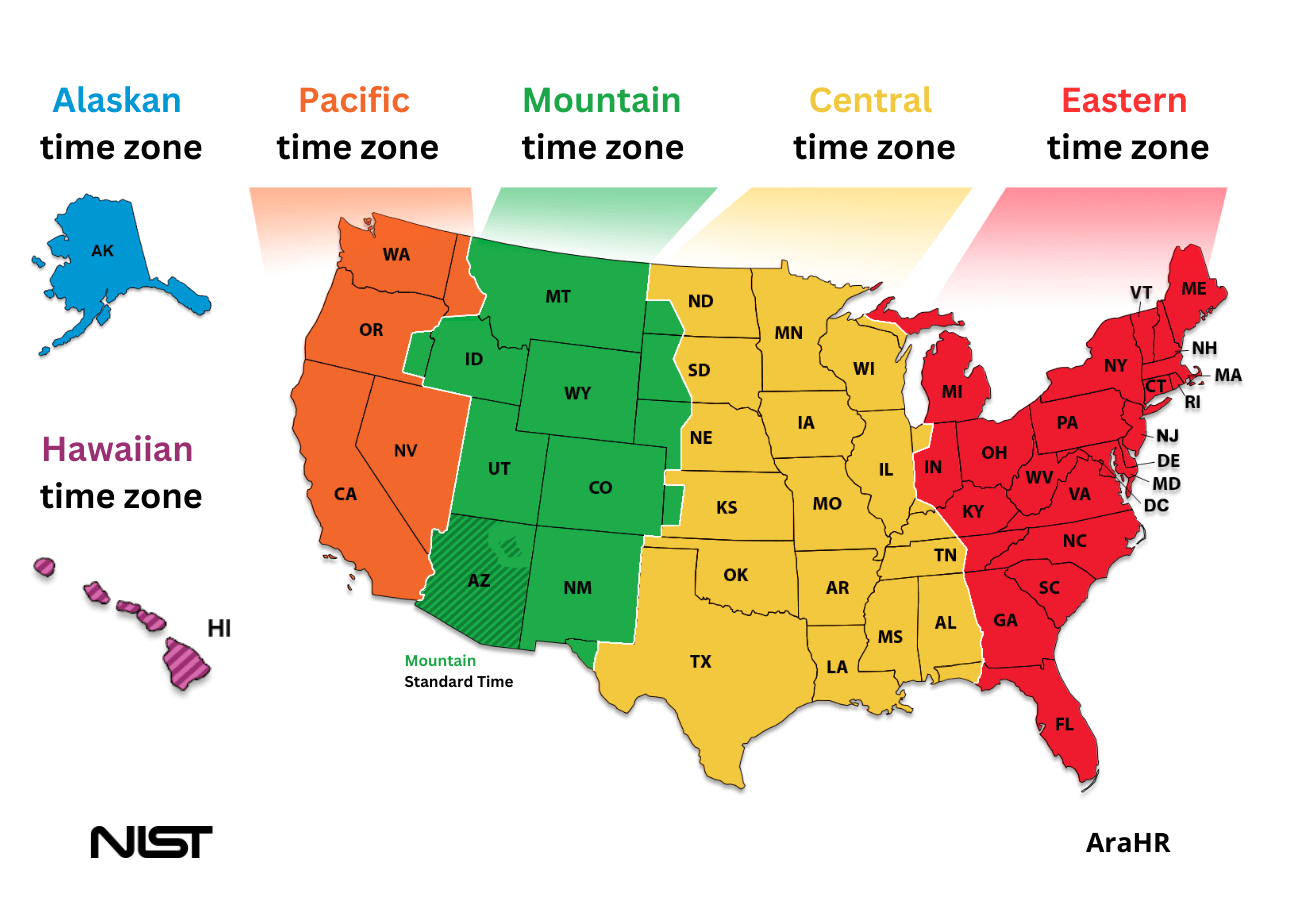
For many travelers, staying connected with family, friends, or colleagues back home is an important part of their trip. Oregon’s Pacific Time means there will be a significant time difference with the Eastern Time Zone (3 hours) or even further afield for international travelers. This requires careful consideration when scheduling calls or video chats to avoid waking someone up in the middle of the night or calling during peak work hours.
For business travelers, managing this time difference becomes even more critical. Coordinating meetings, deadlines, and conference calls with teams located in different parts of the country or world requires meticulous planning. Utilizing world clock applications on smartphones or computers can be incredibly helpful in keeping track of multiple time zones simultaneously, ensuring you’re always aware of the optimal time to communicate without causing disruption.
Adjusting to the Time Difference
Traveling across multiple time zones often brings an unwelcome companion: jet lag. While not strictly a time zone “issue” but rather a physiological response, being aware of Oregon’s time relative to your origin can help you prepare. If you’re arriving from the East Coast, you’ll be “gaining” three hours, meaning your body might want to sleep earlier in the evening and wake up earlier in the morning than local time.
To minimize the effects of jet lag, consider gradually adjusting your sleep schedule a few days before your trip. Once in Oregon, expose yourself to natural sunlight as much as possible, especially in the morning, to help reset your body’s internal clock. Staying hydrated and avoiding excessive caffeine or alcohol can also aid in a smoother transition. Embracing Oregon’s natural beauty with an early morning hike or a stroll along the beach can be a therapeutic way to adjust, aligning your internal rhythm with the local Pacific Time.
Exploring Oregon: Time Zone and Top Destinations
Oregon’s diverse landscapes and vibrant culture make it a top destination for travelers. From metropolitan adventures to serene natural retreats, the state offers something for everyone. Being mindful of the time zone ensures that your exploration is unhindered and that you maximize every moment of your journey.
Major Cities and Coastal Retreats (Pacific Time)
The heart of Oregon’s tourism beats in its major cities and along its breathtaking coastline, all operating firmly within Pacific Time.
Portland, the state’s largest city, is a hub of culinary innovation, craft breweries, and unique cultural experiences. From exploring Powell’s City of Books to wandering through the Japanese Garden or embarking on a day trip to the stunning waterfalls of the Columbia River Gorge, your schedule will align with PST/PDT. This makes planning restaurant reservations, show tickets, or guided tours straightforward.
Further west, the iconic Oregon Coast stretches for over 360 miles, offering dramatic cliffs, sandy beaches, and charming seaside towns. Cannon Beach, home to the magnificent Haystack Rock, is a prime example of a coastal gem where you can enjoy tide pooling, beachcombing, or simply soaking in the views, all synchronized with Pacific Time. Similarly, historic Astoria, at the mouth of the Columbia River, with its maritime museums and Victorian architecture, operates on the same time.
In Central Oregon, the thriving city of Bend serves as a gateway to outdoor adventures. Whether you’re hitting the slopes at Mt. Bachelor, kayaking on the Deschutes River, or exploring the numerous breweries, Bend and its surrounding areas are firmly in Pacific Time. This consistency across these popular destinations greatly simplifies itinerary planning, allowing you to focus on the experiences rather than clock changes.
Eastern Oregon and the Mountain Time Border
While much of Eastern Oregon, including natural wonders like the Painted Hills and the majestic Wallowa Mountains, still observes Pacific Time, the distinct exception in Malheur County warrants special attention. Travelers exploring the vast and rugged beauty of this region must be acutely aware of the time zone shift.
If your adventure takes you through towns like Ontario or Nyssa, you will encounter Mountain Time. This is particularly relevant if you are traveling from other parts of Oregon into Malheur County, or if your plans involve crossing into Idaho. A visit to the Malheur National Wildlife Refuge, for example, will likely follow Mountain Time if you are approaching it from the eastern side of the county. Always check the specific location’s time zone when making bookings for accommodations, tours, or activities in this unique border region. This small area, though distinct, contributes to the rich tapestry of Oregon’s geography and emphasizes the importance of thorough trip planning.
Maximizing Your Oregon Trip: Accommodation and Lifestyle Tips
Beyond mere punctuality, an understanding of Oregon’s time zone can significantly enhance your travel experience, particularly concerning accommodation choices and your overall lifestyle while visiting. Strategic planning can turn potential logistical hurdles into opportunities for a more relaxing and enjoyable trip.
Booking Accommodation Wisely
When selecting your accommodation in Oregon, from luxurious resorts to cozy vacation rentals, time zone awareness plays a role. If you have an early morning flight arriving from afar, you might consider booking the hotel for the night before your actual arrival to guarantee immediate access to your room upon landing, rather than waiting until the standard check-in time (typically 3 PM or 4 PM local time). This can be a lifesaver for overcoming jet lag and starting your trip refreshed.
Many online booking platforms automatically display times in your local time zone, which can sometimes cause confusion with the destination’s actual local time. Always switch the display to the destination’s local time (or Pacific Time, in Oregon’s case) to avoid errors when confirming arrival windows or special requests. Direct booking with hotels, such as the acclaimed Riverhouse on the Deschutes in Bend or The Nines, a Luxury Collection Hotel, Portland, can also provide a direct line of communication for clarifying check-in policies and making arrangements for early arrivals or late departures, which might be critical after a long journey or before an early flight. Different accommodation types, from all-inclusive resorts to independent apartments or villas, may also have varying flexibility regarding check-in and check-out times, so clear communication is key.
Lifestyle and Activities: Time Zone Considerations
Your personal travel lifestyle is also impacted by the local time zone. For adventure seekers, knowing the shift to PDT means longer daylight hours in summer, allowing for extended hikes in the Columbia River Gorge, more time on the Oregon Coast, or later starts for evening outdoor activities. Conversely, during PST, the earlier sunsets might encourage more indoor activities, like exploring Portland’s museums or enjoying its renowned culinary scene.
Families traveling with young children will find that understanding time zones is crucial for managing sleep schedules and minimizing meltdowns. Gradually adjusting children’s bedtimes before travel can make the transition smoother. For business travelers, being in Pacific Time means an early start might be required to connect with colleagues on the East Coast, but it also offers a later workday end for collaborating with Asian or European partners. Whether your trip is for luxury travel, a budget-conscious adventure, a family vacation, or a crucial business stay, synchronizing with Oregon’s time zone is an integral part of crafting a successful and rewarding itinerary.
In conclusion, understanding “What is Oregon Time Zone?” is far more than a simple geographical fact; it’s a foundational element of effective travel planning. While the vast majority of the state adheres to Pacific Time, oscillating between PST and PDT, the unique exception of Malheur County on Mountain Time serves as a vivid reminder for travelers to remain vigilant with their time checks. By integrating time zone awareness into your booking strategies, communication plans, and daily itinerary, you can ensure a seamless and enriching experience exploring Oregon’s unparalleled natural beauty, vibrant cities, and diverse attractions. So set your watches, embrace the rhythm of Oregon, and embark on an adventure where every moment is perfectly timed.
LifeOutOfTheBox is a participant in the Amazon Services LLC Associates Program, an affiliate advertising program designed to provide a means for sites to earn advertising fees by advertising and linking to Amazon.com. Amazon, the Amazon logo, AmazonSupply, and the AmazonSupply logo are trademarks of Amazon.com, Inc. or its affiliates. As an Amazon Associate we earn affiliate commissions from qualifying purchases.