
Understanding the population of a city like Orlando is more than just a demographic statistic; it’s a lens through which we can view its growth, its evolving character, and its significance as a global hub. While Orlando is globally renowned for its unparalleled theme park attractions, the underlying human element – its residents and their numbers – shapes the city’s identity and influences every facet of its existence, from infrastructure development to the local cultural tapestry. This exploration delves into the population dynamics of Orlando, examining current figures, historical trends, and the implications for visitors and those considering a move to this vibrant Floridian metropolis.
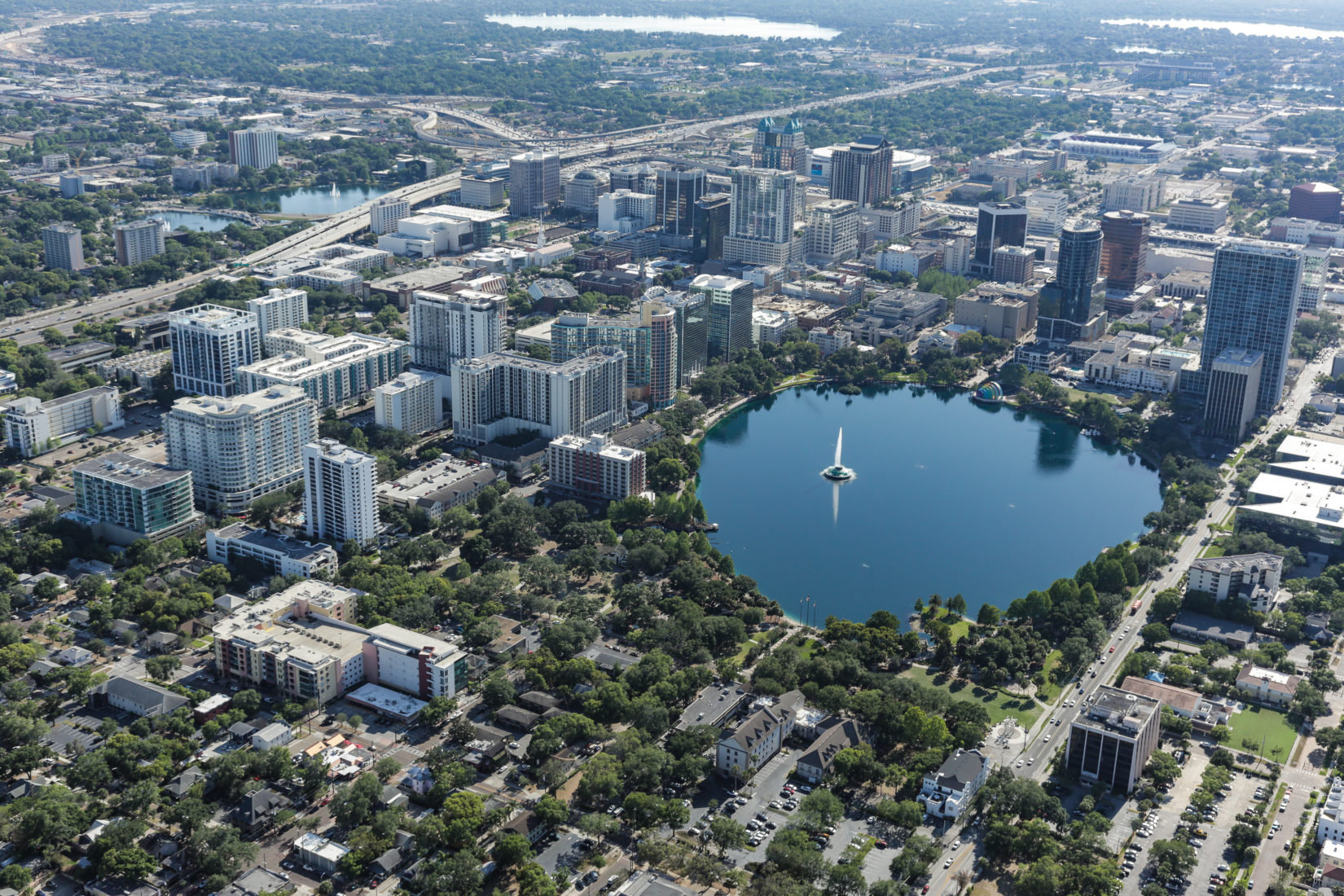
The Shifting Demographics of the City Beautiful
Orlando, often referred to as the “City Beautiful,” has experienced a dramatic transformation over the past several decades, largely driven by its burgeoning tourism industry and a favorable business climate. The most recent census data provides a clear snapshot of this growth. As of the 2020 Census, the population of the city of Orlando was approximately 307,573. However, this figure represents only the incorporated city limits. The true scope of Orlando’s influence and its connected populace extends far beyond these boundaries into the vast and rapidly expanding Orlando metropolitan area.
Metropolitan Orlando: A Wider Lens
The Orlando–Kissimmee–Sanford, Florida Metropolitan Statistical Area (MSA) paints a much larger picture. This region, encompassing Orange County, Seminole County, Lake County, and Osceola County, is home to millions of people. In 2020, the MSA’s population was estimated to be over 2.5 million residents, a figure that continues to climb at a significant pace. This expansive metro area is where much of the daily life, economic activity, and residential development of the greater Orlando region unfolds.
Historical Growth Trajectory
The growth of Orlando is a compelling narrative of post-World War II expansion, significantly amplified by the opening of Walt Disney World in 1971. Prior to this, Orlando was a smaller, agricultural-focused city. The advent of major theme parks and the subsequent development of surrounding entertainment complexes, resorts, and residential communities catalyzed an unprecedented population boom.
- Early 20th Century: Orlando was a modest city with a population in the tens of thousands.
- Mid-20th Century (Post-WWII): Growth began to accelerate, fueled by the burgeoning aerospace industry and a general migration to the Sun Belt.
- 1970s Onwards: The opening of Walt Disney World marked a turning point, igniting exponential population growth that has continued unabated.
- 21st Century: Orlando has consistently ranked among the fastest-growing large metropolitan areas in the United States, attracting both domestic and international migrants.
This sustained growth is a testament to Orlando’s economic diversification, its appeal as a desirable place to live, and its unparalleled status as a global tourism capital.
Factors Driving Population Growth
Several key drivers contribute to Orlando’s persistent population increase, creating a dynamic environment for residents and visitors alike.
Economic Opportunities and Diversification
While tourism remains a cornerstone of the Orlando economy, the region has successfully diversified its economic base. Beyond the hospitality sector, significant growth has occurred in:
- Technology and Innovation: Orlando is emerging as a hub for technology companies, particularly in areas like simulation, modeling, and data analytics, often linked to the aerospace and defense industries present in the region.
- Healthcare: A robust healthcare sector, with major hospital systems and specialized medical facilities, provides substantial employment opportunities.
- Logistics and Distribution: Orlando’s strategic location and infrastructure make it a prime spot for logistics and distribution centers.
- Film and Entertainment Production: In addition to theme parks, Orlando has a growing film and television production industry.

These diverse economic opportunities attract a skilled workforce and create a stable environment for long-term residency.
Affordability and Quality of Life
Compared to other major metropolitan areas in the United States, Orlando has historically offered a relatively affordable cost of living, although this is steadily changing with rapid growth. The abundance of sunshine, access to recreational activities (including proximity to Florida‘s renowned beaches), and a generally lower cost of housing (though increasing) have made it an attractive destination for individuals and families. The presence of world-class attractions and entertainment also enhances the perceived quality of life, offering an environment that is both economically viable and enjoyable.
In-Migration Trends
Orlando experiences significant in-migration from various sources:
- Domestic Relocation: Many individuals and families relocate to Orlando from other parts of the United States, drawn by job prospects, a warmer climate, and the vibrant lifestyle. States in the Northeast and Midwest often see a notable outflow to Florida.
- International Immigration: Orlando has a growing international population, contributing to its cultural richness and diversity. Many Latin American and Caribbean individuals and families find opportunities and a welcoming community in the region.
- Retirees: While not the primary driver of population growth for the city itself, Florida in general is a popular retirement destination, and this contributes to the overall demographic makeup of the broader metropolitan area.
Birth Rates
Consistent with national trends, Orlando also benefits from natural population increase through birth rates exceeding death rates, further contributing to its growth.
Implications of Orlando’s Population for Visitors and Residents
The substantial and growing population of Orlando has direct implications for both those visiting and those choosing to make the city their home.
For Tourists and Visitors
- Crowds and Wait Times: A higher population density, especially during peak seasons, directly correlates with increased crowds at major attractions like Walt Disney World, Universal Orlando Resort, and SeaWorld Orlando. Visitors should anticipate longer wait times for rides and attractions, and higher demand for dining and accommodations. Strategic planning, utilizing fast passes where available, and visiting during off-peak times can help mitigate these effects.
- Transportation and Infrastructure: The growing number of residents and visitors places a strain on the local transportation infrastructure. While significant investments are being made in road improvements and public transit, traffic congestion can be a significant factor, particularly during peak commuting hours and major event weekends. Renting a car or utilizing ride-sharing services are common, but drivers should factor in potential delays.
- Economic Impact: The sheer volume of people visiting and living in Orlando fuels a robust economy, supporting a vast array of hotels, restaurants, shops, and entertainment venues. This creates a dynamic and competitive market, offering a wide range of choices for visitors.
- Cultural Richness: The diverse population brings a rich tapestry of cultures, evident in the local culinary scene, festivals, and community events. This offers visitors a chance to experience more than just the theme parks, immersing themselves in the local flavor of Orlando.
For Residents
- Housing Market: Rapid population growth has led to increased demand for housing, driving up property values and rental rates. This can present challenges for affordability, particularly for those on lower or fixed incomes. New residential developments are constantly emerging to meet this demand.
- Job Market: A growing population typically signifies a healthy and expanding job market, as businesses scale to meet the needs of more people. This provides ample employment opportunities across various sectors.
- Infrastructure Strain: Residents experience the direct impact of population growth on public services, including roads, public transportation, schools, and utilities. While the city and county governments are actively investing in infrastructure improvements, these can lag behind the pace of growth, leading to occasional challenges.
- Community and Lifestyle: The influx of new residents contributes to the evolving character of Orlando. It fosters a dynamic and diverse community, but also means that familiar neighborhoods can change over time. The lifestyle remains centered around entertainment and outdoor activities, but the local character is increasingly shaped by its diverse resident base.
- Education and Healthcare: As the population grows, so does the demand for educational institutions and healthcare services. Orlando has seen significant investment in expanding its school systems and healthcare facilities to accommodate the increasing needs of its residents.

Conclusion: A City in Constant Motion
The population of Orlando, whether viewed within its city limits or across its sprawling metropolitan area, is a dynamic and ever-increasing entity. It is a testament to the city’s enduring appeal as a global tourist destination, a thriving economic center, and a desirable place to live. For visitors, understanding these population trends can lead to more informed travel planning, enabling them to maximize their experiences while navigating the realities of a popular destination. For residents, it signifies a city in constant evolution, offering both opportunities and challenges as it continues to grow and shape its identity. Orlando is not just a collection of attractions; it is a vibrant, growing community, and its population is the heart of its ever-expanding story.
LifeOutOfTheBox is a participant in the Amazon Services LLC Associates Program, an affiliate advertising program designed to provide a means for sites to earn advertising fees by advertising and linking to Amazon.com. Amazon, the Amazon logo, AmazonSupply, and the AmazonSupply logo are trademarks of Amazon.com, Inc. or its affiliates. As an Amazon Associate we earn affiliate commissions from qualifying purchases.