
Navigating the intricacies of time zones is a fundamental aspect of travel planning, and for many venturing into the vast expanse of the Lone Star State, a clear understanding of Texas time is essential. This guide delves into the temporal landscape of Texas, exploring its primary time zones, the reasons behind their existence, and practical considerations for travelers and residents alike.
Understanding Texas’s Temporal Divisions
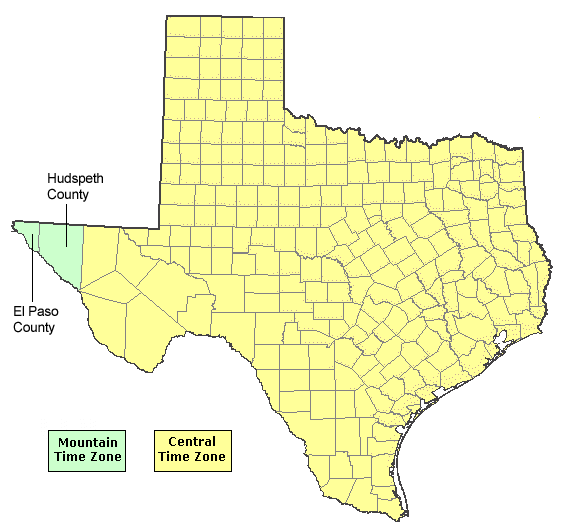
Texas, a state renowned for its size and diverse geography, spans across not one, but two official time zones: the Central Time Zone (CT) and the Mountain Time Zone (MT). This division is not arbitrary but rather a reflection of historical, geographical, and logistical factors that have shaped the state’s temporal identity.
The Central Time Zone Dominance
The vast majority of Texas observes Central Standard Time (CST) during the winter months and Central Daylight Time (CDT) during the warmer months. This includes major metropolitan areas such as Dallas, Houston, San Antonio, and Austin. For most travelers arriving in Texas, particularly through its major international airports like Dallas/Fort Worth International Airport or George Bush Intercontinental Airport, understanding Central Time is paramount.
Central Time is UTC-6 during standard time and UTC-5 during daylight saving time. This means that when daylight saving is in effect, the state is three hours behind Coordinated Universal Time (UTC).
The Mountain Time Zone Enclave
A smaller, western portion of Texas, primarily encompassing the counties of El Paso and Hudspeth, observes the Mountain Time Zone. This region is geographically closer to New Mexico, which also operates within the Mountain Time Zone for the most part. Residents and visitors in these western counties adhere to Mountain Standard Time (MST) (UTC-7) and Mountain Daylight Time (MDT) (UTC-6).
This temporal distinction means that during the winter, El Paso is one hour behind the rest of Texas. When daylight saving time is observed, the difference remains one hour. This can be a point of confusion for those traveling between different parts of Texas, making it crucial to be aware of your specific location within the state.
The Rationale Behind the Temporal Divide
The existence of two time zones within a single state like Texas is a phenomenon rooted in practicality and historical precedent. The decision to place certain counties in one zone versus another was often influenced by factors such as existing railroad schedules, established business practices, and geographical proximity to neighboring states with different time zone designations.
Historical Context and Railroad Influence
In the early days of railway expansion across the United States, railroads played a significant role in standardizing time. As tracks connected distant cities and regions, consistent timekeeping became essential for efficient scheduling and operations. The establishment of time zones was largely driven by the need for this standardization. For Texas, its vast size and its position as a major hub for transportation meant that its timekeeping would inevitably be influenced by these national developments.
The division between Central and Mountain Time in Texas, particularly in the western counties, likely reflects a historical alignment with the timekeeping practices of neighboring states like New Mexico. This proximity made it more convenient for trade, communication, and travel to maintain a consistent time zone across state borders where geographically sensible.
Geographical Considerations and Practicality
Geographically, the western tip of Texas, where El Paso is located, is significantly closer to the borders of New Mexico and Mexico, which predominantly use Mountain Time. This geographical reality made it more practical to align El Paso and its surrounding areas with the Mountain Time Zone rather than imposing Central Time, which would have created a one-hour difference with its immediate neighbors.
For businesses operating across state lines in this region, or for individuals commuting or traveling between El Paso and cities in New Mexico, sharing the same time zone simplifies logistics and avoids confusion. The state’s decision to maintain this division acknowledges these practical considerations for its westernmost residents.
Daylight Saving Time in Texas
Like most of the United States, Texas observes Daylight Saving Time (DST). This practice involves adjusting clocks forward by one hour during the spring and backward by one hour in the autumn. The purpose of DST is to make better use of daylight and reduce energy consumption.

When Does Texas Change Its Clocks?
Daylight Saving Time in Texas, as in most of the US, typically begins on the second Sunday in March and ends on the first Sunday in November. On the day DST begins, clocks are moved forward one hour at 2:00 AM local time. On the day DST ends, clocks are moved back one hour at 2:00 AM local time.
This means that during the summer months, when DST is in effect:
- The Central Time Zone becomes Central Daylight Time (CDT), which is UTC-5.
- The Mountain Time Zone portion of Texas becomes Mountain Daylight Time (MDT), which is UTC-6.
The switch to and from DST is a widely observed practice, and it’s important for travelers to be aware of these changes when planning their itineraries, especially when coordinating with individuals or businesses in different time zones.
The Ongoing Debate About Daylight Saving Time
While Texas, like many other U.S. states, currently observes Daylight Saving Time, there have been ongoing discussions and legislative efforts in recent years to either make DST permanent or revert to standard time year-round. Proponents of permanent DST argue that it could lead to increased daylight hours in the evenings, potentially boosting economic activity and providing more opportunities for outdoor recreation. Conversely, those who advocate for permanent standard time often cite potential health benefits, as standard time is more closely aligned with the body’s natural circadian rhythm.
As of now, the practice of changing clocks remains in effect across Texas. However, travelers and residents should stay informed about any potential legislative changes that might alter this temporal norm in the future.
Practical Tips for Travelers
Understanding Texas’s time zones is not merely an academic exercise; it has direct implications for travelers planning their journeys, making reservations, and coordinating activities.
Planning Your Itinerary
When booking flights or rental cars, always verify the local time of your destination within Texas. For instance, if you are flying into El Paso, be mindful that its local time will be one hour behind that of Dallas or Houston. This is particularly important for early morning or late-night travel arrangements to avoid confusion.
Communication and Coordination
If you are traveling for business or leisure and need to coordinate with people in different parts of Texas, always confirm the specific time zone they are in. A simple question like “What time is it there?” can save a lot of potential misunderstandings. This is especially crucial when scheduling meetings, restaurant reservations, or tours.
Navigating the State
For those undertaking a road trip across Texas, such as a drive from the Panhandle to the Gulf Coast, you will likely cross from the Mountain Time Zone into the Central Time Zone (or vice versa, depending on your starting point). Be prepared for this one-hour shift. Many GPS devices and smartphone apps will automatically adjust to the local time zone as you travel, but it’s wise to be aware of the transition.
Understanding Local Services
When contacting local businesses, hotels like the St. Regis Hotel or attractions like the Alamo, always consider their local time. This ensures you are calling within their operating hours and can receive prompt assistance. For example, if you are calling a hotel in San Antonio from El Paso in the morning, remember that the hotel in San Antonio is an hour ahead.
Conclusion: Embracing Texas’s Temporal Diversity
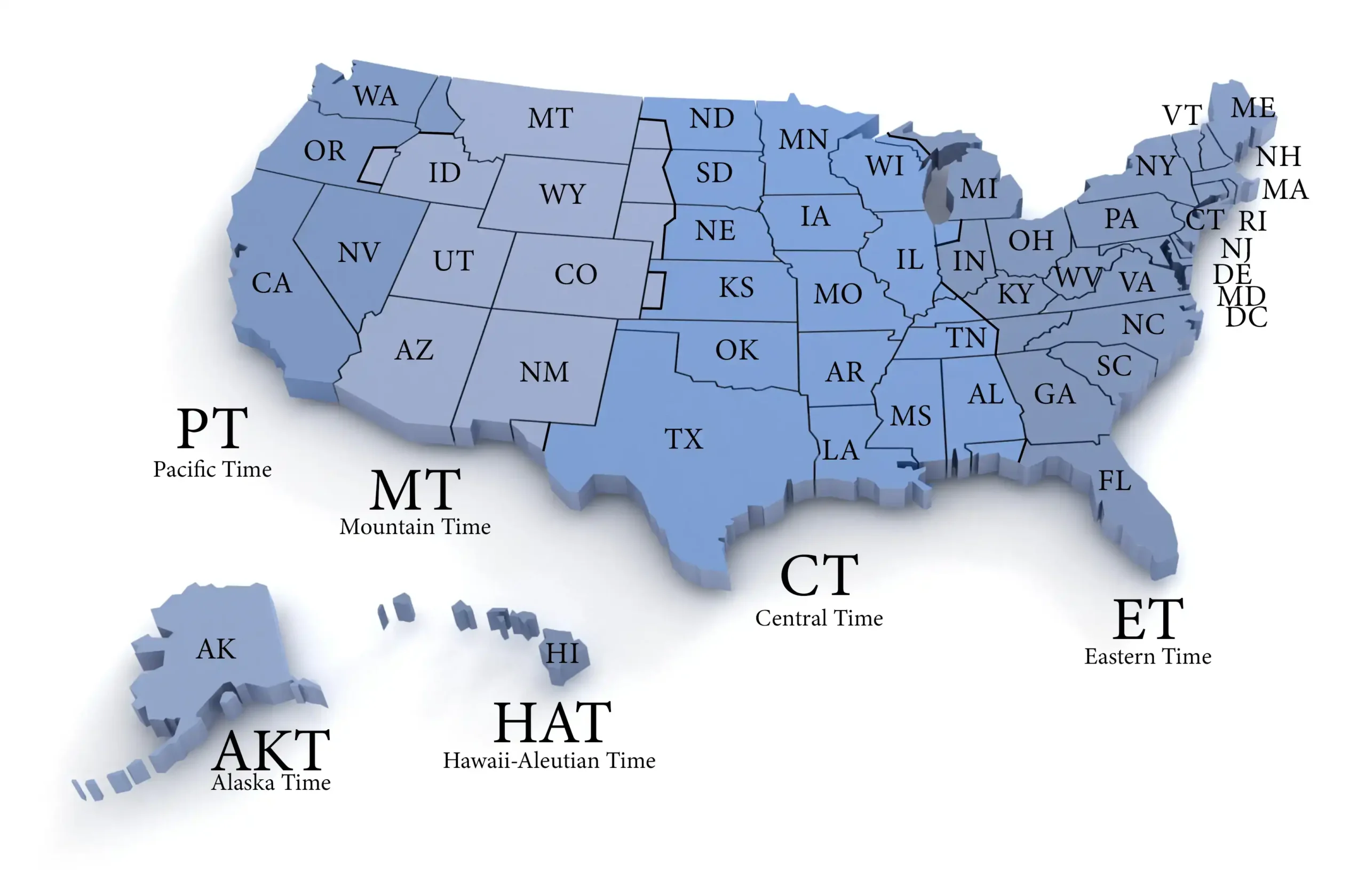
Texas’s temporal landscape, with its split between the Central Time Zone and the Mountain Time Zone, is a testament to the state’s vastness and the practicalities that have shaped its development. For travelers, understanding these distinctions is a key component of a smooth and enjoyable visit. Whether you find yourself in the bustling metropolises of Central Texas or the historic landscapes of its western reaches, a clear grasp of “what is our time zone in Texas?” will undoubtedly enhance your experience. By staying informed about time zone boundaries and the observance of Daylight Saving Time, you can navigate the Lone Star State with confidence and precision, ensuring your adventures align perfectly with your schedule.
LifeOutOfTheBox is a participant in the Amazon Services LLC Associates Program, an affiliate advertising program designed to provide a means for sites to earn advertising fees by advertising and linking to Amazon.com. Amazon, the Amazon logo, AmazonSupply, and the AmazonSupply logo are trademarks of Amazon.com, Inc. or its affiliates. As an Amazon Associate we earn affiliate commissions from qualifying purchases.