
Understanding overtime in California is crucial for both employees and employers navigating the Golden State’s dynamic labor landscape. This topic, while seemingly straightforward, involves a complex set of regulations designed to ensure fair compensation for work performed beyond standard hours. For travelers and residents alike, comprehending these rules can impact everything from negotiating freelance work on a California trip to managing staff at a local business. This article delves into the intricacies of California overtime, breaking down the key elements that define it and how it applies across various work scenarios.
The concept of overtime is fundamentally about recognizing that work beyond a certain threshold deserves additional compensation. In California, this threshold is meticulously defined by state law, offering some of the most robust worker protections in the United States. These regulations are not merely abstract legal jargon; they directly influence the financial well-being of countless individuals and the operational costs for businesses, whether they are large corporations or small boutique hotels in popular destinations like San Francisco or Los Angeles.
Defining Standard Workdays and Workweeks
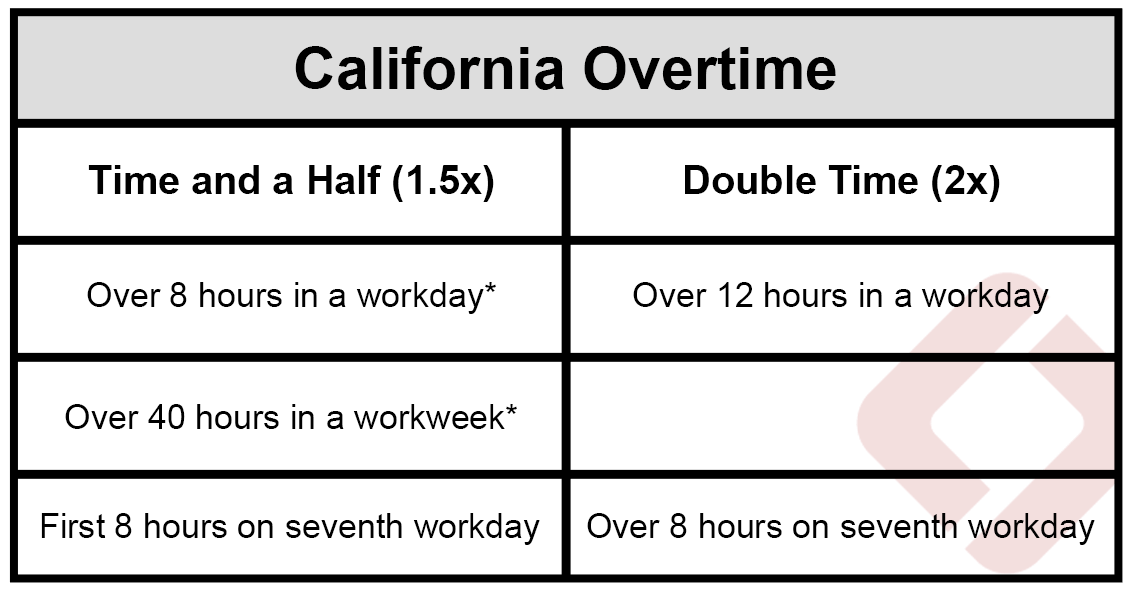
At its core, California overtime law hinges on the definition of a “standard” workday and a “standard” workweek. The most common standard is an eight-hour workday and a 40-hour workweek. Any hours worked beyond these limits are generally considered overtime and must be compensated at a higher rate. This framework provides a clear baseline for most employees, ensuring that their dedication and extra effort are recognized financially.
The Eight-Hour Workday Rule
The cornerstone of California overtime is the eight-hour workday rule. If an employee works more than eight hours in any single day, regardless of whether they have completed their 40-hour workweek, those hours exceeding eight are subject to overtime pay. This means that even if an employee only works three days in a week but one of those days involves ten hours of work, the two hours beyond the eight-hour limit on that day are considered overtime. This daily overtime provision is a significant protection, preventing employers from consistently scheduling longer shifts without additional compensation.
The 40-Hour Workweek Rule
Complementing the daily rule is the 40-hour workweek provision. If an employee works more than 40 hours in a single workweek, all hours worked beyond the 40-hour mark are subject to overtime pay. This rule is particularly relevant for employees whose daily hours might be spread out or who work less than eight hours on some days but accumulate a total exceeding 40 by the end of the week.
Crucially, these two rules work in tandem. An employee may be entitled to overtime pay for exceeding the daily limit, the weekly limit, or both. The law is designed to ensure that workers are compensated at the premium rate for any hours that fall outside the standard daily or weekly thresholds.
Daily Overtime Pay Rates
California law mandates specific pay rates for overtime hours. These rates are designed to provide a significant financial incentive for employees to work longer hours and to adequately compensate them for the added strain and disruption to their personal lives.
Time-and-a-Half
The most common overtime rate in California is “time-and-a-half,” which means the employee must be paid at 1.5 times their regular hourly rate for all overtime hours. This applies to:
- Hours worked in excess of eight hours in a workday.
- Hours worked in excess of 40 hours in a workweek.
For instance, if an employee earns $20 per hour, their overtime rate for time-and-a-half would be $30 per hour ($20 x 1.5). This ensures that every extra hour worked is significantly more valuable than a standard hour.
Double-Time
California law also provides for an even higher overtime rate, known as “double-time,” which is twice the employee’s regular hourly rate. This premium pay applies under specific circumstances:
- Hours worked in excess of 12 hours in a single workday.
- Hours worked on the first seven days of a workweek that exceed eight hours in total for that day. This is often referred to as “seventh-day overtime” or “double-time and a half” if the employee has already worked 40 hours by that point in the week. For example, if an employee works 10 hours on a Saturday and has already worked 40 hours during the week, they would receive double-time for the hours between 8 and 10 on Saturday, and then triple-time for the hours worked in excess of 8 that day if they qualify for the seventh-day overtime provision. The current legislation indicates that double-time is for hours worked beyond 12 in a single day, and double time and a half applies if the employee works more than 8 hours on the 7th consecutive day of work in a workweek, assuming they have already worked 40 hours by then.

This double-time provision serves as an additional deterrent against excessively long shifts and recognizes the exceptional burden placed on employees who work extended hours or multiple consecutive days without a break.
Exemptions and Special Cases
While the general rules for overtime are clear, California law carves out several exemptions and special cases that can affect who is entitled to overtime pay. Understanding these nuances is critical for both employers seeking to comply with labor laws and employees wanting to ensure they are receiving appropriate compensation.
Exempt Employees
Certain categories of employees are exempt from overtime pay requirements. These exemptions are typically based on the nature of the employee’s job duties, their level of discretion and independent judgment, and their salary. Common exemptions include:
- Executive Employees: Those whose primary duty consists of the management of the enterprise or a subdivision, who direct the work of at least two other employees, and who have the authority to hire or fire other employees.
- Administrative Employees: Those whose primary duty consists of performing office work directly related to management policies or general business operations, who regularly exercise discretion and independent judgment, and who are paid a salary that meets specific thresholds.
- Professional Employees: Those whose primary duty consists of work requiring advanced knowledge in a field of science or learning customarily acquired by a prolonged course of specialized intellectual instruction, or work that is original and creative in character, or who are engaged in the practice of law or medicine.
It’s important to note that simply having a job title that sounds managerial or professional does not automatically make an employee exempt. The actual duties performed and the salary paid are the determining factors. These exemptions are narrowly construed, meaning employers must strictly meet the legal criteria to claim an exemption.
Industries with Specific Rules
Some industries in California have specific rules or historical precedents that affect overtime calculations. For instance, certain agricultural jobs, hospital employees, and public safety personnel might have variations in how overtime is applied, often related to the nature of their work and the need for continuous operations or emergency response. For example, hospital employees may have different daily overtime thresholds or provisions for shift differentials.
Independent Contractors vs. Employees
A critical distinction that impacts overtime eligibility is the classification of a worker as an employee versus an independent contractor. Employees are subject to California’s overtime laws, while independent contractors are generally not. The determination of employee status is based on a multi-factor test, primarily focusing on the employer’s right to control the manner and means by which the work is performed. Misclassifying employees as independent contractors to avoid overtime obligations is a serious violation of labor law. This is a particularly relevant issue in the gig economy and for freelancers who might be working on short-term projects in various locations across California, perhaps for a travel agency or a hotel booking platform.
The Impact of Overtime on Lifestyle and Travel
Understanding overtime regulations in California has far-reaching implications, extending beyond the workplace to influence lifestyle choices and even travel experiences. For those who regularly earn overtime, it can significantly boost their income, allowing for greater financial flexibility. This can translate into more opportunities for leisure travel, upgrades at resorts in places like Napa Valley, or the ability to explore diverse attractions across the state, from the beaches of San Diego to the national parks like Yosemite.
Conversely, for employers, managing overtime costs is a significant budgetary consideration. Businesses in the tourism sector, such as hotels and restaurants, often operate with fluctuating demand, which can lead to unpredictable overtime needs. Effective workforce planning, scheduling, and adherence to overtime laws are essential for maintaining profitability while treating employees fairly.
Planning for Extended Stays and Business Trips
For individuals undertaking longer business trips or extended stays in California, understanding how overtime might apply to their work can be crucial. Freelancers or consultants working on a project basis might negotiate hourly rates that include potential overtime. If their project extends beyond standard hours, knowing the state’s regulations ensures they are compensated appropriately for their time, especially if they are staying in short-term apartments or extended-stay hotels. This knowledge empowers them to manage their finances effectively during their time away from home.
Employee Rights and How to Seek Help
Employees who believe they have not been paid overtime correctly have recourse. The California Labor Commissioner’s Office is the primary state agency responsible for enforcing wage and hour laws, including overtime. Workers can file a wage claim to seek unpaid wages. Additionally, private attorneys specializing in employment law can represent employees in individual or class-action lawsuits. It’s vital for employees to keep accurate records of their hours worked, pay stubs, and any communications regarding their work schedule and pay. This documentation is invaluable when pursuing a wage claim or legal action.
In conclusion, California’s overtime laws are a vital component of its comprehensive labor protections. They ensure that workers are fairly compensated for their time and effort beyond standard work hours. By understanding the definitions of standard workdays and workweeks, the different overtime pay rates, and the applicable exemptions, both employees and employers can navigate this complex but essential aspect of California employment law with clarity and confidence. Whether you’re a resident working a regular job, a business owner managing staff, or a traveler engaging in temporary work, a solid grasp of overtime in California is an indispensable part of understanding your rights and responsibilities.
LifeOutOfTheBox is a participant in the Amazon Services LLC Associates Program, an affiliate advertising program designed to provide a means for sites to earn advertising fees by advertising and linking to Amazon.com. Amazon, the Amazon logo, AmazonSupply, and the AmazonSupply logo are trademarks of Amazon.com, Inc. or its affiliates. As an Amazon Associate we earn affiliate commissions from qualifying purchases.