
In the rapidly shifting landscape of global hospitality, few names have sparked as much conversation, disruption, and rapid growth as Oyo Rooms. Formally known as Oyo Hotels & Homes, this brand has redefined what it means to be a modern hotel chain. Founded in India by a young entrepreneur named Ritesh Agarwal, Oyo began with a simple yet ambitious goal: to provide standardized, affordable, and high-quality stays to travelers who were tired of the unpredictability of budget accommodations. What started as a small operation in Gurugram has since ballooned into one of the largest hospitality chains in the world, managing thousands of hotels, villas, and apartments across multiple continents.
The Evolution of the Oyo Hotel Model
To understand what an Oyo Hotel is, one must first look at the unique business model that allowed it to scale at an unprecedented rate. Unlike traditional hotel chains such as Marriott or Hilton, which often own their properties or manage them under strict long-term contracts, Oyo utilized a technology-first approach to aggregate existing unbranded budget hotels.
From Aggregator to Full-Scale Franchisor
In its early days, Oyo functioned primarily as an aggregator. It would partner with independent hotel owners in cities like Mumbai and Bangalore, requiring them to reserve a set number of rooms that met specific quality standards. These standards included the “six pillars” of the Oyo promise: free Wi-Fi, air conditioning, flat-screen televisions, clean linens, hygienic washrooms, and complimentary breakfast.
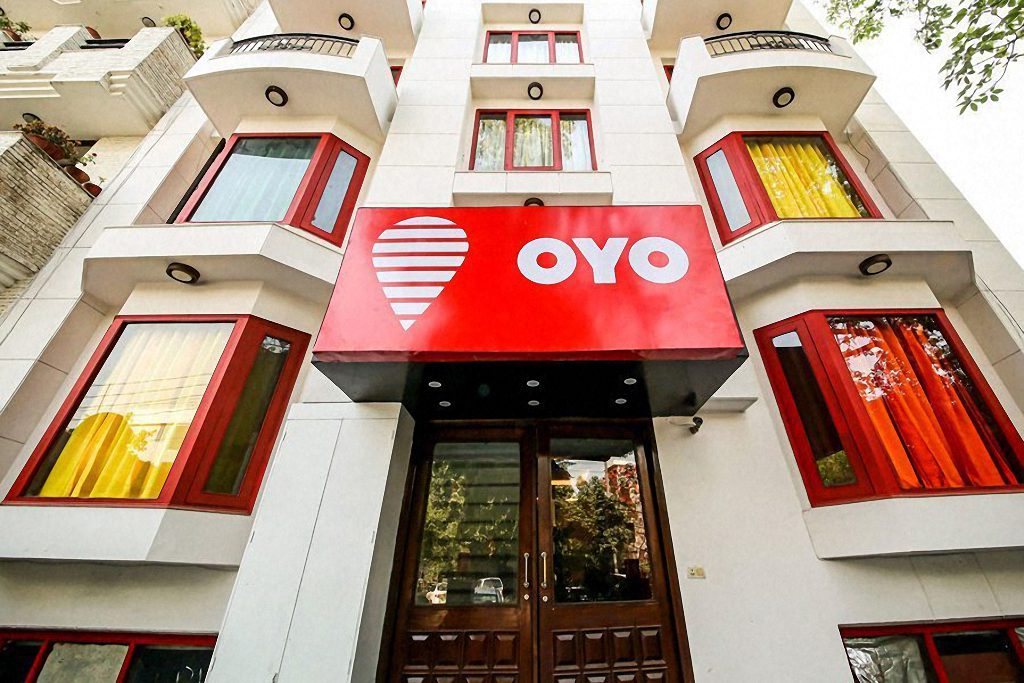
As the company grew, it shifted toward a more integrated franchise and lease model. Today, when a property joins the Oyo network, it often undergoes a significant aesthetic and operational renovation. The brand’s signature red and white color scheme, standardized toiletries, and tech-driven check-in processes are implemented to ensure that a guest staying in New Delhi has a comparable experience to one staying in London or Tokyo.
The Role of Technology in Hotel Management
A defining characteristic of an Oyo Hotel is its reliance on proprietary technology. The company provides hotel owners with a suite of apps, such as Oyo OS, which helps manage bookings, housekeeping schedules, and dynamic pricing. This data-driven approach allows the hotels to maximize occupancy rates and adjust prices in real-time based on demand, a strategy that was previously only available to high-end luxury resorts in places like Dubai or Singapore. For the guest, this means a seamless booking experience via the Oyo app, often featuring one-tap check-ins and instant customer support.
Understanding the Oyo Hotel Ecosystem and Brand Portfolio
As the brand matured, it became clear that a “one size fits all” approach would not suffice for the diverse needs of global travelers. Consequently, Oyo Hotels & Homes developed a multi-tiered portfolio of brands, each catering to different market segments, from the budget-conscious backpacker to the corporate professional.
Oyo Townhouse and Collection O
Oyo Townhouse is perhaps the most recognizable of the brand’s mid-scale offerings. Targeted at millennials and business travelers, these properties are designed as “neighborhood hotels.” They feature modern decor, communal workspaces, and high-speed internet, making them popular in tech hubs like Hyderabad and San Francisco.
Similarly, Collection O offers a more premium experience within the Oyo ecosystem. These hotels are usually larger properties that cater to business travelers who require meeting rooms and enhanced amenities. They bridge the gap between the budget Oyo Rooms and more traditional upscale brands like Holiday Inn.
Luxury and Leisure: Palette Resorts and Capital O
While Oyo is famous for budget stays, it has also ventured into the leisure and luxury segments. Palette Resorts are high-end properties located in major tourist destinations. These resorts offer more extensive facilities, such as swimming pools, spa services, and curated dining experiences. You might find a Palette Resort on the beaches of Thailand or near the cultural landmarks of Mexico.
Capital O serves as the brand’s choice for modern, spacious hotels suited for families and groups. These properties are often strategically located near transportation hubs or major city centers like Jakarta and Kuala Lumpur.
Specialized Stays: SilverKey and Oyo Home
For those seeking longer stays or more private accommodations, Oyo SilverKey provides executive serviced apartments. These are specifically designed for corporate employees on long-term assignments, featuring kitchenettes and professional laundry services. On the other hand, Oyo Home focuses on the vacation rental market, competing directly with platforms like Airbnb. These managed private homes and villas offer a more personal touch, often found in scenic areas of Europe or the coastal regions of Brazil.
Standardized Amenities and Guest Experiences
What truly defines the Oyo experience is the attempt to standardize the “unstandardized.” In the budget hotel sector, guests often face a gamble regarding the quality of their room. Oyo aims to eliminate this uncertainty through rigorous quality audits.
The Room Interior and Aesthetics
Step into a standard Oyo property in Chennai or Ho Chi Minh City, and the visual cues are often the same. The beds are typically dressed in crisp white linens with a signature red runner. The rooms are designed to maximize space, often featuring minimalist furniture to maintain a clean and uncluttered feel. Even in the more affordable tiers, there is a focus on “essentialism”—ensuring that the core needs of the traveler are met without the unnecessary fluff that drives up costs in traditional hotels.
Amenities for the Modern Traveler
Technology is integrated into the room experience itself. Most Oyo properties offer high-speed Wi-Fi as a non-negotiable standard, recognizing that modern travelers need to stay connected. Air conditioning and 24/7 power backup are also prioritized, particularly in South Asia and Southeast Asia.
Moreover, the brand has introduced the “Oyo Sanitized Stays” initiative, which became a cornerstone of their service during the global shift toward higher hygiene standards. This includes regular disinfection of high-touch surfaces, digitized check-ins to reduce physical contact, and trained staff following strict safety protocols. This commitment to safety has helped the brand maintain its reputation in competitive markets like China and the United States.
Oyo’s Global Reach: From Asia to the West
The rapid expansion of Oyo Hotels & Homes is a testament to the universal demand for affordable, reliable accommodation. While India remains its home base, the company’s footprint spans across the globe, with a presence in over 80 countries.
Dominance in South Asia and Southeast Asia
After finding success in India, Oyo quickly expanded into neighboring markets. In Indonesia, it became one of the largest hotel chains in a matter of months, capitalizing on the high volume of domestic travel in cities like Surabaya and Yogyakarta. Similar growth was seen in Vietnam and the Philippines, where the brand’s ability to modernize small, family-run guesthouses provided a massive boost to the local hospitality infrastructure.
Expansion into Europe and the United States
The move into Western markets marked a significant milestone for the company. In the United Kingdom, Oyo established a strong presence in London and other major cities, focusing on the traditional B&B sector. By providing these independent operators with the technology and branding of a global chain, Oyo helped them compete with established budget giants like Ibis.
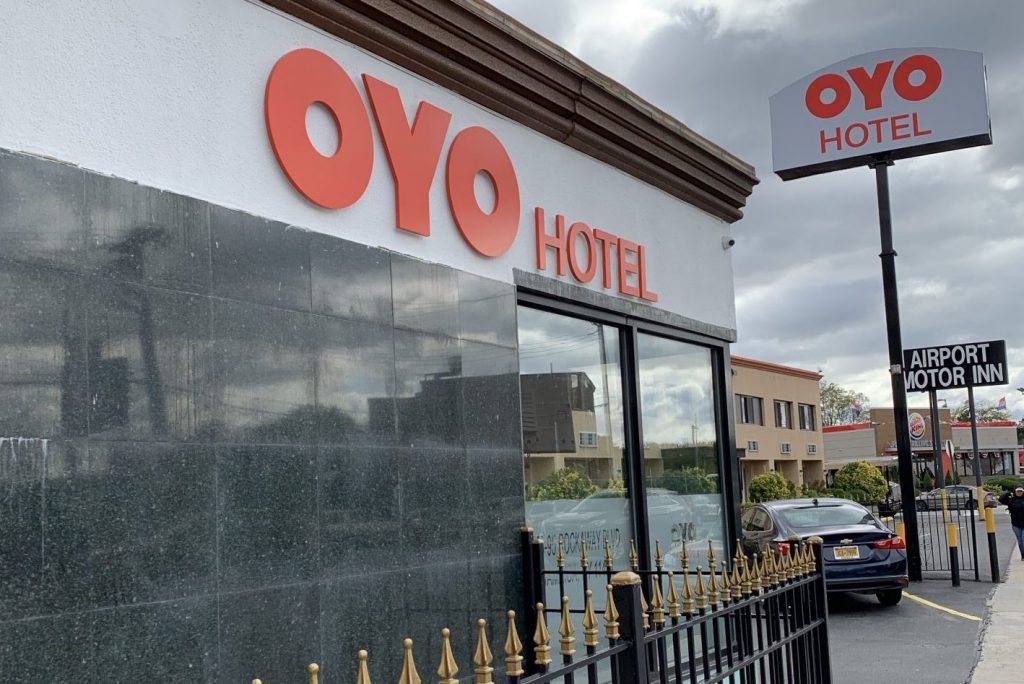
In the United States, the brand made a bold statement with the acquisition and rebranding of the Hooters Casino Hotel into the Oyo Hotel & Casino Las Vegas. This flagship property in Las Vegas demonstrated that Oyo could manage large-scale, high-traffic entertainment venues just as effectively as small boutique stays in Texas or Florida.
Strategic Partnerships and Investment
The growth of Oyo has been fueled by significant investment from global giants like SoftBank. This financial backing allowed the company to acquire other hospitality entities, such as the Leisure Group in the Netherlands, which specialized in vacation home management. These strategic moves have diversified Oyo’s portfolio, ensuring it has a presence in every niche of the accommodation market, from Amsterdam apartments to Madrid hotels.
The Future of Oyo Hotels and Smart Hospitality
Looking ahead, Oyo continues to push the boundaries of what a “hotel” can be. The brand is increasingly moving toward a more sustainable and socially responsible model. In many regions, they are implementing eco-friendly practices, such as reducing single-use plastics in their toiletries and optimizing energy consumption through smart room technology.
Oyo Life and the Co-Living Revolution
One of the most interesting developments is Oyo Life, which targets the co-living segment. Recognizing the rising costs of urban living in cities like New York, Paris, and Berlin, Oyo has started offering fully managed long-term rentals. These spaces provide young professionals with affordable housing that includes all utilities, cleaning services, and a sense of community, all managed through the same app used for booking a short stay in Japan.
Conclusion: A New Standard for Global Stays
At its core, Oyo Hotel represents the democratization of quality hospitality. By leveraging technology to bring order to the fragmented budget hotel market, it has provided millions of travelers with access to safe, clean, and affordable rooms. Whether you are a business traveler in Houston, a tourist exploring Kolkata, or a student seeking a long-term stay in London, the familiar red logo of Oyo has become a global symbol of reliable accommodation in the modern era. As the brand continues to evolve, its impact on how we think about, book, and experience hotels is likely to be felt for decades to come.
LifeOutOfTheBox is a participant in the Amazon Services LLC Associates Program, an affiliate advertising program designed to provide a means for sites to earn advertising fees by advertising and linking to Amazon.com. Amazon, the Amazon logo, AmazonSupply, and the AmazonSupply logo are trademarks of Amazon.com, Inc. or its affiliates. As an Amazon Associate we earn affiliate commissions from qualifying purchases.