
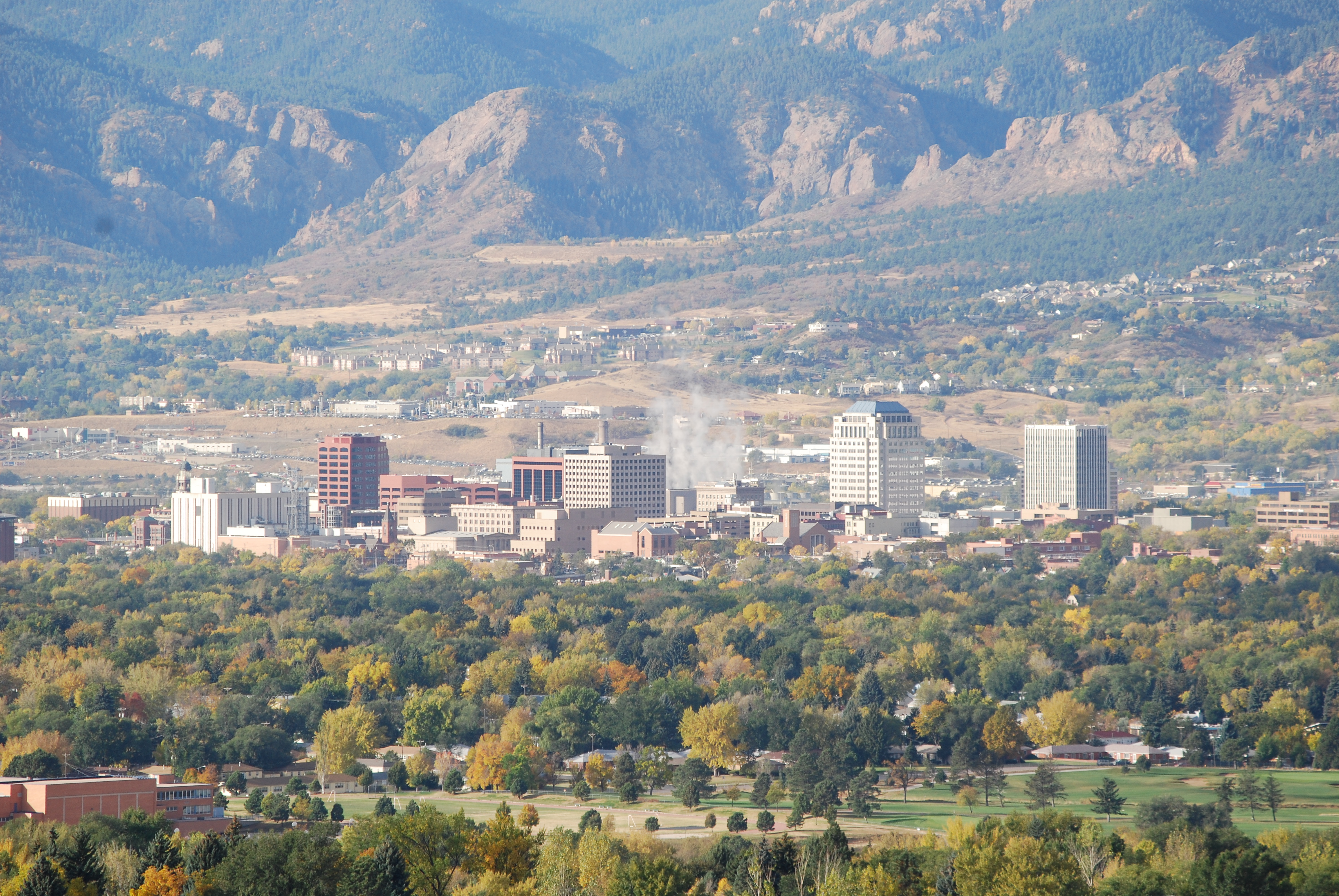
Understanding the demographic landscape of a city is fundamental to grasping its character, economic drivers, and future trajectory. The population of Colorado Springs, a vibrant municipality nestled at the eastern edge of the Rocky Mountains in El Paso County, Colorado, is a key indicator of its growth and development. As the second-most populous city in the state, after Denver, Colorado Springs has experienced a significant and consistent influx of residents over the decades, transforming it into a major metropolitan area with a diverse and dynamic populace. This growth is not merely a number; it reflects economic opportunities, a desirable lifestyle, and an attractive natural environment that draws people from across the nation and beyond.
Demographic Trends and Growth Patterns
The population of Colorado Springs has been on an upward trajectory for much of its history, marked by periods of accelerated expansion. This growth can be attributed to a confluence of factors. Economically, the city has benefited from a strong presence of the U.S. military with several major installations, including Fort Carson, Peterson Space Force Base, and the United States Air Force Academy, which provide stable employment and contribute to the local economy. Beyond the military, the city has cultivated a growing sector in aerospace, defense, and technology, attracting skilled professionals.
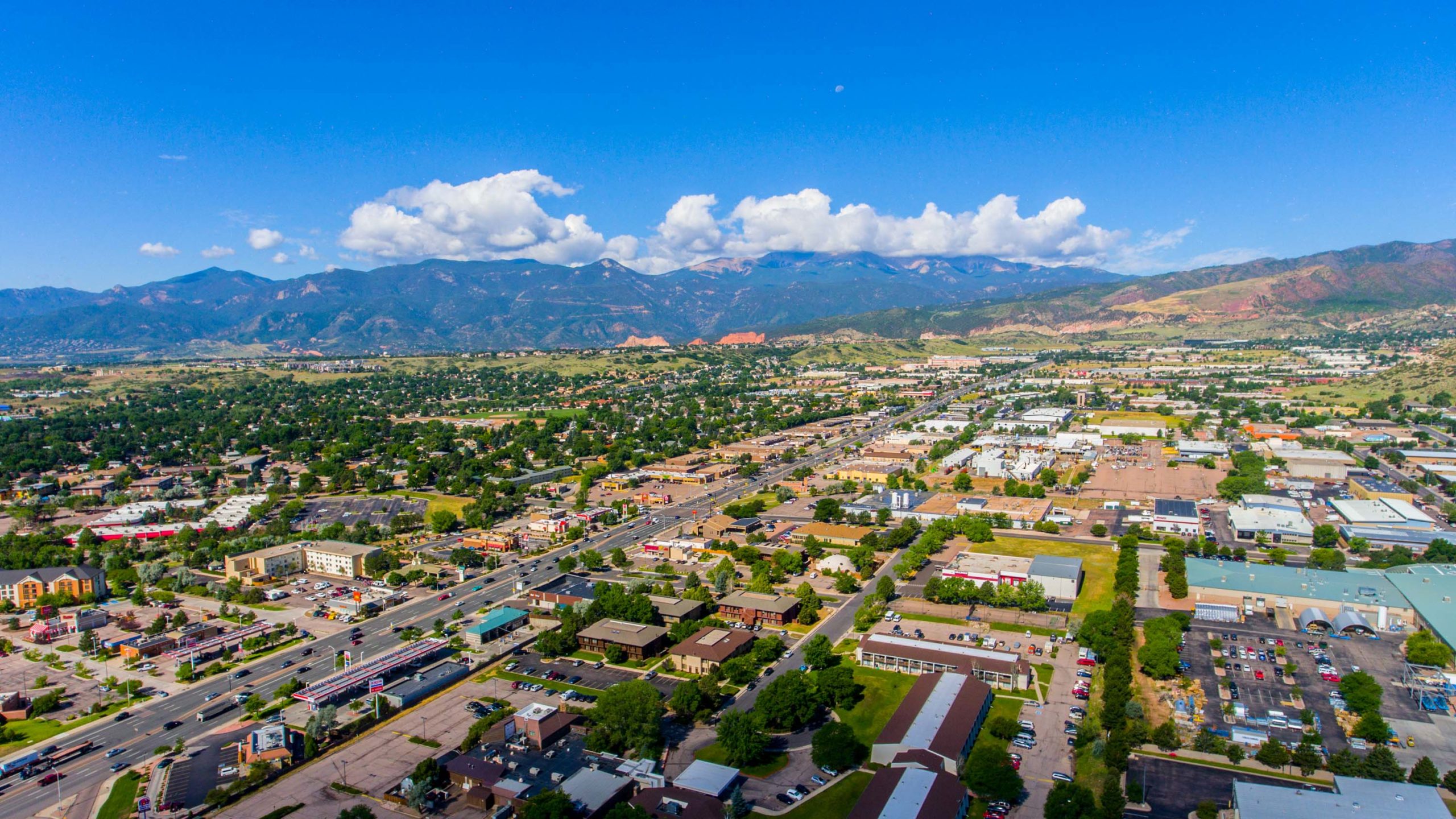
The natural beauty and outdoor recreational opportunities surrounding Colorado Springs also play a significant role. Its proximity to iconic landmarks such as Pikes Peak, Garden of the Gods, and the Cheyenne Mountain Zoo offers residents an unparalleled quality of life. This combination of economic vitality and an attractive environment has fueled its demographic expansion.
Historical Population Milestones
To fully appreciate the current population figures, it’s useful to examine historical trends. In the early 20th century, Colorado Springs was a much smaller city, characterized by its status as a health resort and a gateway to the mountains. The establishment and expansion of military bases, particularly after World War II and during the Cold War, were pivotal in significantly increasing its population. The latter half of the 20th century saw steady growth, and the dawn of the 21st century has witnessed an even more pronounced surge, solidifying its position as a major urban center in the Mountain West. This sustained growth has necessitated continuous development in infrastructure, housing, and public services to accommodate the expanding population.
Current Population Estimates and Projections
As of the latest available data, the population of Colorado Springs stands as a testament to its ongoing appeal. While precise numbers fluctuate and are subject to periodic census updates, it consistently ranks among the fastest-growing large cities in the United States. Projections indicate this trend is likely to continue, albeit potentially at a moderated pace as the city matures. This sustained growth presents both opportunities and challenges for urban planners and policymakers, who must ensure that the city’s expansion is sustainable and enhances the quality of life for all residents. The influx of new residents also contributes to the city’s cultural richness, bringing new perspectives and traditions.
Key Demographic Characteristics
Beyond sheer numbers, the composition of the population of Colorado Springs offers insights into its social and economic fabric. Understanding the age distribution, ethnic diversity, and socioeconomic makeup provides a more nuanced picture of the city.
Age Distribution and Generational Cohorts
Colorado Springs has a relatively diverse age distribution, influenced by the presence of military families, a growing number of young professionals drawn to its tech and defense industries, and retirees attracted by the lifestyle and lower cost of living compared to some coastal cities. The significant military presence means there is a substantial population of young families and service members. Concurrently, the city has seen an increase in younger adults and families seeking opportunities in its expanding economic sectors, as well as a stable population of older adults. This multi-generational demographic creates a dynamic social environment.
Ethnic and Racial Diversity
The ethnic and racial makeup of Colorado Springs has become increasingly diverse over the years. While historically a predominantly White population, the city has seen a notable rise in its Hispanic or Latino population, as well as increases in Black or African American and Asian communities. This growing diversity enriches the city’s cultural tapestry, contributing to a wider array of culinary experiences, artistic expressions, and community traditions. The city’s welcoming atmosphere and economic opportunities have made it an attractive destination for individuals and families from various backgrounds.
Household Composition and Family Structures
The household composition in Colorado Springs reflects national trends, with a mix of single-person households, married couples, and families with children. The presence of military installations naturally influences family structures, often leading to a higher proportion of dual-income households and those with children. As the city continues to attract a broad spectrum of residents, including young professionals and retirees, the variety of household types is expected to continue evolving, reflecting the diverse needs and lifestyles of its population.
Factors Influencing Population Dynamics
Several interconnected factors contribute to the population dynamics of Colorado Springs, shaping its growth and demographic profile. These elements range from economic opportunities and quality of life to environmental factors and government policies.
Economic Opportunities and Job Market
The strength and diversity of the job market are primary drivers of population growth. As mentioned, the defense and aerospace sectors, along with burgeoning technology and healthcare industries, provide a significant number of employment opportunities. The presence of federal agencies and the University of Colorado Colorado Springs also contribute to the economic ecosystem. This robust job market attracts skilled workers and professionals from other regions, fueling the influx of new residents. The city’s efforts to diversify its economy further enhance its appeal to a wider range of individuals and businesses.
Quality of Life and Natural Amenities
The exceptional quality of life in Colorado Springs is a significant draw. The stunning natural landscape, characterized by dramatic rock formations like those in Garden of the Gods and the majestic presence of Pikes Peak, offers residents unparalleled access to outdoor recreation. Activities such as hiking, biking, climbing, and skiing are readily available. The relatively lower cost of living compared to major metropolitan areas, coupled with a generally family-friendly environment and a perceived sense of safety, further enhances its attractiveness. The city’s commitment to preserving its natural beauty and expanding its park systems contributes to this desirable living environment.
Housing Market and Affordability
The housing market plays a crucial role in population growth, influencing both affordability and availability for new residents. Colorado Springs has historically offered more affordable housing options compared to the Denver metropolitan area, making it an attractive alternative for individuals and families seeking to maximize their purchasing power. While housing prices have seen increases in recent years, the city generally remains more accessible than many other Western U.S. cities experiencing similar growth. The ongoing development of new residential communities and housing projects aims to meet the demand from the expanding population.
Infrastructure and Public Services
As the population grows, the development and maintenance of robust infrastructure and public services become paramount. Colorado Springs has been investing in transportation networks, including road improvements and public transit, to manage increased traffic flow. The provision of quality education through its school districts and institutions like The Broadmoor Education Foundation (though this is a hotel name, assuming it refers to educational initiatives if it were an organization) and the expansion of healthcare facilities are also vital to supporting its growing populace. Ensuring that these services keep pace with population increases is a continuous focus for city management.
Implications of Population Size and Growth
The substantial and growing population of Colorado Springs has multifaceted implications for its future development, economy, and social structure. Understanding these implications is essential for planning and adaptation.
Economic Development and Business Growth
A larger population translates to a larger consumer base, which in turn supports existing businesses and attracts new ones. The growing workforce also provides a pool of talent for businesses to draw upon. The city’s economic development strategies often focus on leveraging its growing population to attract investment in various sectors, fostering entrepreneurship, and creating a dynamic business environment. This growth cycle creates a positive feedback loop, where economic success further fuels population growth and vice versa.
Urban Planning and Infrastructure Demands
The expanding population places increasing demands on urban planning and infrastructure. Managing growth requires careful consideration of land use, housing development, transportation systems, and the provision of essential services like water, sanitation, and energy. Colorado Springs faces the ongoing challenge of balancing development with the preservation of its natural environment and maintaining the quality of life that attracts residents in the first place. Investing in smart growth strategies and sustainable development practices is key to addressing these demands effectively.

Social and Cultural Landscape
A diverse and growing population enriches the social and cultural landscape of Colorado Springs. New residents bring with them varied experiences, perspectives, and traditions, contributing to a more vibrant and cosmopolitan city. This demographic evolution fosters a broader range of community activities, cultural events, and social organizations. The challenge lies in fostering inclusivity and ensuring that the city’s growth benefits all its residents, promoting a strong sense of community and shared identity.
In conclusion, the population of Colorado Springs is a dynamic and evolving metric, reflecting its sustained appeal as a place to live, work, and explore. From its historical roots to its contemporary status as a significant urban center, the city’s demographic story is one of continuous growth, driven by economic opportunity, a high quality of life, and the enduring allure of its magnificent natural surroundings. Understanding these population dynamics provides crucial context for appreciating the present and future of this remarkable Colorado city.
LifeOutOfTheBox is a participant in the Amazon Services LLC Associates Program, an affiliate advertising program designed to provide a means for sites to earn advertising fees by advertising and linking to Amazon.com. Amazon, the Amazon logo, AmazonSupply, and the AmazonSupply logo are trademarks of Amazon.com, Inc. or its affiliates. As an Amazon Associate we earn affiliate commissions from qualifying purchases.