
Colorado, often hailed as the Centennial State, is much more than its majestic Rocky Mountains, vibrant cities, and unparalleled outdoor adventures. At the heart of its allure lies its dynamic and ever-growing population, a diverse tapestry of individuals who shape its culture, drive its economy, and contribute to its unique lifestyle. Understanding the population of Colorado is not merely about reciting numbers; it’s about grasping the intricate relationship between demographics, urban development, tourism, and the very essence of what makes this state a prime destination for both visitors and new residents alike.
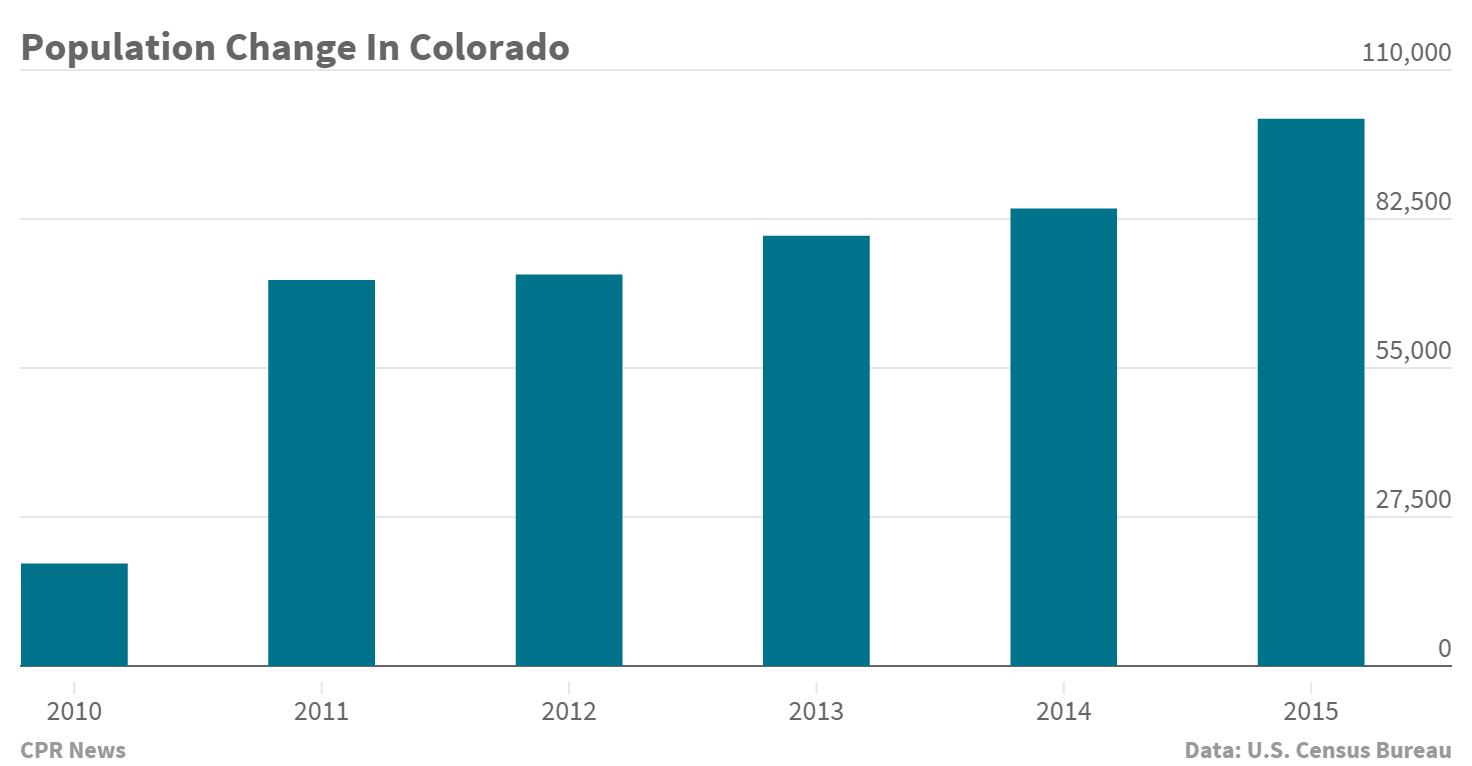
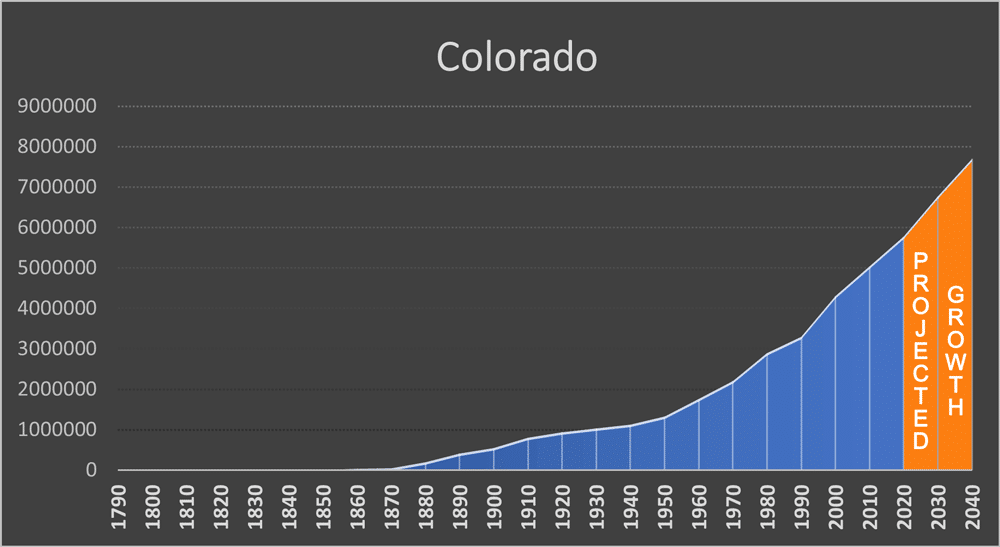
As of recent estimates, the population of Colorado hovers around 5.8 million people, making it the 21st most populous state in the United States. This figure represents a significant increase over the past few decades, driven by a robust economy, a high quality of life, and the undeniable appeal of its natural beauty. This continuous influx of residents has profound implications for every facet of life in Colorado, from the burgeoning demand for accommodation and travel infrastructure to the evolution of local culture and the preservation of its iconic landmarks. For anyone planning a visit, considering a move, or simply curious about what makes Colorado tick, delving into its population dynamics offers invaluable insights.
Understanding Colorado’s Dynamic Demographic Landscape
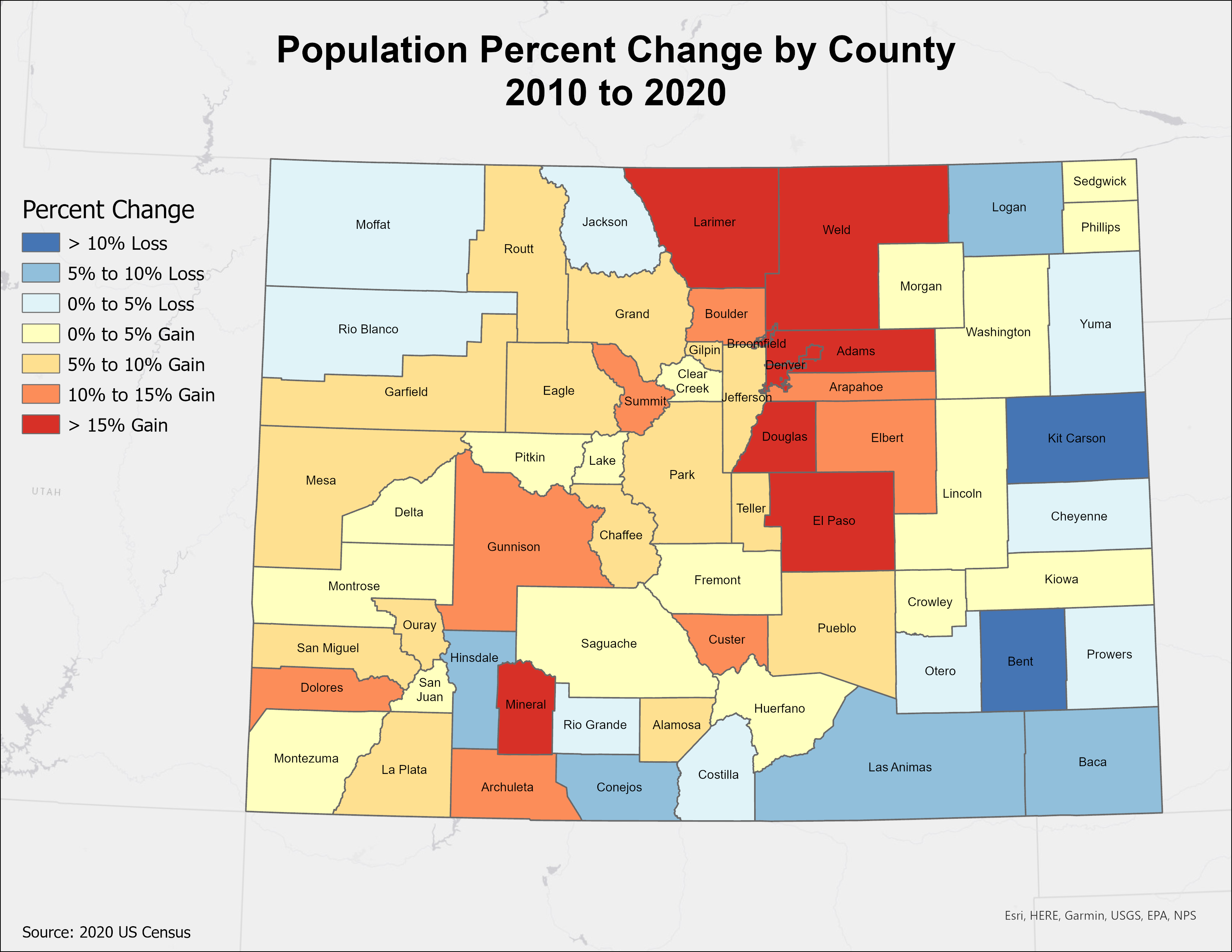
The growth of Colorado’s population is not just a statistical phenomenon; it’s a narrative of opportunity, natural attraction, and a changing social fabric. Over the last decade, Colorado has consistently ranked among the fastest-growing states in the nation. This growth is largely concentrated in its metropolitan areas, particularly along the Front Range, a region stretching from Colorado Springs in the south to Fort Collins in the north.
The Epicenters of Growth: Major Cities and Their Inhabitants
The greater Denver metropolitan area stands as the undisputed population hub, home to roughly half of the state’s residents. Denver itself boasts a population exceeding 700,000, while the broader metro area, including cities like Aurora and Lakewood, swells to over 3 million. This concentration of people has transformed Denver into a bustling urban center, complete with a thriving arts scene, diverse culinary landscape, and a constant hum of activity that appeals to both residents and tourists. Landmarks such as Union Station, Larimer Square, and the River North Art District exemplify the city’s blend of historic charm and contemporary vibrancy, each drawing countless visitors and reflecting the energy of its inhabitants.
South of Denver, Colorado Springs is another significant urban center, renowned for its military presence and proximity to natural wonders like the Garden of the Gods and Pikes Peak. Its population, exceeding 480,000, enjoys a slightly different pace of life, often balancing outdoor recreation with urban amenities. Further north, Boulder offers a unique blend of intellectual vigor, outdoor pursuits, and a progressive mindset, largely influenced by the University of Colorado Boulder and its scenic surroundings. Cities like Fort Collins and Greeley also contribute substantially to the Front Range’s demographic profile, each with distinct economic drivers and community characters.
Beyond the Front Range, population centers are more dispersed but equally vital. Grand Junction, situated on the Western Slope, serves as a hub for agriculture and outdoor recreation, particularly known for its vineyards and proximity to the Colorado National Monument. Pueblo, in Southern Colorado, with its rich industrial history and vibrant Hispanic culture, presents yet another facet of the state’s demographic diversity. These regional differences in population density and characteristics highlight the varied experiences Colorado offers.
Factors Driving Population Growth
Several key factors fuel Colorado’s population boom:
- Economic Opportunity: A robust job market, particularly in tech, aerospace, healthcare, and renewable energy sectors, draws professionals from across the nation.
- Quality of Life: The promise of 300+ days of sunshine, access to world-class outdoor recreation (skiing, hiking, biking), and a generally healthy lifestyle is a major draw.
- Natural Beauty: The allure of the Rocky Mountains, national parks like Rocky Mountain National Park and Mesa Verde National Park, and diverse landscapes is a powerful magnet.
- Urban Amenities: Major cities offer sophisticated cultural scenes, diverse dining, and vibrant nightlife, complementing the outdoor lifestyle.
The Interplay of Population Growth, Tourism, and Accommodation in the Centennial State
The growing population of Colorado has a symbiotic relationship with its thriving tourism and accommodation sectors. More residents mean more people engaging in local tourism, exploring their own state, and contributing to the demand for leisure activities. Simultaneously, the state’s reputation as a desirable place to live stems partly from its robust tourism appeal, which consistently attracts visitors, many of whom eventually decide to make Colorado their home. This dynamic creates a constant need for expanded and diversified accommodation options.
Responding to Demand: Hotels, Resorts, and Alternative Stays
The burgeoning population and tourist influx necessitate a robust and varied accommodation landscape. From luxury hotels in urban centers to rustic cabins in the mountains, Colorado’s lodging industry is constantly evolving to meet demand. In Denver, you’ll find an array of high-end options like the Four Seasons Hotel Denver and The Ritz-Carlton, Denver, catering to business travelers and upscale tourists. The rapid growth around Denver International Airport (DIA) has also led to massive developments like the Gaylord Rockies Resort & Convention Center, serving the convention market and family travelers.
Mountain towns like Aspen, Vail, Breckenridge, and Telluride are renowned for their luxurious resorts and charming boutique hotels, offering ski-in/ski-out access and unparalleled amenities. These destinations see peak demand during the winter ski season and the vibrant summer months, requiring extensive booking, comparison, and review platforms to manage the high volume of visitors. The historic The Stanley Hotel in Estes Park, famous for its grandeur and paranormal lore, stands as a testament to the enduring appeal of unique lodging experiences that draw both curious locals and international travelers.
Beyond traditional hotels, the increase in population has also fueled the popularity of alternative accommodations. Vacation rentals, including apartments, villas, and cabins, cater to families, groups, and those seeking a more authentic local experience or extended stays. These options are especially popular in areas like Boulder or Durango, where visitors might prefer self-catering facilities. The concept of long-term stays has also gained traction, appealing to remote workers, temporary residents, and those exploring a potential move to the state. The reviews and comparison features on accommodation websites are critical tools for navigating this diverse market, ensuring visitors find the perfect fit for their travel style and budget.
Infrastructure and Experiences
The pressure of population growth, combined with robust tourism, also impacts Colorado’s travel infrastructure. Transportation networks, from highways to public transit, are continually being expanded and improved to handle the increased traffic. This is particularly noticeable in popular attractions like Rocky Mountain National Park, where timed entry systems have been implemented to manage visitor flow and preserve the natural environment. Similarly, popular concert venues like Red Rocks Amphitheatre experience massive attendance, driven by both locals and tourists eager to witness performances in its stunning natural setting.
The diversity of Colorado’s population also enriches the tourism experience. As people from various backgrounds settle in the state, they bring with them unique cultural perspectives, culinary traditions, and artistic expressions. This means tourists can explore a broader range of local culture, from authentic Mexican cuisine in Pueblo to sophisticated farm-to-table restaurants in Denver’s Cherry Creek neighborhood. Festivals celebrating everything from jazz and beer to Native American heritage and mountain sports dot the calendar, offering immersive experiences that reflect the state’s vibrant human mosaic.
Diverse Populations Fueling Colorado’s Unique Lifestyle and Cultural Tapestry
The influx of people from various parts of the United States and around the world has profoundly shaped Colorado’s lifestyle and cultural identity. This diversity is not just a statistic; it’s a living, breathing force that enriches daily life, fuels innovation, and defines the unique blend of rugged individualism and progressive community spirit found here.
A Kaleidoscope of Lifestyles
Colorado’s population embraces a spectrum of lifestyles, often dictated by geography and personal passions.
- Outdoor Enthusiasts: A significant portion of Colorado’s residents are drawn by the promise of adventure. From the professional athletes training in Boulder to the weekend warriors hitting the slopes in Breckenridge or hiking trails in Rocky Mountain National Park, an active, outdoor-centric lifestyle is a cornerstone of [Colorado](https://lifeoutofthebox.com/colorado] identity. This leads to a strong market for adventure travel, specialized gear shops, and guide services that cater to all skill levels.
- Urban Professionals: In cities like Denver and Fort Collins, a thriving professional class enjoys a sophisticated urban existence, blending career ambition with access to nature. Luxury travel, fine dining, and cultural attractions such as the Denver Art Museum or Denver Performing Arts Complex are integral to this demographic. Business stays, often in high-end hotels and apartments, are common for this mobile workforce.
- Families and Community-Oriented Residents: Many families are drawn to Colorado for its excellent schools, safe communities, and abundant family-friendly activities. This segment drives demand for family trips, from visits to the Denver Zoo to educational excursions to Mesa Verde National Park. Budget travel options and accommodations with amenities like kitchens and multiple bedrooms are popular choices for these travelers.
- Retirees and Wellness Seekers: With its mild climate, stunning scenery, and emphasis on health, Colorado is also a magnet for retirees and those prioritizing wellness. Areas around Colorado Springs, home to the historic Broadmoor and the Garden of the Gods Resort and Club, offer a tranquil yet active retirement. Long-term stays and communities focused on active senior living are increasingly popular.
Cultural Richness and Culinary Diversity
The varied origins of Colorado’s population are evident in its culinary scene and cultural offerings. From authentic Mexican eateries in Pueblo and Denver’s Santa Fe Arts District to world-class breweries in Fort Collins and Boulder, the state’s food landscape is a direct reflection of its people. Food tourism has become a significant draw, with visitors eager to sample local craft beers, farm-to-table delicacies, and international flavors.
Moreover, the arts and music scenes thrive due to this demographic blend. Denver, with its numerous theaters, galleries, and live music venues, is a cultural powerhouse. The famous Red Rocks Amphitheatre attracts major artists and fans globally, while smaller towns host vibrant local music and art festivals. The unique independent shops along Boulder’s Pearl Street Mall or Grand Junction’s Downtown Creative District reflect distinct community identities and artistic expressions. This rich cultural tapestry provides endless activities for tourists seeking to immerse themselves in local life and experiences.
Navigating Colorado’s Future: Sustainable Growth and Preserving Its Appeal
While population growth brings undeniable economic benefits and cultural enrichment, it also presents challenges, particularly in a state as naturally beautiful and environmentally conscious as Colorado. The balance between accommodating new residents and tourists while preserving the state’s unique character and natural resources is a constant priority.
The Challenge of Sustainable Development
Increased population density inevitably leads to greater demand for resources, from water and energy to housing and open space. Cities across Colorado are grappling with these issues, implementing innovative urban planning strategies, investing in public transportation, and focusing on sustainable development. For example, the expansion of light rail in Denver and efforts to promote cycling in Boulder are responses to this growth.
From a tourism perspective, this translates to an emphasis on responsible travel. Many destinations, especially sensitive ecological areas like Great Sand Dunes National Park and Preserve or popular hiking trails in the Rocky Mountains, encourage visitors to practice Leave No Trace principles. Tour operators and local guides often educate visitors on the importance of respecting wildlife and minimizing environmental impact. The state’s commitment to preserving its natural heritage is a draw for many residents and tourists, making sustainable practices not just a necessity but a core part of the Colorado brand.
Preserving the Colorado Experience for All
The essence of Colorado’s appeal lies in its combination of majestic landscapes, vibrant cities, and a distinct Western spirit. As its population continues to evolve, efforts are concentrated on ensuring that both long-term residents and newcomers, as well as the millions of tourists who visit annually, can continue to enjoy the exceptional experiences the state offers. This means maintaining accessible public lands, investing in cultural institutions, and fostering communities that are welcoming and inclusive.
The diverse population itself plays a crucial role in this preservation, bringing different perspectives to the table regarding conservation, urban planning, and cultural development. Whether it’s supporting local businesses in Grand Junction, exploring historic sites like the Georgetown Loop Railroad, or simply enjoying a scenic drive through the mountains, the collective actions of [Colorado](https://lifeoutofthebox.com/colorado]’s residents and visitors ultimately shape its future. The population of Colorado is not just a number; it is the heartbeat of a state constantly striving to balance growth with preservation, adventure with community, and natural beauty with modern living.
In conclusion, the population of Colorado, currently around 5.8 million and steadily climbing, is a multifaceted force that profoundly influences every aspect of the state. From driving the expansion of its travel and accommodation sectors to enriching its cultural tapestry and shaping its unique lifestyle offerings, the people of [Colorado](https://lifeoutofthebox.com/colorado] are the very essence of its dynamic character. For those seeking to explore this incredible state, understanding its demographic landscape provides a deeper appreciation for the experiences it offers, ensuring that every journey is not just a trip, but an immersion into a vibrant and evolving community.
LifeOutOfTheBox is a participant in the Amazon Services LLC Associates Program, an affiliate advertising program designed to provide a means for sites to earn advertising fees by advertising and linking to Amazon.com. Amazon, the Amazon logo, AmazonSupply, and the AmazonSupply logo are trademarks of Amazon.com, Inc. or its affiliates. As an Amazon Associate we earn affiliate commissions from qualifying purchases.