
Nevada, a state renowned for its dazzling cityscapes, vast desert expanses, and rich historical tapestry, is a destination that consistently draws a diverse array of travelers. Understanding its population dynamics, while not a typical tourist query, offers a fascinating lens through which to appreciate the state’s growth, development, and the very fabric of its unique communities. The population of Nevada is a story of constant evolution, shaped by economic booms, migration patterns, and the alluring promise of opportunity that has long characterized the Silver State.
As of recent estimates, the population of Nevada hovers around 3.2 million residents. This figure places it among the more sparsely populated states in the U.S., yet it represents a significant and dynamic community that fuels its vibrant tourism industry and cultural landscape. The story of Nevada’s population is not just about numbers; it’s about the people who call this state home, the industries they support, and the experiences they create for visitors.

The Shifting Sands of Nevada’s Demographics
Nevada’s population has experienced remarkable growth throughout its history, particularly in the latter half of the 20th century and into the 21st. This growth is intrinsically linked to its economic drivers, primarily gaming, tourism, and more recently, technology and logistics.
Historical Growth Trajectory
From its early days as a frontier territory, Nevada’s population was relatively small, sustained by mining and agriculture. The legalization of gambling in 1931 marked a pivotal turning point, attracting new residents and igniting rapid urban development, especially in Las Vegas and Reno. Post-World War II, the state continued its upward trajectory, fueled by a favorable business climate and the burgeoning entertainment industry.
Key Population Centers
The vast majority of Nevada’s residents are concentrated in its major metropolitan areas.
Clark County: The Southern Powerhouse
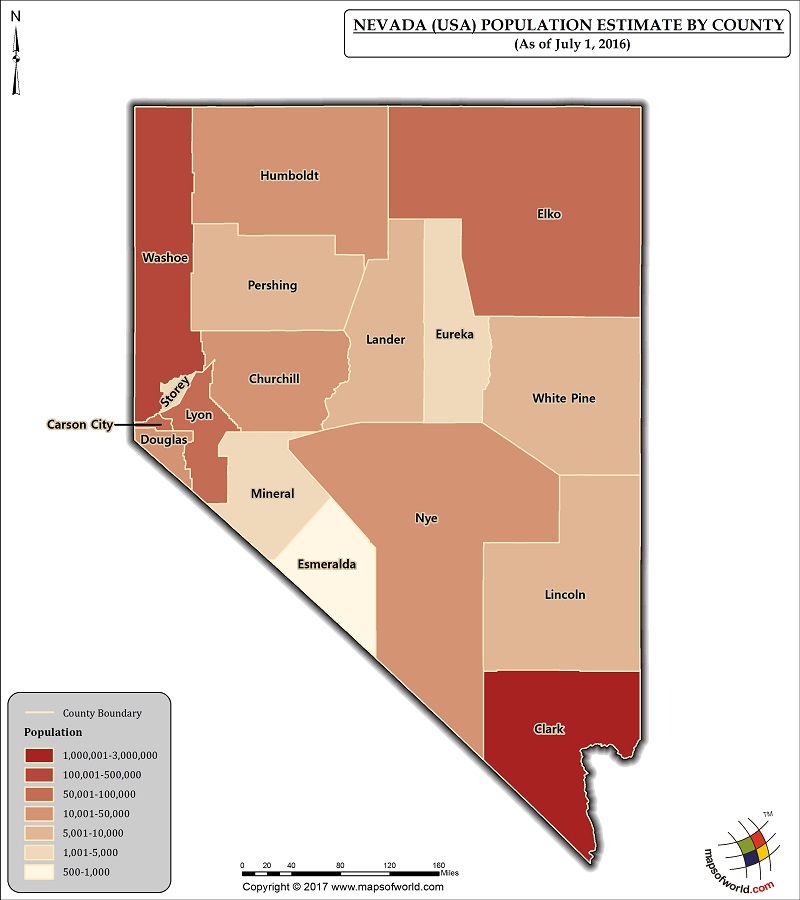
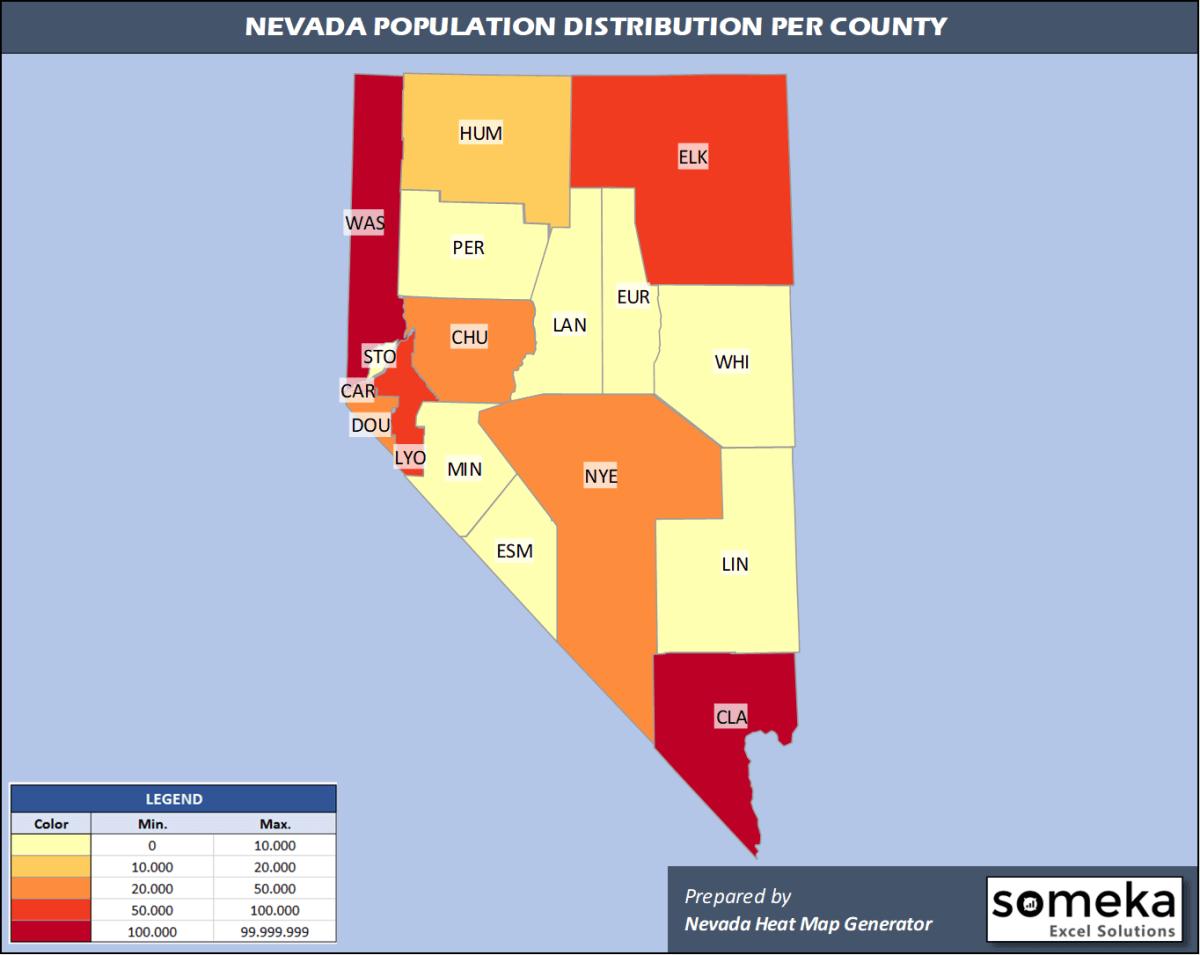
Clark County, home to the world-famous Las Vegas Strip, is by far the most populous region in the state. It accounts for roughly two-thirds of Nevada’s total population. This region encompasses not only the sprawling metropolis of Las Vegas but also surrounding cities like Henderson, North Las Vegas, and Boulder City. The sheer scale of development and the continuous influx of people seeking employment in the hospitality, entertainment, and service sectors have made Clark County a demographic giant.
Washoe County: The Northern Hub
Washoe County, located in the northwestern part of the state, is the second most populous county. Its primary city, Reno, often referred to as “The Biggest Little City in the World,” serves as a major economic and cultural hub for northern Nevada. Like its southern counterpart, Washoe County has seen substantial growth driven by tourism, gaming, and a growing technology sector, attracting businesses and skilled workers.
Rural Nevada: A Different Pace of Life
Beyond these two major population centers, much of Nevada remains sparsely populated. Rural counties, often characterized by vast open spaces, agricultural communities, and historic mining towns, offer a stark contrast to the bustling cities. While these areas contribute a smaller percentage to the overall population, they are vital to the state’s identity, preserving its unique heritage and natural beauty. Towns like Elko, Carson City (the state capital), and Laughlin represent the diverse distribution of Nevada’s inhabitants.
Factors Influencing Nevada’s Population
Several key factors contribute to the dynamic nature of Nevada’s population. These influences range from economic opportunities to the allure of a lower cost of living and a distinctive lifestyle.
Economic Drivers and Job Opportunities
The primary catalyst for population growth in Nevada has historically been its robust economy, largely driven by tourism and entertainment. The constant demand for workers in hotels, casinos, restaurants, and ancillary services in cities like Las Vegas and Reno draws a steady stream of migrants. In recent years, diversification has become a key theme, with the state attracting significant investment in logistics, manufacturing, and technology, further broadening the employment landscape. The presence of major companies and distribution centers creates new job opportunities, drawing a more diverse workforce.
Migration Patterns
Nevada has consistently been a state of net in-migration, meaning more people move into Nevada than move out. This trend is influenced by a combination of factors:
- Affordability: Historically, Nevada has offered a more affordable cost of living compared to neighboring states like California. While housing costs have risen in popular areas, the overall affordability can still be a significant draw.
- Tax Climate: Nevada is one of only a few states that does not levy a state income tax, making it an attractive destination for individuals and businesses seeking to reduce their tax burden.
- Lifestyle: The unique lifestyle offered by Nevada, from the glitz and glamour of Las Vegas to the outdoor recreation opportunities in areas like Lake Tahoe and the vast desert landscapes, appeals to a wide range of individuals.
The Impact of Major Events and Developments
Significant events and developments can have a profound impact on population shifts. For instance, the expansion of convention centers in Las Vegas, the development of new resorts, or the establishment of major technological hubs can create surges in local employment, prompting increased migration. Conversely, economic downturns can temporarily slow growth or even lead to out-migration.
Understanding Nevada’s Population for Travelers
While direct demographic data might not be on every tourist’s itinerary, understanding the population dynamics of Nevada enriches the travel experience. It provides context for the scale of its cities, the diversity of its communities, and the forces that have shaped its iconic destinations.
Scale and Infrastructure
Knowing that Las Vegas is home to over 2 million people in Clark County helps to understand the sheer scale of the city’s infrastructure, the extensive transportation networks, and the vast array of attractions and accommodations available. Similarly, understanding Reno‘s position as the hub for northern Nevada clarifies its importance as a gateway to outdoor adventures and a distinct cultural scene.
Cultural Diversity and Community Fabric
Nevada’s population is increasingly diverse, reflecting the global nature of its primary industries and its appeal as a melting pot. This diversity is evident in the culinary scenes, cultural festivals, and the general atmosphere of its cities. The blend of long-time residents with newcomers from across the United States and internationally creates a vibrant and evolving cultural landscape that travelers can explore.
The Unseen Workforce Behind the Glitz
When visiting the world-class resorts and entertainment venues, it’s worth remembering the vast population of Nevadans who work tirelessly behind the scenes. The service industry is the backbone of the state’s economy, and the dedication of its workforce is what makes the magic of places like the Las Vegas Strip possible. This understanding adds a layer of appreciation for the destination.
Gateway to Natural Wonders
While the cities draw the largest crowds, it’s important to remember that the population of Nevada is spread across a state of immense natural beauty. The smaller towns and rural communities are gateways to experiencing the rugged desert landscapes, the majestic Sierra Nevada mountains, and the unique ecosystems that define the state. Engaging with these less populated areas offers a different, yet equally compelling, perspective on Nevada.
The Future of Nevada’s Population
The trajectory of Nevada’s population is expected to continue its growth, albeit potentially at a more moderated pace than during some peak periods. Several factors will likely shape its future demographic landscape.
Economic Diversification and Sustainability
As Nevada continues to diversify its economy beyond gaming and tourism, attracting industries like advanced manufacturing, renewable energy, and technology, it will likely draw a more varied professional workforce. This shift could lead to different migration patterns and a broader skill base within the state.
Urbanization and Infrastructure Development
The growth in population centers will necessitate continued investment in infrastructure, including transportation, housing, and public services. Managing this growth sustainably will be a key challenge and opportunity for the state.
The Allure of Open Spaces and Outdoor Recreation
As more people seek a balance between urban amenities and access to nature, Nevada’s vast open spaces and abundant outdoor recreational opportunities, such as those found near Lake Tahoe and in its numerous state and national parks, will likely continue to attract residents and visitors alike. The appeal of a lifestyle that embraces both the excitement of the city and the tranquility of the natural world is a powerful demographic draw.
In conclusion, the population of Nevada is a testament to the state’s enduring appeal as a land of opportunity and unique experiences. From the bustling metropolises of Clark County and Washoe County to the serene expanses of rural Nevada, the people of this state are its greatest asset, shaping its vibrant culture and driving its dynamic economy. For the traveler, understanding this demographic narrative offers a richer appreciation of the Silver State, its past, its present, and its promising future.
LifeOutOfTheBox is a participant in the Amazon Services LLC Associates Program, an affiliate advertising program designed to provide a means for sites to earn advertising fees by advertising and linking to Amazon.com. Amazon, the Amazon logo, AmazonSupply, and the AmazonSupply logo are trademarks of Amazon.com, Inc. or its affiliates. As an Amazon Associate we earn affiliate commissions from qualifying purchases.